Side-by-Side IQ Profile: Pekingese vs. Silky Terrier
The Cosmic Pet Pet IQ Lab assesses canine intelligence across five key dimensions. For both the Pekingese and the Silky Terrier, each dimension registers a 3/5, suggesting comparable foundational cognitive abilities. However, the *application* of these abilities differs significantly based on their breed-specific traits.
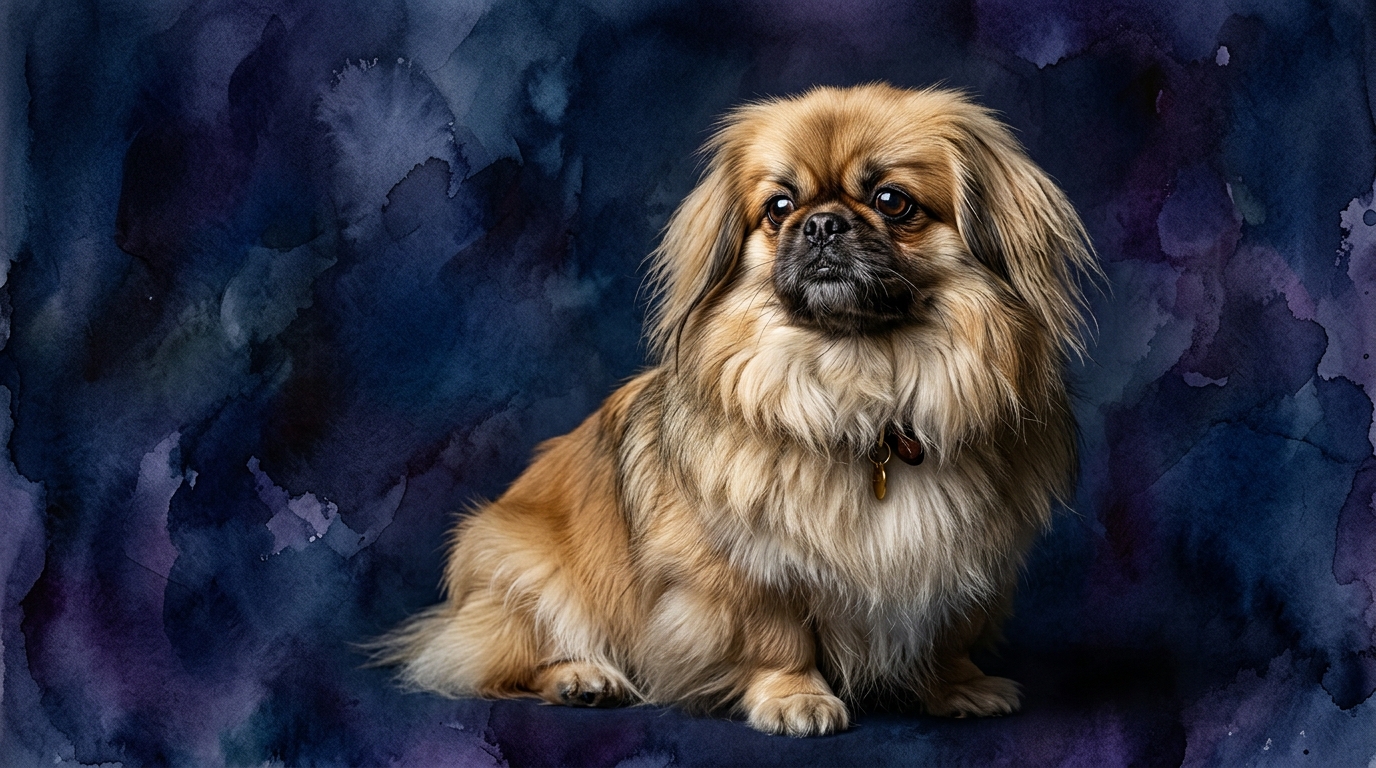
Pekingese (Coren Rank #77): This ancient breed, originally companions to Chinese royalty, displays a Problem Solving score of 3/5 that manifests as strategic thinking for personal comfort or advantage. They might meticulously assess a situation to determine the most energy-efficient path to a sunbeam or subtly employ vocalizations to manipulate their owner. Their Training Speed of 3/5 means they can learn commands, but their strong independence requires consistent, high-value positive reinforcement, as they are not inherently eager to please. Social Intelligence, also 3/5, is deeply nuanced and primarily directed towards their inner circle, showing acute observation of familiar humans' moods but often aloofness towards strangers. Their Instinctive Drive (3/5) is rooted in territoriality and protecting their home and people, rather than a strong prey drive. Finally, their Memory (3/5) is solid, particularly for established routines, familiar faces, and the comfort of their home environment, contributing to their consistent demeanor.
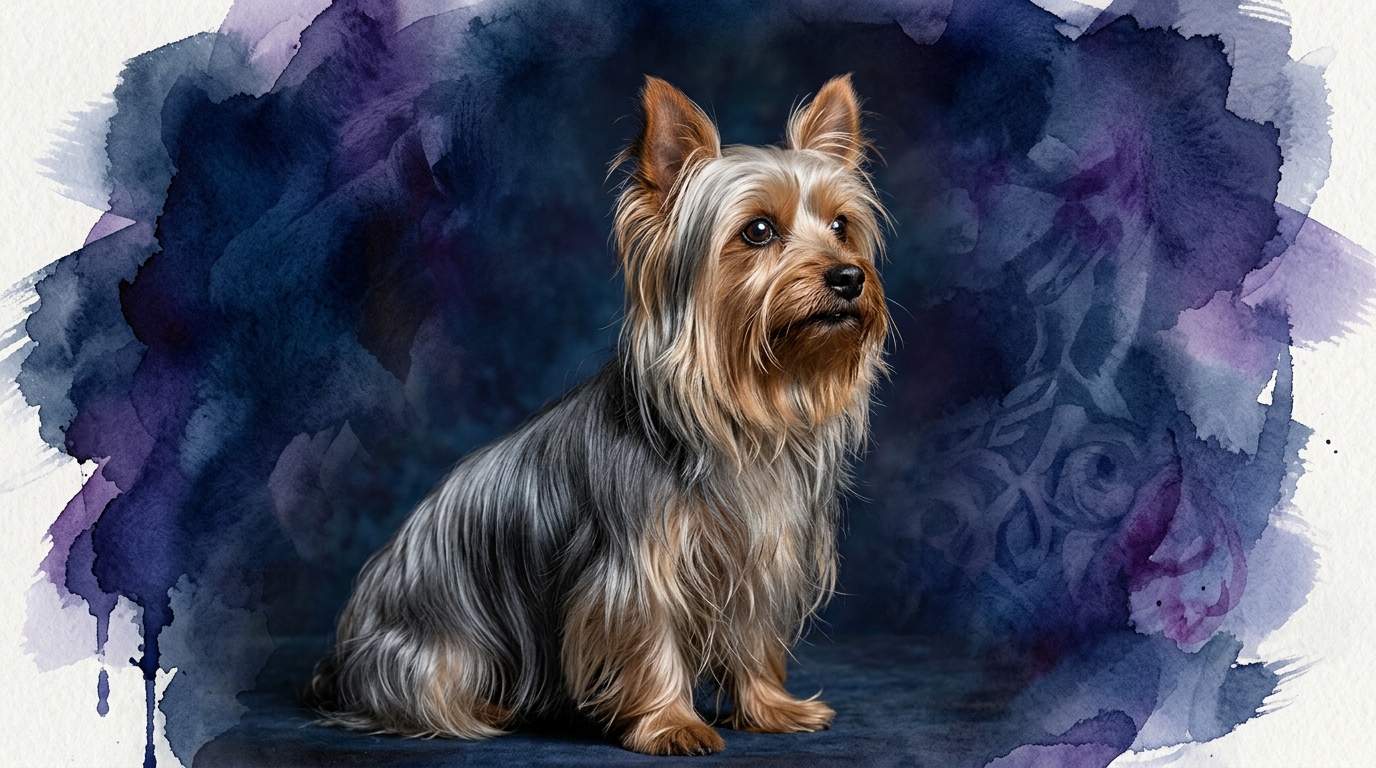
Silky Terrier (Not Coren-Ranked): Hailing from Australia as a determined vermin hunter, the Silky Terrier's Problem Solving score of 3/5 is characterized by resourcefulness and curiosity. They are adept at navigating environments, figuring out how to access interesting objects, or overcoming minor physical obstacles, often driven by an inquisitive nature that seeks discovery. Their Training Speed of 3/5 reflects enthusiasm when engaged, but their independent terrier spirit and potential for distraction mean training must be varied and stimulating to maintain focus. Social Intelligence, also 3/5, is generally outgoing and confident, allowing them to adapt to new people and environments, though their terrier assertiveness can emerge in dog-to-dog interactions. Their Instinctive Drive (3/5) is strongly expressed as a classic terrier prey drive, fueling their energetic, inquisitive nature and prompting them to explore and investigate. Their Memory (3/5) is reliable, effectively retaining learned commands, routines, and the locations of interesting smells or hidden toys, supporting their overall adaptability.
Where the Pekingese Wins Cognitively
The Pekingese often demonstrates a superior, highly nuanced social reading specifically within their immediate, trusted family unit. Their profound attunement to their owner's subtle emotional shifts, unspoken desires, and established routines allows for a unique, almost intuitive bond, where they anticipate needs or offer quiet, comforting companionship without overt demands. Their problem-solving prowess, while not typically geared towards complex obedience tasks, excels in strategic manipulation for personal gain—be it securing the most comfortable spot on the sofa, subtly influencing decisions about walk times, or eliciting precisely the right kind of attention. This breed’s memory for specific human preferences, established home rhythms, and comfortable patterns is exceptionally strong, contributing to their consistent and predictable presence as a cherished, independent companion.
Where the Silky Terrier Wins Cognitively
The Silky Terrier typically excels in cognitive flexibility and an inherent adaptability to varied environments and novel situations. Their insatiable curiosity drives them to explore new spaces and challenges with confidence, quickly processing and adjusting to unfamiliar stimuli or changes in their routine. They demonstrate superior resourcefulness in independent play and discovery, often devising their own engaging games, finding creative ways to retrieve hidden objects, or overcoming minor physical obstacles. Their problem-solving is intrinsically tied to exploration and 'hunting' tasks, showcasing an impressive ability to strategize and persist in retrieving a hidden toy or navigating a complex path. This breed also generally exhibits broader social engagement, more readily and confidently interacting with a wider range of people and dogs beyond their immediate family, making them adept at navigating diverse social landscapes.
Training Ease: Pekingese vs. Silky Terrier
When evaluating training ease, the differences between these two breeds become pronounced due to their core temperaments. The Pekingese, with its independent and often stubborn streak, requires an owner who understands that motivation must appeal directly to the dog's self-interest. They are less inherently eager to please and may view commands as suggestions rather than mandates. Training a Pekingese demands immense patience, consistent positive reinforcement, and a keen understanding of what truly motivates them, often leading to slower, more deliberate progress.
In contrast, the Silky Terrier, while possessing its own terrier independence, typically approaches training with more enthusiasm and a greater desire for engagement. They respond well to varied, fun-based training methods that prevent boredom and tap into their natural curiosity and prey drive. While they can be distracted by their environment, their willingness to participate often makes them *appear* easier to train, provided the sessions are kept stimulating and consistent. Therefore, the Silky Terrier generally presents a more straightforward training experience for an average owner, while the Pekingese demands a more tailored and understanding approach.
Lifestyle Match: Active vs. Relaxed Owners
The choice between these breeds often aligns significantly with an owner's lifestyle. The Pekingese is an ideal companion for relaxed owners who appreciate a dog content with a more sedentary, indoor-centric life. They thrive in calm, predictable home environments, requiring only short, leisurely strolls for exercise and minimal mental exertion beyond comfortable companionship. Their independent nature means they are less demanding of constant activity or structured play, making them well-suited for individuals or families seeking a devoted, low-key presence.
Conversely, the Silky Terrier is a better match for active owners who enjoy regular engagement and providing outlets for significant mental and physical energy. Their terrier heritage demands consistent walks, interactive games, and opportunities for exploration or puzzle toys. Owners who can offer consistent stimulation and channel their inquisitive, energetic nature will find the Silky Terrier a delightful and engaging partner for an active lifestyle.
The Verdict
Choose the Pekingese if you seek a devoted, independent companion who excels in a calm, predictable home environment and offers subtle, deeply personal social interactions, appreciating comfort over constant activity.
Opt for the Silky Terrier if you desire an energetic, curious partner who thrives on engagement, exploration, and consistent, stimulating activities, bringing a lively zest to an active household.
🧠 Find Your Pet's IQ Score
Our Pet IQ Lab assessment covers 25+ tests across 5 cognitive dimensions — personalized to your breed.
Take the Full IQ Test →Frequently Asked Questions
Are Pekingese difficult to train?
Pekingese can present training challenges due to their independent nature and lack of an overwhelming desire to please; they respond best to patient, consistent, and highly motivating positive reinforcement tailored to their self-interest. While not inherently difficult, they require an understanding owner willing to invest time in methods that appeal to their specific motivations.
Do Silky Terriers need a lot of exercise?
Silky Terriers, stemming from their terrier heritage, possess a moderate to high energy level and do require regular exercise to stay content and well-behaved. Daily walks, interactive play, and opportunities for mental stimulation through games or exploration are essential to satisfy their inquisitive and active nature.
How do their social skills compare with strangers?
The Pekingese tends to be reserved and discerning with strangers, often preferring to observe from a distance or ignore them, showing selective social engagement. The Silky Terrier, conversely, is generally more outgoing and confident with new people, though their terrier assertiveness might emerge, making them adaptable but sometimes boisterous in social settings.