Side-by-Side Cognitive Profiles: Pembroke Welsh Corgi vs. Canaan Dog
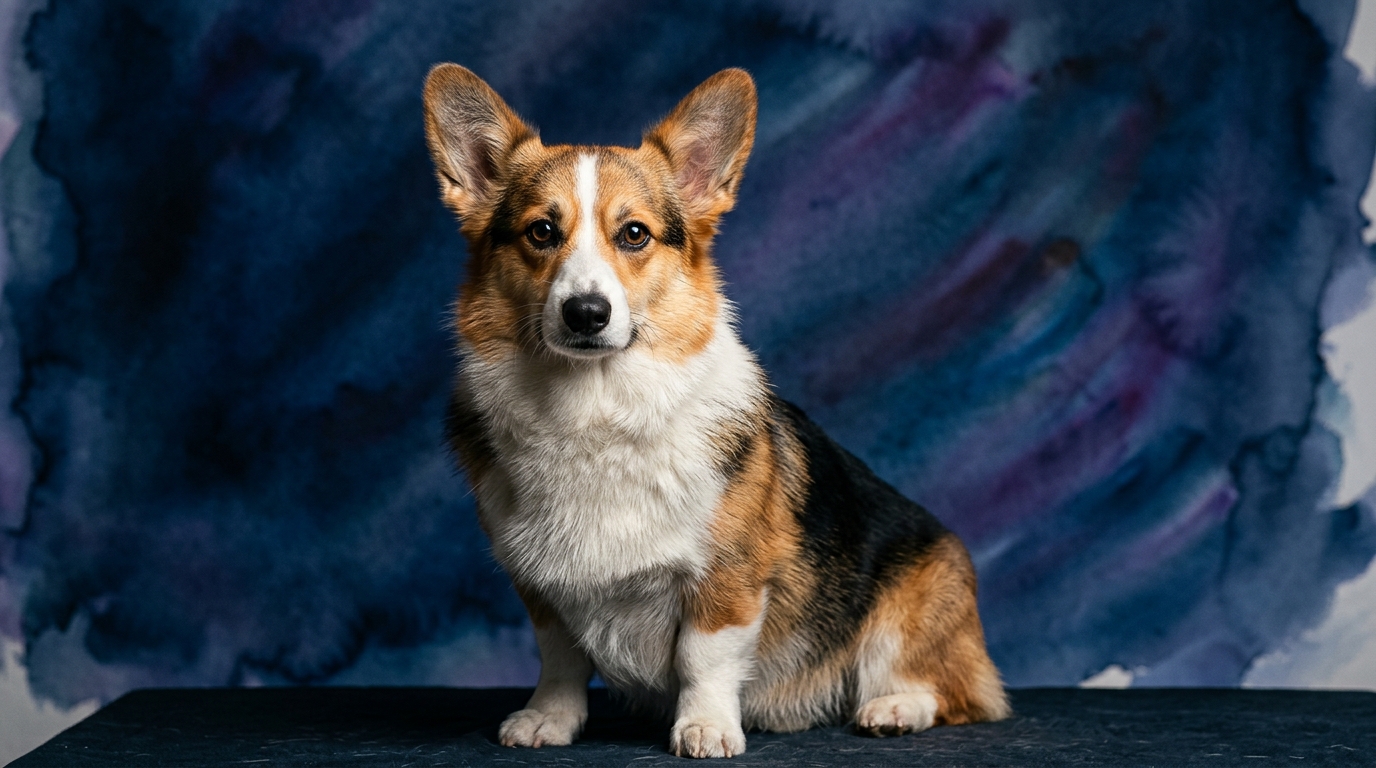
The Cosmic Pet Pet IQ Lab provides a unique lens through which to examine the cognitive strengths of these two distinct breeds. The Pembroke Welsh Corgi, with a Coren ranking of #11, consistently demonstrates a high aptitude for understanding human directives and executing complex tasks. Their problem-solving capacity is rated at an impressive 4/5, indicating an ability to navigate novel situations with creative and effective strategies. Training speed is a standout feature for the Corgi, earning a perfect 5/5, meaning they grasp new commands often within a handful of repetitions. Social intelligence is also robust at 4/5, reflecting their capacity to read human cues and adapt to varied social environments. Their instinctive drive, rated 5/5, is a powerful force, channeling their herding heritage into focused activity and persistent effort. Memory for the Corgi stands strong at 4/5, ensuring learned behaviors and associations are retained over time.
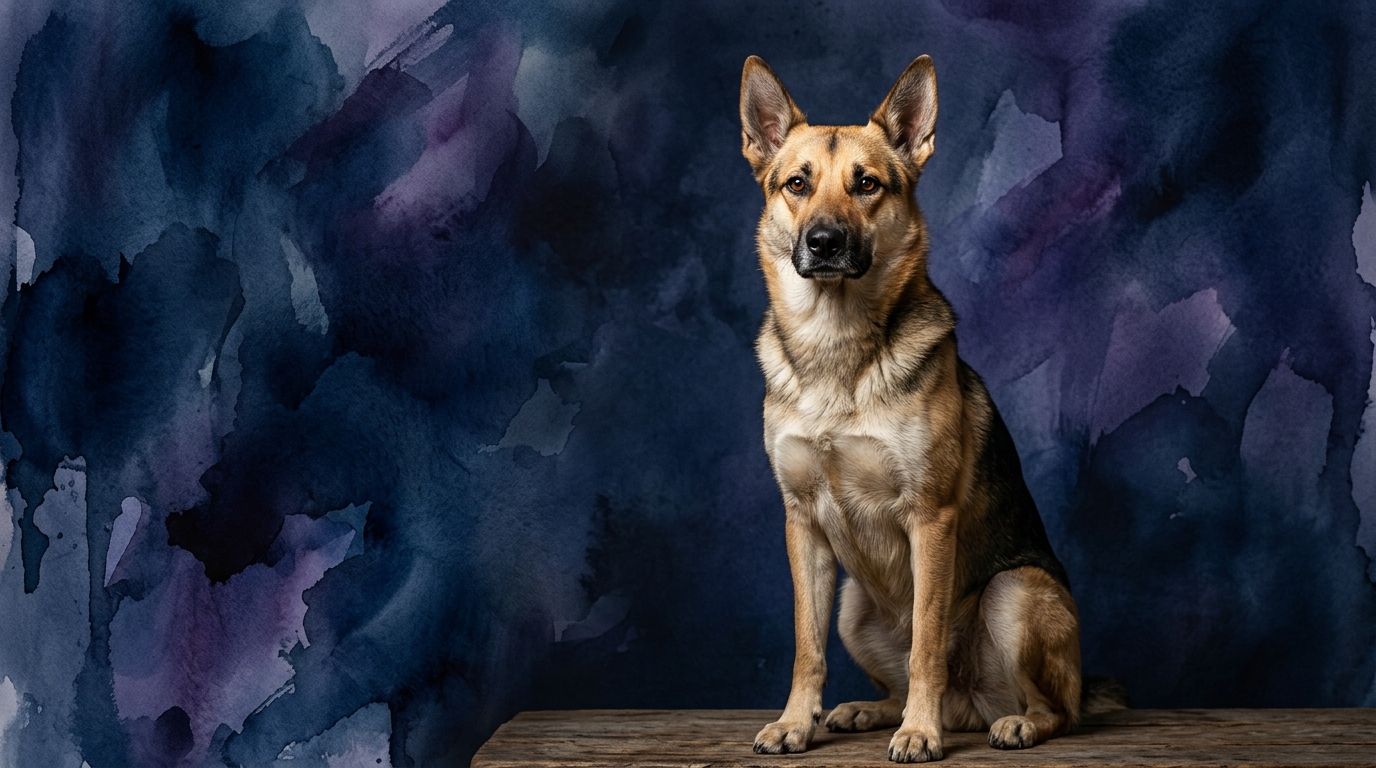
In contrast, the Canaan Dog, holding a Coren ranking of #43, presents a cognitive profile rooted in independence and ancient survival instincts. Their problem-solving score of 3/5 suggests a practical approach, often relying on instinct and observation to overcome challenges rather than abstract reasoning. Training speed for the Canaan Dog is rated at 3/5, indicating they learn at a moderate pace, requiring consistent and patient guidance. Social intelligence, also at 3/5, reflects a more reserved nature; they form deep bonds with their family but can be discerning or wary with strangers. Their instinctive drive, rated 3/5, manifests as a strong sense of vigilance and territory protection rather than the Corgi's herding focus. Similar to the Corgi, the Canaan Dog possesses a memory score of 4/5, allowing them to recall experiences and learn from past interactions effectively.
Where the Pembroke Welsh Corgi Wins Cognitively
The Pembroke Welsh Corgi distinctly excels in areas demanding rapid learning and eager cooperation. Their top-tier training speed (5/5) means they assimilate new commands and routines with exceptional swiftness, often requiring minimal repetition. This cognitive advantage makes them highly responsive partners in structured training settings, from basic obedience to advanced canine sports. Furthermore, the Corgi’s problem-solving ability (4/5) often manifests as a keen aptitude for puzzle toys, navigating obstacle courses, or figuring out how to access desired objects, showcasing a more inventive approach to novel challenges. Their higher social intelligence (4/5) generally translates into a greater ease in adapting to diverse social situations and a more pronounced attunement to human emotional states and intentions, making them generally more outwardly sociable and adaptable in public settings. The Corgi's Coren rank of #11 is a clear indicator of their predisposition for understanding and complying with human instructions, reflecting a strong desire to work cooperatively.
Where the Canaan Dog Wins Cognitively
The Canaan Dog's cognitive strengths lie in areas demanding independence, vigilance, and practical application of intelligence, rather than immediate human-directed compliance. While both breeds score 4/5 in memory, the Canaan Dog's retention, combined with their instinctive drive (3/5), is particularly strong for recalling environmental details, safe zones, or potential threats, which is critical for their historical role as guardians. Their problem-solving (3/5), though not as abstract as the Corgi's, is highly effective in practical, real-world scenarios, such as navigating complex terrain or assessing potential dangers. The Canaan Dog’s independence, reflected in their Coren rank of #43, is not a cognitive deficit but a strength for self-reliance; they are adept at making decisions without constant human oversight, a trait honed over centuries of survival in harsh environments. This self-sufficiency, coupled with their keen environmental awareness, allows them to excel in roles requiring discretion and watchfulness, making them exceptional sentinels. Their social intelligence (3/5), while more reserved, fosters deep, discerning bonds with their chosen family, demonstrating a profound loyalty and protective instinct.
Training Dynamics: Which is Easier and Why?
When it comes to ease of training, the Pembroke Welsh Corgi generally presents a more straightforward path for most owners. Their exceptional training speed (5/5) means they pick up new commands with remarkable alacrity, often eager to please and quick to offer desired behaviors. This high trainability is reinforced by their Coren rank of #11, indicating a strong propensity for obedience and responsiveness to human instruction. Their strong instinctive drive (5/5) can be readily channeled into structured activities like obedience, agility, or herding games, which they typically enjoy and excel at, though owners must be mindful of their natural heel-nipping tendencies without proper redirection. Corgis thrive on positive reinforcement and consistent guidance, making them highly rewarding partners in training endeavors.
The Canaan Dog, on the other hand, requires a more nuanced and patient approach to training, reflecting their 3/5 training speed and Coren rank of #43. They are independent thinkers who need to understand the 'why' behind a command and may not perform if they perceive it as arbitrary or unnecessary. This breed responds best to positive reinforcement techniques, clear communication, and a strong, trusting bond with their handler. Their social intelligence (3/5) means they might be less inclined to engage with new people or environments without careful, early, and consistent socialization. Owners should be prepared for a dog that prioritizes its own assessment of a situation over immediate compliance, particularly if its strong guardian instincts are activated. Training a Canaan Dog is more about building a partnership and earning respect than simply issuing commands.
Matching Breeds to Lifestyles: Active vs. Relaxed Owners
For active owners, both breeds can find their niche, though with different engagement styles. The Pembroke Welsh Corgi is an excellent fit for owners who enjoy consistent, structured mental and physical activity. Their high training speed (5/5) and problem-solving (4/5) make them ideal candidates for dog sports like agility, obedience, and rally, thriving on challenges that engage both their bodies and minds. They require regular exercise to channel their strong instinctive drive (5/5), making them suitable for owners who enjoy daily walks, runs, or active play sessions. While not requiring marathon-level endurance, they need consistent engagement to prevent boredom and potential behavioral issues.
The Canaan Dog also suits active owners, but those who appreciate a more purposeful and independent form of activity. They require regular exercise that respects their natural vigilance and territorial instincts, such as long walks where they can observe their surroundings, scent work, or participation in activities that mimic their guardian roles. Their problem-solving (3/5) and instinctive drive (3/5) are geared towards monitoring and patrolling, making them less about endless repetitive tasks and more about meaningful engagement. Owners who enjoy exploring nature, have a secure yard for patrolling, and can provide mental stimulation that taps into their breed's unique heritage will find a devoted companion. For truly 'relaxed' owners seeking a low-maintenance companion, neither breed is ideal. While a Corgi might adapt to a slightly less active home if mental stimulation is paramount, their inherent energy and drive demand an outlet. A Canaan Dog’s need for purpose, vigilance, and structured exercise means they require an owner committed to meeting their unique needs, making them less suited for a sedentary lifestyle.
The Verdict
Choose a Pembroke Welsh Corgi if you seek a highly trainable, socially adaptable companion eager for structured activities and quick learning. They thrive with owners who provide consistent mental engagement and enjoy channeling their strong herding drive into cooperative tasks.
Opt for a Canaan Dog if you appreciate an independent, watchful companion with a deep sense of loyalty and a natural guardian instinct. They suit experienced owners who can patiently nurture their unique intelligence and provide a secure, purposeful environment.
🧠 Find Your Pet's IQ Score
Our Pet IQ Lab assessment covers 25+ tests across 5 cognitive dimensions — personalized to your breed.
Take the Full IQ Test →Frequently Asked Questions
Are Corgis truly smarter than Canaan Dogs based on Coren ranking?
The Coren ranking primarily measures obedience and working intelligence (how quickly a dog learns commands). While Corgis rank significantly higher, indicating faster command acquisition, this doesn't encompass the full spectrum of intelligence, such as problem-solving in natural environments or social discernment, where both breeds exhibit distinct strengths.
How does the 'instinctive drive' differ between these two herding breeds?
The Corgi's 5/5 instinctive drive is largely channeled into heel-nipping and gathering, making them eager participants in herding games and obedience. The Canaan Dog's 3/5 drive is more rooted in vigilance and territorial protection, manifesting as a keen awareness of their surroundings and a strong sense of duty to their family and home.
Can a Canaan Dog be as adaptable as a Corgi in new social situations?
A Corgi's 4/5 social intelligence generally makes them more adaptable and outgoing with strangers and in new environments. A Canaan Dog, with 3/5 social intelligence, is typically more reserved and discerning, requiring careful, early socialization to ensure they are comfortable rather than wary in unfamiliar social settings.