
Side-by-Side IQ Profile: German Shepherd vs. Pembroke Welsh Corgi
The Cosmic Pet Pet IQ Lab employs five critical dimensions to evaluate canine intelligence, offering a granular view beyond simple rankings. For the German Shepherd, ranked #3 by Coren, every metric registers a perfect 5/5: Problem Solving, Training Speed, Social Intelligence, Instinctive Drive, and Memory. This indicates an exceptional capacity for independent thought and action, rapid assimilation of complex commands, a profound understanding of human social dynamics, a powerful innate drive to work, and superior long-term retention of learned behaviors.
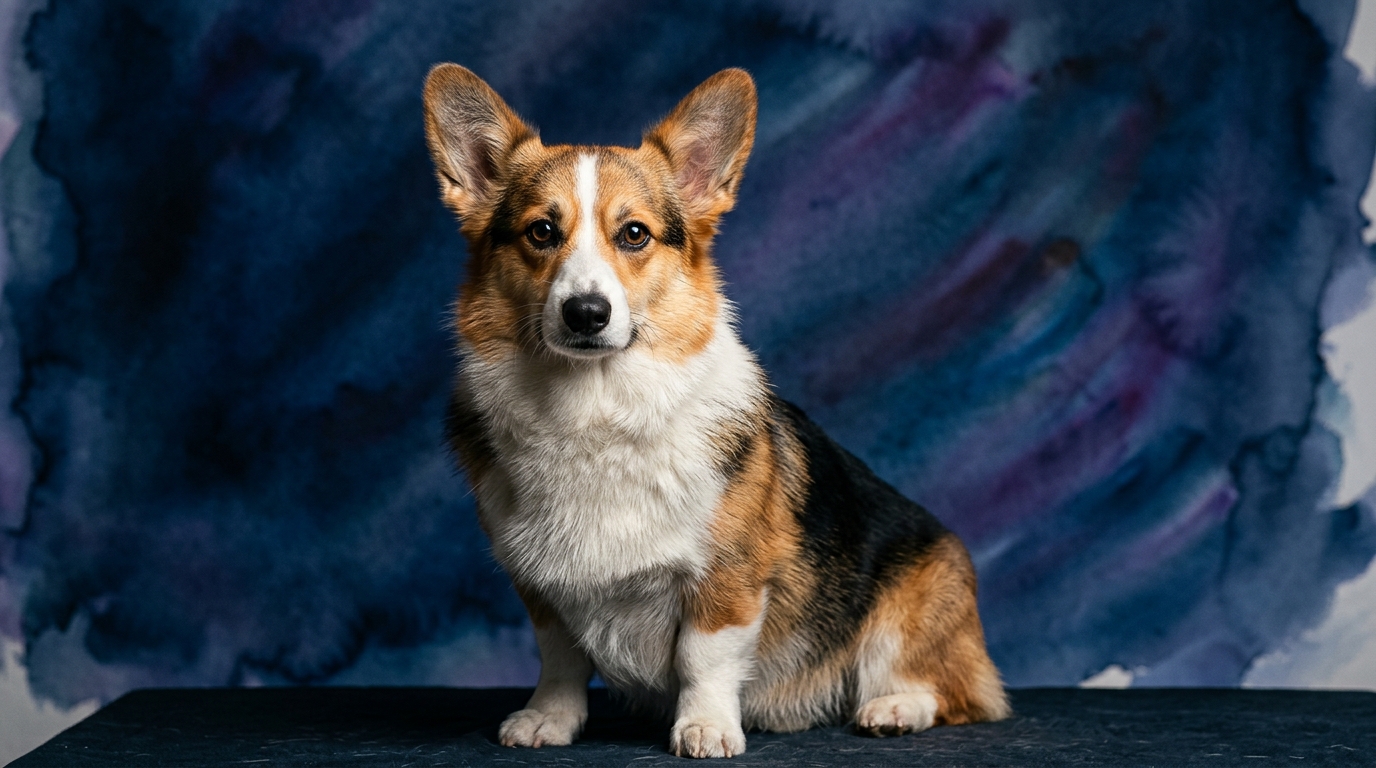
In contrast, the Pembroke Welsh Corgi, Coren rank #11, boasts a strong cognitive profile with 5/5 in Training Speed and Instinctive Drive. Their Problem Solving, Social Intelligence, and Memory each score 4/5. This suggests Corgis are equally quick to learn and driven by their heritage but might approach novel challenges, social cues, or complex recall with a slightly different cognitive processing style than their German Shepherd counterparts.
Where the German Shepherd Wins Cognitively
The German Shepherd's cognitive edge is most apparent in its superior Problem Solving, Social Intelligence, and Memory, all rated 5/5. Their Problem Solving ability allows them to independently analyze complex situations, such as figuring out how to open a tricky latch or navigate an unfamiliar obstacle course with minimal human intervention. This isn't just about brute force but a thoughtful assessment of variables and strategic execution.
Their perfect Social Intelligence means they possess an unparalleled capacity to read subtle human body language, tone, and even unspoken intentions, making them exceptionally attuned partners in tasks requiring close communication or detecting emotional shifts. This enables them to anticipate needs or respond appropriately to nuanced commands. Furthermore, their 5/5 Memory contributes to their remarkable ability to master and retain extensive repertoires of commands, intricate routines, and multi-step tasks over very long durations, making them ideal for demanding roles like service work or advanced obedience. This sustained recall reduces the need for frequent refreshers on established behaviors.
Where the Pembroke Welsh Corgi Shines Cognitively
While the German Shepherd holds an edge in certain dimensions, the Pembroke Welsh Corgi's cognitive strengths are equally compelling, particularly in their 5/5 Training Speed and Instinctive Drive. A perfect Training Speed score means Corgis absorb new commands and routines with impressive alacrity, matching the German Shepherd's pace in initial learning. This makes them remarkably responsive to positive reinforcement and eager to pick up new tricks or obedience cues swiftly.
Their 5/5 Instinctive Drive, rooted in their history of herding cattle by nipping at heels, translates into tenacious determination and a powerful work ethic. This drive means they are highly motivated by tasks that tap into their innate instincts, such as agility, herding games, or even structured play, maintaining focus and enthusiasm. While their Problem Solving, Social Intelligence, and Memory are rated 4/5, these are still strong scores; a Corgi will still figure things out, understand social cues, and remember what they've learned, just perhaps requiring a slightly more direct approach or a bit more repetition for the most intricate or abstract concepts. Their compact size and agility also give them a practical advantage in navigating tighter spaces during tasks, a cognitive-physical synergy.
Which is Easier to Train and Why
Both breeds achieve a 5/5 score in Training Speed, indicating that both the German Shepherd and the Pembroke Welsh Corgi are remarkably quick to grasp new commands and routines. However, the type of training and the depth of understanding required can highlight subtle differences. The German Shepherd’s perfect scores in Problem Solving, Social Intelligence, and Memory mean they are not only quick to learn but also excel at applying those learned skills in novel situations, understanding the underlying intent of a command, and retaining complex sequences over long periods. This allows them for advanced, multi-stage training protocols, where they can independently troubleshoot and adapt. For instance, a GSD might be taught a series of commands to retrieve a specific item from another room, navigating obstacles and making choices along the way, and reliably recall this sequence months later.
The Pembroke Welsh Corgi, with its 5/5 Training Speed, is equally adept at learning new behaviors rapidly. Their 4/5 scores in Problem Solving, Social Intelligence, and Memory suggest they might require more consistent repetition for highly complex or abstract commands, or may not generalize learned behaviors to entirely new contexts as readily as a GSD without additional specific training. For example, while a Corgi will quickly learn "sit" or "stay," teaching them an intricate sequence of actions requiring independent judgment might demand more structured guidance. Their powerful 5/5 Instinctive Drive, however, makes them highly motivated by tasks that engage their herding nature, making training sessions focused on movement, control, and object manipulation particularly effective and enjoyable for them. Therefore, while both are easy to train in terms of speed, the German Shepherd is arguably easier for complex, independent problem-solving tasks due to its higher cognitive depth in those specific areas, whereas the Corgi excels in rapid acquisition of specific commands and tasks leveraging their strong drive.
Which Suits Active Owners vs. Relaxed Owners
Understanding the cognitive profiles of these breeds reveals distinct suitability for different owner lifestyles. The German Shepherd, with perfect scores across all five dimensions, thrives with active, engaged owners who can provide consistent mental and physical stimulation. Their exceptional Problem Solving and Memory demand outlets for complex challenges, such as advanced obedience, protection work, search and rescue, or competitive dog sports. A GSD requires an owner willing to invest significant time in structured training, brain games, and activities that tap into their profound social intelligence and strong instinctive drive. Failing to provide this level of engagement can lead to boredom and potentially destructive behaviors. They are not content to be merely companions; they aspire to be partners in purposeful activity.
The Pembroke Welsh Corgi, while physically smaller, is by no means suited for a purely relaxed owner. Their 5/5 Training Speed and 5/5 Instinctive Drive indicate a dog that learns quickly and possesses a strong desire for activity and purpose. They require regular exercise and mental engagement, excelling in activities like agility, rally obedience, or even urban herding games that channel their innate instincts. Owners seeking a quick-witted companion for various activities will find a Corgi highly rewarding, but they must be prepared to provide consistent training and opportunities for mental enrichment. While they might not demand the sheer intensity of complex problem-solving that a GSD does, their herding drive means they need an outlet for their energy and quick mind. A relaxed owner who expects a couch potato will quickly discover a Corgi’s determined personality and need for engagement.
The Verdict
Choose a German Shepherd if you are an experienced, active owner seeking a profoundly capable working partner for demanding roles, advanced training, and intricate problem-solving tasks, valuing their deep social intelligence and unparalleled memory.
Opt for a Pembroke Welsh Corgi if you desire a quick-learning, tenacious companion for varied activities and sports, appreciating their strong instinctive drive and willingness to engage, even if their cognitive needs are slightly less intense than a German Shepherd's.
🧠 Find Your Pet's IQ Score
Our Pet IQ Lab assessment covers 25+ tests across 5 cognitive dimensions — personalized to your breed.
Take the Full IQ Test →Frequently Asked Questions
Do German Shepherds and Corgis require similar amounts of exercise?
While both are working breeds, a German Shepherd typically requires more intense and prolonged physical exercise combined with complex mental challenges due to their larger size and higher cognitive demands. Corgis need consistent daily exercise and mental stimulation, but their smaller stature means their physical output, while significant, is generally less than a GSD's.
Can a Corgi perform complex tasks like a German Shepherd?
Corgis can learn a wide array of complex tasks due to their 5/5 training speed and strong drive, but a German Shepherd's 5/5 problem-solving and memory give them an edge in independently figuring out novel, multi-step challenges and retaining intricate sequences over long periods. Corgis might require more specific guidance for highly abstract or self-initiated problem-solving scenarios.
How does "Instinctive Drive" impact training for these breeds?
Both breeds score 5/5 in Instinctive Drive, meaning they possess a powerful innate motivation to perform tasks related to their herding heritage. For German Shepherds, this translates into a drive for protection, obedience, and partnership, while for Corgis, it fuels their determination in herding-related activities and and their quick responsiveness to commands. Harnessing this drive is key to successful training for both.