
Side-by-Side Cognitive Profile
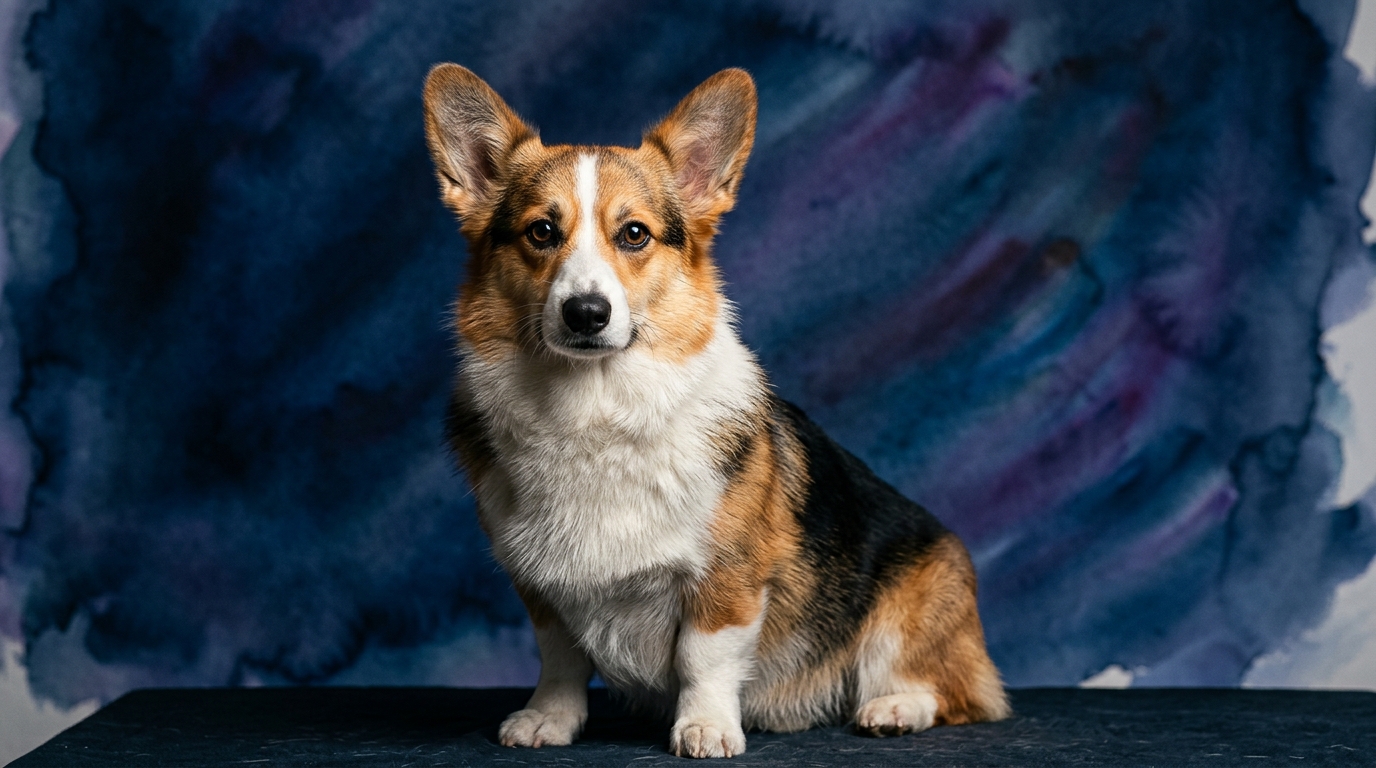
The Pembroke Welsh Corgi, a compact dynamo, showcases an impressive cognitive toolkit, securing a Coren rank of #11 among working and obedience breeds. Its Problem Solving capabilities stand at 4/5, indicating a resourceful mind adept at navigating challenges, often finding creative solutions to reach desired outcomes. Training Speed is a remarkable 5/5, highlighting their eagerness and rapid assimilation of new commands and routines, making them a joy for experienced trainers. Social Intelligence is rated 4/5, reflecting their keen awareness of human emotions and social dynamics, sometimes using this understanding to their advantage. An Instinctive Drive of 5/5 underscores their strong herding heritage, manifesting as a need for purpose and activity, while their Memory at 4/5 ensures they retain lessons and experiences effectively.
In contrast, the Dogue de Bordeaux, a majestic and powerful working breed, presents a different cognitive landscape, without a specific Coren ranking. Their Problem Solving score is 3/5, suggesting they are capable of tackling issues but may approach them with a more deliberate, thoughtful pace, potentially requiring more guidance in complex scenarios. Training Speed also registers at 3/5, indicating a moderate learning curve where patience and consistent, positive reinforcement are key to success. Social Intelligence stands at 3/5, showing they can interpret basic cues but might be more reserved or less overtly expressive in social interactions, often developing deep, quiet bonds with their immediate family. An Instinctive Drive of 3/5 points to a more moderate internal motivation, often centered around guarding and companionship rather than intense physical activity, and their Memory at 3/5 means they retain information reliably, though perhaps not with the immediate recall of a Corgi.
Where the Pembroke Welsh Corgi Excels Cognitively
The Pembroke Welsh Corgi distinctly outshines the Dogue de Bordeaux in several cognitive domains, primarily in sheer Training Speed. With a perfect 5/5, Corgis absorb new commands and routines with remarkable alacrity, often mastering complex sequences in fewer repetitions than many other breeds. This rapid learning curve makes them exceptionally rewarding for owners interested in advanced obedience, dog sports like agility, or even trick training, as their eagerness to engage and quick comprehension minimize frustration during the learning process. Their innate desire to work and please, a hallmark of their Herding group classification, fuels this impressive training efficacy.
Furthermore, the Corgi's Problem Solving ability, rated at 4/5, indicates a more proactive and resourceful approach to challenges. They are more likely to independently devise strategies to achieve goals, whether it's figuring out how to open a cabinet or navigate a complex obstacle course. This cognitive agility, combined with their 5/5 Instinctive Drive, means Corgis thrive on mental stimulation and tasks that tap into their herding heritage, such as 'fetch' games requiring precise retrieval or puzzle toys that demand strategic manipulation. Their strong memory (4/5) ensures these learned solutions and behaviors are retained over time, contributing to their reputation as a highly trainable and adaptable companion.
Where the Dogue de Bordeaux Shines Cognitively
While the Dogue de Bordeaux's cognitive scores might appear lower across the board, their unique profile translates into distinct advantages for specific lifestyles. Their more moderate Instinctive Drive (3/5) is a significant 'win' for owners seeking a calm, steadfast companion rather than a perpetually active one. Unlike the Corgi's intense herding drive, the Dogue's drive is often channeled into quiet guardianship and deep companionship, meaning they are less prone to restless energy or the constant need for high-intensity mental and physical tasks. This makes them exceptionally suited to a more relaxed household rhythm, providing a serene, grounding presence.
The Dogue de Bordeaux's Social Intelligence, rated 3/5, also presents a different kind of strength. While they might not be as outwardly expressive or as quick to engage with every new person as a Corgi, their social interactions are often characterized by a discerning and reserved nature. They form profound, unwavering bonds with their immediate family, exhibiting a quiet devotion and loyalty that is a hallmark of their breed. Their more deliberate approach to Problem Solving and Training Speed (both 3/5) means that once a Dogue de Bordeaux grasps a concept or routine, it is often deeply ingrained and consistently followed, demonstrating a reliable steadfastness that is highly valued in a companion, especially in a guardian role.
Training Aptitude: Which is Easier to Train?
When assessing ease of training, the Pembroke Welsh Corgi generally emerges as the more straightforward student. Their remarkable 5/5 Training Speed means they assimilate new commands and behaviors with impressive rapidity, often requiring fewer repetitions than the Dogue de Bordeaux. This eagerness to learn, coupled with their 4/5 Problem Solving ability, allows them to quickly grasp the nuances of tasks and respond promptly to cues. Their strong instinctive drive (5/5) means they thrive on having a 'job' and are highly motivated by engagement, making positive reinforcement techniques particularly effective in shaping their behaviors. Corgis are adept at adapting to various training methodologies, making them a popular choice for competitive dog sports.
The Dogue de Bordeaux, with a Training Speed of 3/5, requires a different approach to training—one marked by patience, consistency, and a deep understanding of their deliberate nature. They are not inherently difficult to train, but they are not as quick to pick up new concepts as the Corgi and may need more consistent repetition to solidify lessons. Their more moderate instinctive drive (3/5) means that motivation needs to be carefully cultivated, often relying on strong bond-building and clear, calm instruction rather than high-energy engagement. While the Corgi might offer quick, enthusiastic responses, the Dogue offers a thoughtful, steady compliance once they fully comprehend what is asked of them, demonstrating a reliable, deep-seated understanding rather than a superficial learned reaction.
Matching Breeds to Owner Lifestyles
For owners who lead an active lifestyle and seek a canine partner to match their energy, the Pembroke Welsh Corgi is often the more suitable choice. Their robust 5/5 Instinctive Drive translates into a need for consistent physical activity and mental engagement. Corgis thrive on daily walks, interactive play sessions, and opportunities to channel their herding instincts through activities like agility, obedience trials, or even simply vigorous games of fetch. Without adequate outlets for their sharp minds and energetic bodies, Corgis can become bored and resort to less desirable behaviors, such as excessive barking or destructive chewing. They are companions who demand interaction and thrive on being part of an owner's dynamic routine.
Conversely, the Dogue de Bordeaux is a better fit for more relaxed owners who appreciate a calm, steadfast presence in their home. With a moderate Instinctive Drive of 3/5, they are generally content with a more leisurely pace of life, enjoying moderate daily walks and quiet companionship. While they still require regular exercise to maintain their health and physique, their needs are far less intense than those of a Corgi. A Dogue de Bordeaux will often be found lounging contentedly by their owner's side, observing their surroundings with a watchful eye. They are deeply loyal and derive satisfaction from simply being near their family, making them excellent companions for those who prefer a less demanding, more tranquil canine presence.
The Verdict
Choose a Pembroke Welsh Corgi if you desire a quick-witted, highly trainable companion eager for mental challenges and daily adventures, thriving on active participation in your life. Their sharp cognitive abilities and enthusiastic nature make them ideal for owners committed to consistent engagement and training.
Opt for a Dogue de Bordeaux if you seek a calm, deeply loyal, and steadfast companion who thrives on quiet companionship and a more relaxed pace, appreciating consistent routines and a patient, loving approach to training. Their profound devotion and tranquil presence enrich a serene home environment.
🧠 Find Your Pet's IQ Score
Our Pet IQ Lab assessment covers 25+ tests across 5 cognitive dimensions — personalized to your breed.
Take the Full IQ Test →Frequently Asked Questions
Are Pembroke Welsh Corgis good problem solvers?
Yes, Pembroke Welsh Corgis exhibit strong problem-solving skills, rated 4/5. They are resourceful and can often independently figure out ways to achieve their goals, whether it's navigating complex spaces or manipulating objects to get what they want. This cognitive agility makes them engaging and sometimes cunning companions.
How does the Dogue de Bordeaux's social intelligence compare?
The Dogue de Bordeaux's social intelligence is rated 3/5. While they understand basic social cues, they tend to be more reserved and discerning in their interactions compared to the more overtly social Corgi. They form deep, unwavering bonds with their family but can be aloof or wary with strangers, valuing quiet devotion over broad sociability.
Which breed requires more mental stimulation?
The Pembroke Welsh Corgi, with an Instinctive Drive of 5/5 and high problem-solving abilities, generally requires significantly more mental stimulation than the Dogue de Bordeaux. Their active minds need regular challenges through training, puzzle toys, and interactive games to prevent boredom and potential behavioral issues. The Dogue de Bordeaux's moderate drive means less intense mental engagement is typically sufficient.