Side-by-Side IQ Profile
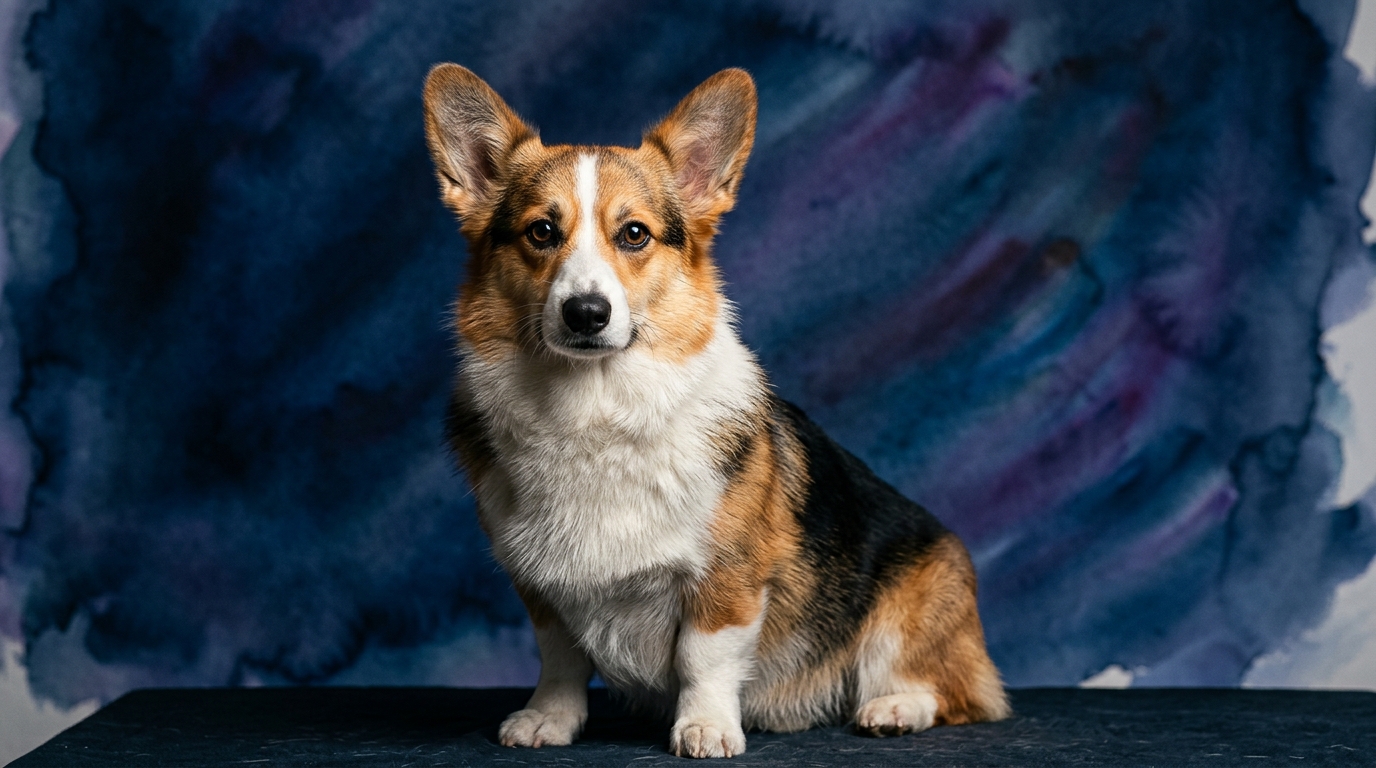
The Pembroke Welsh Corgi, recognized with a Coren rank of #11, demonstrates a robust cognitive makeup honed for independent decision-making and rapid learning. Their Problem Solving is rated 4/5, reflecting a capacity for devising clever solutions to environmental challenges. Training Speed is a standout at 5/5, indicating an exceptional ability to quickly grasp and retain new commands. Social Intelligence, at 4/5, shows they are adept at reading human cues and adapting to social dynamics, though their assertive personalities are always present. An Instinctive Drive of 5/5 underscores their powerful desire to herd and organize, manifesting as persistent focus. Finally, their Memory at 4/5 ensures consistent performance and recall of complex routines.
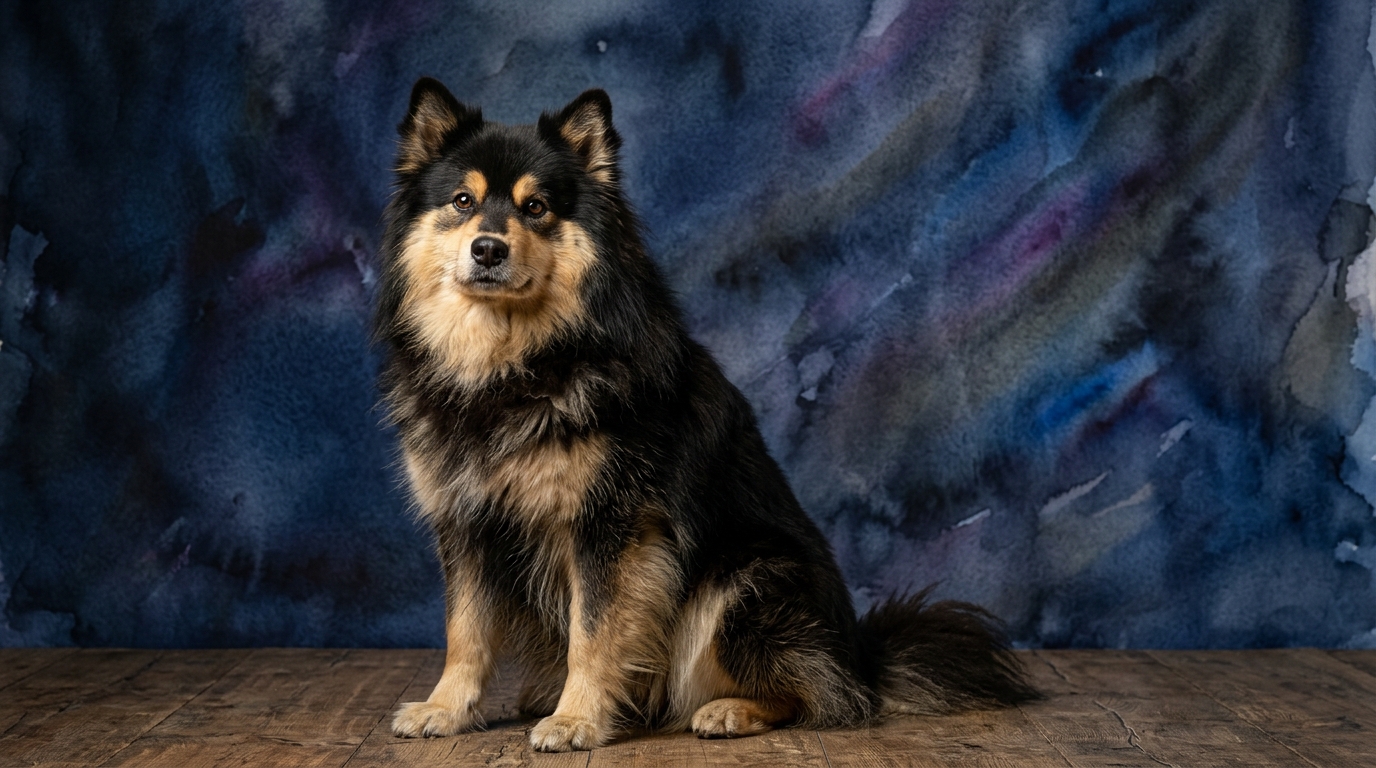
The Finnish Lapphund, while not Coren-ranked, presents a unique cognitive profile shaped by centuries of collaborative work with Sámi reindeer herders. Their Problem Solving is rated 3/5, suggesting a thoughtful approach to challenges that often benefits from human partnership. Training Speed is 3/5, indicating they are willing learners who thrive on consistent, positive reinforcement over rapid-fire instruction. Social Intelligence also stands at 3/5, reflecting a deep, nuanced understanding of their immediate family, often expressed through quiet attentiveness. An Instinctive Drive of 3/5 points to a gentler herding style focused on gathering and protection rather than forceful direction. Their Memory, also 3/5, is reliable for familiar routines and commands, fostering consistency within established structures.
Where Pembroke Welsh Corgi Wins Cognitively
The Pembroke Welsh Corgi's cognitive strengths shine brightest in areas demanding quick uptake and independent action. With a Training Speed of 5/5, they demonstrate a remarkable ability to grasp new concepts and commands with minimal repetition, making them highly efficient learners in formal training settings. Their Problem Solving score of 4/5, coupled with an Instinctive Drive of 5/5, equips them to not just follow instructions but also to improvise and adapt when faced with novel situations, a trait honed by their history of independently moving cattle. This means a Corgi is more likely to figure out how to open a childproof gate or retrieve a dropped toy from an awkward spot without direct human intervention, driven by their inherent persistence and cunning. Their Memory (4/5) further solidifies this, allowing them to recall complex sequences of behaviors and routines over long periods, making them consistent performers once a task is mastered.
Where Finnish Lapphund Wins Cognitively
While the Finnish Lapphund's IQ scores are generally moderate, their cognitive profile reveals strengths rooted in their unique partnership with Sámi reindeer herders. Their Social Intelligence (3/5) is characterized by a deep, nuanced understanding of their immediate family, fostering strong, reciprocal bonds. While not as overtly demonstrative as some breeds, Lapphunds often display a quiet perceptiveness, reading subtle cues from their owners and responding with gentle attentiveness. Their Instinctive Drive (3/5) is less about forceful control and more about collaboration and protective oversight, allowing them to maintain a calm vigilance over their 'flock' (family) without being overly pushy. This translates to a dog that, while perhaps slower to learn a trick, will often show greater discernment in social situations, distinguishing between playful roughhousing and genuine distress, and responding appropriately with a thoughtful, measured approach. Their temperament encourages a cognitive style that prioritizes harmony and cooperation over assertive independence.
Which Is Easier to Train and Why
The Pembroke Welsh Corgi is generally easier to train, primarily due to its exceptional Training Speed (5/5) and potent Instinctive Drive (5/5). Corgis possess a strong desire to engage with their human companions and a keen understanding of cause and effect, allowing them to quickly associate commands with actions and rewards. Their inherent drive to herd translates into a focused, persistent nature during training sessions, where they are eager to please and perform. For instance, a Corgi will likely master "sit" and "stay" in fewer repetitions and generalize these commands across various environments more readily than a Lapphund. The Finnish Lapphund, with a Training Speed of 3/5, requires more patience and consistent repetition. While they are willing partners, their learning pace is more deliberate, and they respond best to positive, gentle methods that build trust rather than demanding immediate compliance. A Lapphund might take longer to internalize a new command, but once learned through consistent, positive reinforcement, it becomes deeply ingrained.
Which Suits Active Owners vs. Relaxed Owners
For active owners seeking a canine companion that thrives on mental and physical engagement, the Pembroke Welsh Corgi is a fitting choice. Their high Instinctive Drive (5/5) and Problem Solving (4/5) mean they require regular activities that challenge their minds and bodies, such as agility, herding trials, or complex puzzle toys. A Corgi without sufficient engagement can become bored and channel its boundless energy into less desirable behaviors, like excessive barking or 'herding' children. Relaxed owners, or those seeking a companion with a more moderate energy expenditure, might find the Finnish Lapphund a better match. While still requiring daily walks and mental stimulation, their Instinctive Drive (3/5) is less intense, and their Problem Solving (3/5) and Training Speed (3/5) suggest a temperament that appreciates routine and a calmer pace. Lapphunds are content with moderate exercise and enjoy being close to their family, often happy to observe and participate in gentle activities rather than constantly seeking high-octane engagement.
The Verdict
Choose the Pembroke Welsh Corgi if you seek a quick-witted, highly trainable companion eager to engage in complex learning and problem-solving activities, thriving on consistent mental and physical challenges.
Opt for the Finnish Lapphund if you value a thoughtful, devoted companion that builds deep bonds and prefers a more relaxed pace, offering gentle companionship and moderate engagement.
🧠 Find Your Pet's IQ Score
Our Pet IQ Lab assessment covers 25+ tests across 5 cognitive dimensions — personalized to your breed.
Take the Full IQ Test →Frequently Asked Questions
Are Pembroke Welsh Corgis prone to independent thinking?
Yes, with a Problem Solving score of 4/5 and an Instinctive Drive of 5/5, Corgis are quite capable of independent thought. They were historically bred to make decisions about livestock movement on their own, which translates into a dog that can be resourceful and occasionally headstrong in modern homes. This independent streak requires consistent training and boundaries.
How does the Finnish Lapphund's social intelligence manifest in daily life?
A Finnish Lapphund's Social Intelligence (3/5) often appears as a quiet perceptiveness. They might not be overtly demonstrative but are deeply attuned to their family's moods, offering comfort or space as needed. They form strong, loyal bonds and are generally good at reading social cues within their trusted circle, though they can be reserved with strangers.
Do Corgis and Lapphunds have different approaches to guarding?
Yes, their historical roles influence their guarding tendencies. Corgis, with their high instinctive drive, often alert vocally to perceived threats and may try to 'manage' the situation. Lapphunds, while watchful and protective of their family (Instinctive Drive 3/5), tend to be more reserved in their alerts and less prone to assertive confrontation, often preferring to observe first.