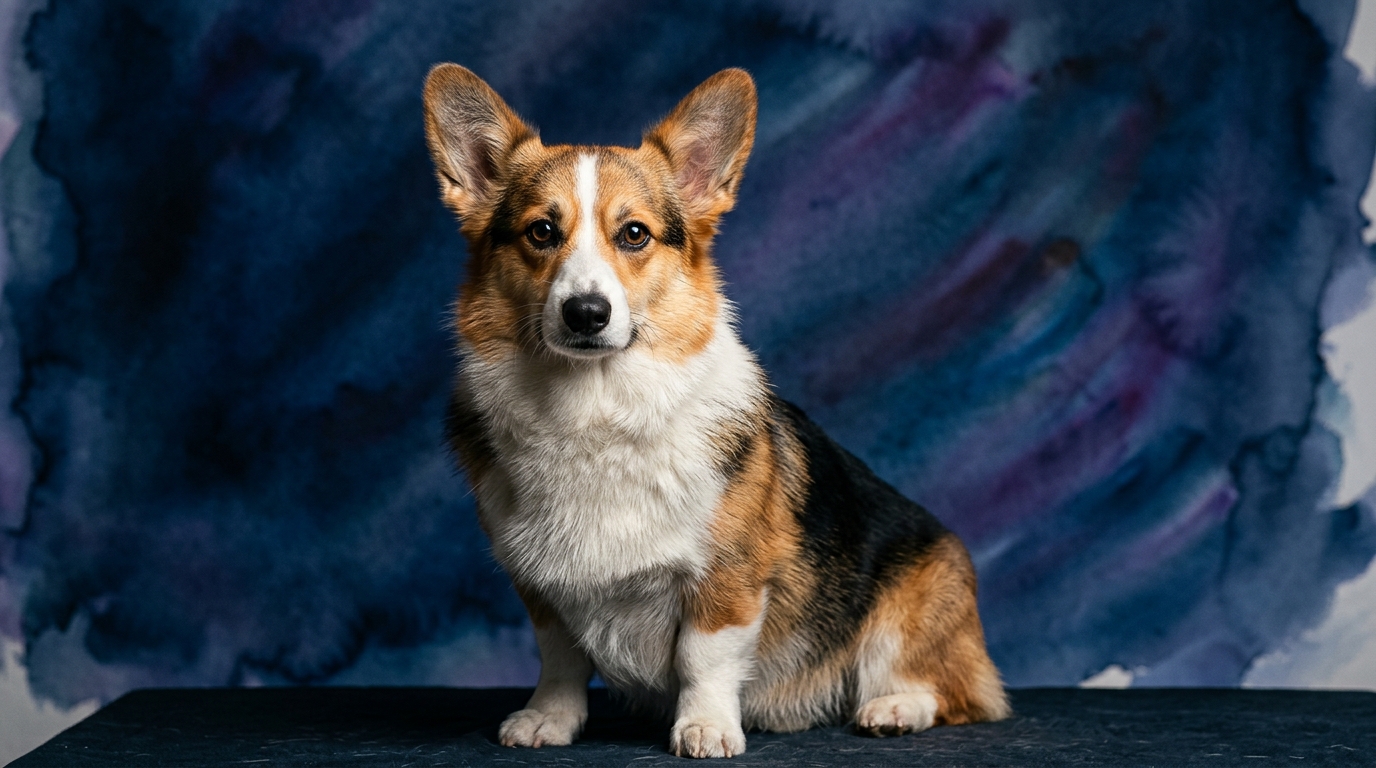
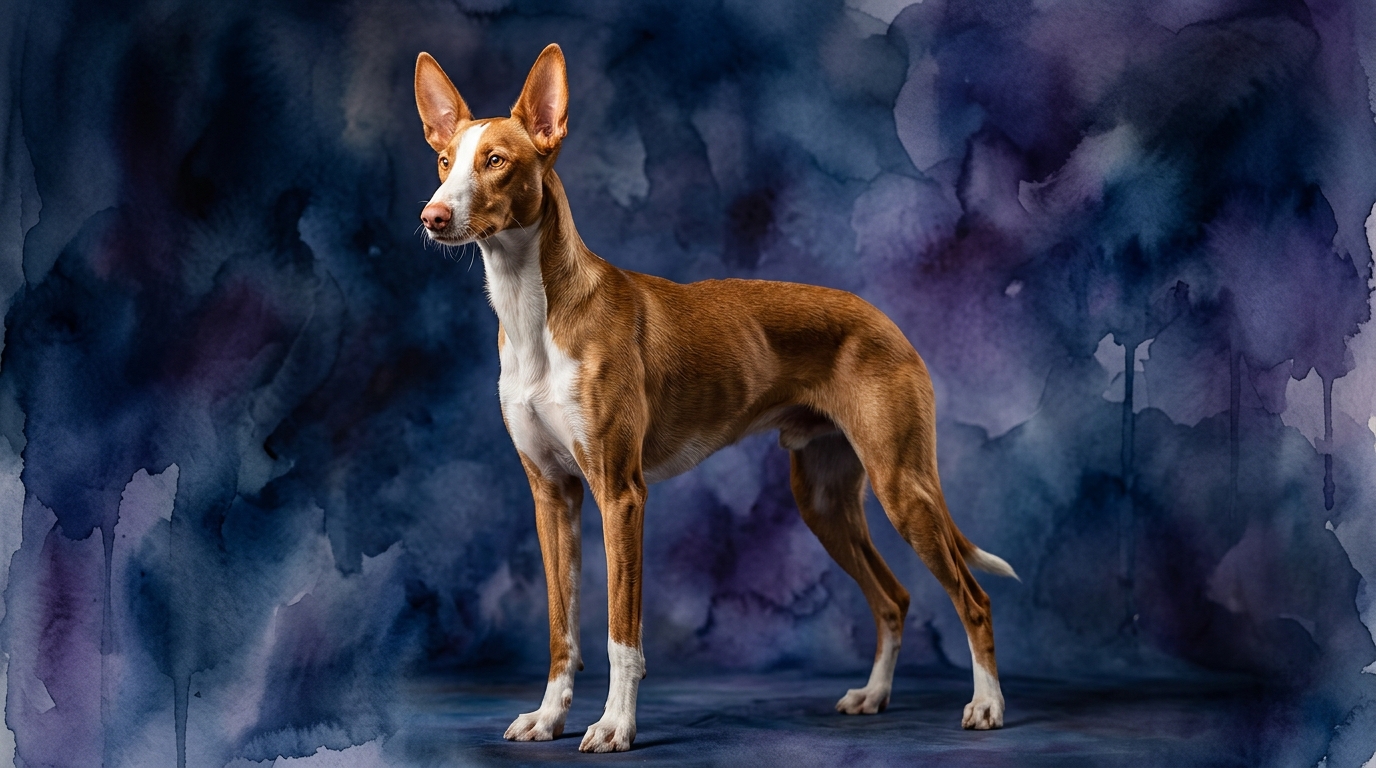
Side-by-Side: Unpacking Their IQ Profiles
The Cosmic Pet Pet IQ Lab offers a granular look into canine intelligence, moving beyond simple 'smart' labels to explore specific cognitive dimensions. For the Pembroke Welsh Corgi, ranked #11 by Coren, and the Ibizan Hound, positioned at #53, these profiles illuminate their unique mental strengths and inclinations.
The Pembroke Welsh Corgi excels in multiple areas, demonstrating a robust cognitive toolkit. Their Problem Solving is rated 4/5, indicating a breed that is adept at navigating complex situations and often finding creative, sometimes mischievous, solutions to achieve their goals. Training Speed is a remarkable 5/5, highlighting their eagerness and rapid assimilation of new commands and routines, a testament to their herding background which requires quick responses to handler cues. Social Intelligence also scores high at 4/5; Corgis are particularly attuned to human emotions and household dynamics, often using this understanding to their advantage. Their Instinctive Drive, rated 5/5, is a powerful force, channeling their inherent desire to control movement and gather, while Memory at 4/5 ensures they retain learned behaviors and experiences, whether positive or negative, with considerable fidelity.
In contrast, the Ibizan Hound presents a different cognitive landscape. Their Problem Solving stands at 3/5, suggesting a practical intelligence geared towards immediate environmental challenges, particularly those related to hunting, rather than abstract puzzles. Training Speed is 3/5, indicating a moderate learning pace that often requires more patience and diverse motivational strategies due to their independent nature. Social Intelligence, also 3/5, reflects their affectionate yet often reserved demeanor; they connect deeply with their families but may not be as overtly expressive or as easily influenced by human social cues as some breeds. The Instinctive Drive at 3/5 is strongly oriented towards their sighthound heritage – focused on visual detection and pursuit of prey, rather than intricate tasks. Finally, their Memory, rated 3/5, is sufficient for daily routines and learned hunting behaviors, but they might not possess the same detailed recall as breeds developed for complex, multi-stage tasks.
Where the Pembroke Welsh Corgi Shines Cognitively
The Pembroke Welsh Corgi's cognitive strengths are particularly evident in areas requiring rapid learning and close cooperation. Their exceptional Training Speed (5/5) means they pick up new commands and intricate sequences with remarkable alacrity, making them prime candidates for obedience, agility, and other dog sports. This quick grasp is tied to their strong Social Intelligence (4/5); they are highly motivated by human interaction and praise, eager to engage in structured learning sessions where they can anticipate and respond to cues.
Furthermore, their Problem Solving (4/5) often manifests as a clever resourcefulness. A Corgi might quickly figure out how to open a cabinet, retrieve a hidden toy, or even manipulate a situation to gain attention or a treat, demonstrating a proactive approach to their environment. This cognitive flexibility, combined with a powerful Instinctive Drive (5/5) that can be channeled into focused tasks, allows Corgis to adapt to diverse training challenges well beyond their original herding duties, from complex trick training to assistance work. Their higher Coren ranking directly reflects this overall adaptability and responsiveness to human direction.
Where the Ibizan Hound Excels Cognitively
While the Corgi thrives on structured learning, the Ibizan Hound's cognitive prowess lies in independent, sensory-driven tasks. Their Instinctive Drive (3/5), though rated lower than the Corgi's, is intensely focused on sight hunting. This translates into an unparalleled ability to detect subtle movements at great distances, process visual information rapidly, and execute swift, sustained pursuit. This keen sensory processing and immediate, decisive action in the field represent a distinct form of problem-solving—identifying and capturing prey—that is highly effective within their specialized domain.
The Ibizan Hound's Problem Solving (3/5) is often practical and self-directed, particularly when it comes to navigating open spaces or overcoming obstacles in pursuit of a visual target. They are less inclined to solve abstract puzzles but are remarkably efficient at tasks relevant to their hunting heritage. Their moderate Social Intelligence (3/5) means they are less prone to anxiety from subtle human emotional fluctuations, allowing them to maintain focus on their independent activities. This independence, while posing challenges in conventional obedience, fosters a unique self-reliance and quiet dignity, allowing them to make swift decisions based on their own assessment of a situation rather than constantly deferring to a handler.
Trainability: Corgi's Eagerness vs. Ibizan's Independence
When it comes to ease of training, the Pembroke Welsh Corgi generally presents a more straightforward path for the average owner. Their Training Speed of 5/5 is a significant advantage; they learn new commands quickly and are eager to please, often performing tasks with enthusiasm. This eagerness stems from their strong social intelligence and inherent desire to engage with and receive feedback from their human companions. Their herding instinct, while sometimes manifesting as nipping at heels, can be effectively channeled into focused tasks, making them highly receptive to direction and structured learning. Corgis thrive on consistent routines and positive reinforcement, quickly building a repertoire of behaviors.
The Ibizan Hound, with a Training Speed of 3/5, requires a different approach. Their independent sighthound nature means they are not inherently driven by a desire to please in the same way a Corgi is. They learn, but often at a moderate pace, and can be easily distracted by visual stimuli, especially in an outdoor environment where their prey drive is constantly engaged. Training an Ibizan Hound demands immense patience, creativity in motivation, and a deep understanding of their independent spirit. Repetitive drills might bore them, making varied, engaging sessions crucial. Owners must accept that an Ibizan Hound might choose to follow a fascinating scent or visual cue over a command, requiring careful management and a focus on building a strong, trust-based relationship rather than expecting immediate, unwavering obedience.
Lifestyle Match: Active Engagement vs. Focused Freedom
Choosing between a Pembroke Welsh Corgi and an Ibizan Hound also involves aligning with their distinct activity and engagement needs. The Corgi, despite its small stature, is not a 'lap dog' in the traditional sense. Their high Instinctive Drive (5/5) and Problem Solving (4/5) demand significant mental engagement. They thrive with owners who enjoy consistent training, puzzle toys, dog sports like agility or herding trials, and daily mental challenges. While they need moderate physical exercise, their cognitive needs are paramount; a bored Corgi can quickly become a destructive or vocal one. They suit active owners who are prepared to dedicate time to structured interaction and mental stimulation, viewing their dog as an active participant in daily life.
The Ibizan Hound offers a different balance of activity. While they possess an incredible need for intense physical activity, primarily sprinting in a secure, large area, they can be remarkably calm and relaxed indoors. Their Instinctive Drive (3/5) is focused on bursts of speed and visual pursuit, not continuous, intricate tasks. They suit active owners who can provide regular, safe opportunities for them to stretch their legs and run freely, such as in a securely fenced yard or a dedicated dog park. However, these owners must also appreciate their independent nature and be content with a companion who might prefer to observe rather than constantly engage in interactive play indoors, offering a relaxed and graceful presence once their exercise needs are met.
The Verdict
Choose a Pembroke Welsh Corgi if you seek a highly interactive, trainable companion eager to participate in structured learning and mental challenges, and you are prepared for consistent engagement.
Opt for an Ibizan Hound if you appreciate an elegant, independent companion who needs ample space for high-speed running, and you value a calm indoor presence after their exercise needs are met.
🧠 Find Your Pet's IQ Score
Our Pet IQ Lab assessment covers 25+ tests across 5 cognitive dimensions — personalized to your breed.
Take the Full IQ Test →Frequently Asked Questions
Are Pembroke Welsh Corgis difficult to train?
No, Corgis are generally considered easy to train due to their high training speed and social intelligence. They are eager to please and respond well to consistent positive reinforcement, quickly grasping new commands and routines.
Do Ibizan Hounds need a lot of exercise?
Ibizan Hounds require significant physical exercise, primarily in the form of high-speed running in a securely fenced area. While they can be calm indoors, daily opportunities to sprint and stretch their long legs are crucial for their well-being.
Which breed is better with children?
Both breeds can be good with children, but their approaches differ. Corgis are often playful and highly interactive, while Ibizan Hounds tend to be gentle and patient, though perhaps less overtly playful. Proper socialization and supervision are key for both.