Side-by-Side IQ Profile: Pembroke Welsh Corgi vs. Italian Greyhound
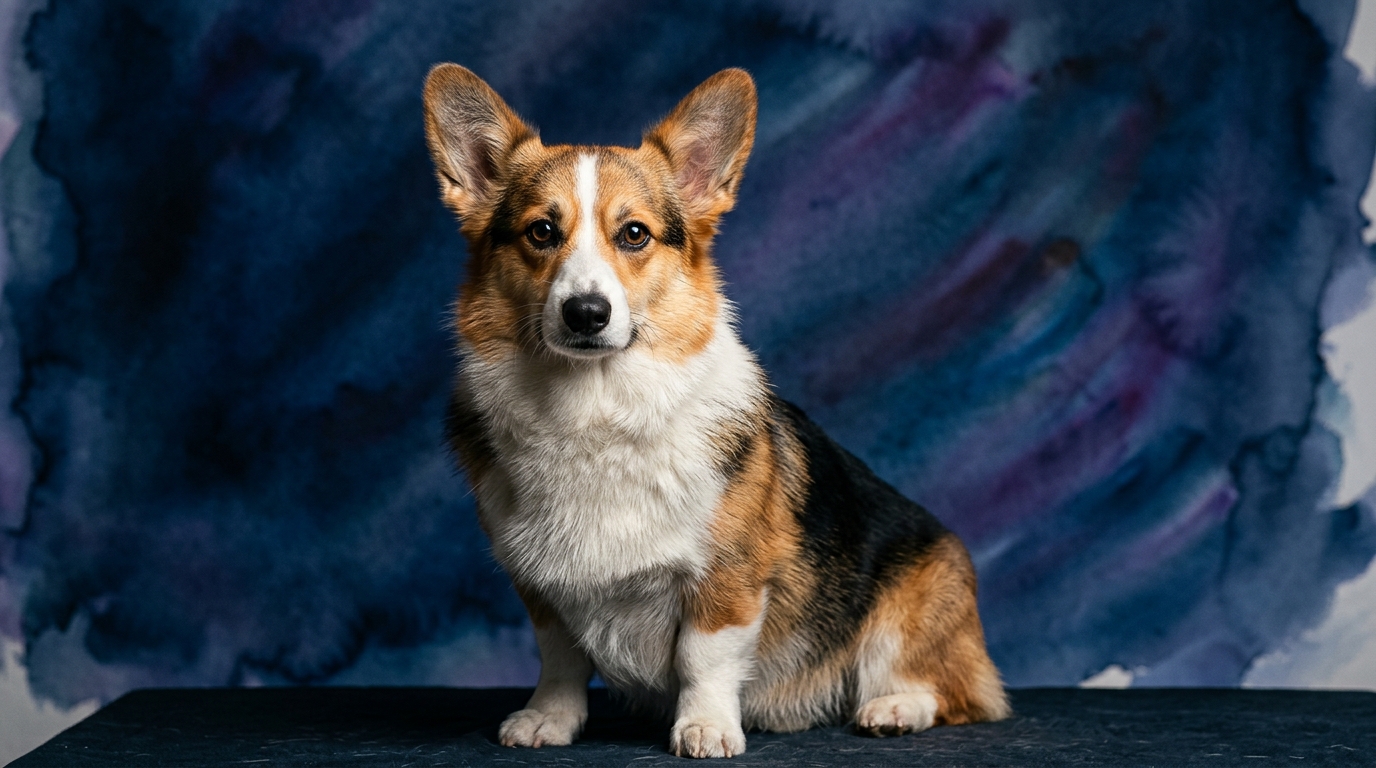
The Pembroke Welsh Corgi, a member of the Herding group and holding a Coren ranking of #11, exhibits a robust cognitive profile. Our Pet IQ Lab scores them high across the board: Problem Solving 4/5, indicating an adeptness at navigating complex environments and figuring out puzzles; Training Speed 5/5, reflecting rapid acquisition of new commands and routines; Social Intelligence 4/5, showing effective reading of human cues and understanding of group dynamics; Instinctive Drive 5/5, signifying a strong inclination for task-oriented work, particularly herding; and Memory 4/5, demonstrating excellent retention of learned information and experiences.
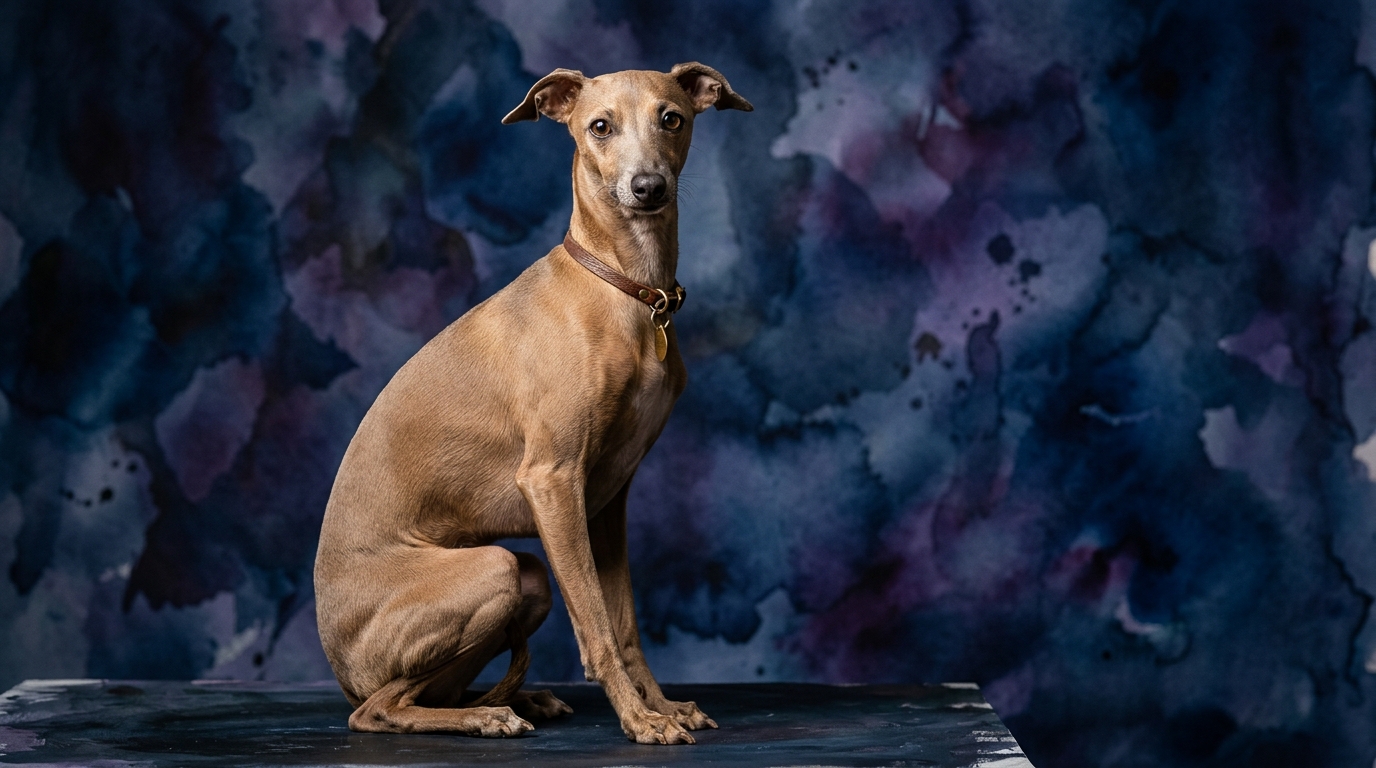
In contrast, the Italian Greyhound, from the Toy group and not Coren-ranked, presents a more moderate cognitive profile. Their scores are consistently 3/5 for all dimensions: Problem Solving 3/5, meaning they can learn routine solutions but may struggle with novel challenges; Training Speed 3/5, suggesting they require consistent, patient training and may take longer to master new skills; Social Intelligence 3/5, indicating they form strong bonds with humans but might be less attuned to subtle social cues in complex groups; Instinctive Drive 3/5, meaning they possess less inherent drive for complex work tasks, being more inclined towards companionship and comfort; and Memory 3/5, showing retention of familiar routines and experiences, but perhaps with less detailed recall than higher-scoring breeds.
Where the Pembroke Welsh Corgi Excels Cognitively
The Pembroke Welsh Corgi's cognitive strengths are evident in several key areas. Their 4/5 score in Problem Solving means they often excel at figuring out how to achieve desired outcomes or navigate obstacles, manifesting in creative solutions like opening cabinets or retrieving hidden items. This intellectual curiosity and capacity for strategic thought are hallmarks of their breed.
A remarkable 5/5 in Training Speed highlights their exceptional ability to absorb new commands and behaviors with impressive alacrity, making them exceptionally quick learners for obedience, tricks, or even advanced canine sports. Complementing this is their 5/5 Instinctive Drive, a powerful asset that fuels their persistence in tasks. While historically bred for herding, this drive translates into a strong desire to engage with structured activities and a focused determination to complete them within a family setting.
Furthermore, their 4/5 Memory ensures they retain complex sequences and past experiences effectively, allowing them to build upon previous training and adapt strategies over time. This robust memory contributes to their consistent performance and ability to learn intricate routines.
Unique Cognitive Advantages of the Italian Greyhound
While the Italian Greyhound's scores are generally lower, their cognitive profile offers distinct advantages for specific lifestyles. Their Social Intelligence, rated at 3/5, is often finely tuned to human companionship rather than complex group dynamics. This translates into a focused, sensitive bond with their primary caregivers, making them deeply attuned to individual human emotions and routines. This particular type of intelligence fosters an intimate relationship, often leading to them being described as 'velcro dogs' that thrive on close personal connection, where their mental resources are primarily dedicated to their human family.
The Italian Greyhound's 3/5 Instinctive Drive, while lower than the Corgi's, can be a significant benefit for owners seeking a companion less inclined towards constant 'work' or independent problem-solving that might lead to mischief. This means they are generally content with less structured activity and are less likely to develop compulsive behaviors stemming from an unfulfilled need to perform a job, making them a more relaxed presence in the home.
Their cognitive makeup, particularly their problem-solving and drive scores, suggests they are less prone to boredom-induced destructive behaviors in a calm, predictable home environment. They are often content to observe and be present, rather than constantly seeking out mental challenges to conquer, making them well-suited to a tranquil household where their specific type of intelligence for quiet companionship can flourish.
Training Dynamics: Which Breed is Easier to Guide?
The Pembroke Welsh Corgi generally presents an easier and more rewarding training experience due to its superior scores in Training Speed (5/5) and Problem Solving (4/5). Corgis quickly grasp new concepts and commands, often requiring fewer repetitions to achieve mastery. Their strong instinctive drive (5/5) means they are typically eager to engage in structured activities and find satisfaction in completing tasks, making them highly receptive to positive reinforcement methods and more likely to maintain focus during training sessions. They are often motivated by food or toys and thrive on the mental stimulation that consistent training provides, readily channeling their herding instincts into learning and cooperation.
The Italian Greyhound, with a consistent 3/5 across these cognitive categories, will require a more patient and persistent approach from their owners. Their training speed is moderate, meaning new commands may take longer to embed, and their problem-solving ability is less geared towards figuring out complex tasks independently. Their lower instinctive drive means they might not possess the same inherent enthusiasm for structured training sessions or might become bored more easily if the training isn't engaging and varied. Owners will need to utilize high-value rewards, keep sessions short and fun, and be prepared for more consistent repetition, especially when it comes to concepts like house-training or reliable recall, where their independent sighthound nature might surface, requiring extra dedication to build strong associations and motivation.
Matching Cognitive Profiles to Owner Lifestyles
For active owners seeking a canine partner for sports, advanced obedience, or a variety of engaging activities, the Pembroke Welsh Corgi is an exceptional match. Their high scores in problem-solving, training speed, instinctive drive, and memory mean they thrive on consistent mental and physical challenges, from agility and herding trials to complex trick training. They require consistent engagement and can become bored or mischievous if their sharp minds and energetic bodies are not adequately stimulated, making them ideal for individuals who enjoy an interactive, hands-on lifestyle and are prepared to provide plenty of enrichment and structure.
Conversely, the Italian Greyhound is better suited for more relaxed owners who appreciate a gentle, affectionate companion often content with moderate exercise and a comfortable home environment. Their cognitive profile, with 3/5 across the board, indicates they are less demanding in terms of constant mental stimulation or rigorous task-oriented work. While they enjoy play and walks, they are often equally happy to cuddle on the sofa, making them a good fit for individuals or families with a quieter routine who can provide consistent affection and a secure, predictable setting without the need for extensive training regimens or complex activities. Their sensitivity and preference for companionship align well with owners who value deep, personal bonds over high-energy pursuits, appreciating a dog whose cognitive focus is primarily on intimate connection.
The Verdict
Choose a Pembroke Welsh Corgi if you seek an active, highly trainable companion eager to engage in complex activities, learn quickly, and participate fully in a dynamic household. Their sharp wits and strong drive make them excellent partners for dog sports, advanced obedience, or any owner ready to provide consistent mental and physical challenges.
Opt for an Italian Greyhound if you desire a sensitive, affectionate companion who thrives on close personal connection and a calmer, predictable home environment, without the need for intensive training or constant mental stimulation. They are well-suited to owners who value a gentle presence and a deep bond over high-energy pursuits.
🧠 Find Your Pet's IQ Score
Our Pet IQ Lab assessment covers 25+ tests across 5 cognitive dimensions — personalized to your breed.
Take the Full IQ Test →Frequently Asked Questions
Do Pembroke Welsh Corgis require a lot of mental stimulation?
Yes, Corgis, with their high problem-solving and instinctive drive, benefit greatly from consistent mental challenges like puzzle toys, training sessions, and interactive games to prevent boredom and channel their intelligence constructively. They thrive on having their minds engaged regularly.
Are Italian Greyhounds difficult to train for basic commands?
While not 'difficult,' Italian Greyhounds require more patience and consistent, positive reinforcement compared to faster-learning breeds; their moderate training speed means owners should be prepared for more repetition and engaging methods to achieve mastery. They respond best to gentle, reward-based approaches.
Which breed is more prone to behavioral issues if not mentally stimulated?
Given their high instinctive drive and problem-solving abilities, Pembroke Welsh Corgis are generally more prone to developing undesirable behaviors like excessive barking or destructive chewing if their cognitive needs are not met through regular engagement and challenging activities. Their active minds require an outlet.