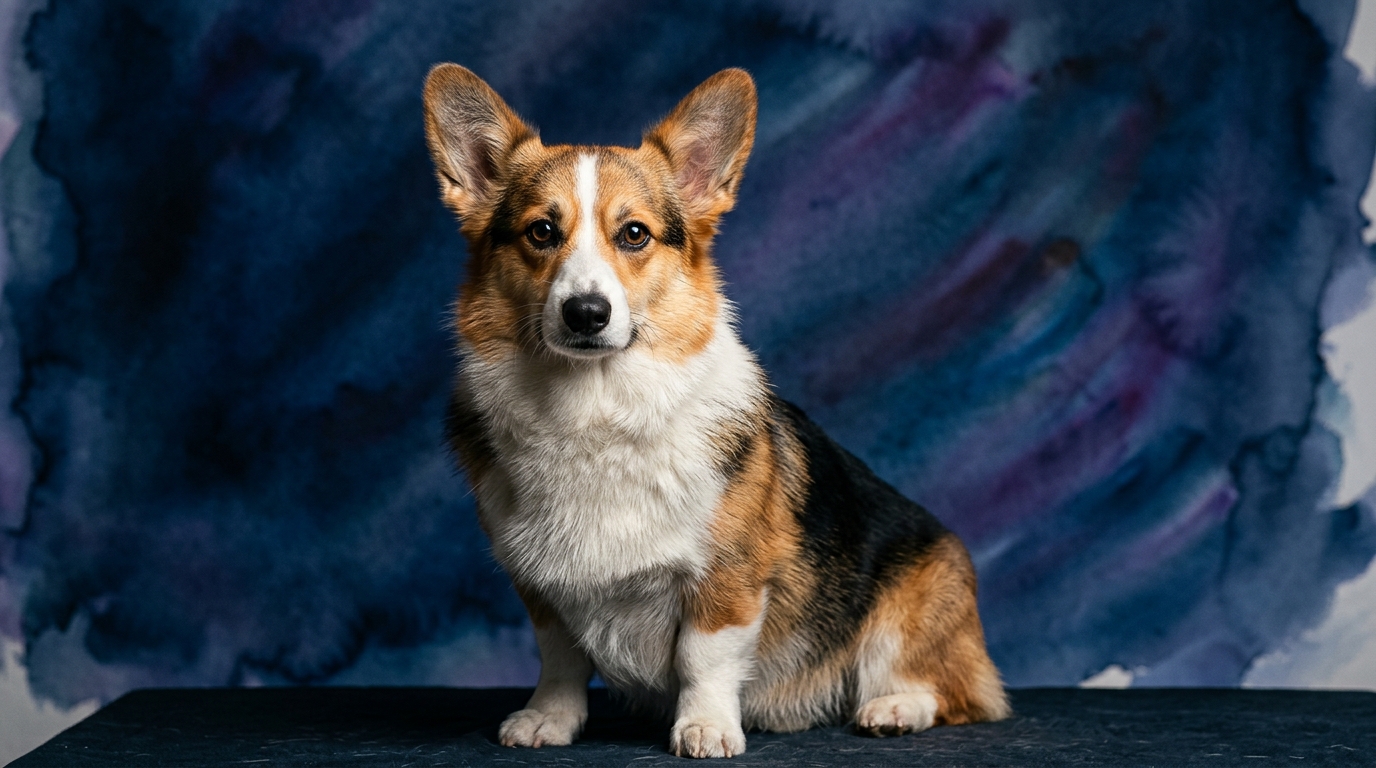
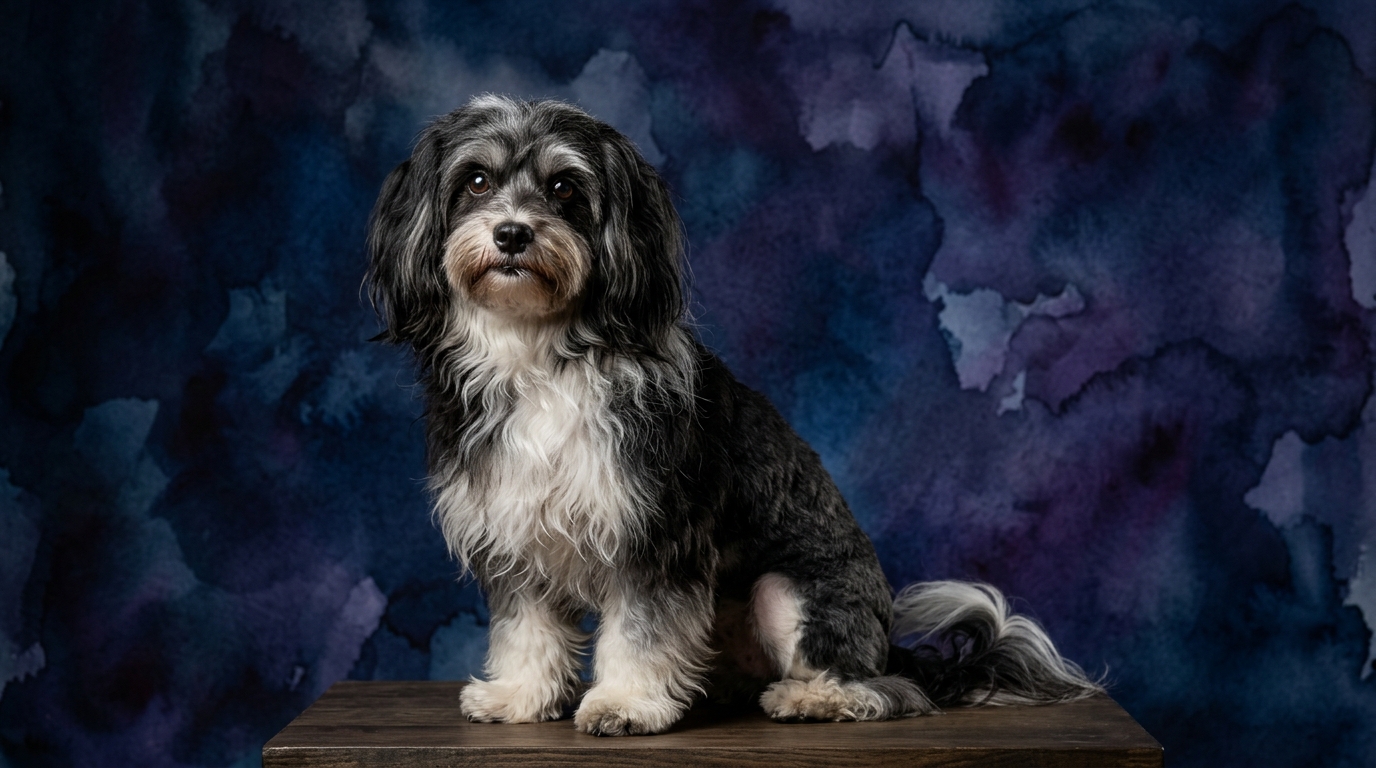
Side-by-Side IQ Profile: Corgi vs. Löwchen
**Pembroke Welsh Corgi:**
**Problem Solving (4/5):** Possessing a robust ability to navigate complex situations, Corgis excel at figuring out how to achieve desired outcomes, whether it's opening a gate or strategizing to gather livestock. Their herding legacy imbues them with a natural aptitude for assessing environments and devising solutions.
**Training Speed (5/5):** Corgis absorb new commands and routines with remarkable rapidity, often grasping concepts in just a few repetitions. This quick assimilation stems from their historical role requiring swift obedience and adaptability in dynamic herding scenarios.
**Social Intelligence (4/5):** These dogs demonstrate a keen awareness of social cues from both humans and other animals, enabling them to integrate smoothly into family dynamics and respond appropriately to various interactions. They are adept at reading intentions and adjusting their behavior accordingly.
**Instinctive Drive (5/5):** The Corgi's powerful herding instinct is a defining cognitive trait, manifesting as a strong urge to gather, control, and direct. This drive is not just physical; it's a deep-seated cognitive program influencing their focus and motivation.
**Memory (4/5):** Corgis exhibit solid memory retention for learned behaviors, routes, and established routines, making them reliable companions once training is established. Their ability to recall past experiences contributes to consistent performance and adaptability.
**Löwchen:**
**Problem Solving (3/5):** Löwchens approach problem-solving with a moderate aptitude, capable of figuring out straightforward puzzles or routines but less inclined towards intricate, multi-step challenges. Their cognitive efforts are often directed towards social engagement rather than complex environmental manipulation.
**Training Speed (3/5):** They learn at a steady pace, requiring consistent repetition and positive reinforcement to solidify new commands. While not as rapid as some working breeds, their willingness to please ensures progress with patient guidance.
**Social Intelligence (3/5):** Löwchens exhibit a satisfactory level of social understanding, generally interacting well with their immediate family and familiar individuals. They are responsive to emotional states within their close circle, though perhaps less nuanced in interpreting broader social dynamics.
**Instinctive Drive (3/5):** Their instinctive drives are moderately expressed, primarily geared towards companionship and playful interaction rather than specific tasks like hunting or herding. This manifests as a desire for proximity and engagement with their human counterparts.
**Memory (3/5):** Löwchens possess a functional memory for everyday routines and beloved individuals, retaining basic commands and pleasant experiences. Complex sequences or infrequently practiced tasks might require more frequent refreshing.
Where Pembroke Welsh Corgi Excels Cognitively
The Pembroke Welsh Corgi's cognitive architecture presents several specific advantages that set them apart. Their superior problem-solving ability, rated at 4/5, means these dogs are not merely reactive but possess a capacity for independent thought and strategic planning. This manifests in their knack for figuring out complex sequences, such as manipulating latches to open doors, understanding the mechanics of puzzle toys, or even devising clever ways to get attention or access forbidden areas. This cognitive flexibility allows them to adapt rapidly to new environments and challenges, making them excellent candidates for roles requiring quick thinking. Furthermore, their rapid training speed, a perfect 5/5, isn't just about quick obedience; it reflects a profound mental agility to process and internalize new information with remarkable efficiency. They often grasp multi-step commands and intricate routines in significantly fewer repetitions than many other breeds, enabling them to excel in advanced obedience, agility, or other canine sports where precision and speed of learning are paramount. The Corgi's intense instinctive drive (5/5), a direct legacy of their herding ancestry, provides a powerful internal motivation. This drive translates into a sustained focus and determination when engaged in tasks, allowing them to concentrate on a goal even amidst significant distractions, making them persistent and effective in goal-oriented activities.
Where Löwchen's Cognitive Profile Offers Distinct Advantages
While the Löwchen's cognitive scores are generally more moderate, their specific profile offers distinct advantages that cater to particular lifestyles and owner preferences. Their moderate instinctive drive, rated at 3/5, means Löwchens are typically less consumed by intense, task-oriented urges compared to breeds bred for specific work. This translates into a dog that is less prone to developing obsessive behaviors, such as incessant herding of family members or an unrelenting need for constant 'jobs' to feel fulfilled. Instead, their primary drive is often centered on social engagement and companionship, fostering a more relaxed and emotionally present mental state within a home environment. This gentle disposition can be a significant 'win' for owners seeking a calm canine presence. Similarly, their 3/5 problem-solving aptitude, while not geared towards complex environmental manipulation, means they are typically content with simpler mental engagement. They are less likely to become bored by the absence of elaborate puzzle toys or constant intellectual challenges, and are generally satisfied with interactive play and affectionate attention. This cognitive disposition fosters a straightforward, adaptable companion who finds joy in immediate interaction rather than intricate cerebral tasks, making them less prone to developing destructive behaviors stemming from mental under-stimulation or overthinking.
Which is Easier to Train and Why?
Based on their respective IQ profiles, the Pembroke Welsh Corgi is distinctly easier to train than the Löwchen. The Corgi's training speed (5/5) means they grasp new concepts and commands with remarkable efficiency, often requiring fewer repetitions to achieve proficiency. This stems from their historical role where rapid learning and immediate response were critical for effective herding. They are eager to engage in mental challenges and find satisfaction in mastering new tasks. In contrast, the Löwchen's training speed (3/5) indicates a more moderate learning pace. While certainly trainable, they require more patience, consistency, and repetition to solidify behaviors. Their motivation is often more centered on social rewards and pleasing their owner rather than the inherent challenge of the task itself, which means training success relies heavily on positive reinforcement and building a strong bond.
Cognitive Profiles and Owner Lifestyles
For active owners seeking a canine partner for sports, advanced obedience, or a dog that thrives on constant mental engagement, the Pembroke Welsh Corgi is generally a more suitable match. Their high problem-solving and instinctive drive mean they require consistent mental stimulation and physical activity to prevent boredom and channel their herding tendencies constructively. They flourish in environments where they have 'work' to do, whether it's agility, rally obedience, or learning complex trick sequences. Conversely, the Löwchen’s cognitive makeup aligns better with relaxed owners who prioritize companionship and gentle interaction over intense activity schedules. Their moderate instinctive drive and problem-solving suggest they are perfectly content with daily walks, cuddles, and simpler play sessions, without the constant need for complex intellectual challenges. They are less prone to developing destructive behaviors from lack of intense mental stimulation, making them ideal for a more tranquil household.
The Verdict
Choose the Pembroke Welsh Corgi if you are an active owner seeking a highly trainable, mentally agile companion for canine sports, advanced training, or a dog that thrives on having a 'job'.
Opt for the Löwchen if you desire a charming, affectionate companion content with moderate activity, social interaction, and simpler mental engagement in a relaxed home environment.
🧠 Find Your Pet's IQ Score
Our Pet IQ Lab assessment covers 25+ tests across 5 cognitive dimensions — personalized to your breed.
Take the Full IQ Test →Frequently Asked Questions
Do Pembroke Welsh Corgis need a lot of mental stimulation?
Yes, Corgis, with their 4/5 problem-solving and 5/5 instinctive drive, absolutely require significant mental stimulation. Without it, their active minds can lead to boredom and potentially mischievous behaviors as they find their own 'work'.
Are Löwchens difficult to train due to their 3/5 training speed?
Löwchens are not difficult to train, but they do learn at a more moderate pace compared to breeds like the Corgi. Consistency, patience, and positive reinforcement are key, and they respond well to training focused on building a strong bond.
How does a Corgi's herding instinct affect their behavior in a home?
A Corgi's 5/5 instinctive drive means they may exhibit herding behaviors like nipping at heels or trying to 'herd' family members or other pets. This instinct needs appropriate outlets through training and play to ensure it's managed constructively.