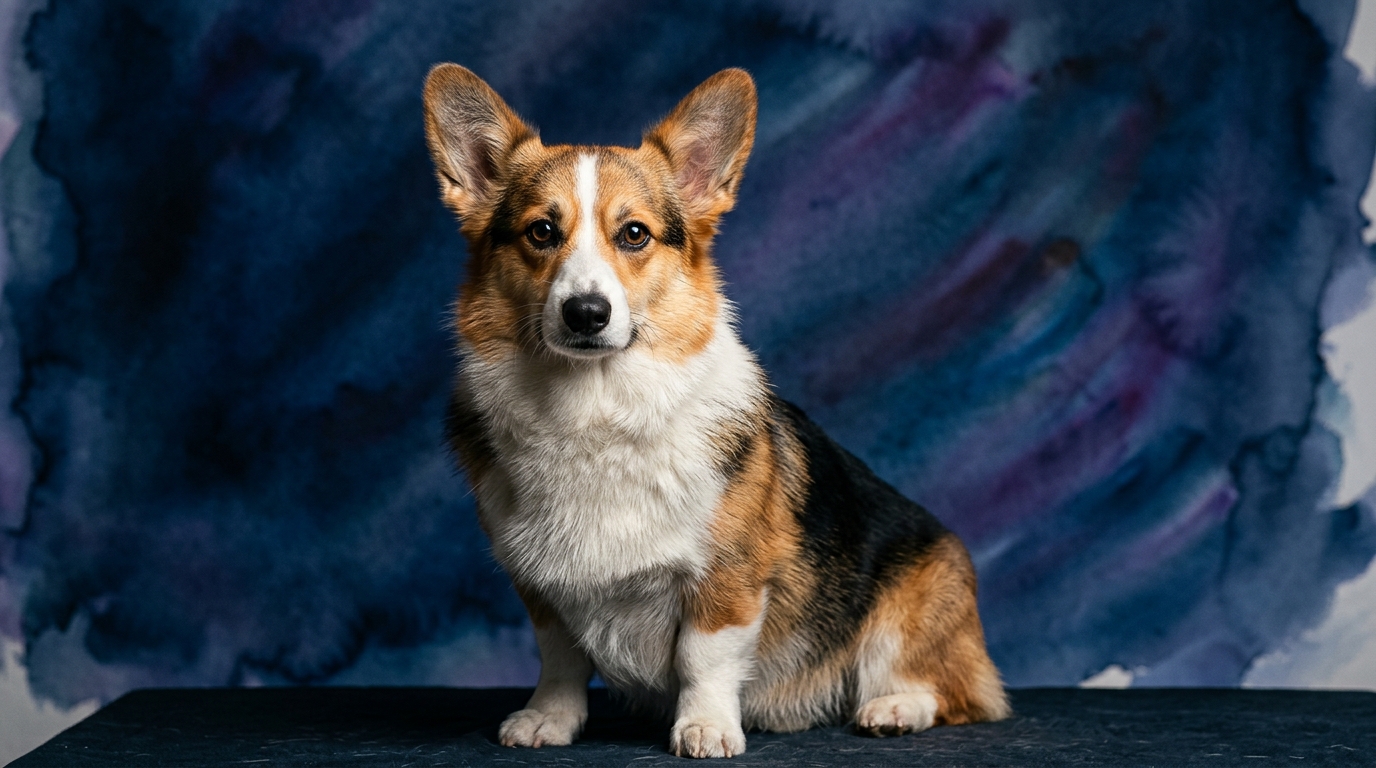

Side-by-Side IQ Profile: Pembroke Welsh Corgi vs. Toy Fox Terrier
The Pet IQ Lab provides a unique lens through which to examine breed-specific cognitive abilities, moving beyond general perceptions to specific strengths. For the Pembroke Welsh Corgi, a breed historically tasked with herding cattle, their cognitive scores reflect a demanding working heritage. They excel with a Problem Solving score of 4/5, indicating an adeptness at navigating complex situations and figuring out tasks. Their Training Speed is an impressive 5/5, showcasing a rapid capacity for learning and executing commands, further supported by their Coren ranking as the 11th most obedient breed. Social Intelligence stands at 4/5, demonstrating a keen ability to read human cues and form cooperative bonds, while their Instinctive Drive of 5/5 highlights a powerful, purpose-driven nature. Memory, crucial for retaining learned behaviors and routines, is rated at 4/5.
In contrast, the Toy Fox Terrier, a breed from the Toy group not listed in Coren's rankings, presents a different cognitive blueprint, reflecting its role as a spirited companion and vermin hunter. Their Problem Solving ability is rated at 3/5, suggesting they can tackle challenges but might require more guidance or repetition than a Corgi. Training Speed is 3/5, meaning they learn steadily but may not pick up new commands with the same alacrity. Social Intelligence at 3/5 indicates they are engaged with their human companions but might possess a more independent streak. Their Instinctive Drive, at 3/5, points to a moderate inherent motivation, often focused on terrier-typical pursuits rather than generalized tasks. Finally, their Memory score of 3/5 implies a moderate retention of information and learned experiences.
Where the Pembroke Welsh Corgi Wins Cognitively
The Pembroke Welsh Corgi demonstrates clear cognitive advantages, particularly in areas demanding cooperation, rapid learning, and sustained focus. Their superior Training Speed of 5/5, compared to the Toy Fox Terrier's 3/5, is a direct reflection of their herding lineage, where quick, precise responses to handler commands were essential for managing livestock. This translates into a breed that often picks up new commands and routines with remarkable efficiency, making them highly receptive to structured learning environments.
Furthermore, the Corgi’s higher Problem Solving score (4/5 versus 3/5) indicates a greater inherent capacity for independent thought in task-oriented scenarios. Their strong Instinctive Drive (5/5) means they are often motivated by a clear purpose or 'job,' making them highly responsive to goal-oriented training and activities. This drive, combined with a 4/5 Memory score, allows them to retain complex sequences and adapt strategies over time, a significant asset for competitive dog sports or advanced obedience work. Their Coren rank of #11 further solidifies their standing as a breed with exceptional working intelligence and a strong desire to engage meaningfully with their human partners.
Where the Toy Fox Terrier Wins Cognitively
While the Pet IQ Lab scores show the Toy Fox Terrier with a consistent 3/5 across cognitive dimensions, this profile translates into a balanced and adaptable mind that can be advantageous in specific contexts. Their moderate Instinctive Drive (3/5) means they are less compelled to 'manage' their environment or exhibit intense herding behaviors, offering a more relaxed interaction style compared to the Corgi's persistent drive. This can be a significant advantage for owners who prefer a companion whose cognitive energy is not constantly seeking a task or a flock to organize.
The Toy Fox Terrier's balanced cognitive approach allows them to integrate smoothly into diverse household dynamics without the constant need for a 'job.' Their intelligence manifests in a quick wit and adaptability to varied daily routines, often thriving on novelty and interaction rather than sustained, complex problem-solving. This makes them versatile companions for those seeking a spirited yet less cognitively demanding presence, capable of learning and engaging without the intense focus or drive typical of a working breed.
Which is Easier to Train and Why
Based on the Pet IQ Lab metrics, the Pembroke Welsh Corgi is generally easier to train. Their exceptional Training Speed (5/5), combined with a high Instinctive Drive (5/5) and solid Memory (4/5), means they absorb and retain commands rapidly. Corgis, stemming from a herding background, are accustomed to working in partnership with humans and responding to precise cues, which fosters a strong desire to please and cooperate during training sessions. Their Social Intelligence (4/5) further enhances this, as they are adept at reading human body language and vocal tones, making them highly responsive to direction.
The Toy Fox Terrier, with a Training Speed of 3/5 and Memory of 3/5, will certainly learn, but often requires more patience and consistent repetition. Their Instinctive Drive (3/5) is more geared towards independent terrier pursuits, such as chasing small prey, rather than a broad desire to follow human instruction. This can mean their motivation during training might be more selective or require more creative engagement strategies. While intelligent, their independent nature can sometimes manifest as a charming stubbornness, demanding a more persistent and engaging approach from their trainer to maintain focus and enthusiasm.
Suited for Active vs. Relaxed Owners
For owners seeking an active and mentally stimulating partnership, the Pembroke Welsh Corgi is the more fitting choice. Their high Instinctive Drive (5/5) and Problem Solving ability (4/5) mean they thrive on mental and physical engagement. Corgis require activities that challenge their sharp minds, such as advanced obedience, agility, herding games, or complex puzzle toys. They are not content with merely existing; they need a 'job' or a purpose, making them excellent partners for owners dedicated to consistent training and interactive play. Their strong social intelligence makes them keen participants in shared activities and adventures.
The Toy Fox Terrier, while energetic, is generally better suited for more relaxed owners who still enjoy regular engagement. Their consistent 3/5 scores across cognitive dimensions suggest a balanced, adaptable mind that doesn't demand the same level of intense mental stimulation as a Corgi. They enjoy playtime, walks, and interaction but might be content with shorter, less complex activities. Their more moderate Instinctive Drive means they are less prone to 'creating their own job' if not sufficiently challenged, making them ideal for owners who appreciate a spirited companion without the pronounced working drive of a herding breed. They are adaptable to various lifestyles, as long as they receive consistent attention and affection.
The Verdict
Choose a Pembroke Welsh Corgi if you are seeking a highly engaged canine partner eager for training, competitive dog sports, and a strong, purpose-driven bond. Their capacity for quick learning and retention makes them suitable for owners ready to invest in consistent mental and physical challenges.
Opt for a Toy Fox Terrier if you appreciate a spirited companion with a balanced cognitive approach, adaptable to a variety of daily routines without requiring intense, constant mental tasks. They are well-suited for owners who enjoy moderate engagement and a companionable presence without the pronounced working drive of a herding breed.
🧠 Find Your Pet's IQ Score
Our Pet IQ Lab assessment covers 25+ tests across 5 cognitive dimensions — personalized to your breed.
Take the Full IQ Test →Frequently Asked Questions
Are Corgis really that capable of learning?
Yes, their Coren rank of #11 among breeds indicates exceptional working and obedience intelligence, aligning with their Pet IQ Lab scores for training speed and problem-solving. They are adept at understanding and executing complex commands, a testament to their herding legacy, and thrive on mental engagement.
Does 'not Coren-ranked' mean the Toy Fox Terrier isn't intelligent?
Not at all; it simply means their primary cognitive strengths might not align with the specific criteria of working and obedience intelligence measured by the Coren ranking. Their intelligence manifests in adaptability, quick wit, and independent thought, typical of many terrier breeds, rather than a strong drive for complex obedience.
How do the instinctive drives differ between these two breeds?
The Corgi's 5/5 instinctive drive stems from generations of herding, leading to a strong desire to manage and organize, often translating to a need for tasks and purpose. The Toy Fox Terrier's 3/5 drive is more focused on traditional terrier pursuits like chasing small prey, making them less generally task-oriented but still spirited in their independent activities.