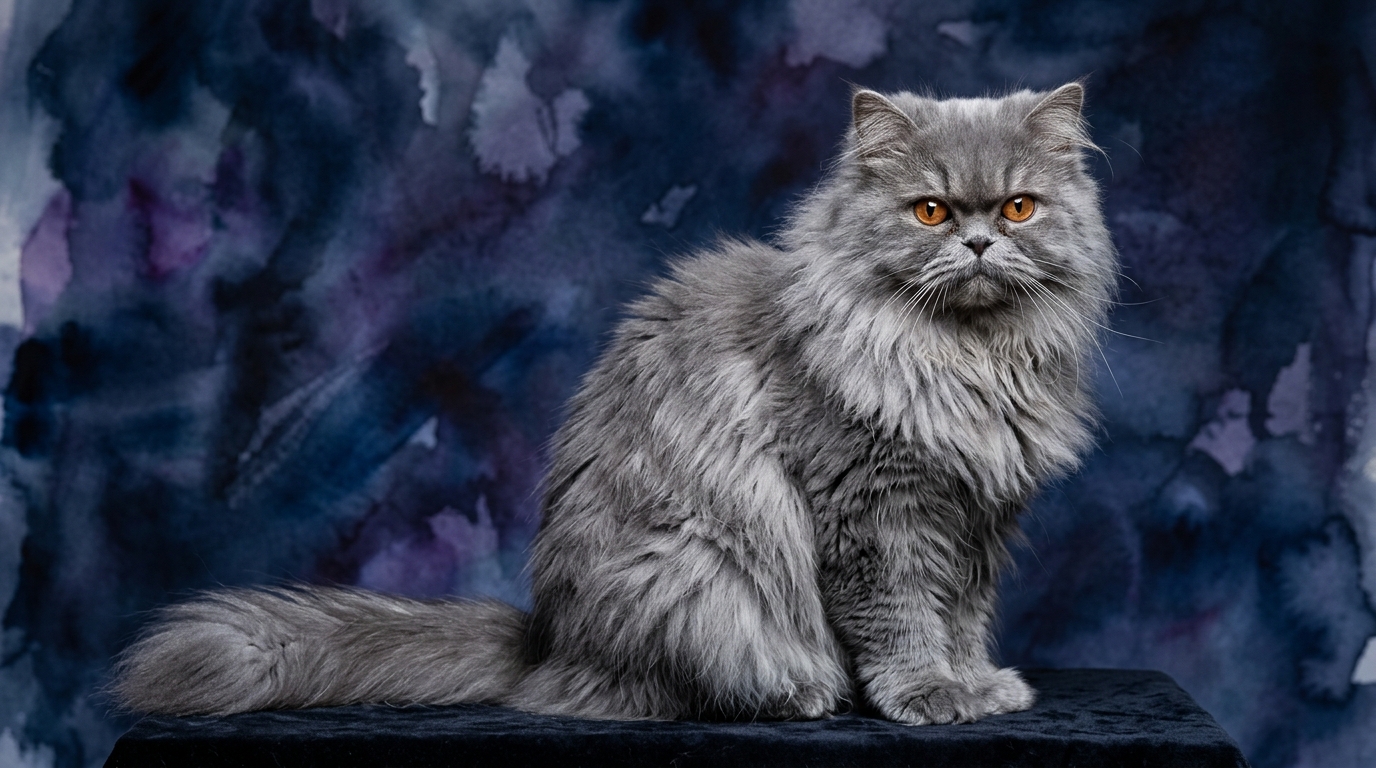
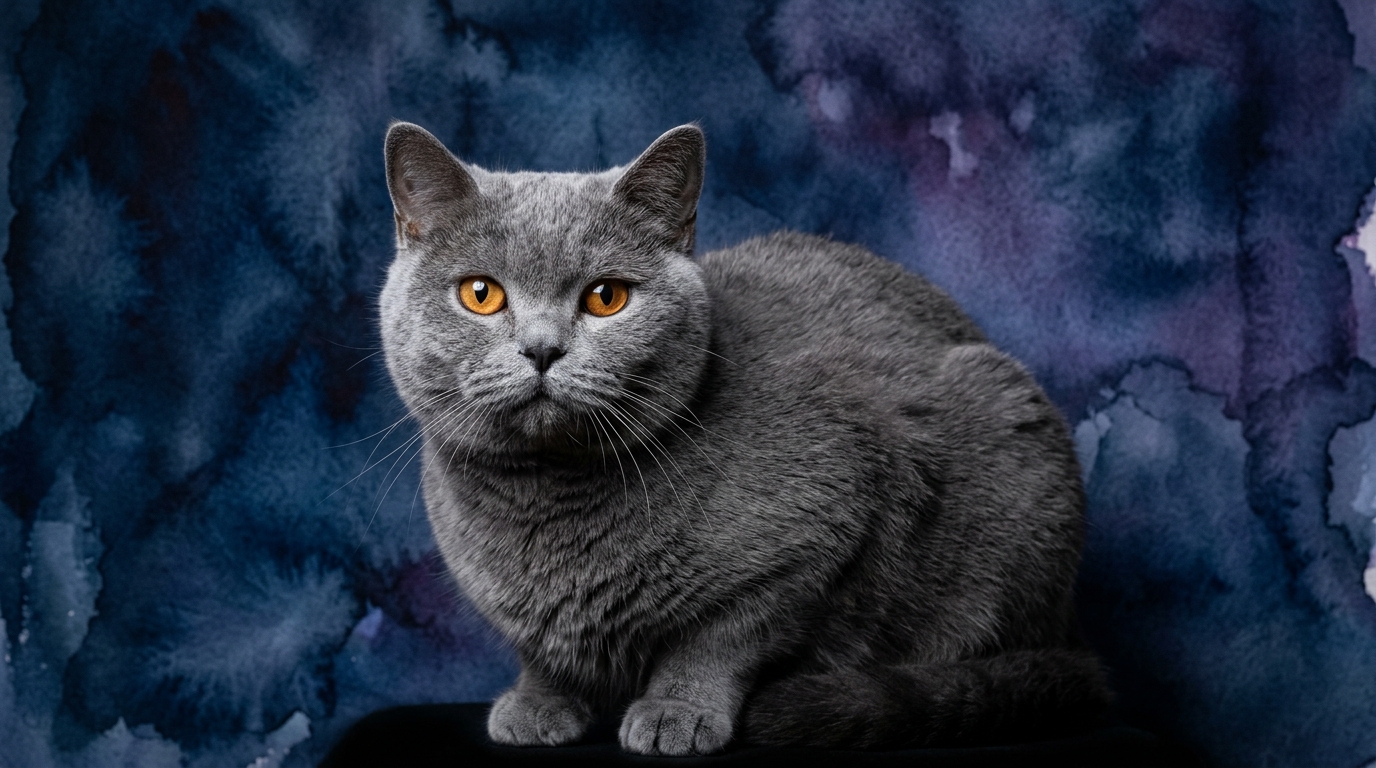
Side-by-Side IQ Profile
The Cosmic Pet Pet IQ Lab provides a unique lens through which to understand the cognitive strengths and inclinations of these beloved breeds.
Persian Cat IQ Profile: Problem Solving (2/5): Persian cats approach new challenges with a measured, often cautious, demeanor. They tend to favor established routines and environments, rather than actively manipulating their surroundings to solve novel puzzles or bypass unexpected obstacles. Their processing style leans towards observing and maintaining familiarity. Training Speed (2/5): Acquiring new commands or behaviors generally requires patience and consistent repetition with a Persian. While capable of learning, their learning curve is more gradual, reflecting a preference for processing information at their own unhurried pace. Social Intelligence (3/5): Persians demonstrate an average capacity to interpret human cues and navigate household dynamics. They form affectionate bonds with their caregivers, appreciating gentle interaction and a stable social environment, without necessarily seeking complex engagement. Instinctive Drive (2/5): Their intrinsic urges for hunting, intense exploration, or territorial assertion are relatively low. This contributes to their typically placid nature, making them content with indoor living and less inclined towards high-energy pursuits. Memory (3/5): Persian cats possess a reliable ability to recall important routines, the preferences of their human companions, and positive experiences, contributing to their sense of security and their consistent, gentle interactions over time.
British Shorthair IQ Profile: Problem Solving (3/5): British Shorthairs exhibit a moderately resourceful approach when faced with puzzles or environmental changes. They show some initiative in exploring solutions, often observing and then experimenting to figure things out. Training Speed (3/5): This breed generally picks up new behaviors and responds to cues at a moderate pace. With consistent, positive reinforcement, they are receptive to learning and can integrate new commands into their routine effectively. Social Intelligence (3/5): Similar to Persians, British Shorthairs display an average capacity to understand human moods and integrate smoothly into family life. They offer companionship that is often described as dignified and affectionate, valuing calm interaction. Instinctive Drive (3/5): Their natural drive for play, exploration, and simulated hunting is moderate. They engage with toys and their surroundings in a balanced manner, enjoying interactive play sessions without being excessively demanding. Memory (3/5): British Shorthairs also demonstrate a reliable capacity to remember people, established routines, and the layout of their home environment, building a stable understanding that informs their daily interactions and comfort.
Where Persian Wins Cognitively
While British Shorthairs exhibit higher scores in several cognitive dimensions, the Persian's unique combination of a lower Instinctive Drive (2/5) alongside an average Social Intelligence (3/5) and Memory (3/5) offers a distinct cognitive advantage for specific household dynamics. Their cognitive energy isn't significantly diverted by strong urges to hunt or explore, allowing their mental focus to be more consistently directed towards quiet observation and the nuances of human companionship. This particular profile allows them to excel in fostering a profoundly serene and predictable household atmosphere. Owners often find their Persians develop a deep, unwavering familiarity with their environment and caregivers, remembering comforting routines and preferred interactions with remarkable consistency. This steady processing style, while reflecting a slower Training Speed (2/5), ensures that once a behavior or social cue is learned, it is deeply ingrained, providing a reliable and steadfast presence that many find incredibly soothing. Their cognitive strengths lie in their ability to maintain calm, absorb predictable patterns, and offer a tranquil, unobtrusive form of companionship.
Where British Shorthair Wins Cognitively
The British Shorthair demonstrates a broader and more actively engaged cognitive profile, particularly excelling in adaptability and interactive engagement. Their Problem Solving score of 3/5 indicates a more proactive mind when encountering novel situations or challenges. Unlike the Persian, they are more inclined to independently assess and experiment with solutions, displaying a greater curiosity for how things work and how to navigate new scenarios. This translates into a cat that might more readily figure out how to open a cupboard or locate a hidden toy. Furthermore, their Training Speed of 3/5 means they are generally more receptive to learning new cues and integrate training more quickly, making them a more adaptable companion for owners interested in teaching basic commands or clicker training. Coupled with their 3/5 Instinctive Drive, British Shorthairs utilize their cognitive faculties to engage dynamically with their environment through more sustained play and exploration. This blend of attributes fosters a cat that can offer more varied and responsive interaction, making them appealing to those who desire a feline that actively seeks out and participates in stimulating experiences.
Which Is Easier To Train And Why
Based on The Cosmic Pet Pet IQ Lab's metrics, the British Shorthair will generally be easier to train due to its 3/5 Training Speed compared to the Persian's 2/5. British Shorthairs are typically more receptive to learning new behaviors and responding to cues, absorbing information at a moderate pace. Their slightly higher Problem Solving (3/5) and Instinctive Drive (3/5) also contribute; their natural curiosity can be channeled into training, as they are more inclined to interact with puzzles, follow lures, or engage in play that involves learning. This means owners might see quicker progress when teaching commands like 'sit,' coming when called, or even basic leash training, as they possess a greater intrinsic motivation to explore and adapt.
In contrast, the Persian's 2/5 Training Speed indicates a more deliberate processing style. They are not unintelligent, but rather require significantly more patience, consistency, and repetition. Their lower Instinctive Drive (2/5) means they might not be as readily motivated by energetic play or exploratory rewards, often preferring comfort or food as incentives. Training a Persian involves a slower, more methodical approach, focusing on reinforcing established routines rather than rapid skill acquisition. While they will eventually learn and retain information well due to their 3/5 Memory, the initial teaching phase demands a more measured commitment from the owner.
Which Makes A Better Family Pet For Active Owners Vs Relaxed Owners
For active owners, the British Shorthair generally proves to be a more suitable companion. Their 3/5 Problem Solving, 3/5 Training Speed, and 3/5 Instinctive Drive align with a lifestyle that values moderate interaction and engagement. These cats are more inclined to participate in interactive play sessions, enjoy exploring new environments (safely, indoors), and can learn simple games or even basic agility. They possess a balanced energy level that allows them to keep pace with a family seeking a moderately interactive feline, one that offers playful curiosity and a dignified presence without being overly demanding. Their cognitive profile supports a pet that can adapt and respond to dynamic household activities.
Conversely, for relaxed owners, the Persian is an ideal match. Their lower Problem Solving (2/5), Training Speed (2/5), and Instinctive Drive (2/5) mean they thrive in calm, predictable environments. They are content with quiet observation, gentle affection, and a stable routine, offering a profoundly soothing presence rather than requiring constant stimulation. Their 3/5 Social Intelligence and Memory ensure they form deep, consistent bonds with their human companions, remembering their favorite napping spots and preferred snuggle times. This makes the Persian perfect for individuals or families who appreciate a tranquil, low-maintenance feline presence, one that brings serenity and unwavering affection to a peaceful home.
The Verdict
If your home thrives on tranquility and you desire a consistent, affectionate companion who finds comfort in routine and offers a serene presence, the Persian's unique cognitive profile is an ideal match.
For owners seeking a moderately interactive feline partner who enjoys playful engagement and exhibits a more adaptable, curious mind, the British Shorthair offers a rewarding and dynamic companionship.
🧠 Find Your Pet's IQ Score
Our Pet IQ Lab assessment covers 25+ tests across 5 cognitive dimensions — personalized to your breed.
Take the Full IQ Test →Frequently Asked Questions
Do Persians and British Shorthairs interact similarly with children?
Both breeds score 3/5 in Social Intelligence, suggesting they can adapt well to family dynamics, including children, with proper socialization. Persians might prefer quieter interactions due to their lower instinctive drive, while British Shorthairs might be more amenable to gentle play.
How do their memory scores of 3/5 manifest in daily life?
A 3/5 memory score means both breeds reliably recall routines, favorite people, and positive experiences, contributing to a stable and predictable home life. They will remember where their food is, who gives them cuddles, and which spaces are theirs.
Is one breed more prone to destructive behaviors if not stimulated?
The British Shorthair's 3/5 Instinctive Drive and Problem Solving suggests they might seek more varied engagement, potentially becoming bored if under-stimulated, though usually not destructive. The Persian's lower 2/5 instinctive drive means they are generally content with less active stimulation, making destructive behaviors less likely due to boredom.