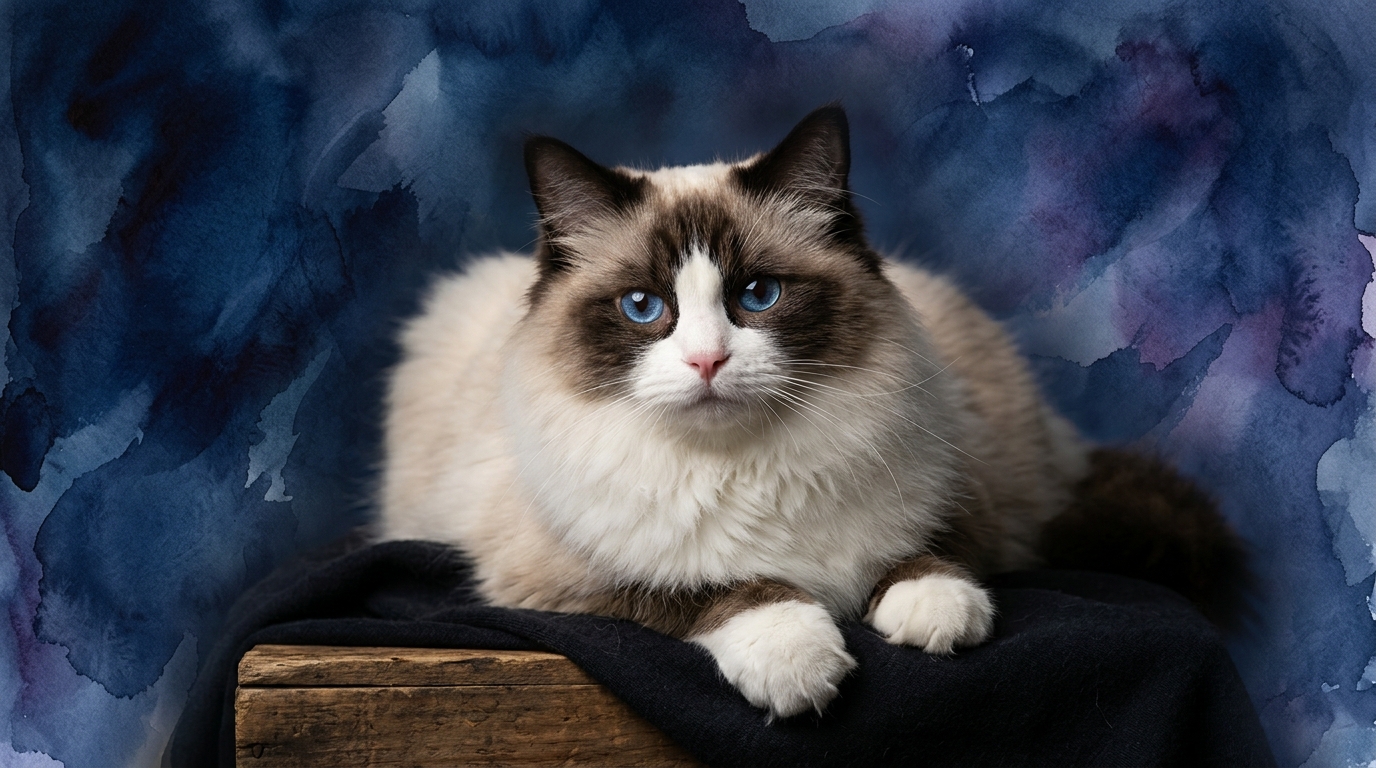
Side-by-Side IQ Profile: Ragdoll
**Problem Solving (3/5):** Ragdolls exhibit a moderate capacity to navigate novel situations, learning to open simple latches or understand cause-and-effect scenarios without exceptional ingenuity.
**Training Speed (3/5):** Their ability to acquire new behaviors or tricks falls within an average range, responding well to consistent positive reinforcement but not demonstrating lightning-fast learning.
**Social Intelligence (5/5):** This breed showcases an exceptional aptitude for understanding and responding to human cues, forming deep attachments, and often anticipating their family's needs or emotional states.
**Instinctive Drive (2/5):** Ragdolls possess a comparatively low level of innate hunting or exploratory urges, being less inclined to stalk, chase, or climb excessively, content with a placid, companion-oriented existence.
**Memory (3/5):** Their recall abilities are moderate, allowing them to remember routines, associate specific people with experiences, and retain learned commands over a reasonable period.
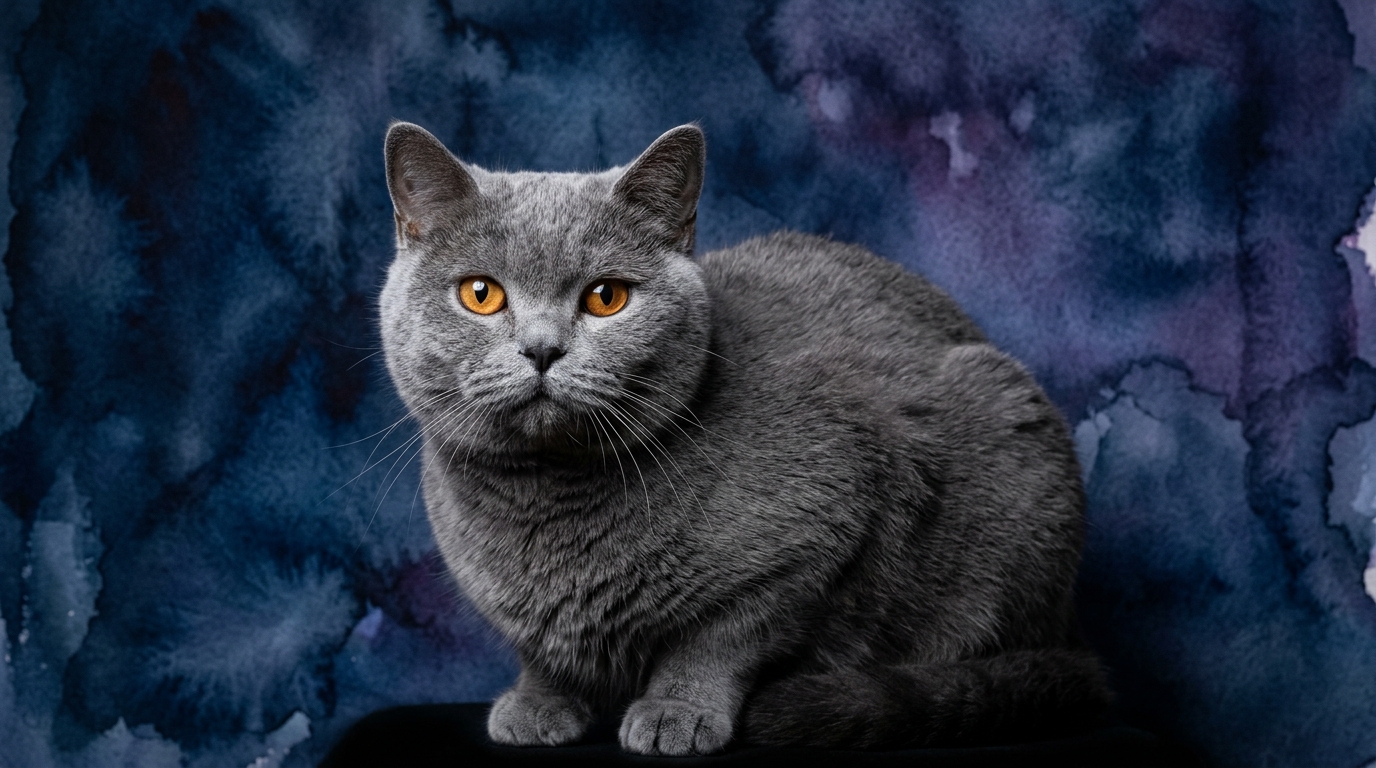
Side-by-Side IQ Profile: British Shorthair
**Problem Solving (3/5):** British Shorthairs demonstrate a moderate capacity for tackling novel challenges, similar to Ragdolls, devising simple strategies to achieve goals without displaying exceptional ingenuity.
**Training Speed (3/5):** Their pace for acquiring new behaviors or commands is on par with the Ragdoll, indicating they are receptive to training with patience and positive reinforcement at an average rate.
**Social Intelligence (3/5):** British Shorthairs exhibit a moderate level of social attunement, appreciating companionship and interacting with family, though not displaying the same intense desire for constant engagement or emotional mirroring.
**Instinctive Drive (3/5):** This breed displays a moderate level of primal hunting and exploratory impulses, enjoying chasing toys, exploring their environment, and engaging in self-directed play that simulates natural feline behaviors.
**Memory (3/5):** Their memory capabilities are assessed as moderate, enabling them to remember key routines, learn from past experiences, and recall consistent interactions.
Where Ragdoll Wins Cognitively
The Ragdoll's distinct cognitive advantage lies squarely in their exceptional Social Intelligence, scoring a rare 5 out of 5. This signifies a profound capacity for understanding human emotions and social structures within a household; a Ragdoll often exhibits a sophisticated awareness of mood shifts, responding with comforting presence or playful distraction. They are adept at learning household routines not just as habits, but as shared activities, anticipating meal times or cuddle sessions with a unique readiness for interpersonal engagement. Furthermore, their lower Instinctive Drive of 2 out of 5, while not a traditional 'win,' contributes significantly to their cognitive profile for domestic living. This means their mental energy is less consumed by primal urges to hunt or extensively patrol territory, allowing them to channel more focus into their human relationships and adaptability to a home environment, resulting in a calmer, less disruptive presence.
Where British Shorthair Wins Cognitively
While the British Shorthair shares similar scores in Problem Solving, Training Speed, and Memory with the Ragdoll, their cognitive strengths manifest differently, particularly concerning their Instinctive Drive at 3 out of 5. This moderate drive indicates a more pronounced natural inclination for independent exploration and engaging in mock hunting behaviors. Unlike the more placid Ragdoll, a British Shorthair is more likely to derive cognitive satisfaction from stalking a feather wand, batting at a puzzle feeder, or surveying their domain from a high perch. This stronger, yet balanced, intrinsic motivation means they are often more self-sufficient in finding mental stimulation, requiring less direct human initiation for play or engagement. Their moderate Social Intelligence of 3 out of 5 allows them to process and engage with their environment with thoughtful independence, offering a different, yet equally rich, form of companionship.
Which Is Easier to Train and Why
Both Ragdolls and British Shorthairs share a Training Speed score of 3 out of 5, suggesting they are equally capable of acquiring new behaviors at an average pace. However, the *ease* of training can differ significantly based on their other cognitive traits. The Ragdoll's outstanding Social Intelligence (5/5) means they are profoundly motivated by human attention, praise, and the desire to please their companions, making training feel less like a chore and more like an engaging, shared activity. Their low Instinctive Drive (2/5) further supports trainability; they are less likely to be distracted by external stimuli or primal urges during a training session, maintaining focus on human interaction. In contrast, while British Shorthairs also learn at a moderate pace, their 3/5 Social Intelligence implies they may not be as inherently driven by human approval, and their 3/5 Instinctive Drive means they could be more easily sidetracked by a sudden interest in perceived 'prey' or a desire to explore, requiring more effort to maintain their attention and motivation beyond purely social rewards.
Better Family Pet for Active vs. Relaxed Owners
When considering family dynamics, the distinct cognitive profiles of these breeds illuminate their suitability for different lifestyles. For active owners who enjoy regular interactive play sessions, puzzle feeders, or appreciate a cat with independent curiosity, the British Shorthair might be a more fitting companion. Their 3 out of 5 Instinctive Drive suggests they enjoy varied environmental enrichment and opportunities to 'hunt' and explore their surroundings, offering a stable, somewhat self-sufficient presence. Conversely, for relaxed owners seeking a devoted, tranquil, and deeply interactive feline presence, the Ragdoll is an ideal match. Their 5 out of 5 Social Intelligence means they thrive on close human companionship, often following their owners and seeking out opportunities for quiet affection. Their low 2 out of 5 Instinctive Drive indicates less inclination for demanding, high-energy play or extensive climbing, making them perfectly content with a calm household environment and consistent, gentle human interaction.
The Verdict
Choose the Ragdoll if your ideal companion is a highly interactive, profoundly affectionate cat who thrives on close human connection and offers a serene presence within a calm household. Their exceptional social intelligence makes them ideal for owners who cherish deep emotional bonds with their pet.
Opt for the British Shorthair if you appreciate a thoughtful, somewhat independent feline companion who enjoys a balance of affectionate interaction and self-directed exploration, fitting well into active yet calm homes. Their moderate instinctive drive offers a satisfying level of playful engagement without being overtly demanding.
🧠 Find Your Pet's IQ Score
Our Pet IQ Lab assessment covers 25+ tests across 5 cognitive dimensions — personalized to your breed.
Take the Full IQ Test →Frequently Asked Questions
Are Ragdolls more affectionate than British Shorthairs?
Based on their IQ profiles, Ragdolls score significantly higher in Social Intelligence (5/5 vs. 3/5), indicating a stronger inherent drive to seek out and engage in affectionate interactions, often forming very deep bonds with their human family. British Shorthairs are affectionate but typically on their own terms, appreciating companionship without the same intensity of interaction.
Which breed is better at learning tricks?
Both Ragdolls and British Shorthairs have a Training Speed score of 3/5, meaning they are equally capable of learning tricks at a moderate pace. However, the Ragdoll's higher Social Intelligence might make them more motivated by human praise and interaction during training sessions, potentially making the process feel more collaborative and rewarding for both pet and owner.
Do British Shorthairs require more mental stimulation than Ragdolls?
The British Shorthair's Instinctive Drive of 3/5, compared to the Ragdoll's 2/5, suggests they do have a slightly stronger innate inclination for activities like mock hunting and exploration, which translates to a greater appreciation for varied environmental enrichment and puzzle toys to satisfy their cognitive needs. Ragdolls, with their lower drive, are often content with less overt stimulation, preferring social engagement.