Side-by-Side IQ Profile: Unpacking Feline Cognition
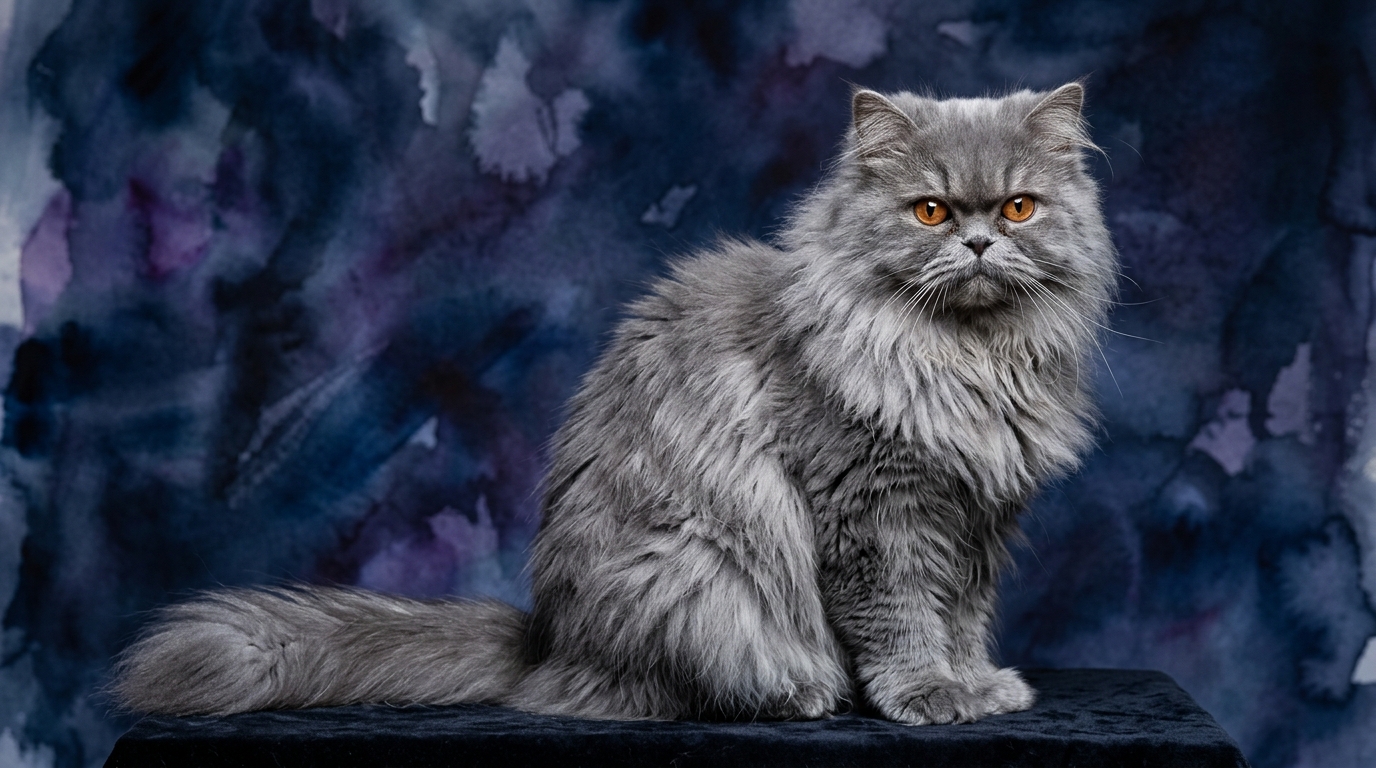
The Cosmic Pet Pet IQ Lab provides a unique lens through which to examine the intellectual attributes of our feline companions, breaking down their cognitive abilities into five distinct dimensions. For the Persian, we observe a problem-solving aptitude rated at 2/5, indicating a preference for less complex solutions and a more deliberate approach to novel challenges. Their training speed also registers at 2/5, suggesting that patience and consistency are key to shaping their behaviors. Social intelligence stands at a balanced 3/5, reflecting their capacity for connection without overwhelming demands, while their instinctive drive is 2/5, pointing to a generally relaxed demeanor with lower predatory urges. Finally, their memory is a solid 3/5, enabling them to retain routines and familiar associations.
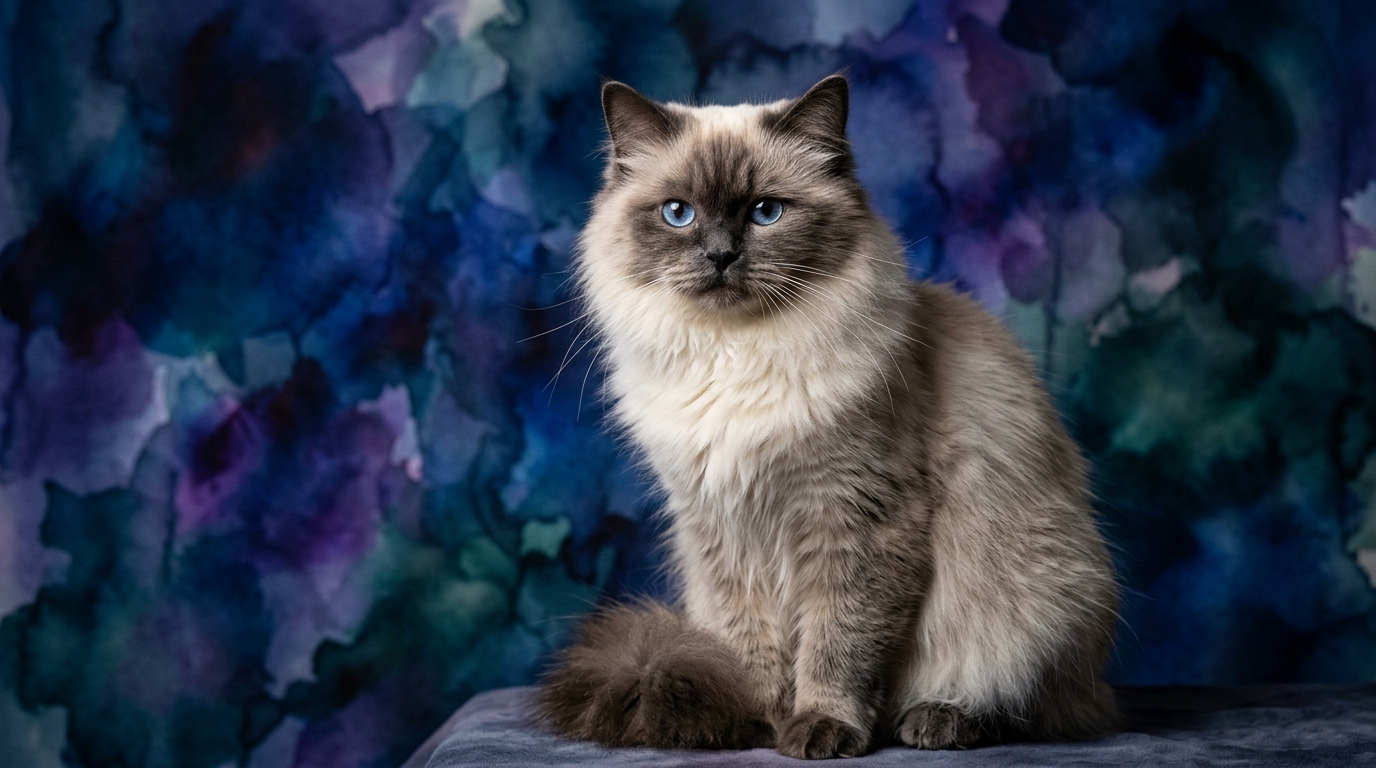
In contrast, the Himalayan cat presents a slightly elevated profile in several areas. Their problem-solving ability is rated 3/5, suggesting a more active curiosity and a greater willingness to explore solutions to environmental puzzles. Training speed likewise climbs to 3/5, implying a quicker grasp of new commands and a more responsive learning curve. Social intelligence mirrors the Persian at 3/5, indicating an equal capacity for forming affectionate bonds. Their instinctive drive is a moderate 3/5, translating into a more playful and engaging disposition. Similar to the Persian, their memory is also 3/5, allowing for reliable recall of experiences and routines.
Where the Persian's Mind Shines: A Gentle Acumen
The Persian's cognitive strengths often manifest in ways that align with its serene temperament, making it an ideal companion for a calm household. Their 3/5 social intelligence score reveals a comfortable capacity for forming deep, albeit sometimes reserved, bonds with their human companions. Persians integrate seamlessly into family life, appreciating companionship without the constant need for overt engagement, making them masters of subtle affection and quiet presence. This emotional resonance allows them to pick up on their owner's moods, offering comforting closeness without being demanding.
A memory score of 3/5 further underpins the Persian's appreciation for routine and stability. They reliably recall their preferred resting spots, the schedule for meals, and the faces of those who provide care and comfort. This strong recall contributes to their overall sense of security and contentment within a predictable home environment, minimizing stress from unexpected changes. While their problem-solving ability is 2/5, this can be seen as an advantage in a relaxed setting; they are less likely to embark on elaborate schemes to access forbidden areas, preferring to observe and exist peacefully within their established boundaries. Their lower instinctive drive (2/5) means they are generally content with less vigorous play, enjoying gentle interactions over intense chase sessions, which suits owners who value a tranquil feline presence.
The Himalayan's Cognitive Edge: Curious and Engaged
The Himalayan cat’s cognitive profile points to a more interactive and inquiring nature, making them engaging companions for owners who enjoy active participation. Their 3/5 problem-solving ability means they are more inclined to explore their surroundings and figure out how things work, whether it’s nudging open a cabinet or manipulating a puzzle toy to retrieve a treat. This inherent curiosity drives them to seek out novel experiences and provides them with a greater capacity to adapt to new situations through trial and error.
A training speed score of 3/5 highlights the Himalayan’s responsiveness to learning. They tend to pick up on cues and commands more rapidly than their Persian counterparts, making them suitable candidates for positive reinforcement training that extends beyond basic manners to include simple tricks or leash walking. This quicker grasp of concepts makes training sessions more rewarding for both cat and owner. The Himalayan's instinctive drive, rated at 3/5, translates into a more playful and energetic disposition. They are more likely to initiate games, chase moving objects, and engage in simulated hunting behaviors, providing lively entertainment and requiring regular interactive play to satisfy these natural urges. This moderate drive ensures they are active participants in household life, bringing a dynamic energy to their environment while still maintaining the social grace shared with Persians, also scoring 3/5 in social intelligence.
Training Dynamics: Patience vs. Progress
When it comes to training, the distinction between Persians and Himalayans becomes particularly clear, primarily due to their differing training speed scores. Persians, with their 2/5 rating, necessitate a training approach rooted in immense patience and repetitive, short sessions. They absorb information at a slower pace, requiring consistent positive reinforcement over extended periods to internalize commands or desired behaviors. Owners should be prepared for a gradual learning curve, focusing on establishing basic routines and gentle manners rather than expecting complex tricks. Their lower instinctive drive also means they might not be as motivated by play-based rewards, often responding better to food treats or calm verbal praise.
Himalayans, on the other hand, boast a 3/5 training speed, indicating a quicker aptitude for learning. They are generally more receptive to cues and can master new behaviors with fewer repetitions. This makes them excellent candidates for owners interested in more advanced training, such as target training, simple agility, or even more intricate trick learning. Their moderate instinctive drive also means they are often highly motivated by interactive toys and play, which can be effectively incorporated into training sessions to keep them engaged and enthusiastic about learning.
Lifestyle Compatibility: Active Engagement vs. Serene Companionship
The cognitive profiles of these two breeds offer clear guidance on which might best suit different owner lifestyles. For individuals who appreciate a dynamic and interactive feline presence, the Himalayan is often the more compatible choice. Their 3/5 problem-solving ability means they thrive on mental stimulation, enjoying puzzle toys, interactive feeders, and engaging play sessions that challenge their minds. Coupled with a 3/5 instinctive drive, they are more likely to initiate play and seek out opportunities for active engagement, making them a good fit for owners who enjoy daily interactive playtime and shaping behavior through positive reinforcement.
Conversely, the Persian, with its 2/5 problem-solving and instinctive drive scores, aligns perfectly with a more tranquil household environment. These cats are generally content with less vigorous activity, preferring to observe and enjoy quiet companionship. Owners seeking a graceful, affectionate presence that doesn't demand constant mental or physical challenges will find the Persian's calm demeanor and appreciation for routine highly appealing. While they still enjoy affection and gentle interaction, their needs for stimulation are more easily met through serene observation and comfortable resting.
The Verdict
Opt for a Persian if your home thrives on a tranquil rhythm, where a gentle companion who appreciates quiet affection and consistent routines is cherished. They are ideal for those seeking a graceful presence without the constant demand for vigorous mental or physical engagement.
Select a Himalayan if you enjoy an interactive feline partner, one who brings a spark of curiosity and a readiness for engaging play into your daily life. Their quicker learning pace and moderate drive make them a fulfilling choice for owners who appreciate active participation in their pet's cognitive world.
🧠 Find Your Pet's IQ Score
Our Pet IQ Lab assessment covers 25+ tests across 5 cognitive dimensions — personalized to your breed.
Take the Full IQ Test →Frequently Asked Questions
Are Persians difficult to train?
Persians require a patient and consistent approach to training, often needing more repetitions than some other breeds. Their lower training speed score suggests that while they can learn, owners should focus on positive reinforcement and short, engaging sessions to achieve desired behaviors.
Do Himalayans need a lot of mental stimulation?
With a problem-solving score of 3/5 and a moderate instinctive drive, Himalayans benefit from regular mental engagement. Providing puzzle toys, interactive play sessions, and opportunities for exploration can keep their curious minds satisfied and prevent boredom.
Which breed is more affectionate?
Both breeds score 3/5 in social intelligence, indicating they form strong bonds and appreciate companionship. While Persians might express affection more subtly, Himalayans often show their fondness through more overt interaction and playfulness, making both loving companions in their own ways.