Side-by-Side IQ Profile: Petit Basset Griffon Vendéen vs. Irish Water Spaniel
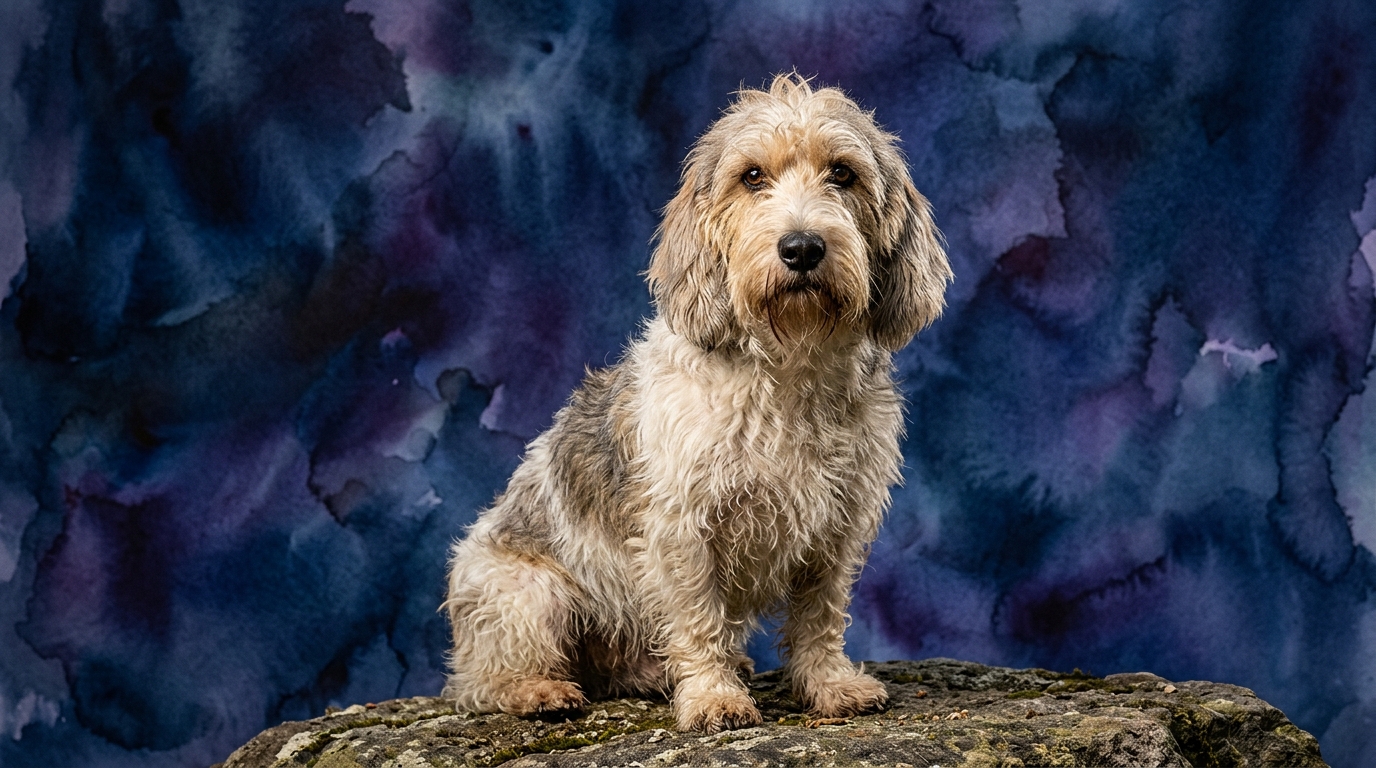
The Petit Basset Griffon Vendéen (PBGV), a charming and robust scent hound, approaches the world with a distinctive cognitive style, scoring consistently at 3/5 across our IQ dimensions. Their Problem Solving (3/5) is characterized by tenacious, self-reliant efforts, particularly when unraveling scent-based puzzles. They don't always wait for human direction, preferring to trust their keen nose and persistent nature to navigate challenges, often leading to creative, albeit sometimes stubborn, solutions to reach a desired object or follow a compelling odor. Their Training Speed (3/5) is moderate; while capable of learning, their independent hound instincts mean they process new behaviors at their own pace, requiring consistent, patient repetition and motivation that appeals to their adventurous spirit. Their mind is perpetually assessing if a task aligns with their own perceived agenda, sometimes making them appear less eager to comply purely for compliance's sake. Social Intelligence (3/5) for the PBGV means they are generally amiable and adapt well to various social situations, displaying a balanced understanding of cues from both humans and other animals. They can be quite charming and affectionate within their family unit, but their focus can easily shift to environmental stimuli, reflecting a well-adjusted rather than intensely social attunement. Their Instinctive Drive (3/5) is powerfully geared towards following a scent trail, a deep-seated desire that fuels much of their activity and problem-solving, making them persistent trackers. Finally, their Memory (3/5) is solid, allowing them to reliably recall learned commands and past experiences, especially those associated with rewarding outcomes or significant scent discoveries, sufficient for retaining a good repertoire of behaviors.
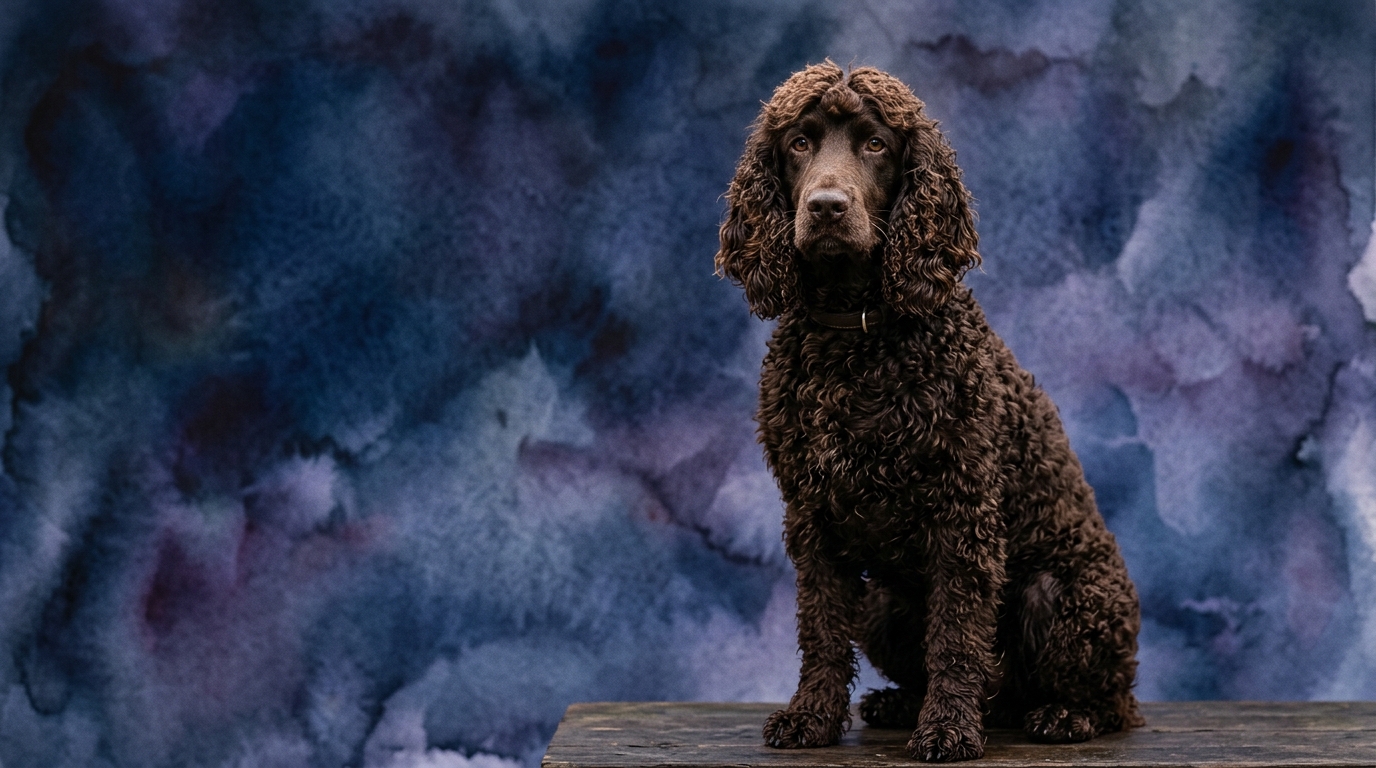
In contrast, the Irish Water Spaniel (IWS), a distinguished sporting dog with a Coren rank of 24, exhibits a sharper cognitive edge in several key areas. Their Problem Solving (4/5) aptitude is notably higher; they approach novel situations with a discerning and often strategic mindset, quickly grasping cause-and-effect relationships. This is particularly evident when tasks involve retrieving, navigating obstacles, or efficiently figuring out how to achieve a desired outcome. The IWS's Training Speed (4/5) is impressive, reflecting their Coren rank; they demonstrate a quicker grasp of new commands and behaviors, often requiring fewer repetitions to achieve proficiency. Their eagerness to please, combined with their sharp cognitive processing, makes them highly responsive to training, enabling them to learn complex tasks with relative ease. Their Social Intelligence (3/5) matches the PBGV, displaying a moderate level of understanding and response to human emotional cues and interactions within their social group. They are generally good-natured and form strong bonds, though their primary focus often remains on working tasks or engaging in physical activity rather than intricate social maneuvering. The Instinctive Drive (3/5) of the IWS is powerfully centered on retrieving and a deep love for water, a fundamental motivation that shapes much of its activity and engagement. This inherent desire to fetch and swim is a defining characteristic, guiding their play, exercise, and interaction preferences. Their Memory (4/5) is commendable, allowing them to retain a vast array of commands, routines, and past experiences with precision. This strong recall is invaluable for complex training sequences and remembering specific locations or cues over extended periods.
Where the Petit Basset Griffon Vendéen Wins Cognitively
The PBGV’s distinct cognitive strength lies in its independent, persistent problem-solving, particularly when driven by an irresistible scent. While its problem-solving score of 3/5 may seem lower than the IWS, the *nature* of its cognitive approach is uniquely valuable for specific roles. A PBGV excels at autonomously figuring out how to access a scent source or navigate complex, varied terrain by following an odor, often without constant human direction. This self-reliance, honed over centuries of trailing game, means they don't always look to their handler for the answer but rather trust their own sensory input and investigative skills. This cognitive independence allows them to operate effectively in environments where direct human oversight is limited, making them exceptional at what they were bred for: sustained, self-directed tracking. Their social intelligence, while rated 3/5, allows them to be adaptable and friendly without being overly reliant on human interaction for validation, fostering a unique kind of confident and charming companionship that appeals to owners who appreciate a dog with a mind of its own.
Where the Irish Water Spaniel Wins Cognitively
The Irish Water Spaniel clearly outshines the PBGV in areas requiring rapid learning, strategic problem-solving, and robust memory, evidenced by its 4/5 scores in these dimensions and its Coren rank of 24. Their problem-solving acumen allows them to quickly assess situations and devise efficient solutions, whether it's navigating a tricky retrieve, understanding a multi-step command sequence, or adapting to new training scenarios. This strategic thinking, combined with a quick training speed, means they can master new tasks and complex routines with fewer repetitions than many other breeds. Furthermore, their superior memory ensures that once a lesson is learned, it is retained effectively, leading to consistent performance even after a break from training. This blend of quick comprehension, effective problem-solving, and strong recall makes the IWS particularly adept at performance sports, advanced obedience, and any tasks requiring a high degree of precision, responsiveness, and consistent application of learned behaviors.
Which is Easier to Train and Why
The Irish Water Spaniel is generally easier to train due to its higher scores in training speed (4/5) and problem-solving (4/5), coupled with its Coren rank of 24. These dogs possess a strong desire to please their handlers and a keen ability to quickly understand what is being asked of them. Their readiness to engage and their capacity to retain information efficiently means they can pick up new commands and complex sequences with fewer repetitions. For example, an IWS is likely to master a multi-step retrieve, an intricate agility course, or a complex obedience routine much faster, demonstrating consistent execution and a reliable response to cues.
In contrast, the Petit Basset Griffon Vendéen, with a training speed of 3/5 and problem-solving of 3/5, presents a different training dynamic. While certainly capable of learning, their independent hound nature means they often prioritize following a compelling scent or their own established agenda over immediate compliance. Training a PBGV requires more patience, consistency, and creative motivation that effectively taps into their love for exploration and scent work, rather than relying solely on traditional obedience methods. They might intellectually understand a command but choose to defer action if a more interesting smell or activity presents itself, reflecting a cognitive process that weighs external, instinct-driven stimuli heavily. This isn't a lack of cognitive ability, but rather a different prioritization of cognitive resources, making them less inherently "easy" to train in a purely obedience-focused sense compared to the eager and handler-focused IWS.
Which Suits Active Owners vs. Relaxed Owners
For active owners seeking a highly engaged and mentally stimulated companion, the Irish Water Spaniel is an excellent match. Their strong instinctive drive for retrieving (3/5), combined with superior problem-solving (4/5) and memory (4/5), means they thrive on consistent physical exercise and diverse intellectual challenges. Owners who enjoy activities like dock diving, advanced obedience, agility, field work, or even just long, challenging hikes will find the IWS an enthusiastic and capable partner. Their cognitive makeup demands regular outlets for their mental energy, preventing boredom and potential destructive behaviors that can arise from under-stimulation. A relaxed owner might find the IWS's intense need for engagement overwhelming, potentially leading to an under-stimulated dog that invents its own, less desirable, forms of entertainment.
The Petit Basset Griffon Vendéen, while certainly not a sedentary breed, can suit a slightly more relaxed owner who appreciates independence and enjoys engaging in less structured, more exploratory activities. Their instinctive drive (3/5) is primarily geared towards scent work and exploration, which can be satisfied with long, leashed walks or controlled off-leash time in secure areas where they can truly follow their nose. While they need regular exercise, their cognitive satisfaction often comes from the act of discovery and investigation rather than rigorous, repetitive tasks. An owner who enjoys puzzle toys that involve scent, who can appreciate a dog that operates with a degree of charming self-determination, or who values a companion with a quirky, self-directed streak, might find the PBGV's cognitive profile a delightful fit. They require mental stimulation, but it often revolves around their natural hound instincts and environmental engagement rather than complex obedience routines, making them adaptable to owners with a moderate activity level.
The Verdict
Choose the Petit Basset Griffon Vendéen if you appreciate a dog with independent thought, a charmingly stubborn streak, and a profound joy in exploring the world through scent, valuing companionship over strict obedience. They are ideal for owners who enjoy moderate, exploratory activities and can patiently engage with a dog that prioritizes its nose.
Opt for the Irish Water Spaniel if you seek a highly trainable, quick-witted partner for advanced activities and performance sports, thriving on consistent mental and physical challenges. They are perfect for active owners dedicated to engaging their dog's sharp mind and strong working drive.
🧠 Find Your Pet's IQ Score
Our Pet IQ Lab assessment covers 25+ tests across 5 cognitive dimensions — personalized to your breed.
Take the Full IQ Test →Frequently Asked Questions
How does the PBGV's independent nature impact its training?
The PBGV's independent nature means it often prioritizes its own sensory discoveries, particularly compelling scents, over immediate human commands. Training requires patience, positive reinforcement, and making lessons highly engaging to effectively compete with their natural curiosity and self-directed problem-solving.
What kind of mental stimulation does an Irish Water Spaniel require to thrive?
An Irish Water Spaniel thrives on varied mental stimulation, including complex obedience, interactive puzzle toys, agility, and retrieving games that challenge their problem-solving and memory. Their sharp minds and strong working drive necessitate consistent and diverse engagement to prevent boredom and promote overall well-being.
Are Petit Basset Griffon Vendéens or Irish Water Spaniels better with children and other pets?
Both breeds, with their 3/5 social intelligence, can be good with children and other pets with proper socialization and supervision. PBGVs are generally boisterous and friendly, while IWS are often good-natured but may have a stronger prey drive towards smaller, fast-moving animals, requiring careful introductions and management.