Side-by-Side Cognitive Profiles
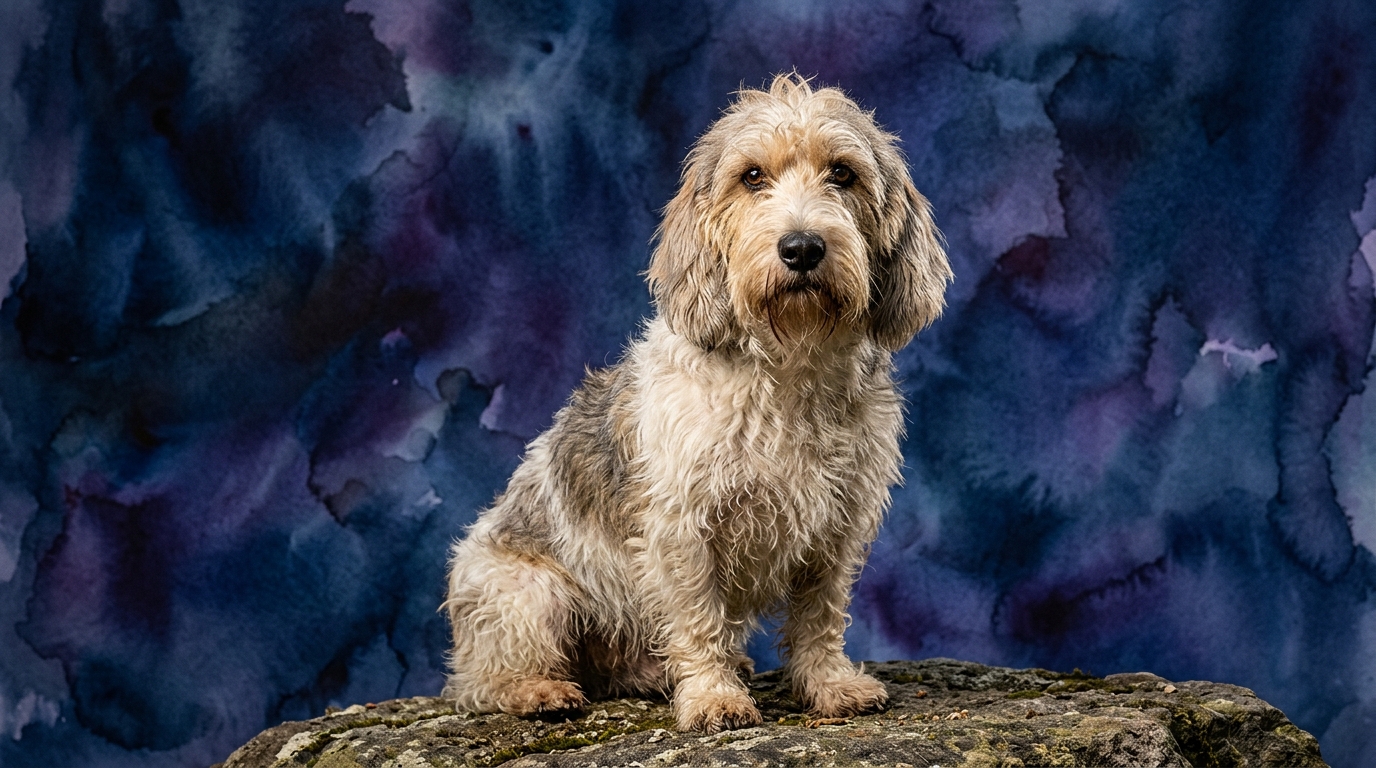
The Petit Basset Griffon Vendéen, a boisterous hound, approaches cognitive tasks with a zest for discovery, heavily influenced by their powerful olfactory world. Their Problem Solving (3/5) often manifests as persistent efforts to unravel scent puzzles or navigate complex terrains in pursuit of a perceived trail, prioritizing instinct over immediate human direction. Training Speed (3/5) is moderate; while capable of learning, their independent nature and strong scent drive mean lessons must compete with compelling environmental stimuli. Social Intelligence (3/5) sees them engaging warmly with their human pack and other dogs, though their focus can easily shift to an intriguing smell. Their Instinctive Drive (3/5) is profoundly rooted in hunting and tracking, a relentless pursuit that defines much of their cognitive energy. Memory (3/5) is excellent for recalling scent paths and past experiences, particularly those tied to successful hunts or pleasurable discoveries.
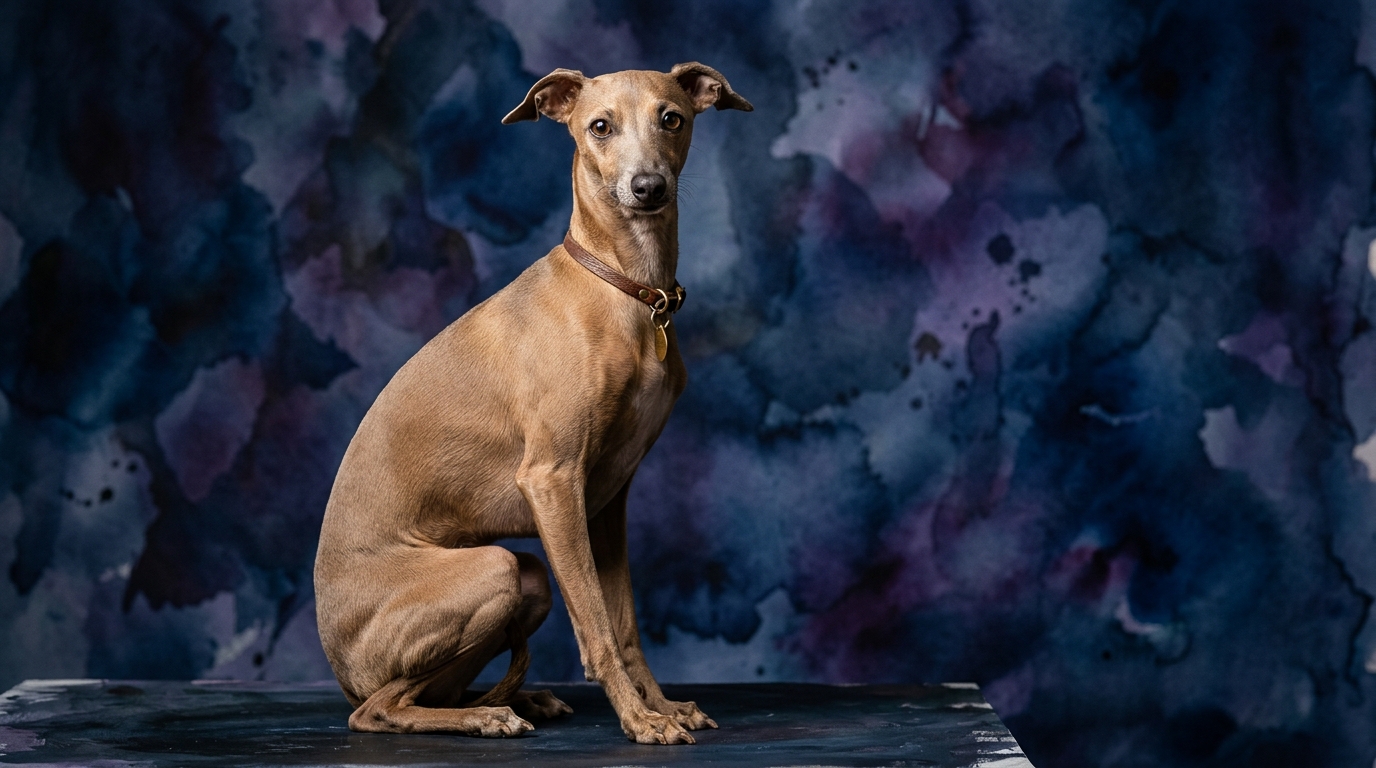
The Italian Greyhound, a delicate and agile toy breed, exhibits a cognitive style marked by sensitivity and an acute awareness of their immediate environment and social dynamics. Their Problem Solving (3/5) is often directed towards optimizing comfort, finding the warmest sunbeam, or cleverly navigating furniture to reach a cozy spot. Training Speed (3/5) can be surprisingly quick for simple cues, especially when positive reinforcement is gentle and consistent, but house-training can be a unique challenge due to their small size and comfort-seeking tendencies. Social Intelligence (3/5) is a hallmark; they are highly attuned to human emotions and body language, seeking connection and comfort, though they can be reserved with strangers. Their Instinctive Drive (3/5) involves a sighthound's swift pursuit of small, moving objects and an overriding desire for warmth and close companionship. Memory (3/5) is strong for routines, preferred resting places, and remembering the nuances of human interaction, both positive and negative.
Where the Petit Basset Griffon Vendéen Cognitively Excels
Despite identical numerical scores, the PBGV’s cognitive strengths shine particularly bright in scenarios requiring sustained, independent investigation and resilience. Their Problem Solving, rated 3/5, is geared towards environmental challenges, particularly those involving sensory information beyond human perception. A PBGV excels at deciphering a complex scent trail through varied terrain, demonstrating a cognitive tenacity to follow a lead even when obstacles arise. This isn't about solving a puzzle box for a treat, but about methodically working through a sensory maze with unwavering focus. Their Instinctive Drive, also 3/5, is a powerful cognitive engine, enabling them to maintain concentration on a task, like tracking, for extended periods, far outlasting many other breeds. This drive fuels their memory for specific locations and successful hunting strategies, making them adept at recalling where a particular scent was strongest or where a “prey” might have gone. This sustained, self-directed engagement with the environment, driven by their keen nose, is a cognitive advantage where the PBGV truly stands out.
Where the Italian Greyhound Cognitively Excels
The Italian Greyhound’s cognitive strengths, while numerically similar, lean heavily into social nuance and environmental adaptation for comfort and safety. Their Social Intelligence (3/5) is expressed through an almost intuitive understanding of human moods and intentions, allowing them to adapt their behavior to maintain harmony and secure affection. They are masters at reading subtle cues, deciding when to offer a comforting presence or when to retreat to a quiet space. Their Problem Solving (3/5) is often applied to optimizing their personal well-being, such as creatively finding the snuggliest blanket pile or the highest perch for sunbathing, demonstrating an intelligent pursuit of comfort and security. This involves a quick assessment of their surroundings and an agile execution of their plan. Their Memory (3/5) is finely tuned to routines, preferred people, and locations that offer warmth and safety, making them highly predictable in their daily habits and deeply responsive to familiar faces. This combination of social perceptiveness and comfort-driven problem-solving provides the Italian Greyhound with a unique cognitive edge in navigating their domestic world.
Which Is Easier to Train and Why
Determining which breed is “easier” to train is less about raw intellect and more about their inherent motivations and sensitivities. The Italian Greyhound, with a Training Speed of 3/5, often appears more amenable to training, especially when methods are gentle and reward-based. Their strong desire for human companionship and comfort means they are highly motivated to please their primary caregivers, particularly if training sessions are treated as bonding opportunities. They are sensitive to tone and body language, learning quickly from positive reinforcement and easily discouraged by harshness. However, their small bladder and preference for indoor comfort can make house-training a prolonged effort, requiring immense patience and consistency.
The Petit Basset Griffon Vendéen, also with a Training Speed of 3/5, presents a different set of challenges. Their independent hound nature and potent Instinctive Drive (3/5) mean they are often more interested in following a compelling scent than a human command. While perfectly capable of learning, their training requires a more creative and persistent approach, often involving turning training into a game or incorporating scent work to hold their interest. They are less driven by a desire to “please” in the human sense and more by self-gratification through exploration or tracking. Distractions are powerful for a PBGV, making consistent recall a significant undertaking. Therefore, while both breeds score 3/5 in training speed, the Italian Greyhound’s inherent desire for connection generally makes them more straightforward to guide through obedience, whereas the PBGV demands a trainer who understands and can harness their independent, scent-driven mind.
Which Suits Active Owners vs. Relaxed Owners
For the active owner, the Petit Basset Griffon Vendéen presents a compelling companion. Their robust build and boundless energy, fueled by their Hound Instinctive Drive (3/5), thrive on regular outdoor adventures. They are ideal for owners who enjoy long walks, hiking, or even engaging in scent work or earthdog trials. A PBGV’s Problem Solving (3/5) and Memory (3/5) are best stimulated by exploring new environments and tackling sensory challenges. They require consistent mental and physical engagement to prevent boredom and potential destructive behaviors. An owner who understands their need for independence and outdoor exploration will find a loyal and enthusiastic partner.
Conversely, the Italian Greyhound, while possessing a surprising burst of speed and agility, often aligns better with relaxed owners or those who appreciate a more indoor-centric lifestyle. Their smaller size and delicate frame make them excellent apartment dwellers, and while they enjoy short bursts of play and “zoomies,” their primary drive is often towards comfort and close companionship. Their Social Intelligence (3/5) means they flourish in a calm home environment where they can bond deeply with their family, often preferring to curl up on a lap or under a blanket. They still need daily walks and opportunities to stretch their legs, but their exercise requirements are generally less demanding than the PBGV’s. An owner who values quiet companionship, indoor snuggles, and a sensitive, affectionate presence will find the Italian Greyhound an ideal match.
The Verdict
Choose the Petit Basset Griffon Vendéen if you are an active, patient owner who relishes a dog with an independent spirit, a nose for adventure, and the drive to explore the world through scent. Be prepared to channel their hound instincts into engaging activities and appreciate their unique problem-solving tenacity.
Opt for the Italian Greyhound if you seek a sensitive, affectionate companion who thrives on close human connection, appreciates comfort, and brings a delicate elegance to a more relaxed home environment. Their social intelligence and quick learning for gentle guidance make them a delightful, though sometimes reserved, family member.
🧠 Find Your Pet's IQ Score
Our Pet IQ Lab assessment covers 25+ tests across 5 cognitive dimensions — personalized to your breed.
Take the Full IQ Test →Frequently Asked Questions
Do Petit Basset Griffon Vendéens and Italian Greyhounds get along with other pets?
A PBGV’s strong prey drive (Instinctive Drive 3/5) means they might view smaller, fast-moving pets as something to chase, though they generally socialize well with other dogs. Italian Greyhounds, with their sensitive nature and sighthound instincts, can coexist peacefully with other gentle pets, but introductions should be slow and supervised.
Are either of these breeds good for first-time dog owners?
The Italian Greyhound’s desire for connection and responsiveness to gentle training (Training Speed 3/5) can make them suitable for patient first-time owners who understand their sensitivity and house-training needs. The PBGV’s independent nature and strong scent drive (Instinctive Drive 3/5) might be more challenging for a novice, requiring a dedicated owner prepared for their hound’s specific motivations.
How do their problem-solving skills differ in a home environment?
A PBGV’s Problem Solving (3/5) in a home might involve creatively getting to a forbidden scent source or figuring out how to open a gate to explore. An Italian Greyhound’s Problem Solving (3/5) would likely focus on finding the warmest spot on the couch, navigating obstacles to reach a favorite sunbeam, or cleverly securing a comfortable napping location.