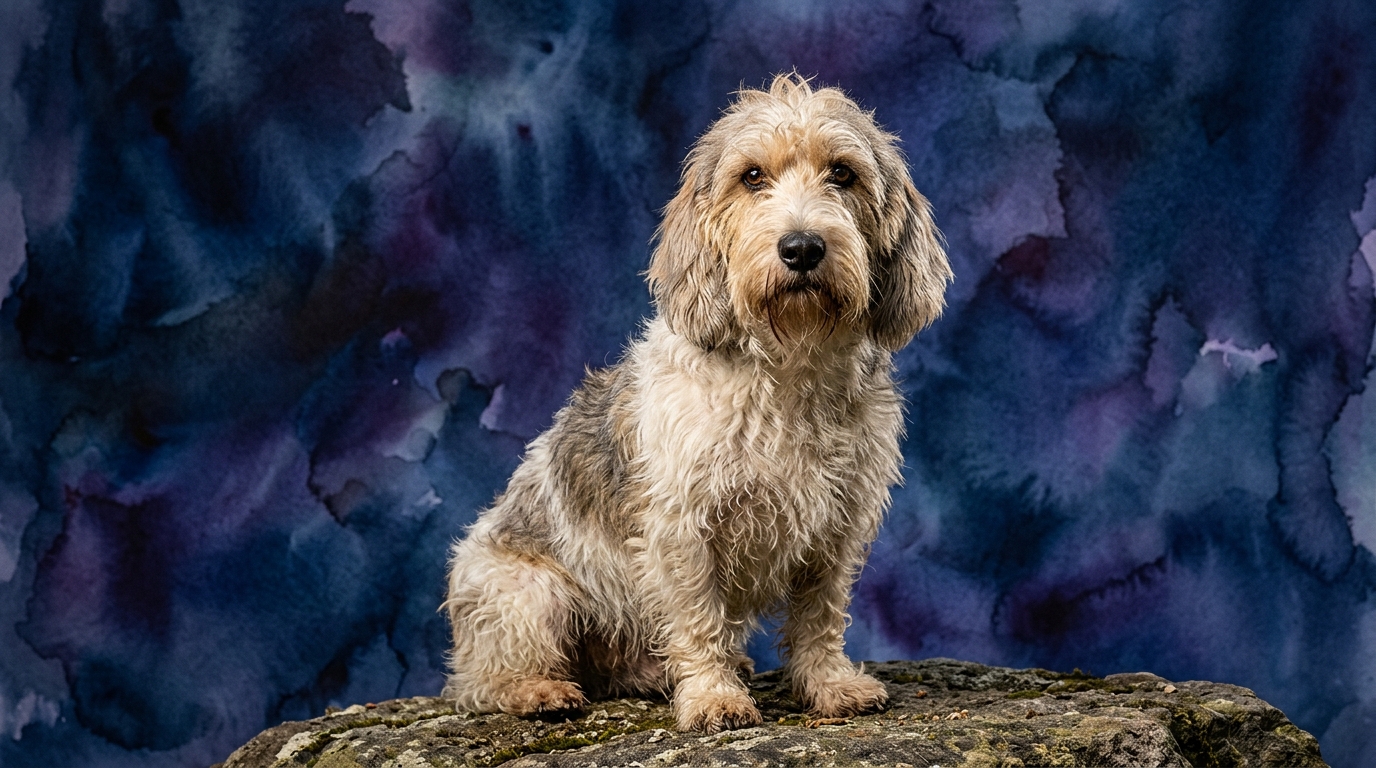
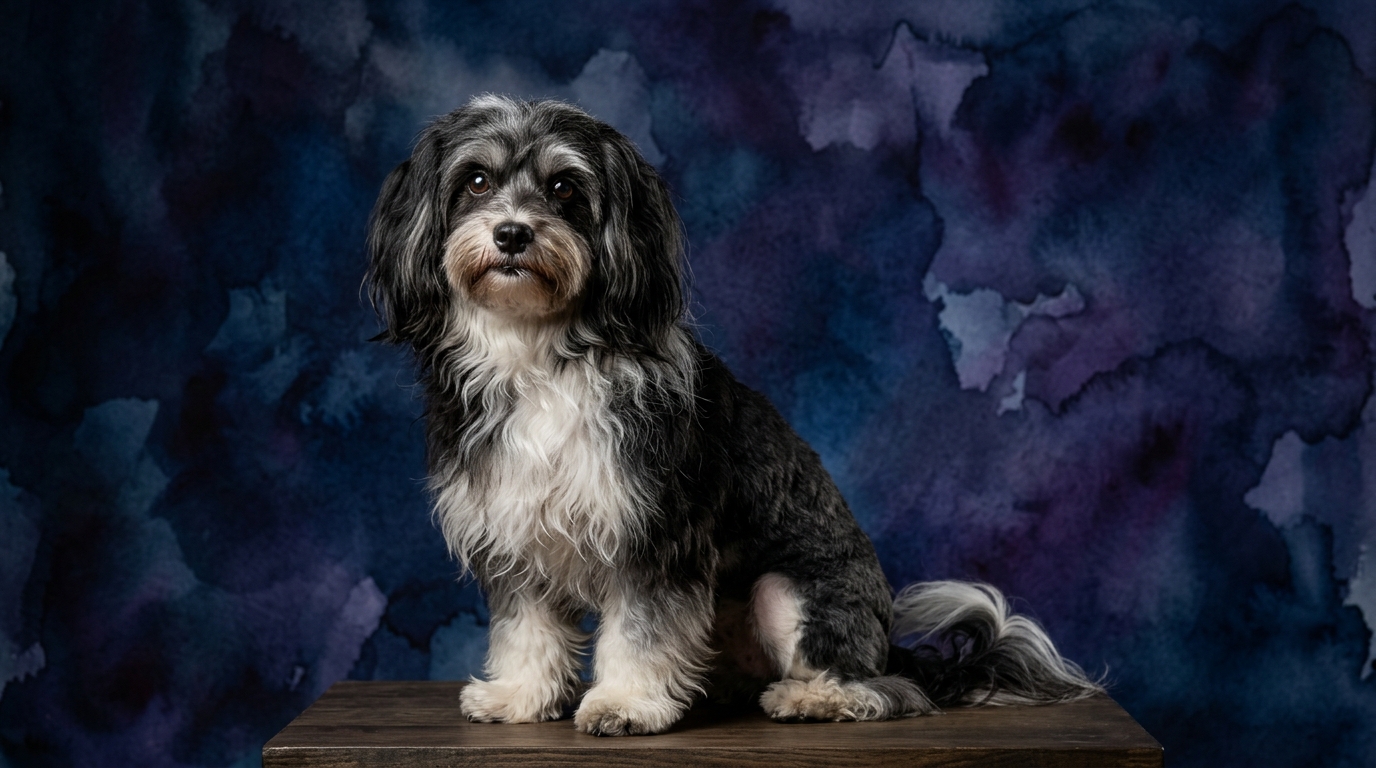
Side-by-Side IQ Profile: Unpacking the 3/5 Scores
The Cosmic Pet Pet IQ Lab assesses five key cognitive dimensions, and both the Petit Basset Griffon Vendéen (PBGV) and the Löwchen proudly achieve a 3/5 in each. However, understanding what a '3/5' means for a tenacious hound versus a charming companion requires a closer look at their intrinsic motivations and historical roles.
For the **Petit Basset Griffon Vendéen (PBGV) – The Tenacious Tracker**:
**Problem Solving (3/5):** A PBGV's problem-solving acumen shines brightest when confronted with a complex scent trail. Their intellect is geared towards deciphering environmental cues, navigating varied terrains, and finding innovative ways to overcome obstacles that stand between them and a quarry, demonstrating a persistent, independent thought process.
**Training Speed (3/5):** While capable of learning, the PBGV's training speed often reflects their independent hound nature. They can grasp commands with consistency and positive reinforcement, but their profound focus on scent can sometimes make them appear selectively deaf, requiring a trainer who understands their innate drives and can make learning feel like a rewarding game.
**Social Intelligence (3/5):** PBGVs are social creatures, capable of forming strong bonds with their human 'pack' and other dogs. They can read social cues and thrive on interaction, though their attention might occasionally wander towards an intriguing outdoor scent, momentarily eclipsing their focus on human communication.
**Instinctive Drive (3/5):** The PBGV's instinctive drive is primarily centered around their hound heritage. This score indicates a strong, yet generally manageable, impulse to track, bay, and explore with their nose to the ground. It's a fundamental part of their being, requiring appropriate outlets to satisfy this innate curiosity.
**Memory (3/5):** Their memory is particularly acute for scent patterns, familiar routes, and the geography of their environment. They recall commands and routines effectively, but a compelling new scent can sometimes temporarily override their recall of a sit-stay, showcasing a memory tied closely to their primary sensory input.
For the **Löwchen – The Engaging Companion**:
**Problem Solving (3/5):** The Löwchen applies its problem-solving abilities to its immediate social and domestic environment. This might involve figuring out how to retrieve a favorite toy from under furniture, manipulating owners for extra attention or treats, or understanding complex household routines. Their intellect is often directed towards achieving desired social outcomes.
**Training Speed (3/5):** Löwchens demonstrate a good aptitude for learning, often picking up new commands and tricks at a decent pace, especially when training is engaging and rewarding. Their desire to please their human companions, coupled with a lively curiosity, contributes to their moderate training speed, though a playful stubborn streak can emerge if they find a task uninteresting.
**Social Intelligence (3/5):** Exceptionally attuned to human emotions and social dynamics, the Löwchen thrives on interaction and communication. They are adept at reading moods, understanding subtle cues, and reciprocating affection, making them highly responsive and empathetic companions who actively participate in family life.
**Instinctive Drive (3/5):** The Löwchen's instinctive drive is predominantly focused on companionship and play. While they may possess a moderate prey drive for small, scurrying creatures, their primary instinct is to be an integral, joyful member of their human family, seeking engagement and offering comfort.
**Memory (3/5):** Löwchens possess a solid memory for routines, people, past interactions, and learned commands. They remember what leads to positive outcomes, whether it's a specific trick for a treat or a comforting cuddle, contributing to their adaptability and ease within a domestic setting.
Where Petit Basset Griffon Vendéen Wins Cognitively
Despite matching numerical scores, the PBGV exhibits a distinct cognitive advantage in tasks demanding independent, scent-driven perseverance. Their problem-solving isn't about pleasing a human; it's about following an ancient instinct. A PBGV excels at deciphering complex olfactory puzzles, navigating intricate outdoor environments, and maintaining focus on a trail for extended periods, even when faced with distractions. This translates into an unparalleled ability to 'work a scent' – a cognitive feat requiring sustained attention, pattern recognition in odors, and a robust spatial memory for terrain. While a Löwchen might figure out how to open a treat jar, a PBGV's intellect is honed for the nuanced challenge of tracking a rabbit through a dense thicket, a specialized form of cognitive engagement that few breeds can match.
Where Löwchen Wins Cognitively
The Löwchen's cognitive strengths lie in their nuanced social engagement and adaptability within a human household. Their social intelligence, while rated similarly, manifests as a superior ability to interpret subtle human cues, anticipate needs, and adapt their behavior to maintain harmony and affection within the family unit. A Löwchen’s problem-solving often involves 'reading the room' – understanding when to be playful, when to offer comfort, or how to subtly solicit attention. Their memory is particularly sharp for human routines and emotional states, allowing them to integrate seamlessly into domestic life. While a PBGV is deciphering the world through its nose, a Löwchen is an expert at navigating the complex emotional landscape of human interaction, making them exceptionally empathetic and responsive companions.
Which is Easier to Train and Why
When comparing ease of training, the Löwchen generally presents a more straightforward experience for the average owner, despite both breeds sharing a 3/5 training speed score. The Löwchen's strong desire to please, coupled with their focus on human interaction, means they are often more motivated by praise, play, and treats directly from their owner. Their social intelligence helps them quickly understand what is expected and why, making them responsive to positive reinforcement methods.
In contrast, the PBGV's training journey, while equally rewarding, often requires more patience and creativity. Their independent hound nature means they can be easily distracted by compelling scents, and their problem-solving is intrinsically linked to their hunting drive, not necessarily human direction. A PBGV might learn a 'stay' command flawlessly in a quiet room but might 'forget' it the moment a squirrel crosses their path. Trainers need to find ways to make training more engaging and to compete with the allure of the outdoors, often by incorporating scent work or making commands relevant to their natural drives. Consistency is paramount with a PBGV, as is understanding that their 'stubbornness' is often just their instincts taking precedence.
Which Suits Active Owners vs. Relaxed Owners
The choice between a PBGV and a Löwchen significantly depends on an owner's lifestyle and activity levels. The Petit Basset Griffon Vendéen is undeniably suited for active owners. Their instinctive drive and need for mental stimulation, particularly through scent work and exploration, demand regular, vigorous exercise. They thrive on long walks, hikes, and opportunities to sniff and follow trails, making them ideal companions for those who enjoy outdoor adventures and can provide consistent engagement for their keen minds and bodies. Owners who appreciate a dog with a robust, independent spirit and are prepared to channel their hound energy will find a PBGV a fulfilling partner.
Conversely, the Löwchen is an excellent fit for owners seeking a more relaxed yet still engaged companion. While they enjoy play and walks, their exercise needs are generally moderate. They are content with shorter, regular outings and thrive on indoor games, mental challenges through toys, and ample social interaction with their family. Their social intelligence and adaptability make them wonderful companions for individuals or families who prefer a cozy evening at home but still appreciate a lively, affectionate dog to share their daily lives. They are less likely to bolt after a scent, making off-leash park visits potentially less stressful for owners who prefer a calmer outing.
The Verdict
Choose the Petit Basset Griffon Vendéen if you're an active, outdoorsy individual or family eager to engage with a dog's independent, scent-driven intellect and provide consistent outlets for their hound instincts.
Opt for the Löwchen if you seek an empathetic, socially astute companion dog who thrives on close human interaction and can seamlessly adapt to a more relaxed domestic lifestyle, while still enjoying playful engagement.
🧠 Find Your Pet's IQ Score
Our Pet IQ Lab assessment covers 25+ tests across 5 cognitive dimensions — personalized to your breed.
Take the Full IQ Test →Frequently Asked Questions
Do PBGVs and Löwchens learn at the same pace?
While both breeds score 3/5 for training speed, their learning styles differ. Löwchens often pick up commands faster due to their desire to please, whereas PBGVs, with their independent hound nature, require more patience and creative methods to keep them focused amidst environmental distractions.
How does their problem-solving differ given the same score?
A PBGV's problem-solving is typically geared towards navigating complex scent trails and outdoor obstacles, driven by instinct. A Löwchen's problem-solving often involves understanding human routines, manipulating toys, or figuring out how to gain attention within a domestic setting.
Are PBGVs or Löwchens better for first-time dog owners?
The Löwchen is often more suitable for first-time owners due to their eagerness to please and adaptable nature. PBGVs, while charming, require an owner who understands and can manage their strong hound instincts and independent spirit.