Side-by-Side IQ Profile
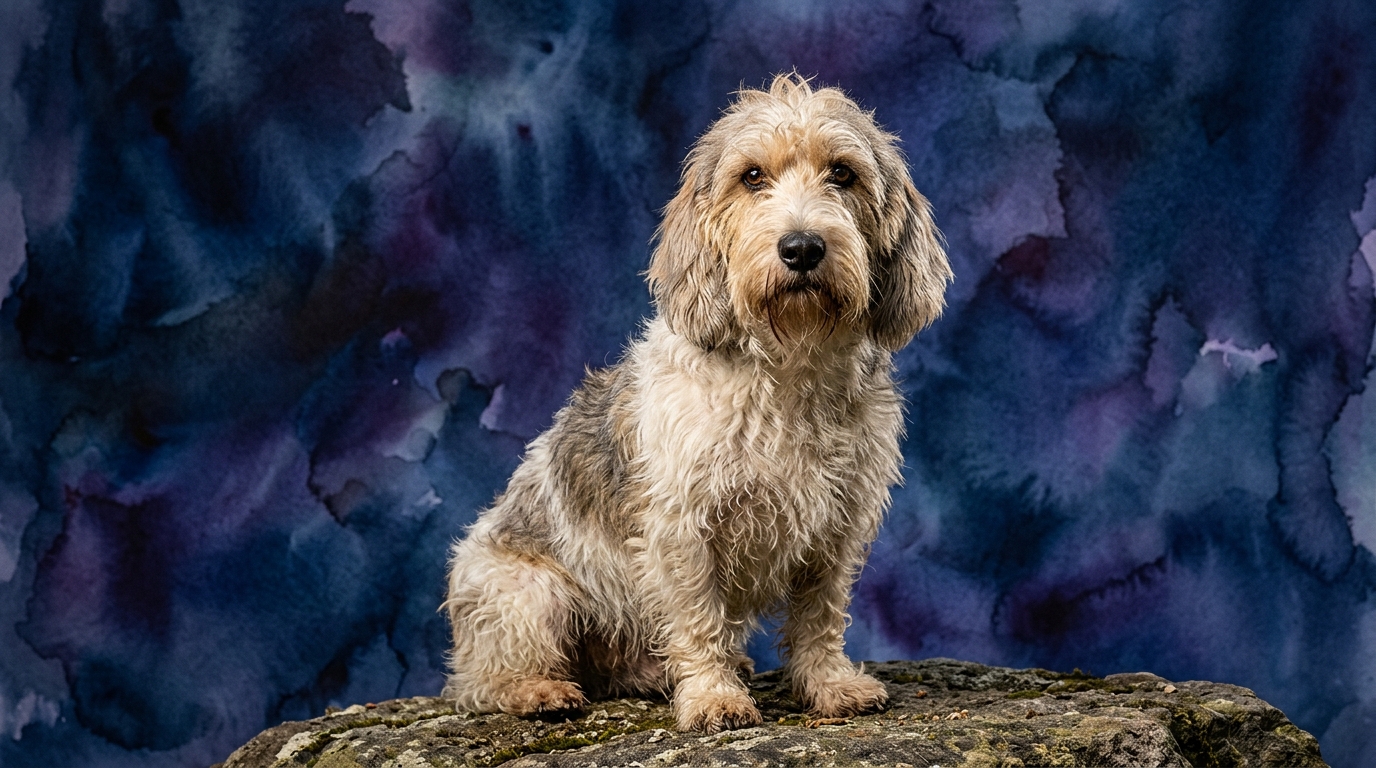
**Petit Basset Griffon Vendéen (PBGV)**: As a dedicated hound, the PBGV's cognitive profile is deeply intertwined with its sensory world. Its **Problem Solving (3/5)** manifests as persistent, methodical deduction, primarily through scent. These dogs excel at unraveling complex olfactory puzzles, meticulously following invisible trails to locate hidden items, prioritizing their nose over visual cues. Their **Training Speed (3/5)** is moderate, often influenced by their independent nature and distractibility by compelling scents. Consistency, patience, and high-value rewards are essential to integrate commands amidst environmental temptations. **Social Intelligence (3/5)** for a PBGV is generally warm and outgoing towards family and other dogs, attuned to household moods, though a strong scent can temporarily override human connection. Its **Instinctive Drive (3/5)** is almost entirely focused on scent work, demonstrating unwavering determination to track, explore, and vocalize discoveries. Finally, their **Memory (3/5)** is robust for routines, familiar people, and particularly for complex scent patterns and locations of past "finds," aiding their exploratory nature.
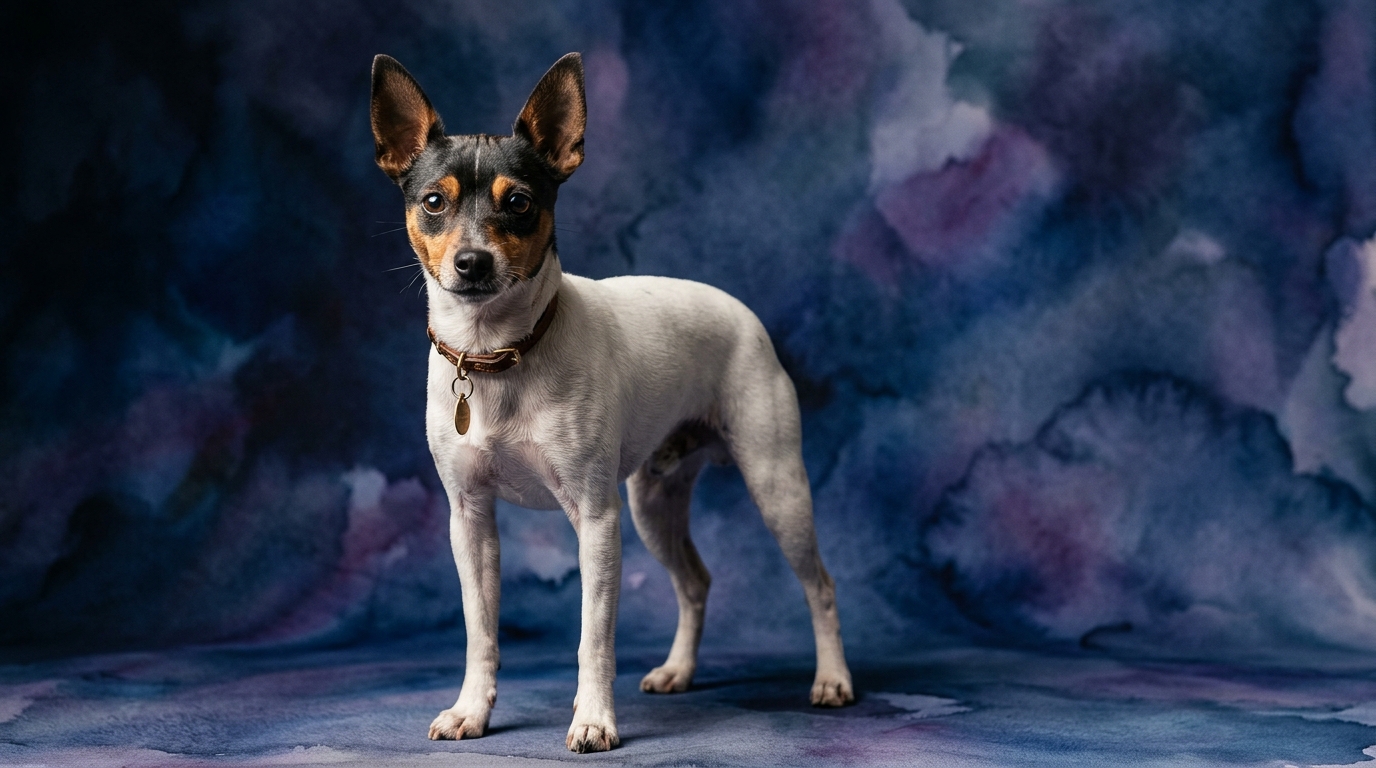
**Toy Fox Terrier (TFT)**: The Toy Fox Terrier, a spirited toy breed, exhibits a cognitive style characterized by alertness and human-centric engagement. Their **Problem Solving (3/5)** is quick-witted and opportunistic; they often use agility and mental sharpness to access desired items or manipulate their environment, like opening cabinets or navigating obstacles. Their solutions are typically direct and energetic, driven by curiosity. **Training Speed (3/5)** is moderate, with TFTs learning commands enthusiastically when engaged, but their terrier stubbornness can slow progress if motivation isn't consistently high. **Social Intelligence (3/5)** in a TFT intensely centers on their human family; they are highly observant of emotions and routines, often anticipating needs. They can be discerning with strangers, prioritizing their inner circle. Their **Instinctive Drive (3/5)** is a potent blend of prey drive and watchfulness, manifesting as a strong urge to chase small, fast-moving objects, digging, and barking at perceived threats. Their **Memory (3/5)** is reliable for commands, routines, and the locations of favored possessions, supporting their daily interactions and learning within their human-centric world.
Where Petit Basset Griffon Vendéen Wins Cognitively
Despite identical numerical scores, the PBGV exhibits a distinct cognitive advantage in tasks requiring sustained, independent focus on sensory input, particularly scent. Their profound instinctive drive, rated 3/5, translates into an unparalleled ability to track and discriminate complex olfactory information over long durations, a skill essential for their hunting heritage. This isn't just about identifying a smell; it's about piecing together an entire narrative from fleeting environmental cues. Their problem-solving (3/5) in this context involves a persistent, methodical pursuit, where they 'think' with their nose, meticulously unraveling scent puzzles that would overwhelm many other breeds. Furthermore, their memory (3/5) shines in recalling these intricate scent pathways and the locations of past discoveries, allowing them to efficiently revisit productive areas or continue a trail after an interruption. This specific application of their cognitive abilities makes them exceptional in roles demanding independent, scent-driven deduction and endurance.
Where Toy Fox Terrier Wins Cognitively
Conversely, the Toy Fox Terrier demonstrates cognitive strengths in areas demanding quick adaptation, keen observation of human behavior, and agile manipulation of their immediate environment. Their social intelligence (3/5) is particularly acute when directed towards their human companions; they are adept at reading subtle cues, anticipating moods, and often seem to 'know' what their person wants before it's explicitly asked. This translates into a nuanced understanding of their domestic social landscape. Their problem-solving (3/5) often involves clever, sometimes mischievous, strategies to achieve their goals, such as figuring out how to open a cabinet or retrieve a dropped item with precision and determination. This isn't a brute force approach but a nimble, opportunistic one. The TFT's memory (3/5) is also keenly applied to recalling routines, specific commands given by their preferred handler, and where they last saw a coveted toy or treat, making them highly effective at navigating their human-centric world and exploiting opportunities.
Which is Easier to Train and Why
Determining which breed is 'easier' to train is less about raw intellectual capacity and more about managing their inherent drives and motivations. Both breeds score 3/5 in training speed, implying moderate learnability. The Petit Basset Griffon Vendéen, with its strong instinctive drive for scent work, can present challenges due to distractibility. A PBGV on a walk might become completely engrossed in a compelling scent, making recall or focus on commands difficult. Their independent hound nature means they often need to understand *why* a command is relevant or be offered a sufficiently high-value reward to override their natural inclinations. Training a PBGV requires immense patience, consistency, and an understanding that their nose will always be a powerful, often overriding, motivator. Conversely, the Toy Fox Terrier, while also possessing a strong instinctive drive (prey drive, alertness), often channels this energy into interactive play and engagement with their owner. Their social intelligence, focused on their human companion, can make them more eager to please and more responsive to positive reinforcement, especially when training is framed as a fun, engaging game. However, their terrier stubbornness means they can quickly become bored or resistant if training isn't kept fresh and stimulating. While both require dedicated effort, the TFT's focus on human interaction can sometimes make basic obedience feel more cooperative, whereas the PBGV's deep-seated scent drive often demands a more strategic approach to maintaining attention.
Which Suits Active Owners vs Relaxed Owners
The ideal owner profile for these two breeds diverges significantly based on their intrinsic energy levels and cognitive engagement preferences. A Petit Basset Griffon Vendéen thrives with active owners who enjoy outdoor adventures and can provide ample opportunities for scent work and exploration. Their instinctive drive (3/5) demands regular, engaging mental and physical exercise that allows them to use their nose, whether through scent games, long hikes, or even structured tracking activities. A relaxed owner might find the PBGV's persistent curiosity and vocal nature challenging if not adequately channeled. They are not content with short walks; they need to investigate, follow trails, and expend their considerable hound energy. In contrast, the Toy Fox Terrier, while energetic and playful, can adapt to a slightly less strenuous physical routine, making them suitable for owners who enjoy consistent, interactive play sessions and mental stimulation rather than extensive outdoor expeditions. Their social intelligence (3/5) means they thrive on close companionship and benefit from owners who are present and engage them in indoor games, puzzle toys, and trick training. While they enjoy walks, their primary need is for human interaction and mental engagement within their family unit, making them a good fit for active individuals who prefer interactive home activities or moderately active outdoor pursuits over long, independent explorations.
The Verdict
Choose the Petit Basset Griffon Vendéen if you are an adventurous owner who delights in the outdoors, understands and can channel a powerful scent drive, and values a dog with independent, persistent problem-solving skills rooted in sensory exploration.
Opt for the Toy Fox Terrier if you seek a highly interactive, clever companion who thrives on close human connection, enjoys engaging in games and trick training, and can appreciate a dog with sharp wits and a playful, alert demeanor.
🧠 Find Your Pet's IQ Score
Our Pet IQ Lab assessment covers 25+ tests across 5 cognitive dimensions — personalized to your breed.
Take the Full IQ Test →Frequently Asked Questions
Do Petit Basset Griffon Vendéens bark a lot due to their intelligence?
PBGVs are hounds, and their vocal nature (baying, barking) is more tied to their instinctive drive (3/5) for trailing and alerting than their general intelligence. They tend to vocalize when on a scent or when excited, which is a functional part of their breed purpose.
Are Toy Fox Terriers good at learning tricks?
Toy Fox Terriers can be quite adept at learning tricks, especially when training is made fun and engaging. Their problem-solving (3/5) and social intelligence (3/5), combined with a desire to interact with their owners, make them responsive to positive reinforcement for trick training.
How do their memories affect daily life?
A PBGV's memory (3/5) helps them recall scent trails and routines, making them predictable in their habits but also prone to revisiting interesting smells. A TFT's memory (3/5) for commands and routines makes them reliable companions, but also means they remember past interactions, sometimes holding a 'grudge' or recalling where treats are hidden.