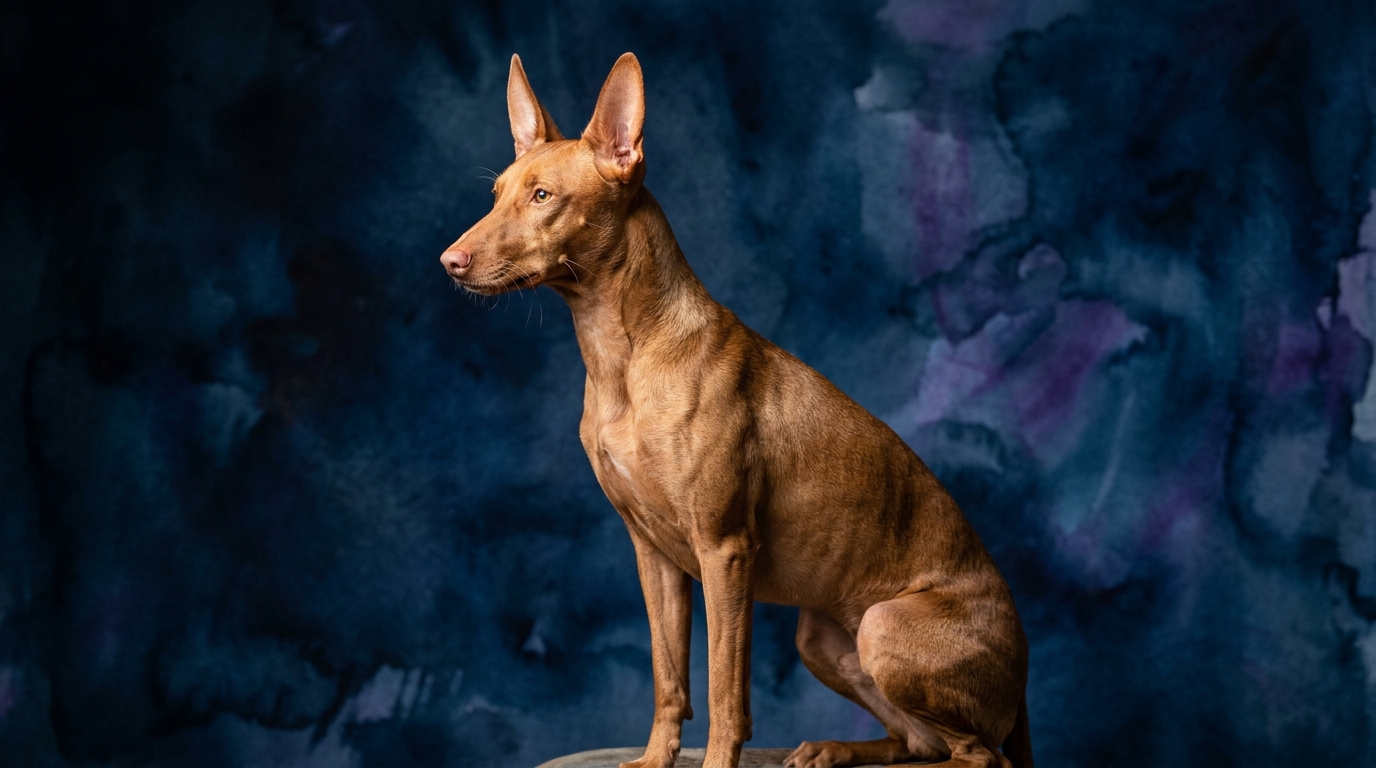
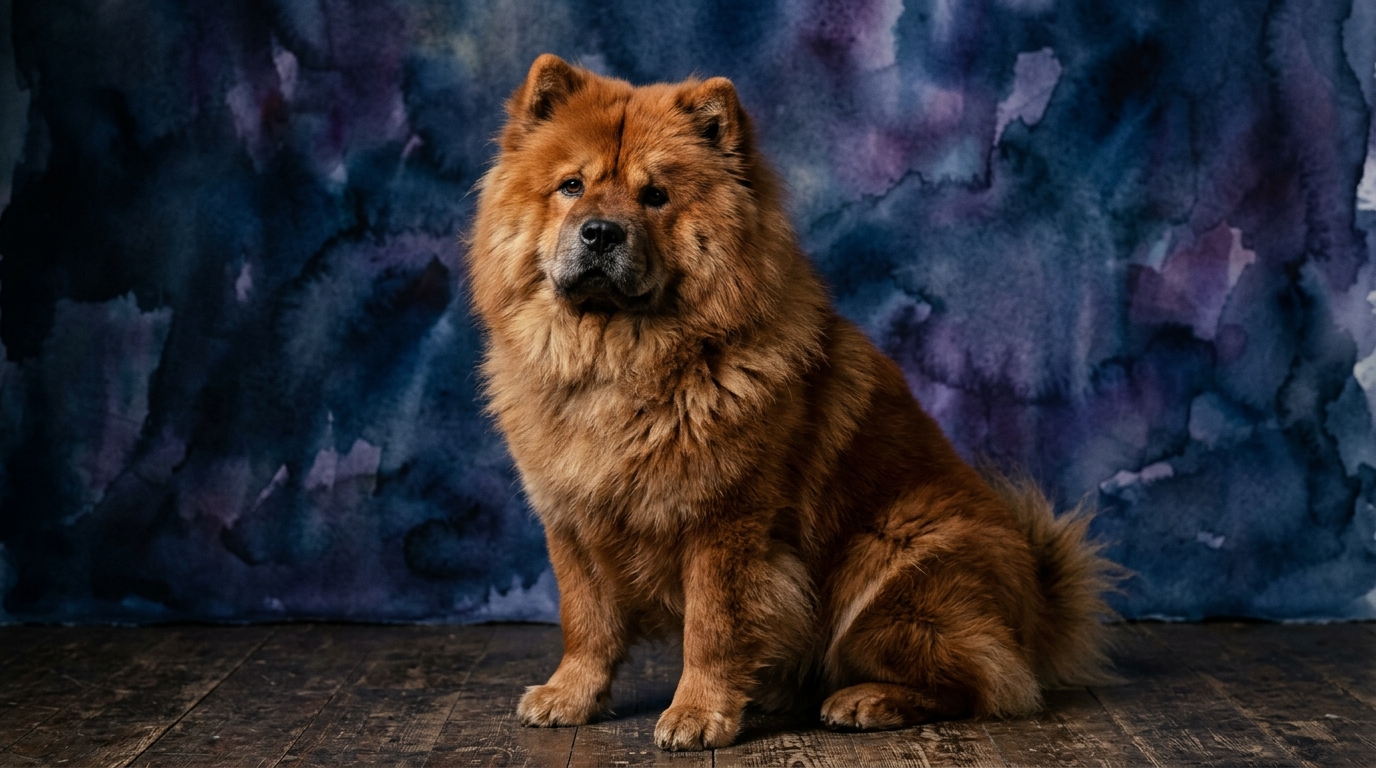
Side-by-Side IQ Profile: Pharaoh Hound vs. Chow Chow
Despite their divergent appearances and historical roles, The Cosmic Pet Pet IQ Lab assigns both the Pharaoh Hound and the Chow Chow identical scores of 3/5 across five key cognitive dimensions. This numerical parity, however, masks distinct expressions of their mental abilities, shaped by unique breed histories and temperaments.
For the Pharaoh Hound, a sleek sighthound with ancient lineage:
Problem Solving (3/5): Their problem-solving is independent and goal-oriented, often manifesting in clever strategies to pursue perceived 'prey' or navigate complex environments, like outmaneuvering a gate.
Training Speed (3/5): Pharaoh Hounds learn commands moderately, but their independent streak demands consistent, engaging, reward-based methods. They grasp concepts but often weigh their motivation, finding repetition unstimulating.
Social Intelligence (3/5): They form deep, affectionate bonds within their immediate family, reading moods with sensitivity. This intelligence is selective, often reserved with strangers, preferring their trusted circle.
Instinctive Drive (3/5): Their moderate instinctive drive is powerfully centered on sighthound heritage – a strong urge to chase and hunt. This fundamental drive directs much attention, requiring careful management.
Memory (3/5): Pharaoh Hounds exhibit moderate memory, retaining learned behaviors, spatial layouts, and associations with people or places, recalling training cues, routines, and past successful 'hunts'.
Conversely, the Chow Chow, an ancient Chinese breed known for its dignified, often aloof disposition:
Problem Solving (3/5): A Chow Chow’s problem-solving reflects self-sufficiency, focused on optimizing comfort or maintaining routines, such as strategic positioning for relaxation or subtle avoidance of unwanted interactions.
Training Speed (3/5): Their moderate training speed is heavily influenced by independence and occasional stubbornness. While capable of learning, willingness to comply hinges on their own assessment and motivation; patience and positive reinforcement are crucial.
Social Intelligence (3/5): Chow Chows display moderate social intelligence, primarily directed towards their immediate family. They form strong, often singular bonds with trusted individuals but remain indifferent or suspicious of outsiders.
Instinctive Drive (3/5): Their moderate instinctive drive leans towards guarding, territoriality, and self-preservation, rooted in historical roles. This manifests as a protective instinct towards home and family, desiring a predictable, secure environment.
Memory (3/5): Chow Chows possess moderate memory, reliably recalling established routines, household members, and past interactions, contributing to their predictable nature and ability to uphold preferred structure.
Where the Pharaoh Hound Wins Cognitively
While both breeds score identically, the Pharaoh Hound often demonstrates a nuanced cognitive edge in areas requiring quick, adaptive responses to dynamic environments. Their sighthound heritage translates into superior spatial awareness and rapid processing of visual stimuli. When presented with a novel outdoor environment, a Pharaoh Hound will typically assess distances, potential pathways, and the movement of small animals with exceptional speed and accuracy, leveraging their problem-solving and instinctive drive in unison. This cognitive strength allows them to make split-second decisions during a chase, adjusting their trajectory and speed based on changing conditions. Furthermore, their moderate social intelligence, while selective, often manifests as a more overtly sensitive and responsive connection to their primary owner's emotional state, making them quicker to pick up on subtle cues of excitement or distress, even if they don't always act on them immediately. This quick-witted adaptability, particularly in open spaces, is a distinct cognitive advantage.
Where the Chow Chow Wins Cognitively
The Chow Chow, despite identical scores, often excels in cognitive domains requiring steadfastness, discernment, and a strong sense of internal logic. Their problem-solving, while not outwardly dynamic, is often geared towards establishing and maintaining a preferred order or state of comfort. For example, a Chow Chow might exhibit a superior ability to 'problem-solve' how to quietly avoid an unwanted interaction or how to consistently secure the most comfortable resting spot, demonstrating a subtle, persistent application of their intelligence. Their moderate social intelligence, though reserved, allows for an exceptionally precise understanding of their immediate family's routines and boundaries. They possess a keen memory for who belongs and what constitutes a deviation from the norm, making them adept at discerning intruders or unusual occurrences. This blend of self-assured problem-solving and discerning memory within their established world gives them a cognitive advantage in maintaining stability and security.
Which is Easier to Train and Why
Determining which breed is 'easier' to train depends heavily on an owner's approach and expectations, given both score 3/5 in training speed. The Pharaoh Hound, despite its independent streak, tends to be more responsive to positive reinforcement and engaging, game-like training sessions. Their sighthound drive means they can be highly motivated by chase games or opportunities to run, which can be leveraged in training. However, their high prey drive means recall can be challenging in distracting environments, as their instinct to chase often overrides learned commands.
The Chow Chow presents a different training dynamic. While equally capable of learning, their inherent independence and dignified aloofness mean they often require more patience and a deep understanding of their motivations. They are not typically eager to please in the same way some other breeds are. Training a Chow Chow demands respect for their boundaries and a consistent, calm approach, as they will shut down if pressured or treated harshly. They learn best when they perceive the command as logical or beneficial to them, rather than simply obeying. Therefore, while both require commitment, the Pharaoh Hound might appear 'easier' for an owner who enjoys active, varied training, while the Chow Chow requires an owner who can appreciate and work with a more self-directed learner.
Which Suits Active Owners vs. Relaxed Owners
When considering lifestyle, the cognitive profiles of these two breeds align with very different owner types. The Pharaoh Hound, with its strong instinctive drive for chasing and its adaptable problem-solving, thrives with active owners. Their moderate memory and social intelligence mean they enjoy learning new routes on hikes or participating in dog sports like lure coursing. They require significant physical exercise to satisfy their sighthound instincts, and their cognitive engagement often comes from exploring and reacting to dynamic outdoor environments. A relaxed, sedentary owner would likely find a Pharaoh Hound frustrated and potentially destructive due to unmet physical and mental needs.
In contrast, the Chow Chow is better suited for more relaxed owners who appreciate a calm, predictable home environment. Their problem-solving and instinctive drives are less about vigorous activity and more about maintaining comfort and security. While they need regular, moderate exercise, their cognitive satisfaction comes from maintaining routines, discerning who belongs in their space, and enjoying quiet companionship with their trusted family members. An owner who values independent, thoughtful companionship over constant engagement will find the Chow Chow’s cognitive makeup a better fit.
The Verdict
Choose the Pharaoh Hound if you are an active owner seeking an independent yet sensitive companion who thrives on exploration and dynamic challenges, appreciating a dog that thinks for itself during adventures.
Opt for the Chow Chow if you are a relaxed owner who values a dignified, self-possessed companion, appreciating a dog whose intelligence manifests in subtle discernment and a steadfast devotion to their routines and trusted few.
🧠 Find Your Pet's IQ Score
Our Pet IQ Lab assessment covers 25+ tests across 5 cognitive dimensions — personalized to your breed.
Take the Full IQ Test →Frequently Asked Questions
Do Pharaoh Hounds bark a lot?
Pharaoh Hounds are not typically excessive barkers in general, but they will use their voice to alert to new situations or express excitement, particularly when engaged in play or spotting something interesting. Their barks are often clear and distinct.
Are Chow Chows good with children?
Chow Chows can be good with older, respectful children who understand their boundaries and reserved nature. They are not typically playful or tolerant with boisterous younger children and prefer calm interactions rather than constant engagement.
What specific training challenges do Pharaoh Hounds present?
Pharaoh Hounds' primary training challenge is their strong prey drive, which can make recall difficult in open, distracting environments. Their independence also means they can get bored with repetitive training, requiring engaging, reward-based methods to maintain their focus.