A Side-by-Side Look at Feline Cognition
In the Cosmic Pet Pet IQ Lab's assessment, both the Pixiebob and the Oriental Shorthair earned a consistent 3 out of 5 across all five cognitive dimensions: Problem Solving, Training Speed, Social Intelligence, Instinctive Drive, and Memory. While the scores appear identical, the manifestation of these cognitive traits in daily behavior offers distinct insights into each breed's unique intellectual character. Understanding these nuances requires looking beyond the numerical rating to the behavioral canvas.
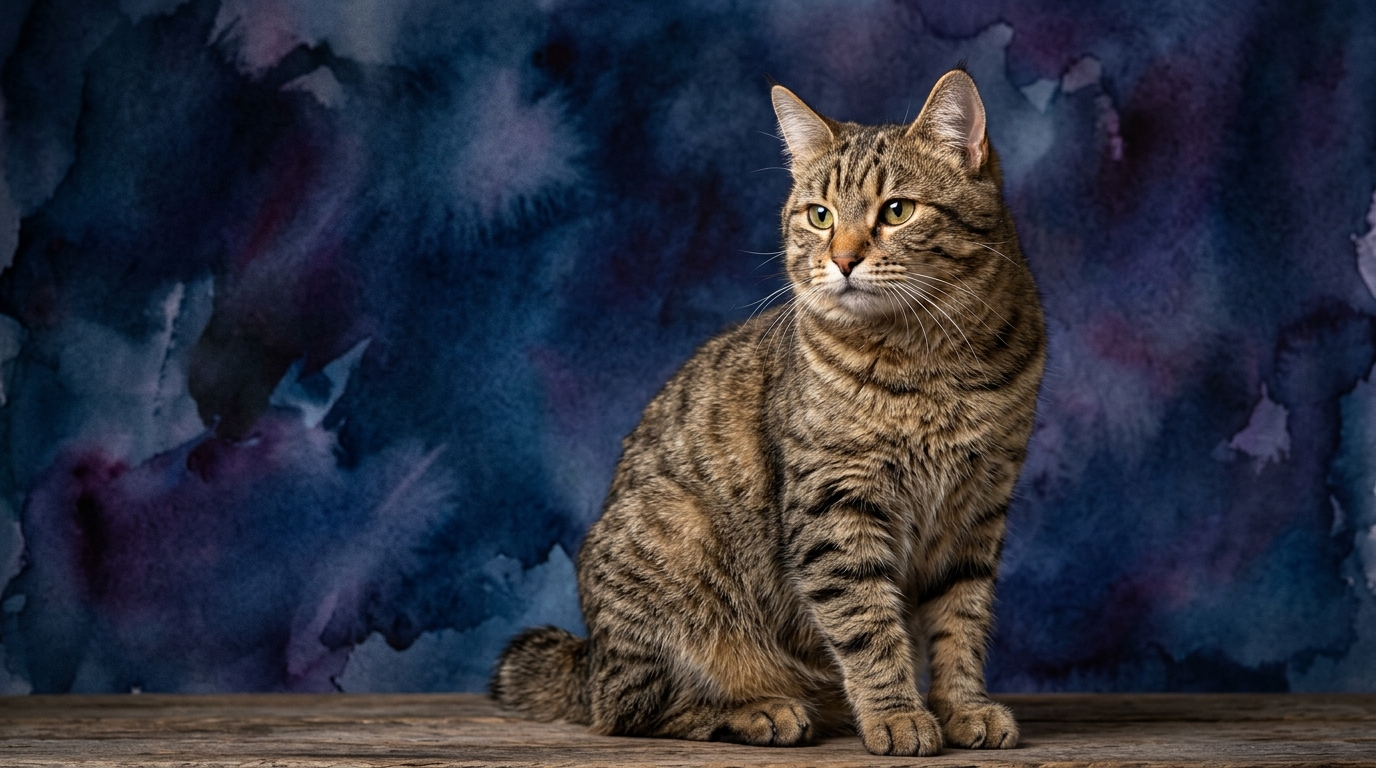
The Pixiebob, often described as possessing a dog-like devotion, approaches its cognitive tasks with a blend of quiet observation and deliberate action. Their Problem Solving at 3/5 often involves methodically assessing a situation, perhaps watching a human manipulate a door handle before attempting it themselves, or patiently figuring out how to retrieve a toy from a tight spot. Their Training Speed, also 3/5, benefits from their agreeable nature and a desire to engage with their chosen human, making them steady learners for leash walking or basic commands. Social Intelligence at 3/5 means they form deep, discerning bonds, often appearing reserved with strangers but intensely connected to their family, keenly reading familiar moods. Their Instinctive Drive, rated 3/5, manifests as a moderate but persistent interest in hunting games, enjoying the chase and capture of toys without overwhelming intensity. Finally, a Memory score of 3/5 allows them to consistently recall routines, preferred humans, and the layout of their territory, contributing to their adaptable yet predictable nature.
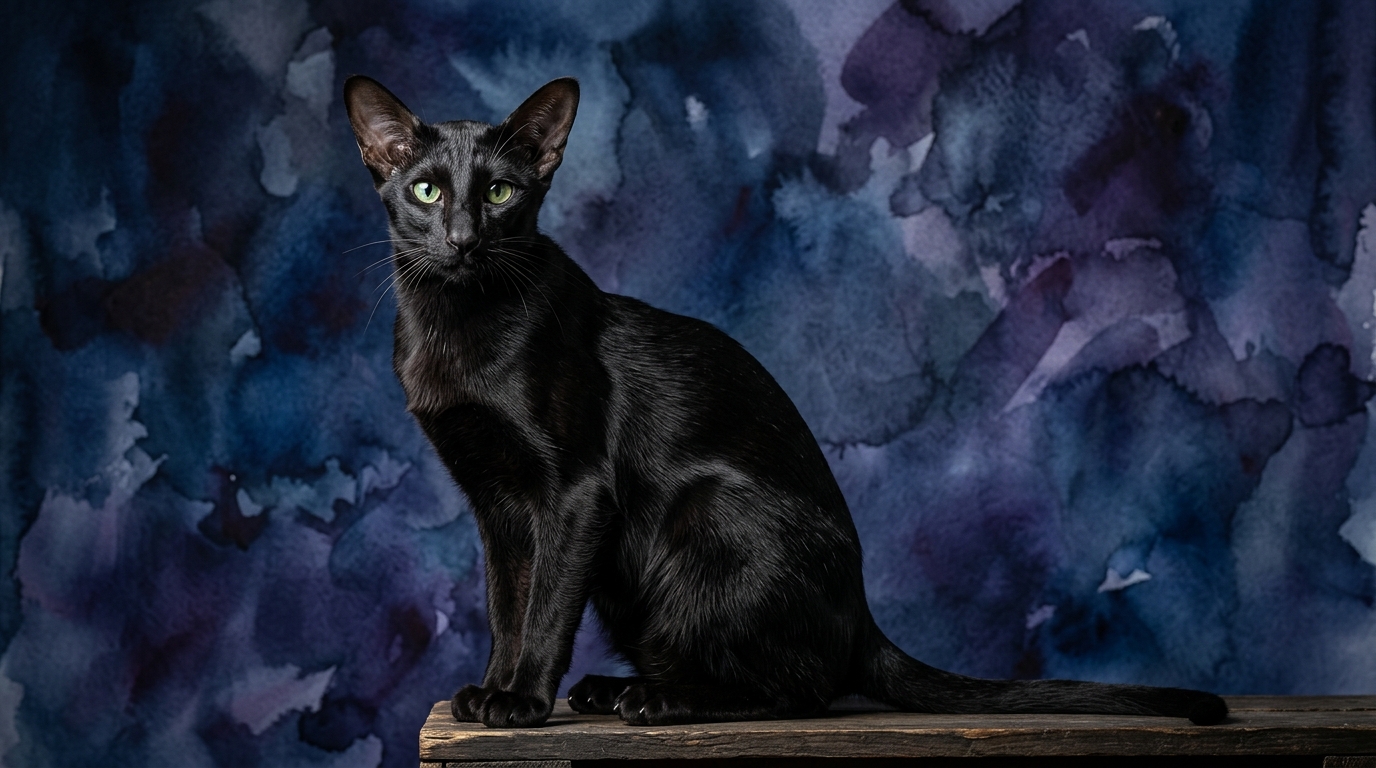
The Oriental Shorthair, by contrast, expresses its 3/5 scores with a more overt, interactive flair. Their Problem Solving at 3/5 is often characterized by a persistent, sometimes vocal, trial-and-error approach; they might systematically try various methods to open a cabinet or get attention, often involving intricate physical manipulation. Training Speed, also 3/5, is often boosted by their eager-to-please attitude and intense desire for interaction, allowing them to pick up complex tricks or agility courses with enthusiastic engagement. Their Social Intelligence, rated 3/5, is profoundly expressive; they are masters of communication, 'talking' to their owners, demanding attention, and finely tuning into human emotions to solicit interaction. The Instinctive Drive at 3/5 is typically robust and playful, driving them towards vigorous games of chase and pounce, exploring every nook and cranny. Their Memory, also 3/5, is excellent for recalling specific commands, routines, and the exact individuals who provide the most engaging play or treats, making them creatures of habit who remember past interactions vividly.
Where the Pixiebob's Cognition Shines
The Pixiebob's cognitive strengths lean into their composed and adaptable nature. Their problem-solving often involves a more measured, observational approach, making them particularly adept at tasks requiring patience and a calm assessment of their environment. For instance, a Pixiebob might excel at figuring out how to navigate a new, complex cat tree or escape-proof enclosure by carefully studying its mechanics rather than brute-forcing it. Their social intelligence, while not overtly demonstrative, allows them to forge incredibly deep, almost telepathic bonds with their core family members, understanding subtle cues and comforting a distressed owner with a quiet presence. This discerning social acumen means they are less likely to be overwhelmed in a bustling household but will always seek out the comfort and familiarity of their chosen people, demonstrating a steadfast emotional intelligence.
Furthermore, the Pixiebob's memory, combined with their instinctive drive, makes them surprisingly effective at 'fetching' small toys, often returning them to their owner for repeated play, a trait that many find endearing and indicative of their ability to recall specific game rules. Their training speed, while steady, benefits from their low-drama demeanor; they are generally less prone to distraction by external stimuli, allowing for focused learning sessions, particularly for practical skills like walking on a leash or coming when called, which they often embrace with a quiet confidence.
Where the Oriental Shorthair's Cognition Excels
The Oriental Shorthair's cognitive prowess truly stands out in its dynamic and interactive approach to the world. Their problem-solving, though rated similarly, often involves a more creative and persistent application of physical and vocal communication. An Oriental Shorthair might not just figure out how to open a door; they might devise an elaborate sequence of vocalizations and pawing to command a human to open it, demonstrating a sophisticated understanding of cause-and-effect in social contexts. Their social intelligence is their crowning glory; they are masters of communication, using a wide range of meows, chirps, and purrs to express their desires, effectively 'talking' to their owners and ensuring their needs for attention and play are met. This makes them incredibly responsive to human interaction and capable of forming intensely devoted, almost conversational relationships.
Their training speed is often accelerated by their eagerness to engage and their high energy levels, allowing them to master complex tricks, agility courses, or even participate in clicker training with remarkable enthusiasm and quick retention. The Oriental Shorthair's instinctive drive, while also a 3/5, is often expressed with a more vigorous and sustained intensity during play, making them tireless partners in games that simulate hunting. Their memory for routines and specific interactions means they quickly learn what behaviors elicit desired responses from their humans, reinforcing a cycle of engaging interaction and clever manipulation.
Training Ease: Behavioral Differences in Action
When considering ease of training, both breeds score a 3/5, but their behavioral tendencies dictate different approaches. The Pixiebob's training journey is typically characterized by a calm, consistent effort. They are not usually prone to dramatic outbursts or excessive vocalization, making them receptive to gentle, positive reinforcement methods. Their 'dog-like' trait means they often take well to leash training and can be taught to respond to their name or simple commands with patience. However, their slightly more independent streak means they might choose to engage on their own terms if not properly motivated, so rewards and consistent routines are key to maintaining their cooperation. They learn steadily, building on established patterns.
The Oriental Shorthair, on the other hand, often learns with an almost frantic enthusiasm driven by their desire for interaction and attention. Their high energy and vocal nature mean they might pick up commands and tricks rapidly, especially if the training sessions are engaging, short, and highly rewarding. They thrive on positive reinforcement that involves praise, play, and treats, and will often 'talk' their way through training, expressing their excitement. Their intense focus on their human makes them highly responsive, but their demanding nature can also mean they become bored or frustrated if training isn't stimulating enough, potentially leading to vocal protests or attention-seeking behaviors. For the Oriental Shorthair, training is not just learning; it's a shared, interactive experience.
Owners: Active Companions vs. Relaxed Observers
The cognitive profiles of these two breeds naturally align with different owner lifestyles. The Pixiebob, with its composed demeanor and discerning social intelligence, is an excellent fit for owners who appreciate a more relaxed yet deeply connected companion. They are not demanding of constant attention but enjoy being near their people, observing the household activity, and engaging in quiet play sessions. An owner who enjoys a peaceful home environment, perhaps with children or other pets, will find the adaptable Pixiebob integrates smoothly, offering loyal companionship without requiring constant stimulation. They thrive with owners who provide consistent routines and appreciate a cat that offers affection in a more understated, yet profound, manner.
Conversely, the Oriental Shorthair is ideally suited for active owners who relish constant interaction and can meet a cat's significant need for engagement. Their high social intelligence and vocal nature mean they thrive in bustling households where they are the center of attention, actively participating in family life. Owners who enjoy teaching tricks, engaging in vigorous play, and having a 'conversational' companion will find the Oriental Shorthair incredibly rewarding. This breed requires an owner who is prepared for a cat that will follow them from room to room, vocalize its opinions, and demand mental and physical stimulation daily. They are not for the faint of heart or those seeking a quiet, independent feline presence; they are an integral, energetic part of the family dynamic.
The Verdict
Choose the Pixiebob if you seek a calm, adaptable companion who forms deep, quiet bonds and offers steady, unassuming affection, thriving in a predictable, stable environment.
Opt for the Oriental Shorthair if you desire a highly interactive, vocal, and playful companion who demands engagement, thrives on shared activities, and becomes an energetic, communicative member of your household.
🧠 Find Your Pet's IQ Score
Our Pet IQ Lab assessment covers 25+ tests across 5 cognitive dimensions — personalized to your breed.
Take the Full IQ Test →Frequently Asked Questions
Are Pixiebobs good with children and other pets?
Yes, Pixiebobs generally adapt well to children and other pets, especially if socialized early. Their calm and tolerant nature makes them amenable to sharing their space, though they may take time to warm up to new additions, preferring to observe before fully engaging.
How much vocalization can I expect from an Oriental Shorthair?
Oriental Shorthairs are renowned for their extensive vocal repertoire, using a wide range of meows, chirps, and purrs to communicate their thoughts and desires. Expect frequent 'conversations' and expressions of opinion, making them one of the most vocally expressive cat breeds.
Do either of these breeds require special grooming?
Neither the Pixiebob nor the Oriental Shorthair requires extensive grooming. Pixiebobs have a short to medium coat that benefits from weekly brushing to remove loose hair, while the Oriental Shorthair's very short, fine coat needs only minimal, occasional brushing to maintain its sleek appearance.