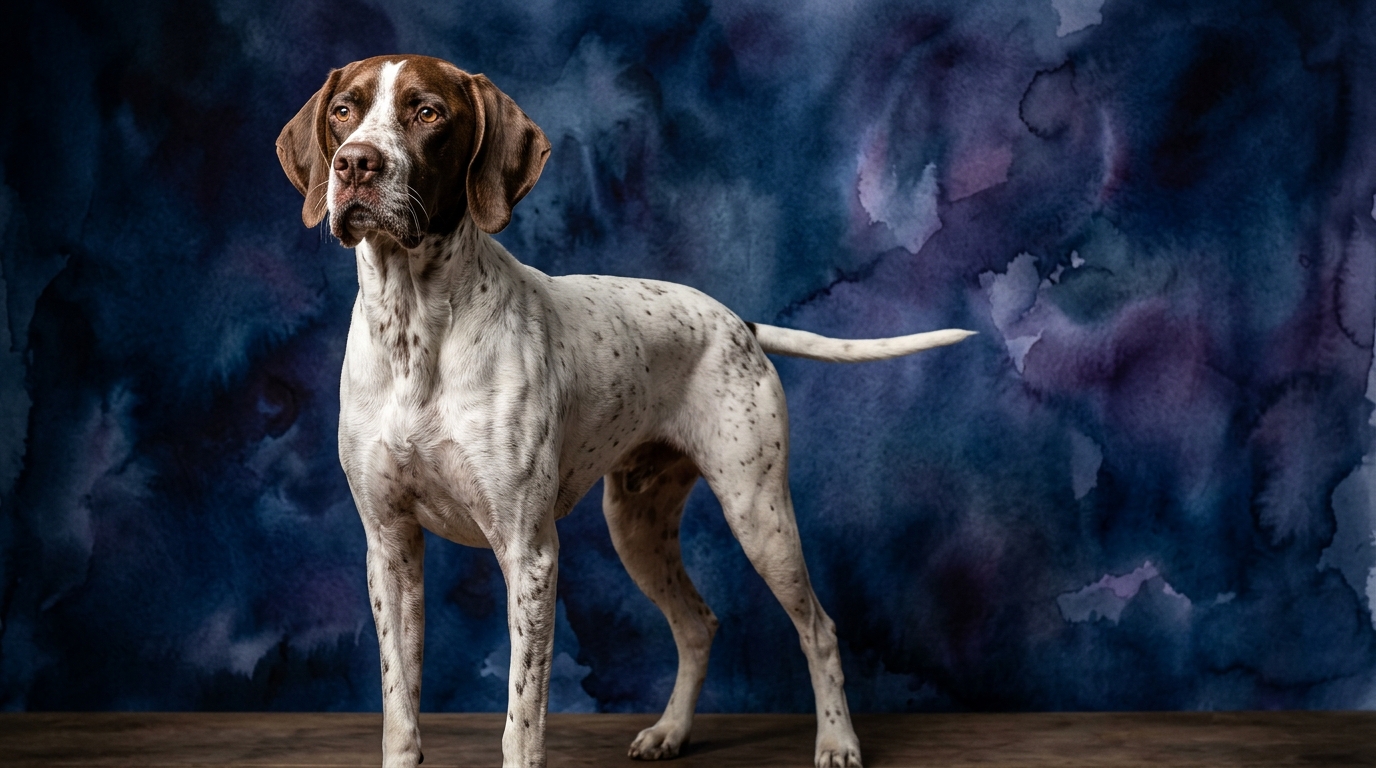
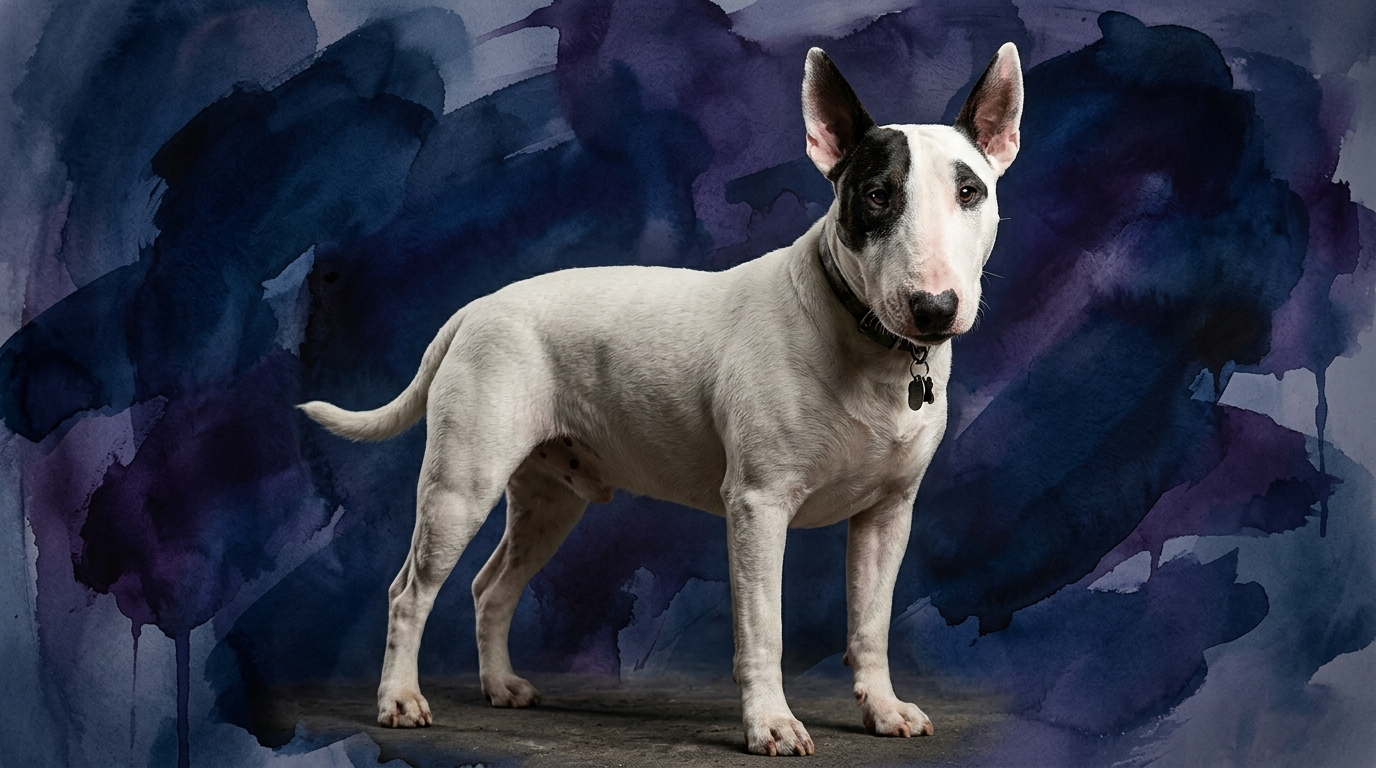
Side-by-side IQ Profile
The Cosmic Pet Pet IQ Lab assesses canine intelligence across five key dimensions, and both the Pointer and Bull Terrier register a consistent 3/5 in each, suggesting a solid, functional cognitive baseline. However, the application of these abilities differs remarkably, shaped by their distinct ancestral roles. For the Pointer, Problem Solving (3/5) often manifests as interpreting complex environmental cues, like scent trails and wind, to locate game efficiently. Their Training Speed (3/5) reflects good responsiveness to commands, crucial for coordinating with a hunter, though they retain independent thought. Social Intelligence (3/5) typically involves keen awareness of their handler’s subtle signals, fostering a cooperative working relationship. Their Instinctive Drive (3/5) is strongly oriented towards hunting and pointing, exhibiting a focused desire to perform traditional tasks. Memory (3/5) allows them to retain complex command sequences and recall retrieve locations, vital for effective fieldwork.
In contrast, the Bull Terrier’s 3/5 scores paint a picture of a different kind of cognitive aptitude. Their Problem Solving (3/5) often leans towards creative, tenacious, independent thinking to overcome obstacles or achieve an outcome, rather than cooperative task execution. Training Speed (3/5) suggests they are capable learners, but their independent spirit means they may require more engaging, varied methods to maintain focus and compliance. Social Intelligence (3/5) often involves discerning social hierarchies, demonstrating a charming yet sometimes assertive nature. Their Instinctive Drive (3/5) is rooted in their historical role as tenacious vermin hunters, manifesting as a strong will and determined pursuit of goals. Memory (3/5) enables them to recall routines, people, and boundaries, often with a remarkable capacity for remembering past experiences and associations.
Where Pointer Wins Cognitively
The Pointer's cognitive strengths are deeply intertwined with its sporting heritage. Its 3/5 in Problem Solving excels in dynamic, outdoor environments, rapidly processing sensory information like scent trails and wind to locate game efficiently. This breed exhibits a superior ability to sustain focus on a singular, predefined task, such as quartering a field or maintaining a precise point, even amidst distractions. Its Social Intelligence, while rated 3/5, shines in its innate capacity for subtle, non-verbal communication with a handler, often anticipating commands or reacting to minute body language cues. This translates into seamless teamwork, where the dog acts as an extension of the hunter's will. Furthermore, the Pointer's Memory (3/5) is particularly adept at recalling intricate hunt patterns, remembering the fall of a bird, or navigating back to a specific location with efficiency.
Where Bull Terrier Wins Cognitively
The Bull Terrier, while sharing similar raw IQ scores, exhibits a distinct set of cognitive advantages, particularly in areas demanding independent thought and determination. Its Problem Solving (3/5) truly shines when faced with novel situations requiring innovative, self-directed solutions; they are less likely to wait for handler direction and more prone to figuring things out on their own. This breed's Instinctive Drive (3/5) translates into an unwavering tenacity to achieve a goal, whether getting to a favored toy or navigating a puzzle feeder, often employing creative strategies. Their Social Intelligence (3/5) allows them to navigate complex social dynamics within a family unit with a charming, sometimes mischievous, assertiveness. They are adept at understanding household routines and manipulating situations to their benefit, showcasing a pragmatic understanding of their environment. The Bull Terrier's Memory (3/5) is often robust for remembering people, places, and specific interactions, making them astute observers of their surroundings and reliable in their recognition of familiar faces and established rules.
Which Is Easier to Train and Why
When considering ease of training, the Pointer generally presents a more straightforward experience due to its inherent cooperative nature and breeding for handler partnership. Its Training Speed (3/5) is underpinned by a strong desire to please and a natural inclination to work alongside humans, making it responsive to positive reinforcement. Pointers typically learn basic obedience commands quickly and are eager to apply them in practical settings. Their instinctive drive can be easily channeled into structured training, and they readily accept guidance.
The Bull Terrier, while also having a 3/5 Training Speed, requires a different approach. Their independent Problem Solving (3/5) and tenacious Instinctive Drive (3/5) mean they often prefer to think for themselves. Training a Bull Terrier typically demands more patience, consistency, and creative engagement to counteract their potential stubbornness. They may learn commands, but their compliance can be conditional, depending on motivation. Positive reinforcement is paramount, but must be highly rewarding and varied. Owners must understand that a Bull Terrier’s "no" often means "convince me," requiring a strong, fair leader who can make training feel like a game.
Which Suits Active Owners vs. Relaxed Owners
The Pointer, with its strong Instinctive Drive (3/5) for hunting and its need for mental and physical engagement, is an ideal match for active owners. These dogs thrive on structured activities that tap into their natural abilities, such as long hikes, scent work, agility, or actual field work. Their cooperative Social Intelligence (3/5) makes them excellent partners for shared adventures, eager to participate in family outings involving movement and purpose. A Pointer's well-being is heavily tied to having an outlet for its energy and cognitive skills; without it, they can become restless. Therefore, owners who enjoy an active, outdoor lifestyle and are prepared to dedicate time to training and exercise will find a Pointer a rewarding companion.
The Bull Terrier, while capable of bursts of energy and enjoying active play, can also adapt to a more relaxed home environment provided their mental stimulation needs are met. Their independent Problem Solving (3/5) means they benefit from puzzle toys, training games, and varied enrichment activities that engage their minds without requiring constant physical exertion. While they enjoy walks and playtime, their stamina might not match a Pointer's relentless drive. Their social intelligence (3/5) allows them to be charming, affectionate companions who enjoy being part of family life, often content to lounge near their people after a good play session. They suit owners who appreciate a dog with a strong personality, can provide consistent training and boundaries, and are comfortable with an animal that might have an independent streak but is ultimately devoted.
The Verdict
If you lead an active outdoor life, enjoy structured dog sports or hunting, and desire a cooperative, eager-to-please companion who thrives on shared purpose and consistent engagement, choose the Pointer.
If you appreciate a dog with a bold, independent personality, are prepared for creative and consistent training, and seek a devoted companion who offers both playful energy and relaxed family companionship, choose the Bull Terrier.
🧠 Find Your Pet's IQ Score
Our Pet IQ Lab assessment covers 25+ tests across 5 cognitive dimensions — personalized to your breed.
Take the Full IQ Test →Frequently Asked Questions
Do Pointers need extensive grooming?
Pointers have short, dense coats that require minimal grooming, typically just weekly brushing to remove loose hair and occasional baths. Their low-maintenance coat is a practical advantage for their active, outdoor lifestyle.
Are Bull Terriers good with children?
Bull Terriers can be wonderful family dogs and are often very tolerant and protective of children when properly socialized and raised together. Supervision is always recommended, especially with younger children, due to their robust play style and strength.
What kind of exercise do Bull Terriers need daily?
Bull Terriers need moderate daily exercise, typically 30-60 minutes of vigorous activity like brisk walks, playtime in a secure yard, or engaging games. Mental stimulation through puzzle toys and training sessions is equally important to keep them content.