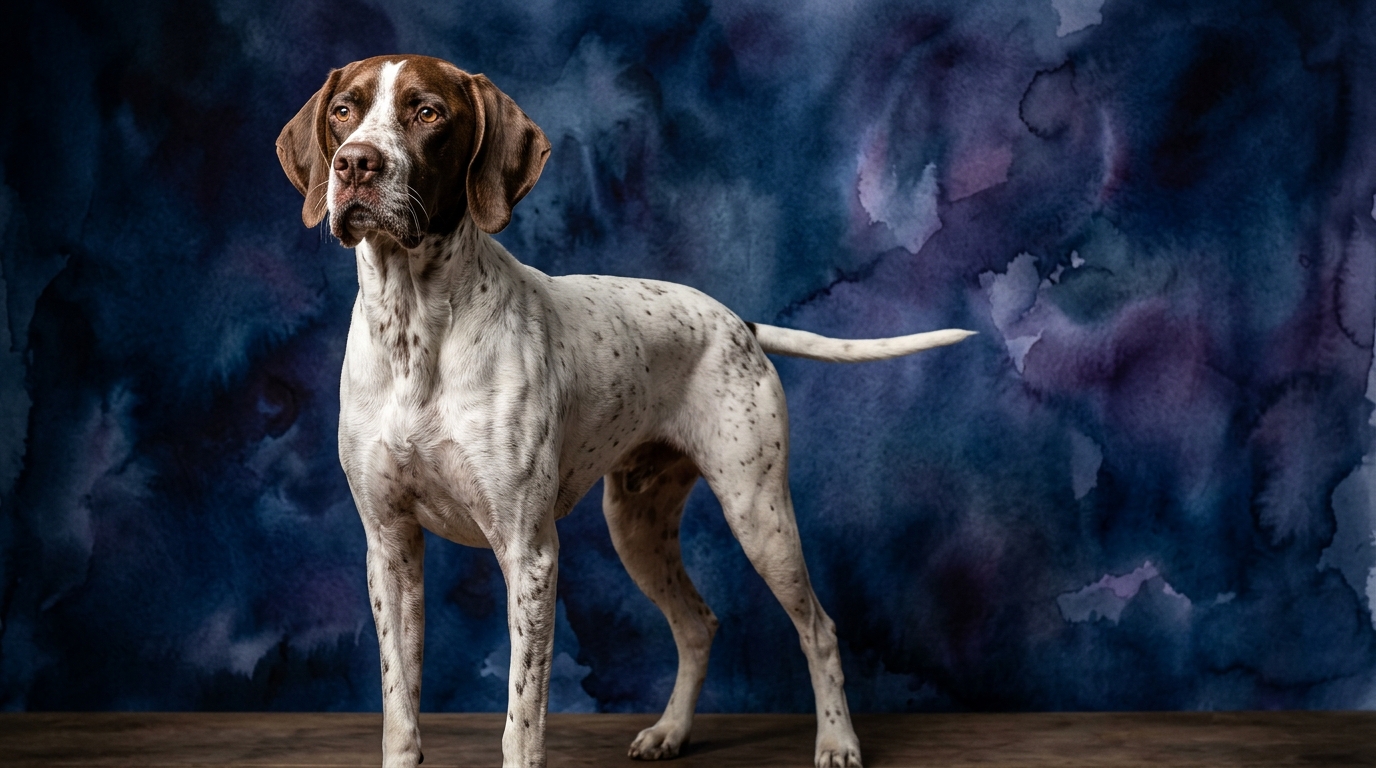
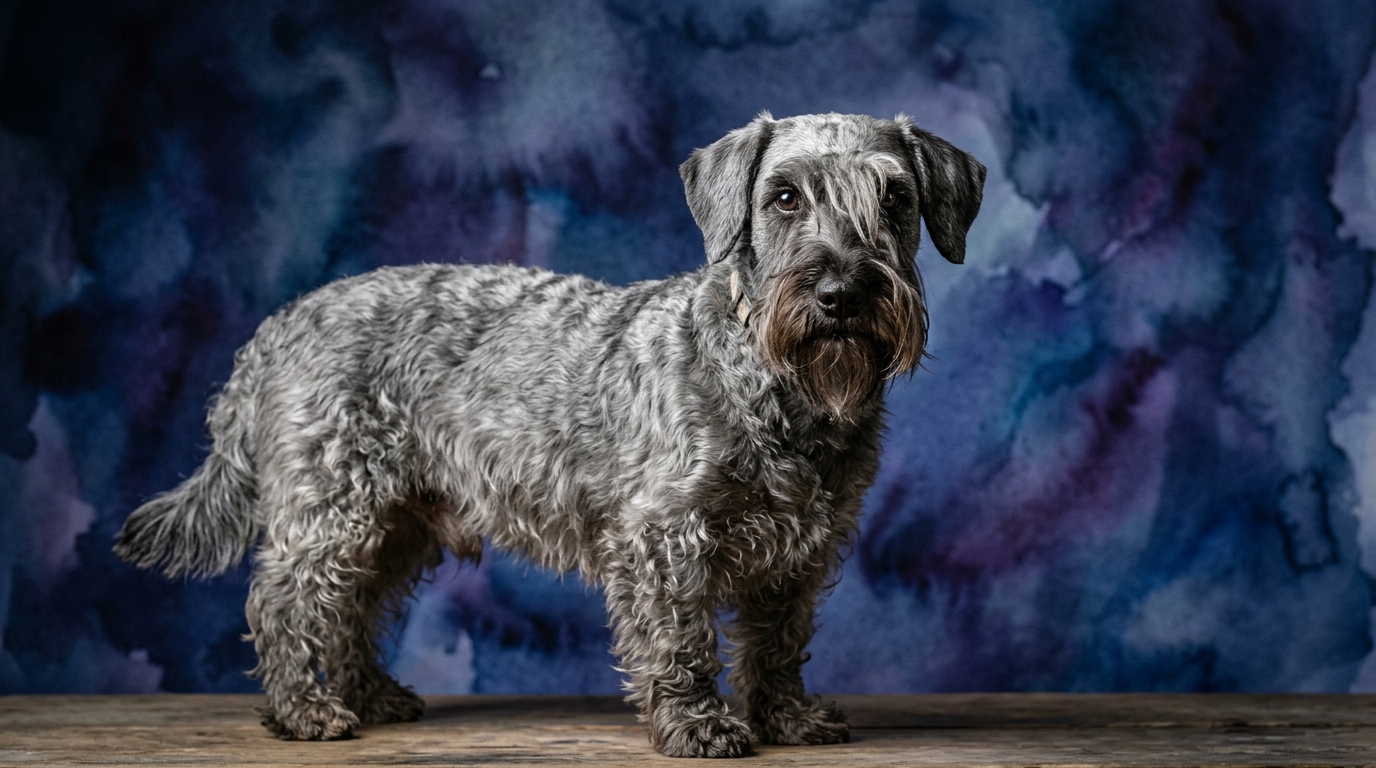
Side-by-side IQ profile
Originating as gundogs, Pointers were bred for their acute sense of smell and stamina, tasks demanding specific cognitive strengths. Their Problem Solving (3/5) typically involves intricate scent work, strategically quartering fields to locate game, and adapting their search patterns based on wind and terrain. This isn't about complex puzzles but rather efficient, systematic environmental analysis. Training Speed (3/5) reflects their responsiveness to commands, especially those related to hunting; they learn sequences and cues quickly when motivation aligns with their strong prey drive, though they can be independent when on a scent. Social Intelligence (3/5) for a Pointer often centers on their partnership with a human hunter, reading body language and working cooperatively in a team, while maintaining a generally amiable disposition with familiar individuals. Their Instinctive Drive (3/5) is profoundly tied to their hunt-and-point heritage, a powerful, innate urge to find and indicate game, which dominates much of their cognitive focus. Finally, their Memory (3/5) allows them to recall specific field locations, scent trails, and learned commands over long periods, crucial for consistent performance during a hunting season.
Developed in Czechoslovakia for hunting vermin, the Cesky Terrier's cognitive profile, despite sharing the same 3/5 scores, expresses itself through a different lens. Their Problem Solving (3/5) is often demonstrated in confined, challenging environments, such as navigating underground tunnels, extracting prey from tight spaces, or finding alternative routes when blocked. This requires a tenacious, independent form of tactical thinking. Training Speed (3/5) for a Cesky indicates they absorb new commands effectively, but their inherent terrier stubbornness means they often require consistent, engaging methods to maintain focus and compliance, rather than simply eager obedience. Their Social Intelligence (3/5) is typically more discerning; they form strong bonds with their immediate family but can be reserved or cautious around strangers, exhibiting a protective loyalty rather than broad sociability. The Instinctive Drive (3/5) of a Cesky is deeply rooted in their earth dog purpose: a powerful urge to dig, chase small prey, and explore confined spaces, often expressed through persistent, focused pursuit. Their Memory (3/5) supports their ability to recall the layout of their territory, the location of potential dens, and learned routines, aiding in their vigilant observation and defense of their domain.
Where Pointer wins cognitively
While both breeds share a 3/5 in all cognitive dimensions, the Pointer's specific manifestation of these skills offers advantages in certain scenarios. Their 3/5 in Problem Solving excels in tasks requiring broad environmental assessment and sustained, methodical focus over large areas. A Pointer can maintain concentration on a scent trail for extended periods, making complex decisions about direction and intensity across varied terrain, a specific type of problem-solving that leverages their endurance and olfactory acuity. Furthermore, their 3/5 Instinctive Drive, channeled specifically into pointing, means they possess a specialized cognitive inhibition: the ability to freeze and indicate rather than immediately pursue. This sophisticated control over a powerful instinct is a cognitive strength for precise teamwork in the field. Their Memory (3/5) also shows particular strength in recalling vast outdoor landscapes and the specific locations where game was found or commands were given, crucial for efficient, repeatable performance in dynamic natural settings.
Where Cesky Terrier wins cognitively
The Cesky Terrier, with its identical 3/5 scores, demonstrates a distinct cognitive edge in situations demanding tenacity, independent decision-making, and resourcefulness within confined or challenging spaces. Their 3/5 Problem Solving shines in tasks requiring intricate navigation and persistent effort against obstacles, like figuring out how to access a tight spot or outmaneuver small prey. This involves a more localized, tactical application of their cognitive abilities. Their 3/5 Instinctive Drive, geared towards digging and pursuing vermin, translates into a remarkable single-mindedness and resilience when faced with a task. They possess a cognitive grit, refusing to give up easily, which makes them formidable at achieving self-appointed goals. The Cesky's 3/5 Social Intelligence, while perhaps appearing less broadly amiable than a Pointer's, manifests as a highly discerning loyalty and protective instinct towards their chosen family, requiring a sophisticated ability to differentiate between friend and perceived foe, and to act decisively in defense of their inner circle. Their Memory (3/5) is particularly strong in recalling specific hiding spots, effective digging locations, and the routines of their immediate environment, enabling them to be vigilant guardians and efficient operators within their defined territory.
Which is easier to train and why
Assessing which breed is 'easier' to train, despite both having a 3/5 Training Speed, requires understanding their inherent behavioral motivations and challenges. The Pointer, bred to work in close cooperation with a human hunter, generally exhibits a stronger desire to please and a more direct responsiveness to commands. Their eagerness to perform and their high energy can be channeled effectively into structured training sessions, making them receptive to learning complex sequences and obedience cues relatively quickly. However, their potent instinctive drive (3/5) for scent can be a significant distraction; a Pointer on a hot trail might momentarily override learned commands, requiring consistent reinforcement and strong recall training to manage.
The Cesky Terrier, conversely, possesses a 3/5 Training Speed, but their terrier nature brings a layer of independent thought and a predisposition for self-directed action. They learn commands but may choose to obey only if it aligns with their current interest or if the reward is sufficiently motivating. This isn't a lack of ability, but a strong sense of self-will. Training a Cesky often requires more creativity, patience, and establishing clear leadership to overcome their potential stubbornness. Short, engaging sessions with varied rewards work best, as rote repetition can quickly bore them. While Pointers might be more outwardly compliant, Ceskys, once motivated, can be remarkably focused on achieving a task they deem worthwhile, making them capable learners under the right guidance, albeit often perceived as more challenging due to their independent streak.
Which suits active owners vs relaxed owners
The choice between a Pointer and a Cesky Terrier largely hinges on an owner's lifestyle and capacity for providing mental and physical engagement. Pointers are undeniably suited for active owners. Their 3/5 Instinctive Drive and high energy levels demand significant daily physical exercise – long runs, extensive walks, or field work – to keep them content and prevent undesirable behaviors stemming from boredom. Their 3/5 Problem Solving and Memory thrive on mental challenges like scent games, advanced obedience, or canine sports that mimic their hunting heritage. A relaxed owner who cannot provide several hours of vigorous activity and mental stimulation daily would likely find a Pointer overwhelming.
The Cesky Terrier, while still requiring regular activity, aligns better with owners who appreciate a moderate energy level. Their 3/5 Instinctive Drive manifests in bursts of energetic play, enthusiastic walks, and a passion for digging or chasing, but they are generally content to settle down indoors after their needs are met. They enjoy being part of family activities and thrive on mental stimulation that engages their 3/5 Problem Solving, such as puzzle toys, short training sessions, or supervised exploration of a secure yard. While they are not sedentary, a Cesky is a good fit for an owner who enjoys daily walks and interactive play but doesn't necessarily need a companion for marathons or all-day outdoor expeditions. They offer a balance of spirited engagement and calm companionship, making them more adaptable to a slightly less active household than a Pointer.
The Verdict
Choose a Pointer if you lead an exceptionally active lifestyle, enjoy extensive outdoor activities like hiking or running, and are prepared to engage deeply with a dog possessing a strong, focused working drive that requires consistent channeling and mental stimulation.
Opt for a Cesky Terrier if you appreciate a tenacious companion with a moderate activity level, value a discerning loyalty, and are ready to engage with a breed that thrives on mental challenges and consistent, creative training to manage its independent terrier spirit.
🧠 Find Your Pet's IQ Score
Our Pet IQ Lab assessment covers 25+ tests across 5 cognitive dimensions — personalized to your breed.
Take the Full IQ Test →Frequently Asked Questions
How do the Pointer's and Cesky Terrier's instinctive drives impact their behavior in a typical home environment?
The Pointer's 3/5 instinctive drive, rooted in scent and pointing, means they'll naturally follow interesting smells and may 'point' at novel objects or creatures, requiring management of their roaming tendencies. The Cesky Terrier's 3/5 drive for digging and chasing vermin often translates into a strong desire to dig in the yard and pursue small animals, necessitating secure fencing and consistent redirection.
What kind of mental stimulation is most effective for each breed, given their similar problem-solving scores?
For a Pointer, mental stimulation should often involve scent work, advanced obedience, or field-like games that engage their systematic problem-solving over wider areas. For a Cesky Terrier, puzzle toys, interactive games that mimic hunting, and short, varied training sessions that challenge their independent thinking are highly effective.
Are Pointers and Cesky Terriers generally good with children, considering their social intelligence scores?
Both breeds have a 3/5 social intelligence, but its expression differs. Pointers are generally amiable and tolerant with children, often enjoying play, though their size and energy require supervision with very young kids. Cesky Terriers, while loyal to their family, can be more reserved and discerning; they typically do well with respectful children who understand their boundaries, but may not tolerate rough play as readily as a Pointer.