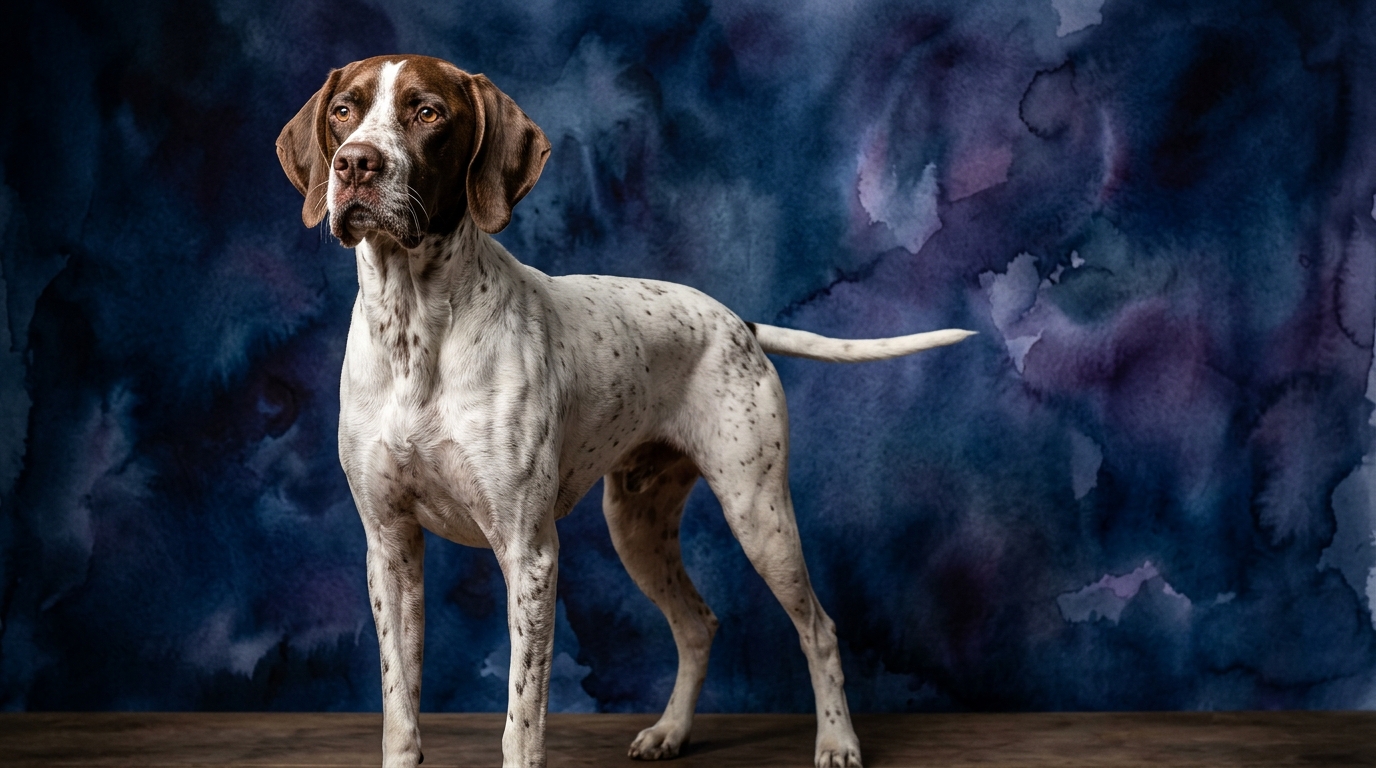
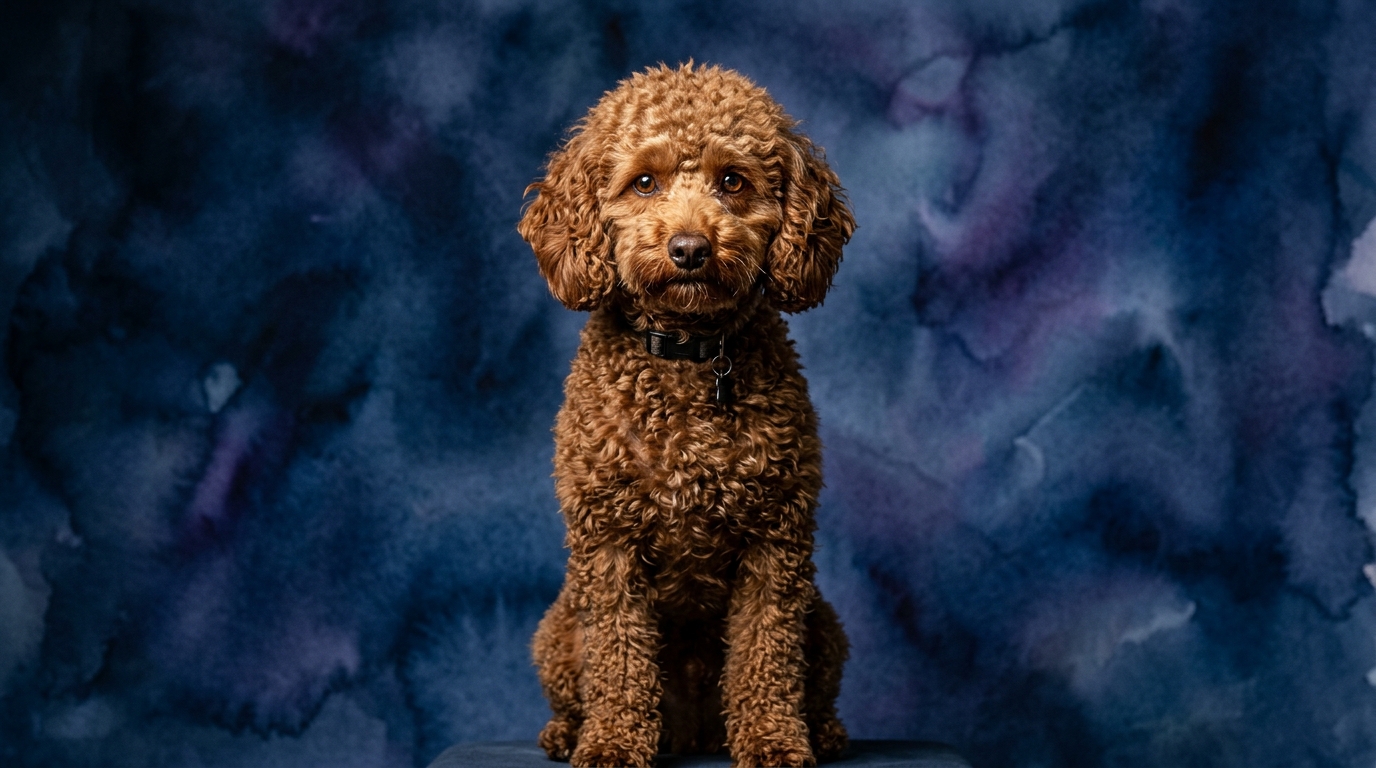
Side-by-Side IQ Profile: Pointer vs. Miniature Poodle
The Cosmic Pet Pet IQ Lab employs a five-dimensional framework to assess canine cognition, providing a nuanced look beyond simple obedience. For the Pointer, a dog from the Sporting Group, we observe a balanced set of attributes: Problem Solving scores 3/5, indicating practical, context-specific reasoning. Training Speed is 3/5, suggesting a steady learning pace. Social Intelligence is rated 3/5, reflecting an ability to understand basic human cues and group dynamics. Instinctive Drive stands at 3/5, pointing to a focused, persistent pursuit of natural behaviors, particularly scent-driven work. Finally, Memory is also 3/5, meaning they retain learned information effectively over time, though perhaps not with the instantaneous recall of some other breeds.
In contrast, the Miniature Poodle, a member of the Non-Sporting Group and holding a Coren rank of #2, presents a different cognitive blueprint. Their Problem Solving capability is exceptional at 5/5, indicating a strong capacity for abstract thought and novel solutions. Training Speed is equally impressive at 5/5, showcasing a rapid assimilation of new commands and concepts. Social Intelligence mirrors the Pointer at 3/5, suggesting a functional understanding of human interaction without necessarily exhibiting deep emotional nuance. Instinctive Drive is also 3/5, which for a Poodle often translates to a keen desire to engage and participate in activities, rather than a strong prey drive. A standout feature is their Memory, rated 5/5, signifying a remarkable ability to recall complex sequences and past experiences with precision.
Where the Pointer Excels Cognitively
While the Miniature Poodle scores higher in raw cognitive metrics, the Pointer's specialized intelligence offers distinct advantages in specific contexts. Their 3/5 Problem Solving isn't a deficit but a functional adaptation, allowing them to independently navigate complex terrain and locate game without constant human direction. This involves intricate spatial reasoning and the ability to adapt hunting strategies based on environmental cues, a cognitive strength honed over centuries of field work.
The Pointer's 3/5 Instinctive Drive is a focused, unwavering persistence for their primary task: finding and pointing game. This isn't merely instinct; it's a cognitive engagement that allows them to sustain attention on a singular goal for extended periods, filtering out distractions. Their ability to 'read' the wind, interpret scent trails, and make on-the-spot decisions in dynamic outdoor environments demonstrates a practical, applied form of intelligence that is invaluable to their purpose. This type of independent work requires a different kind of cognitive processing than excelling at obedience trials.
Where the Miniature Poodle Excels Cognitively
The Miniature Poodle's cognitive strengths are evident in their high scores across several dimensions, particularly Problem Solving (5/5), Training Speed (5/5), and Memory (5/5). This combination makes them exceptionally adept at quickly grasping novel concepts and executing complex sequences of behaviors. They often demonstrate an almost intuitive understanding of human expectations, making them highly responsive to new commands or trick training.
Their superior memory allows them to retain a vast repertoire of learned behaviors, from intricate agility courses to multi-step routines, with consistent accuracy. This cognitive flexibility also contributes to their adaptability, enabling them to excel in diverse roles from performance sports to assistance work. The Miniature Poodle's capacity for abstract reasoning means they can often generalize learned concepts to new situations, demonstrating a versatile and robust cognitive architecture.
Training Dynamics: Which Breed is More Amenable?
When it comes to ease of training, the Miniature Poodle generally presents a more straightforward path for most owners. Their 5/5 Training Speed means they pick up new commands with remarkable rapidity, often requiring fewer repetitions than many other breeds. Coupled with their 5/5 Memory, once a behavior is learned, it tends to be retained reliably, facilitating consistent performance in obedience, rally, or advanced trick training. They often find mental engagement through training highly rewarding, which fuels their enthusiasm for learning.
The Pointer, with a Training Speed of 3/5, requires a more patient and consistent approach. While capable of learning, their progress might be slower, and their independent nature, stemming from their field origins, can sometimes lead to selective hearing if not properly motivated. Their 3/5 Instinctive Drive, particularly for scent work, can also be a significant distraction during general obedience sessions if not channeled appropriately. Successful training with a Pointer often involves leveraging their natural drives and making training feel like a collaborative hunt or game, rather than rote memorization.
Lifestyle Match: Active vs. Relaxed Owners
For owners with an active lifestyle, the Pointer is an ideal match. Their background as a working gun dog means they possess substantial stamina and a deep-seated need for physical exertion and mental engagement related to their purpose. Long runs, extensive hikes, or participation in dog sports that mimic hunting, such as field trials or scent work, are not just beneficial but essential for their well-being. A Pointer thrives when given a job to do and ample opportunity to stretch their legs and utilize their keen senses outdoors.
The Miniature Poodle, while not requiring the same sheer endurance as a Pointer, still benefits greatly from an engaged owner. Their high Problem Solving and Memory scores mean they are prone to boredom if not adequately stimulated mentally. While they can adapt to apartment living if their exercise needs are met with daily walks and play, their cognitive capacity demands regular mental challenges like puzzle toys, trick training, or dog sports like agility or obedience. A relaxed owner who provides minimal mental enrichment might find their Miniature Poodle invents their own, potentially less desirable, forms of entertainment.
The Verdict: When to Choose Each Canine Companion
Choosing between a Pointer and a Miniature Poodle hinges on your lifestyle, training aspirations, and what you seek in a canine partner. The Pointer is best suited for individuals or families who embrace an active outdoor lifestyle, appreciate a dog with an independent spirit and a strong working drive, and are prepared to engage in consistent, purpose-driven training.
Conversely, the Miniature Poodle is an excellent choice for those who desire a highly trainable, adaptable companion eager to learn and participate in a variety of activities, from advanced obedience to performance sports. They thrive with owners who can provide consistent mental stimulation and appreciate a canine partner that grasps concepts quickly.
The Verdict
Choose a Pointer if you lead an active outdoor life, value an independent working dog, and are ready to channel their strong instinctive drives into purposeful activities like hunting or extensive outdoor adventures.
Opt for a Miniature Poodle if you seek a highly trainable, cognitively agile companion for advanced obedience, dog sports, or a variety of mental challenges, thriving on consistent interaction and learning.
🧠 Find Your Pet's IQ Score
Our Pet IQ Lab assessment covers 25+ tests across 5 cognitive dimensions — personalized to your breed.
Take the Full IQ Test →Frequently Asked Questions
Are Pointers difficult to train?
Pointers are capable learners, but their independent nature and strong instinctive drives mean they may require more patience and consistency than some other breeds. Training benefits from making it engaging and leveraging their natural desire to work and explore.
Do Miniature Poodles need a lot of exercise?
While not requiring the extreme endurance of some sporting breeds, Miniature Poodles do need regular physical activity like daily walks and play. More importantly, their keen cognitive abilities demand significant mental stimulation to prevent boredom and ensure their well-being.
Which breed is better for a first-time dog owner?
For a first-time dog owner, the Miniature Poodle is often a more forgiving choice due to their rapid learning and eagerness to please, making training generally more straightforward. Pointers, with their strong drives and independent streak, might be better suited for owners with prior dog experience.