
Side-by-Side Cognitive Profiles: Decoding Identical Scores
At first glance, the comparative cognitive landscape of the Pointer and the Silky Terrier presents an intriguing anomaly: both breeds score an identical 3 out of 5 across all five measured dimensions of intelligence. This numerical equality, however, belies a profound divergence in how these cognitive attributes manifest within each breed, shaped by millennia of selective breeding for vastly different roles. A score of 3/5 signifies a solid, capable level of intelligence, but its expression is deeply contextual.
For the **Pointer**, a breed honed for the demanding work of bird hunting, their Problem Solving (3/5) is evident in their strategic approach to scent work, systematically quartering a field, interpreting complex air currents, and navigating varied terrain to locate game. Their solutions are often about efficiency and persistence in a vast, dynamic outdoor environment. Training Speed (3/5) allows them to learn and execute intricate commands related to field work with a steady pace, requiring consistent, positive reinforcement, especially when their single-minded focus on a task is paramount. Social Intelligence (3/5) is geared towards understanding handler cues, working cooperatively within a team, and demonstrating a generally congenial disposition with familiar humans and other dogs in a non-competitive setting. Their Instinctive Drive (3/5) is a powerful engine of prey drive, the iconic pointing instinct, and tireless stamina, all channeled into purposeful hunting behaviors. Finally, their Memory (3/5) facilitates the retention of complex scent patterns, geographical layouts of hunting grounds, learned commands for precise field execution, and the location of game or fallen birds.
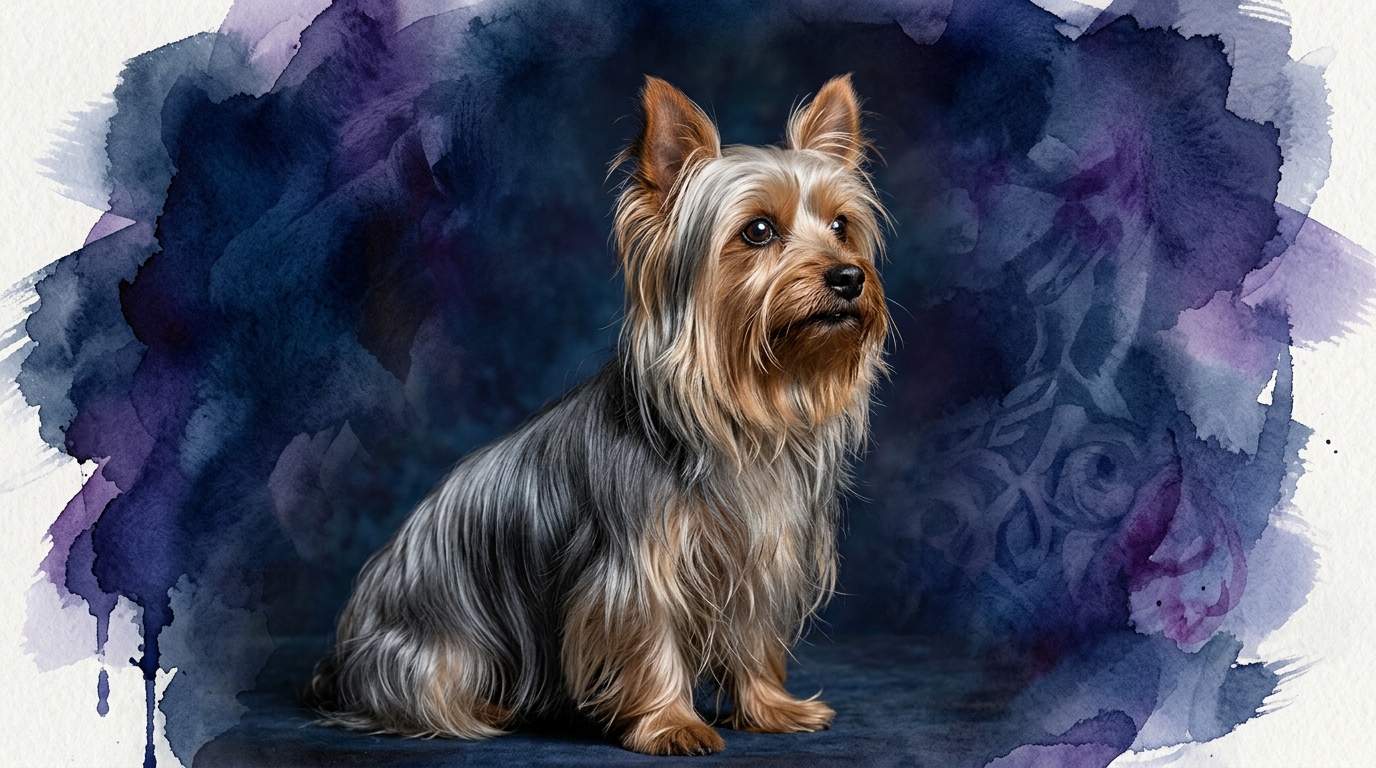
The **Silky Terrier**, a breed designed for vermin control and companionship, expresses its identical cognitive scores through a different lens. Their Problem Solving (3/5) manifests as cleverness in domestic settings – figuring out how to access forbidden treats, manipulating toys to achieve a desired outcome, or devising strategies to gain human attention. This also includes precise navigation in confined spaces, a hallmark of their vermin-hunting heritage. Training Speed (3/5) means they are capable of learning new tricks and commands at a moderate pace, often motivated by treats or interaction. They can grasp concepts quickly but might require more motivation to perform consistently if not intrinsically rewarding. Social Intelligence (3/5) is exceptionally perceptive; they are highly attuned to human emotions and household dynamics, often using this understanding to their advantage. They are adept at communicating their needs and desires, sometimes with charming insistence. Their Instinctive Drive (3/5) includes a strong prey drive for small critters, an inherent alertness, and a vocal, territorial nature, focused on guarding their space and people. Their Memory (3/5) allows them to recall routines with precision, remember where favorite items or treats are stored, and retain strong associations with people and places, both positive and negative experiences.
Where the Pointer's Cognitive Strengths Shine
The Pointer's cognitive strengths are deeply rooted in its heritage as a field dog, allowing it to excel in domains requiring sustained focus and vast spatial reasoning. One of their most prominent cognitive wins lies in their exceptional ability to integrate complex olfactory information with environmental context to achieve a specific, often distant, goal. This isn't merely smelling; it's a sophisticated form of problem-solving and memory recall that allows them to construct a mental map of scent trails, wind patterns, and the likely location of game, often over expansive, varied terrain.
Furthermore, the Pointer's capacity for independent, yet cooperative, decision-making in the field showcases a unique facet of their social intelligence and problem-solving. They learn to operate out of sight of their handler, making nuanced choices about where to search and how to approach, all while maintaining a deep understanding of their handler's ultimate objective. This demonstrates a cognitive flexibility to adapt to changing conditions in real-time, relying on their training and instincts to fulfill a shared purpose, a testament to their focused and purposeful cognitive architecture.
Where the Silky Terrier's Cognitive Strengths Excel
The Silky Terrier, while compact, possesses a suite of cognitive strengths that are particularly well-suited to human-centric environments and their historical role as tenacious vermin hunters. Their social intelligence, in particular, shines through their nuanced ability to 'read the room' and tailor their behavior for maximum personal benefit. Whether it's charming their way into extra cuddles, strategically positioning themselves for a forbidden snack, or discerning the emotional state of their caregivers, they display a sophisticated understanding of social dynamics and leverage it effectively.
Another area of cognitive excellence for the Silky Terrier is their precise motor planning and agility, coupled with their problem-solving, in navigating complex indoor obstacles or manipulating objects. This stems directly from their vermin-hunting heritage, where success depended on squeezing into tight spaces, dislodging prey, and maneuvering with precision. This translates into a cleverness in domestic settings, allowing them to figure out latches, open cupboards, or skillfully extract treats from puzzle toys, demonstrating a different, but equally effective, form of practical intelligence. Their vigilance and quick reaction times to environmental changes also indicate sharp sensory processing and rapid decision-making, crucial for their protective or alerting purposes.
Training Dynamics: Pointer vs. Silky Terrier
Despite both breeds scoring 3/5 in Training Speed, their inherent drives and temperaments create distinct training experiences. For the Pointer, their strong instinctive drive can be both an asset and a challenge. They are capable of learning commands quickly, especially when those commands align with their natural prey drive or their desire to please a handler in a working context. However, distracting scents or the sight of moving game in the environment can significantly impact their focus, requiring a handler who can maintain engagement and provide consistent, compelling motivation. Training a Pointer needs to be engaging, consistent, and strategically harness their natural drive rather than fighting it, with positive reinforcement being particularly effective when it leads to a 'job well done' in their eyes.
The Silky Terrier, while also scoring 3/5, presents a different set of training dynamics. They are intelligent enough to understand what's being asked but often possess a spirited, independent streak that can lead to 'selective hearing.' They might learn quickly but choose whether to comply based on their perceived immediate benefit or current mood. Consistency is paramount with a Silky, as is making training feel like a fun game rather than a chore. Their acute social intelligence means they are highly attuned to human emotions; therefore, patience, positive methods, and avoiding frustration are crucial to building a strong working relationship, as they can quickly pick up on and react to handler stress.
Lifestyle Suitability: Active vs. Relaxed Owners
The cognitive and physical needs of these two breeds dictate different ideal ownership scenarios. The **Pointer** requires significant daily physical and mental exercise. Their instinctive drive and tireless stamina mean they need ample opportunities for outlets like long runs, invigorating hikes, or structured scent work that engages their keen olfactory senses and problem-solving skills. They thrive with owners who embrace an active, outdoor lifestyle and can consistently provide structured activities that engage their working intelligence. A relaxed owner who cannot meet these substantial needs might find a Pointer restless, prone to frustration, and potentially manifesting undesirable behaviors due to unmet cognitive and physical demands.
The **Silky Terrier**, while small, is far from a sedentary lap dog. They possess a surprising amount of energy and require regular walks and interactive playtime. Their mental stimulation needs are also substantial; they enjoy learning new tricks, solving puzzle toys, and being actively involved in household activities, leveraging their sharp social intelligence and problem-solving skills. They can adapt well to apartment living, provided their exercise and mental engagement needs are consistently met. They suit owners who are present and enjoy engaging with their dog, whether through active play sessions or quiet companionship, but who understand that 'relaxed' doesn't equate to 'inactive.' A Silky can suit both moderately active owners (who take them on regular walks and adventures) and more relaxed owners (who provide consistent indoor play, training, and mental challenges).
The Verdict
Choose a Pointer if you lead an active, outdoor-oriented life, enjoy structured training, and seek a cooperative, athletic companion for activities like running, hiking, or canine sports. You will appreciate a dog whose cognitive strengths lie in sustained focus and vast environmental navigation.
Choose a Silky Terrier if you appreciate a clever, spirited companion who thrives on close human interaction, enjoys learning tricks, and can adapt to various living situations as long as their mental and moderate physical needs are met. You will value a dog whose social intelligence and domestic problem-solving skills are finely tuned.
🧠 Find Your Pet's IQ Score
Our Pet IQ Lab assessment covers 25+ tests across 5 cognitive dimensions — personalized to your breed.
Take the Full IQ Test →Frequently Asked Questions
Are Pointers good family dogs, considering their working background?
Pointers can be wonderful family dogs, generally gentle and affectionate with their families, especially when their substantial exercise and mental stimulation needs are consistently met. Their social intelligence allows them to integrate well into a household dynamic, though supervision around very young children is always wise due to their size and enthusiasm.
Do Silky Terriers bark a lot?
Silky Terriers do have a natural tendency to be vocal. Their instinctive drive for alertness and territoriality means they are often quick to bark at perceived intruders or unusual sounds. While training can help manage excessive barking, their role as watchdogs is deeply ingrained in their cognitive makeup.
How do their grooming needs compare?
Pointers have short, dense coats that require minimal grooming, primarily regular brushing to remove loose hair and occasional baths. Silky Terriers, with their long, flowing, single coat, require much more intensive grooming, including daily brushing to prevent mats and regular professional trimming to maintain their coat health and appearance.