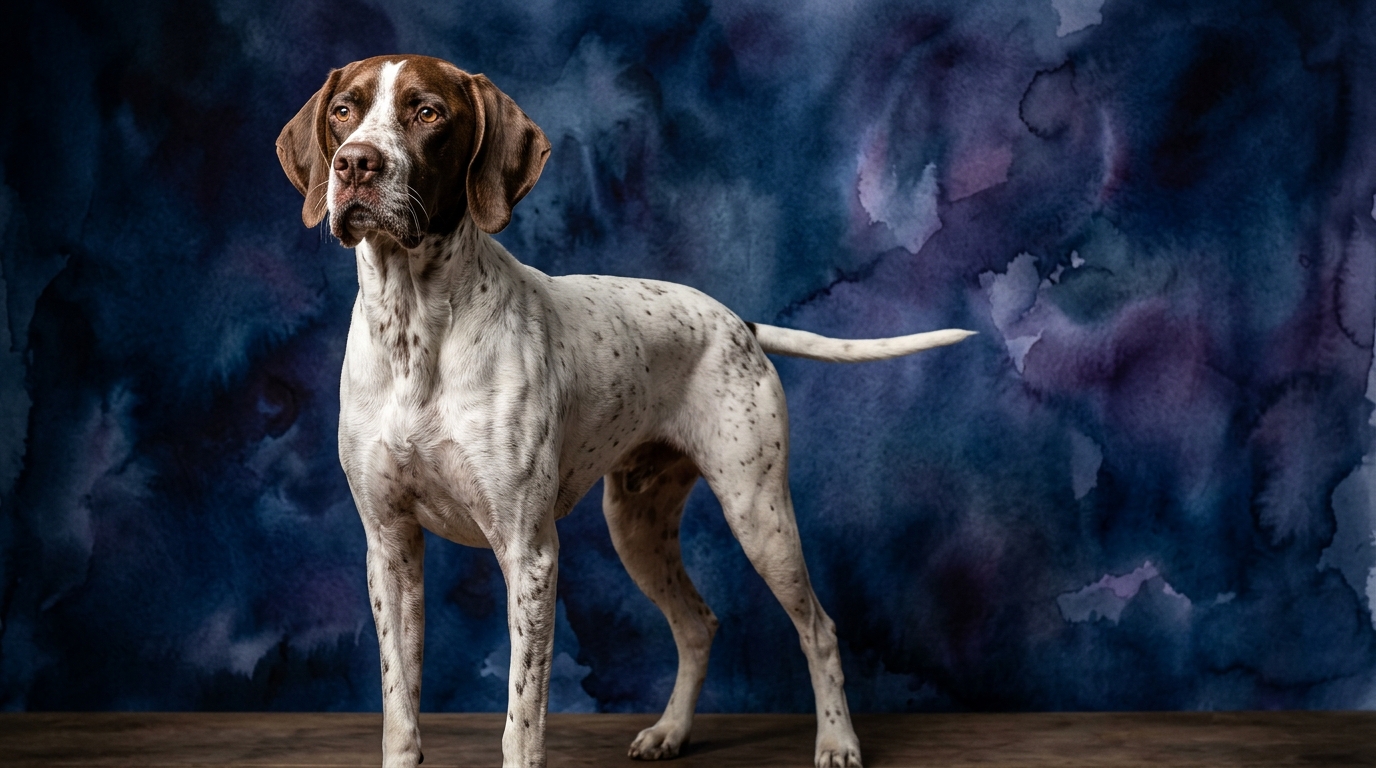
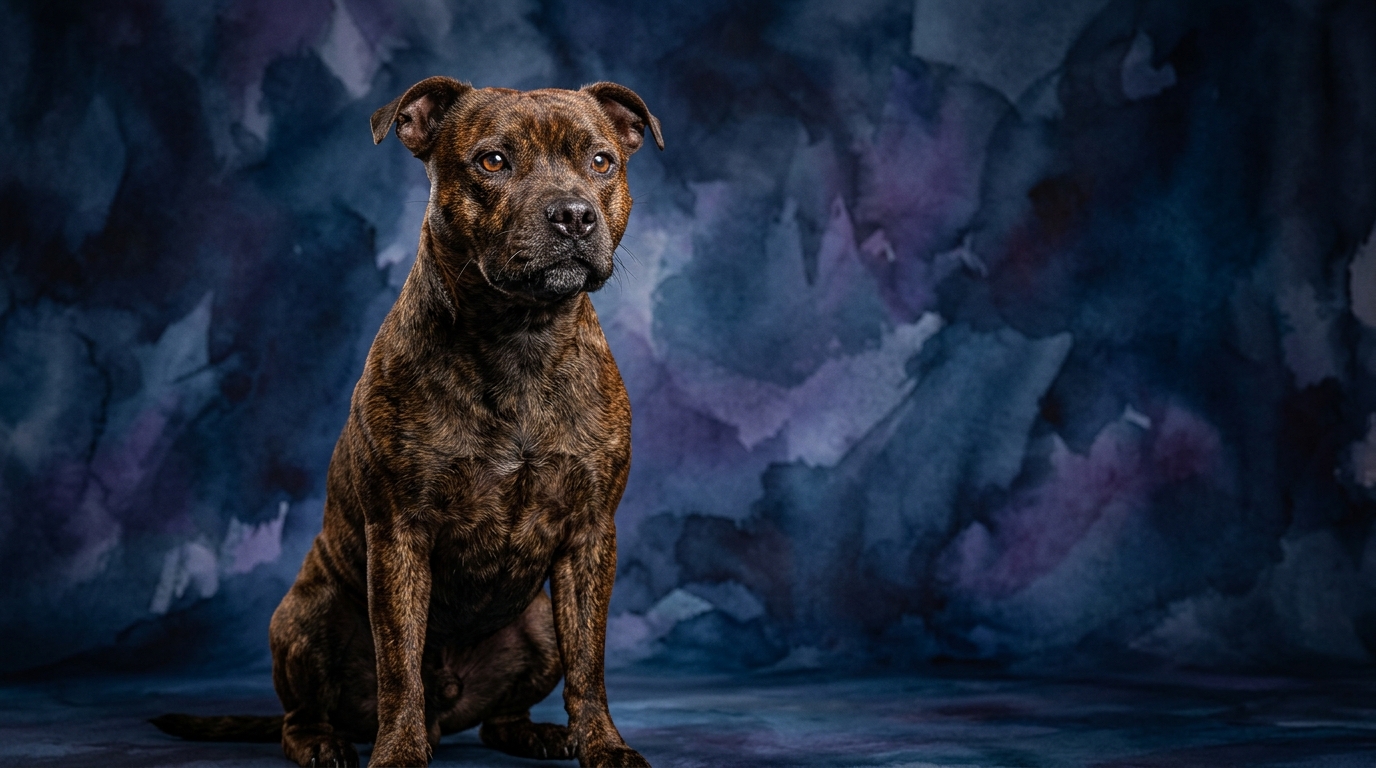
Side-by-Side Cognitive Profile
For the Pointer, a Problem Solving score of 3/5 reflects an aptitude for navigating complex environments during a hunt, strategizing to locate game, or understanding multi-step tasks in field training. Their problem-solving is often directed towards a specific goal, like scent discrimination or retrieving. Their Training Speed of 3/5 indicates a moderate pace of learning new commands and routines; Pointers typically respond well to consistent, positive reinforcement, absorbing sequences related to their working tasks efficiently, though they may require focused repetition to solidify behaviors. In Social Intelligence, a 3/5 score means Pointers exhibit a cooperative nature, keenly attuned to their handler's cues and body language during work, allowing for effective teamwork in the field and strong, responsive bonds within their human family. Their Instinctive Drive, also 3/5, is primarily expressed as a powerful prey drive, an innate desire to hunt, point, and retrieve, which fuels their endurance and focus during prolonged physical activity. Finally, a Memory score of 3/5 means Pointers demonstrate good retention of learned commands, scent patterns, and familiar locations, essential for successful hunting and navigating expansive terrains, supporting their ability to perform complex behaviors consistently.
A Staffordshire Bull Terrier's Problem Solving score of 3/5 often involves figuring out how to achieve a desired outcome through persistence, whether it's accessing a favorite toy or navigating household obstacles; they can be resourceful in overcoming minor challenges. Their Training Speed of 3/5 means Staffies learn at a moderate pace, but their independent spirit can sometimes present as a challenge during training; while capable of understanding commands quickly, their willingness to comply may depend on their motivation and the perceived value of the reward, requiring patient and engaging methods. In Social Intelligence, a 3/5 score means this breed forms incredibly strong, devoted bonds with its human family, displaying a high degree of empathy and sensitivity to household dynamics, though their social intelligence might also manifest as wariness towards unfamiliar people or dogs. The Staffy's Instinctive Drive, rated 3/5, is characterized by tenacity, courage, and a powerful desire for interaction and play, translating into robust, enthusiastic engagement in activities and a strong drive to persist in tasks. Their Memory score of 3/5 indicates Staffordshire Bull Terriers possess a good memory for routines, favored people, and past experiences, recalling training cues and household rules effectively, contributing to their adaptability within a structured home environment.
Where the Pointer Wins Cognitively
While both breeds share a 3/5 score in problem-solving and training speed, the Pointer's cognitive strengths shine in sustained, cooperative tasks requiring extensive focus and a clear understanding of human direction. Their problem-solving (3/5) is often applied to complex scent trails and navigating varied terrain, demonstrating an ability to process environmental information and strategize within the parameters of a hunting objective. Furthermore, their social intelligence (3/5) is uniquely geared towards a deep working partnership, enabling them to anticipate handler commands and execute intricate sequences with remarkable precision over long periods, making them exceptional at collaborative, goal-oriented activities.
Where the Staffordshire Bull Terrier Wins Cognitively
The Staffordshire Bull Terrier, despite identical scores, exhibits a distinct cognitive advantage in tenacity-driven problem-solving and discerning social attachment. Their 3/5 in problem-solving often manifests as determined persistence in achieving an objective, whether it's figuring out how to retrieve a toy from under furniture or patiently waiting for a preferred outcome. This breed's social intelligence (3/5) is profoundly expressed through their intense devotion to their immediate human family, allowing them to keenly perceive and respond to emotional cues within their household, creating exceptionally strong, empathetic bonds. Their instinctive drive (3/5) fuels a robust, unyielding spirit, which, while sometimes perceived as stubbornness, also underpins their courageous and steadfast loyalty.
Which is Easier to Train and Why
When assessing ease of training, the Pointer generally presents a more straightforward learning curve for many owners. Their innate desire to work alongside a human, coupled with a strong prey drive that can be channeled into positive reinforcement, often makes their training speed (3/5) feel more consistent and predictable. Pointers are typically eager to please, and their sustained focus on a task, characteristic of sporting breeds, allows them to absorb and retain complex sequences for field work or obedience trials. Conversely, while the Staffordshire Bull Terrier also has a training speed of 3/5, their independent and sometimes strong-willed nature, typical of terriers, can make the training process feel more challenging. Staffies require highly engaging, positive reinforcement methods and an owner who can consistently provide clear, firm boundaries, as their persistence (instinctive drive 3/5) can sometimes be directed towards their own agenda rather than immediate compliance with a command. Their learning is often effective when it aligns with their interests, but can slow if they perceive a lack of motivation.
Which Suits Active Owners vs. Relaxed Owners
For owners with an active lifestyle, the Pointer is an ideal companion. Their profound instinctive drive (3/5) and historical role as a field dog mean they require substantial daily physical exertion, including long runs, hikes, or dedicated field work, to truly thrive mentally and physically. An owner who can provide consistent, high-energy outlets and mental stimulation related to their natural pointing and retrieving instincts will find a deeply satisfied and well-adjusted Pointer. In contrast, the Staffordshire Bull Terrier, while certainly active and playful, can be a better fit for owners who appreciate bursts of activity followed by periods of relaxed companionship. Their instinctive drive (3/5) manifests as robust play and enthusiastic engagement, but they don't necessarily require the same sustained endurance as a Pointer. Staffies are often content with daily walks, interactive play sessions, and then extensive cuddling on the couch, making them suitable for owners who enjoy a balance of activity and quiet family time.
The Verdict
Choose a Pointer if your lifestyle involves extensive outdoor activities, a desire for a cooperative working partner, and the capacity to provide consistent, high-energy physical and mental engagement rooted in their sporting heritage.
Opt for a Staffordshire Bull Terrier if you seek a devoted, tenacious companion who thrives on intense family interaction, enjoys robust play, and values affectionate, relaxed downtime, provided you can manage their independent spirit with consistent training.
🧠 Find Your Pet's IQ Score
Our Pet IQ Lab assessment covers 25+ tests across 5 cognitive dimensions — personalized to your breed.
Take the Full IQ Test →Frequently Asked Questions
Do Pointers adapt well to urban living despite their high energy?
Pointers can adapt to urban living, but it requires significant commitment from their owners to provide ample daily exercise, often necessitating access to large, secure off-leash areas or dedicated training grounds. Without sufficient outlets for their instinctive drive, they may develop undesirable behaviors, emphasizing the need for active engagement regardless of environment.
Are Staffordshire Bull Terriers good with children, given their strong drives?
Staffordshire Bull Terriers are often lauded for their devotion to children within their immediate family, displaying patience and a protective nature, which is a facet of their strong social intelligence (3/5). However, as with all breeds, supervision is crucial, and early socialization with both children and other dogs is essential to cultivate appropriate interactions and manage their robust play style.
How does the '3/5' problem-solving score manifest differently in these two breeds?
For the Pointer, a 3/5 problem-solving score often translates to strategic thinking in open environments, like tracking game or navigating complex scent trails, requiring cooperative effort with a handler. For the Staffordshire Bull Terrier, this same score typically manifests as tenacious, independent resourcefulness in overcoming obstacles or figuring out how to get what they want, often through persistent effort rather than direct instruction.