Side-by-Side IQ Profile: A Deeper Dive
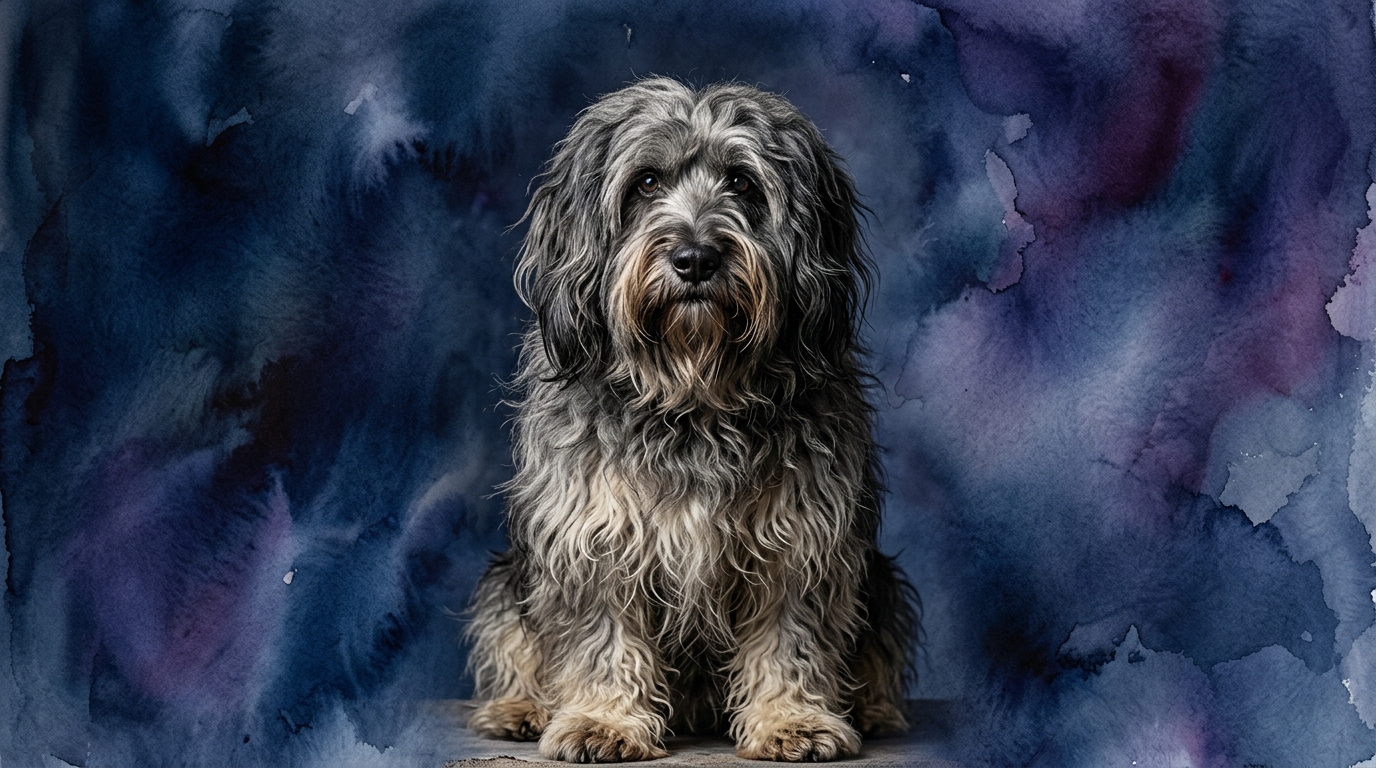
The Cosmic Pet Pet IQ Lab assesses canine intelligence across five crucial dimensions, offering a nuanced look beyond simple obedience. For the Polish Lowland Sheepdog, a Herding breed, we observe a balanced cognitive profile across the board. Their Problem Solving is rated 3 out of 5, suggesting a practical, independent approach to challenges, often rooted in their historical role of managing livestock. Training Speed also sits at 3 out of 5, indicating a steady learning pace that benefits from consistency. Social Intelligence, at 3 out of 5, points to a discerning nature, capable of forming strong bonds but not necessarily overly eager to please strangers. Their Instinctive Drive, rated 3 out of 5, reflects a moderate yet persistent herding impulse. Finally, Memory, at 3 out of 5, shows a reliable capacity for retaining learned behaviors and routines.
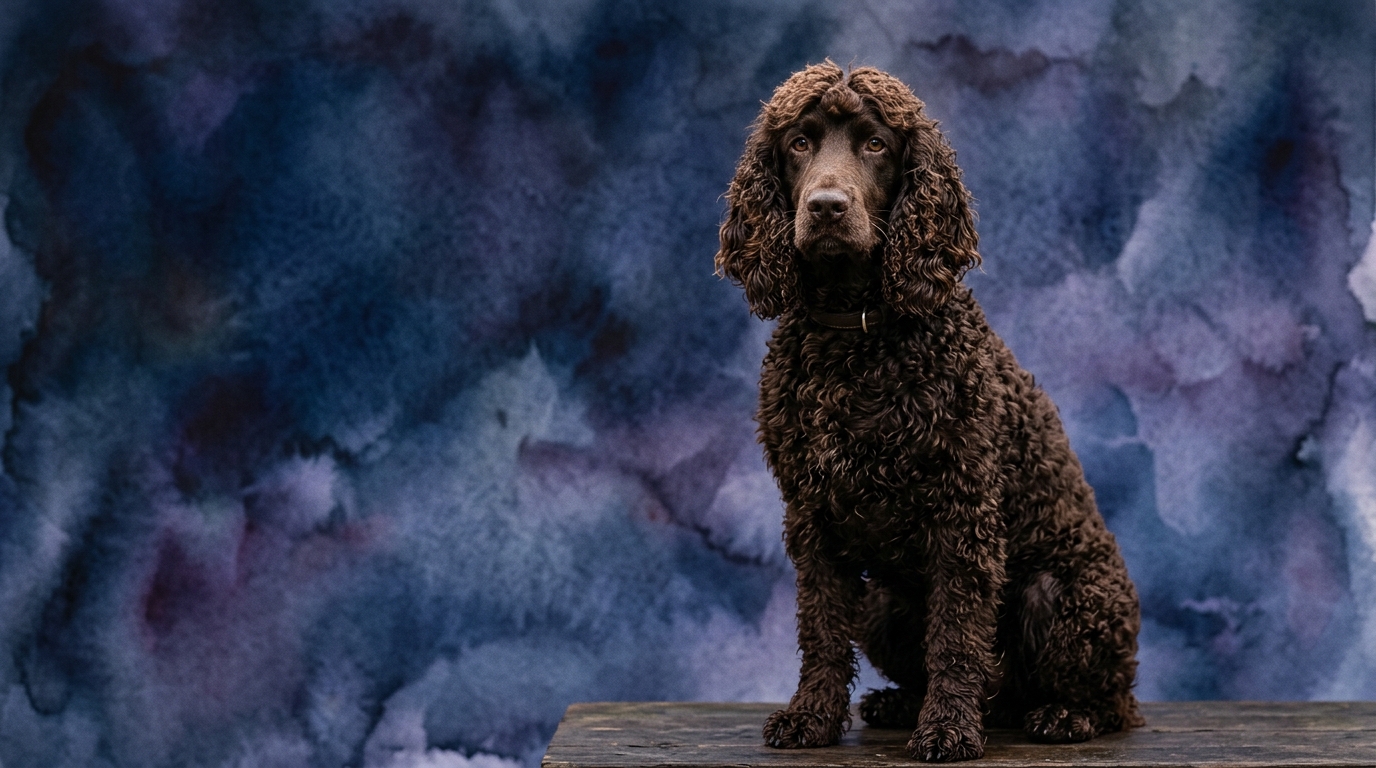
In contrast, the Irish Water Spaniel, a Sporting breed and Coren rank #24, presents a cognitive profile geared towards efficiency and task-orientation. Their Problem Solving scores a strong 4 out of 5, showcasing a quick wit and adaptability, particularly when faced with tasks requiring ingenuity in varied environments. Training Speed also excels at 4 out of 5, meaning they typically grasp new commands and concepts with impressive rapidity. Social Intelligence is rated 3 out of 5, similar to the PON, suggesting a capacity for strong owner bonds and appropriate social interactions. Their Instinctive Drive, also 3 out of 5, highlights a robust desire for retrieving and water work. Memory is a notable strength at 4 out of 5, indicating an excellent ability to recall complex sequences and information over time.
Where the Polish Lowland Sheepdog Cognitively Excels
While the Irish Water Spaniel shows higher scores in several categories, the Polish Lowland Sheepdog's cognitive strengths lie in their balanced, self-reliant, and persistent nature, particularly when facing open-ended challenges. Their 3/5 in Problem Solving, combined with their 3/5 Instinctive Drive, manifests as a practical, independent mind. Unlike breeds that might look to their handler for constant direction, the PON is often observed making decisions autonomously, a trait honed by centuries of working livestock with minimal human intervention. This means they are adept at assessing dynamic situations and formulating their own solutions, even if it takes them a bit longer to process than a Spaniel. For instance, if a gate is ajar, a PON might systematically try different approaches to close it or find an alternate route, rather than immediately alerting their owner.
This balanced cognitive profile across all dimensions (3/5) also suggests a certain consistency and resilience. They might not be the fastest learners, but what they learn tends to be deeply ingrained and reliable. Their social intelligence, while not effusive, allows for profound, discerning bonds, meaning they understand their family unit's dynamics well and respond appropriately within that context. Their memory, at 3/5, ensures they retain the routines and boundaries established within their home, contributing to their reputation as dependable companions once their independent spirit is understood and channeled.
Where the Irish Water Spaniel Cognitively Excels
The Irish Water Spaniel's cognitive strengths are evident in their higher scores for Problem Solving (4/5), Training Speed (4/5), and Memory (4/5). These attributes combine to create a canine mind that is not only quick to learn but also highly adaptable and capable of complex mental tasks. Their superior problem-solving ability means they can quickly assess new situations and devise effective strategies, a crucial skill for a gundog navigating varied terrains and retrieving game efficiently. For example, an IWS might quickly figure out the most efficient path through dense reeds to retrieve a fallen bird, or understand a multi-step command sequence with fewer repetitions.
The IWS's higher Training Speed (4/5) signifies a dog that is eager to engage and quick to make associations between commands and actions. This translates into a more fluid and responsive training experience, allowing them to master advanced obedience, trick training, or complex sporting tasks with relative ease. Their exceptional memory (4/5) further supports this, enabling them to retain a vast repertoire of commands, remember specific locations, or recall past experiences, making them highly consistent performers once a skill is learned. This combination of swift learning, sharp problem-solving, and robust memory makes the Irish Water Spaniel an outstanding candidate for competitive dog sports, working roles, or any activity requiring rapid acquisition and retention of skills.
Which is Easier to Train and Why?
Based on their respective IQ scores, the Irish Water Spaniel (Training Speed 4/5) is generally easier to train compared to the Polish Lowland Sheepdog (Training Speed 3/5). The IWS's higher score indicates a dog that typically picks up new commands and behaviors more rapidly, requiring fewer repetitions and often exhibiting a more enthusiastic response to training sessions. Their strong instinct for retrieving and water work, coupled with their quick learning, means they are often highly motivated by praise, toys, and opportunities to engage in their preferred activities, making them very biddable students. This faster learning curve can be particularly rewarding for first-time owners or those seeking to delve into advanced obedience or canine sports.
The Polish Lowland Sheepdog, with a 3/5 in Training Speed, requires a more patient, consistent, and creative approach. Their independent herding nature means they are not always looking to their owner for direction and can sometimes be perceived as stubborn if their handler doesn't understand their cognitive style. Training a PON often involves convincing them that cooperation is their idea or benefits them, rather than simply expecting blind obedience. While they are certainly trainable and capable of mastering complex tasks, their learning process is often more deliberate. Owners must be prepared to invest more time in foundational training, using positive reinforcement methods that appeal to their problem-solving nature, rather than relying solely on repetition. Their social intelligence (3/5) means they form strong bonds, which can be leveraged in training, but their independent streak requires a firm yet gentle hand.
Which Suits Active Owners vs. Relaxed Owners?
Neither the Polish Lowland Sheepdog nor the Irish Water Spaniel are suitable for truly relaxed or sedentary owners; both breeds demand significant mental and physical engagement. However, the *type* of activity they thrive on differs. The Irish Water Spaniel, with its sporting background and high problem-solving and memory scores, thrives with owners who can provide ample physical exercise, especially swimming and retrieving games. They excel in activities like dock diving, agility, and hunting, requiring owners who are keen on outdoor adventures and consistent mental challenges. Their higher training speed means they enjoy learning new tasks and benefit from owners who can dedicate time to advanced training, keeping their sharp minds occupied. An IWS left without sufficient stimulation can become bored and potentially destructive, channeling their energy into less desirable behaviors.
The Polish Lowland Sheepdog, while also requiring substantial exercise, often benefits more from activities that engage their herding instincts and problem-solving abilities in a practical way. Long walks, hikes, and opportunities for 'jobs' like herding balls, puzzle toys, or even advanced obedience that mimics herding tasks are ideal. They need owners who understand their independent nature and can provide consistent mental stimulation that caters to their self-sufficient problem-solving style. While they enjoy physical activity, their energy can be channeled more effectively through structured 'work' that satisfies their innate drives. A PON might not need to swim daily, but they absolutely need to 'think' and feel like they have a purpose, making them a better fit for owners who enjoy engaging in thoughtful, purposeful activities with their canine companion, rather than just endless fetch.
The Verdict: When to Choose Each Companion
The Verdict
Choose the Polish Lowland Sheepdog if you appreciate an independent, thoughtful companion who excels at self-reliant problem-solving and you are prepared for a consistent, patient training journey that respects their herding heritage. They thrive with owners who can provide purposeful mental stimulation and enjoy a discerning, loyal bond.
Opt for the Irish Water Spaniel if you desire a quick-witted, highly trainable, and energetic partner for active outdoor pursuits, especially those involving water and retrieving, and you are ready to engage their sharp mind with advanced training and consistent physical challenges.
🧠 Find Your Pet's IQ Score
Our Pet IQ Lab assessment covers 25+ tests across 5 cognitive dimensions — personalized to your breed.
Take the Full IQ Test →Frequently Asked Questions
Do Polish Lowland Sheepdogs bark a lot?
Polish Lowland Sheepdogs are known to be vocal, using their barks to alert their family to anything unusual, a trait stemming from their herding guardian role. Consistent training from an early age can help manage excessive barking, but owners should expect a dog that communicates vocally.
Are Irish Water Spaniels good with children?
Irish Water Spaniels can be good with children, especially if raised with them and properly socialized. Their playful and energetic nature can make them fun companions, but their boisterousness means supervision is always advised, particularly with very young children.
What kind of grooming do these breeds require?
The Polish Lowland Sheepdog requires significant grooming due to its long, dense double coat, needing regular brushing several times a week to prevent mats. The Irish Water Spaniel's curly, water-repellent coat needs less frequent brushing but still benefits from regular care to prevent matting and occasional professional trimming to maintain its unique appearance.