Side-by-Side IQ Profile: Unpacking Cognitive Dimensions
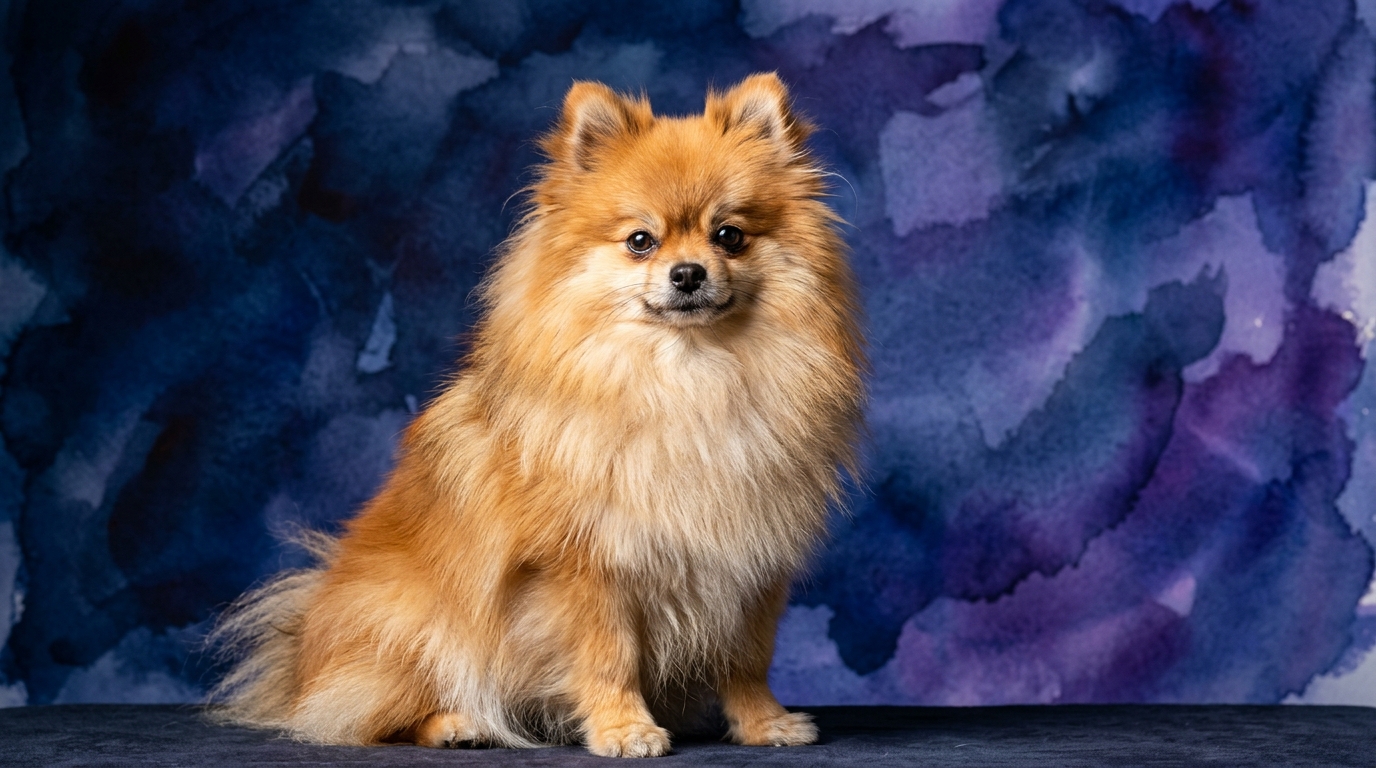
The Cosmic Pet Pet IQ Lab employs a multi-faceted approach to assess canine cognition, moving beyond simple obedience scores to evaluate problem-solving, training speed, social intelligence, instinctive drive, and memory. For the Pomeranian, a breed ranked #23 by Coren, its profile reflects a generally adaptable and engaged intellect. Problem Solving is rated at 4/5, indicating a capacity to navigate novel situations and figure out puzzles with relative ease. Its Training Speed, also 4/5, suggests a quick grasp of new commands and a willingness to learn, making it responsive to instructional cues. Social Intelligence stands at 4/5, highlighting its ability to read human emotions and adapt its behavior in various social contexts. Instinctive Drive, at 3/5, points to a moderate expression of inherent breed tendencies, such as chasing small objects, but generally balanced with its other cognitive strengths. Finally, Memory at 4/5 means the Pomeranian retains learned information and experiences effectively.
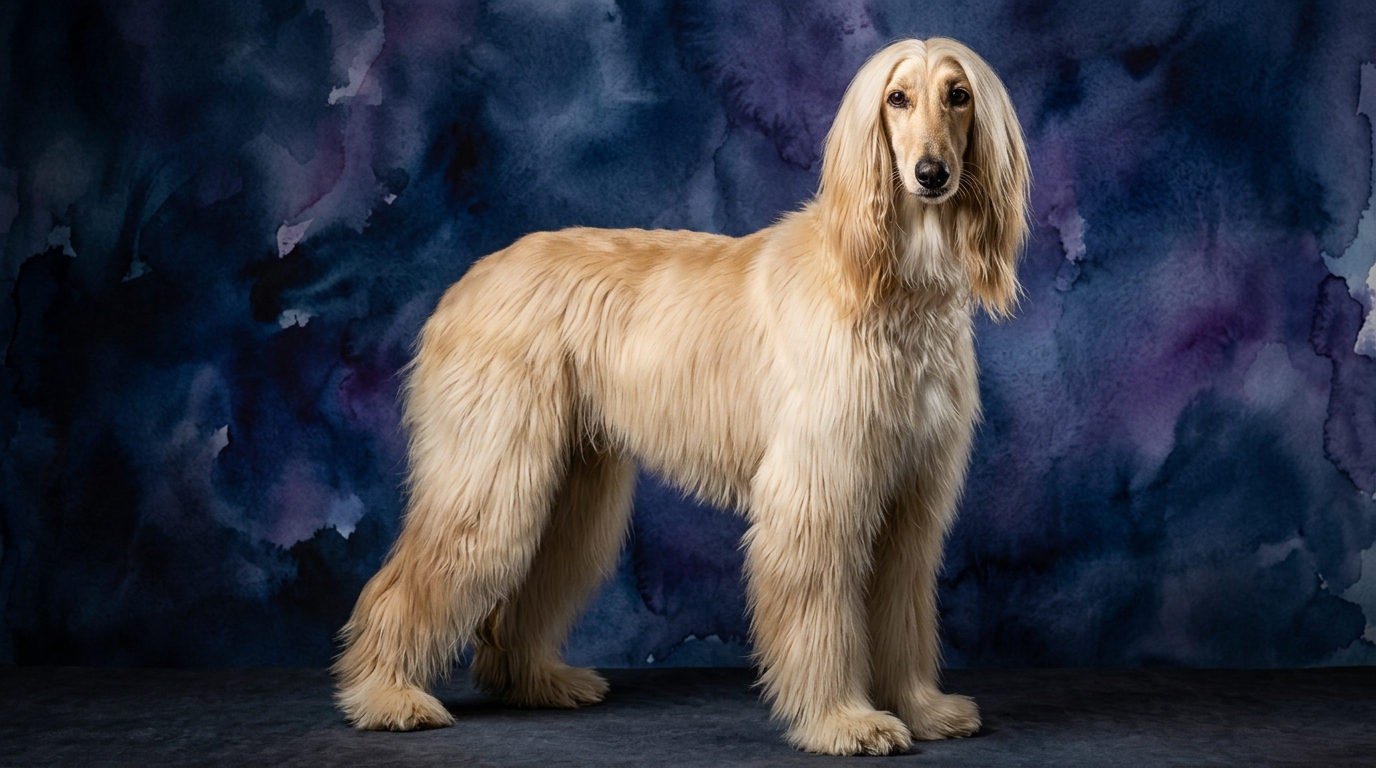
In contrast, the Afghan Hound, positioned at Coren rank #79, presents a unique cognitive blueprint, shaped by centuries of independent hunting. Its Problem Solving ability surprisingly matches the Pomeranian at 4/5, suggesting a deep capacity to strategize and overcome obstacles in its environment, albeit often for its own purposes rather than human-directed tasks. However, its Training Speed plummets to 1/5, reflecting a profound independence and a disinterest in repetitive, human-centric instruction. Social Intelligence is rated 2/5, indicating a more reserved and less overtly expressive nature in interpreting human cues or seeking constant interaction. Where the Afghan Hound truly excels is in Instinctive Drive, scoring a perfect 5/5; its powerful sight hound instincts for chasing, tracking, and independent pursuit are profoundly ingrained. Memory is assessed at 3/5, meaning it remembers, but its recall of commands might be overshadowed by its strong drives or independent decision-making.
Where the Pomeranian Wins Cognitively
The Pomeranian demonstrates clear cognitive advantages in areas that prioritize human-canine collaboration and adaptability within a domestic setting. Its superior Training Speed (4/5 versus the Afghan Hound's 1/5) means it processes and internalizes new commands and routines with far greater efficiency. This isn't merely about obedience; it reflects a cognitive wiring that is eager to engage with and respond to human guidance, making the learning process a more fluid and rewarding experience for both dog and owner. This quick uptake is a hallmark of breeds developed for companionship and active participation in family life.
Furthermore, the Pomeranian's higher Social Intelligence (4/5 versus 2/5) allows it to excel in understanding and navigating complex social dynamics. It is more attuned to subtle human emotional shifts, vocal inflections, and body language, enabling it to respond appropriately in varied social scenarios. This sensitivity fosters a deeper bond and makes the Pomeranian a more intuitive companion, often anticipating needs or moods. Its stronger Memory (4/5 versus 3/5) also contributes to its overall cognitive edge in a home environment, allowing it to consistently recall learned behaviors, household rules, and routines, contributing to a more predictable and harmonious cohabitation.
Where the Afghan Hound Wins Cognitively
The Afghan Hound’s cognitive strengths are rooted in its ancient purpose, manifesting profoundly in its Instinctive Drive (5/5). This unparalleled drive signifies an innate, powerful capacity for independent action, pursuit, and problem-solving within its environment, often without human instruction. While this can present challenges in a domestic setting, it speaks to a highly specialized form of intelligence geared towards survival and success in demanding, solitary tasks. Their ability to independently assess situations, make rapid decisions, and execute complex physical maneuvers to achieve a goal—such as pursuing prey—is a testament to this profound cognitive dimension.
Interestingly, both breeds share a Problem Solving score of 4/5. However, the Afghan Hound's application of this skill often differs. While a Pomeranian might use its problem-solving to figure out a puzzle toy, an Afghan Hound might employ it to cleverly circumvent a fence or strategize a path to follow a scent or visual cue, demonstrating an ingenuity driven by its intrinsic motivations rather than a desire to please. This independent problem-solving, coupled with its immense drive, allows the Afghan Hound to excel in environments where self-reliance and acute sensory perception are paramount, showcasing a different, yet equally valid, form of cognitive prowess.
Which is Easier to Train and Why
Based on their cognitive profiles, the Pomeranian is demonstrably easier to train than the Afghan Hound. The Pomeranian's Training Speed of 4/5, coupled with its high Social Intelligence (4/5) and Memory (4/5), means it is predisposed to learn quickly, understand human directives, and retain that information. They typically enjoy the interaction and mental stimulation that training provides, viewing it as a bonding activity. Their Coren rank of #23 reflects this capacity for understanding and executing commands with fewer repetitions and a higher success rate, often appearing eager to please and responsive to positive reinforcement.
The Afghan Hound, with a Training Speed of 1/5 and a Coren rank of #79, presents a significant training challenge due to its profound independence and powerful Instinctive Drive (5/5). While intelligent in its own right, an Afghan Hound often perceives commands as suggestions rather than directives, especially if they conflict with its inherent desire to chase or explore. Their lower Social Intelligence means they are less motivated by human approval and more by their own internal drives. Training an Afghan Hound requires immense patience, creativity, and an understanding that their cooperation is often conditional, stemming from a choice rather than an automatic response to instruction. Real behavioral differences include the Afghan Hound's propensity for selective hearing when a compelling scent or visual stimulus presents itself, making consistent recall or heel work particularly difficult without extensive, specialized effort.
Which Suits Active Owners vs. Relaxed Owners
For owners seeking a highly engaged and interactive companion, the Pomeranian is an excellent fit. Its cognitive profile, characterized by high Social Intelligence, strong Memory, and a keen Problem Solving ability, makes it suitable for active owners who enjoy consistent training, dog sports like agility or obedience, and frequent mental enrichment activities. These dogs thrive on interaction and benefit greatly from owners who are willing to channel their cognitive energy into structured games and learning opportunities. They are well-suited to owners who want a dog that is deeply integrated into daily family life, participating actively in outings and social events, and who appreciate a dog that is quick to learn new tricks and routines.
The Afghan Hound, conversely, is better suited for active owners who understand and appreciate its independent spirit and profound instinctive drives. While they require significant physical exercise, their cognitive needs are less about constant human-directed tasks and more about opportunities to express their natural sighthound behaviors in safe, controlled environments. This means owners who enjoy long, vigorous walks or runs, or who can provide access to securely fenced areas for sprinting, would be ideal. They also suit owners who are comfortable with a dog that is more aloof, less overtly demonstrative, and requires a relaxed approach to training that respects their independent decision-making. These are not dogs for owners seeking constant validation or a highly biddable companion; rather, they thrive with those who admire their majestic self-possession and provide ample space for their unique cognitive expression.
The Verdict
Choose the Pomeranian if you desire a responsive, socially engaged companion eager to learn and participate actively in family life, thriving on consistent interaction and mental challenges.
Opt for the Afghan Hound if you appreciate an independent, majestic companion with powerful natural instincts, provided you can accommodate their need for extensive physical activity and respect their self-possessed nature.
🧠 Find Your Pet's IQ Score
Our Pet IQ Lab assessment covers 25+ tests across 5 cognitive dimensions — personalized to your breed.
Take the Full IQ Test →Frequently Asked Questions
Does the Afghan Hound's high problem-solving score make it easy to train?
Not necessarily. While the Afghan Hound has a strong problem-solving capacity (4/5), its low training speed (1/5) and high instinctive drive (5/5) mean it often uses its intellect for its own purposes, not always to comply with human commands. Its problem-solving is often geared towards independent action rather than following instructions.
How does social intelligence impact the daily life of each breed?
A Pomeranian's high social intelligence (4/5) makes it more attuned to human emotions and social cues, leading to a more interactive and responsive companion. An Afghan Hound's lower social intelligence (2/5) means it is generally more reserved and independent, less inclined to seek constant human interaction or display overt affection, preferring a more dignified presence.
Which breed is better for first-time dog owners interested in training?
The Pomeranian is generally a better choice for first-time dog owners interested in training due to its higher training speed and social intelligence. Its eagerness to learn and respond to guidance makes the training process more straightforward and rewarding, fostering a positive initial experience with dog ownership and obedience.