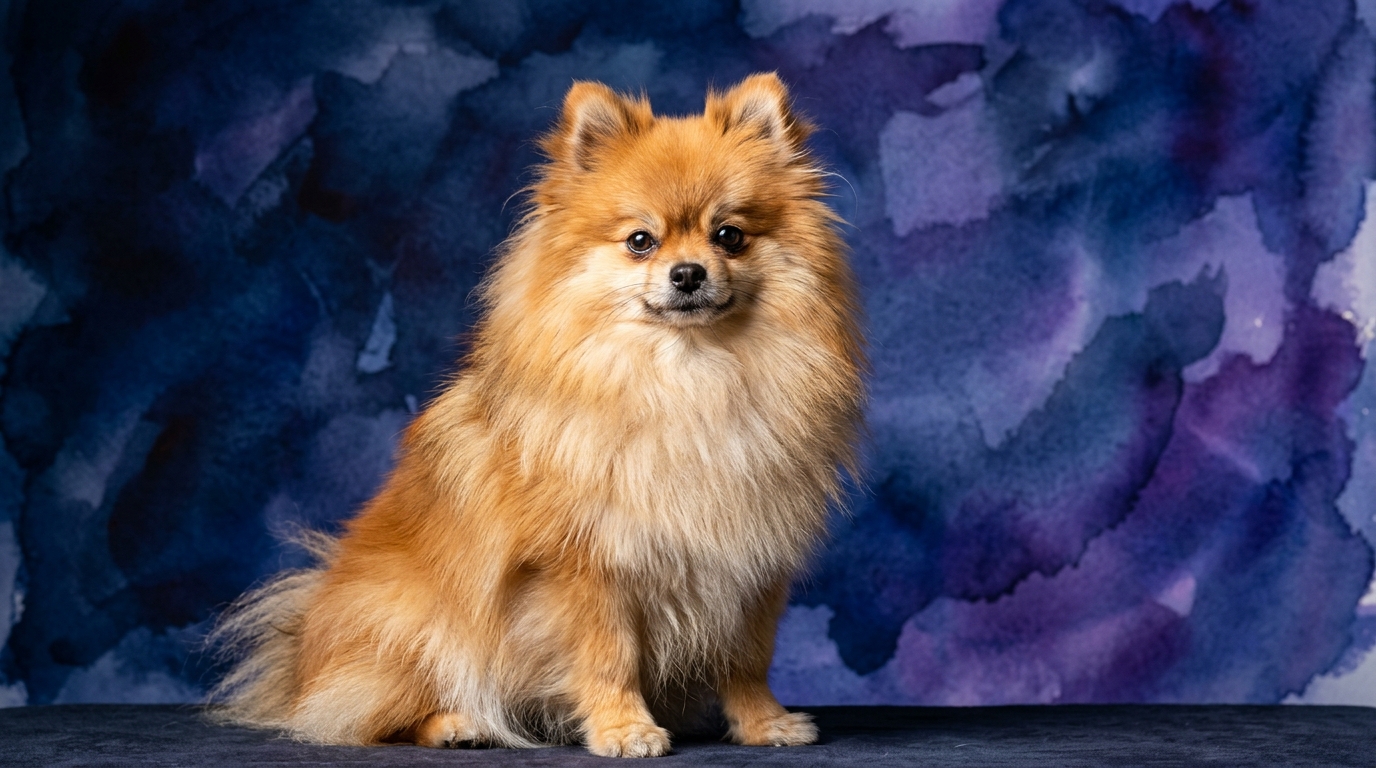
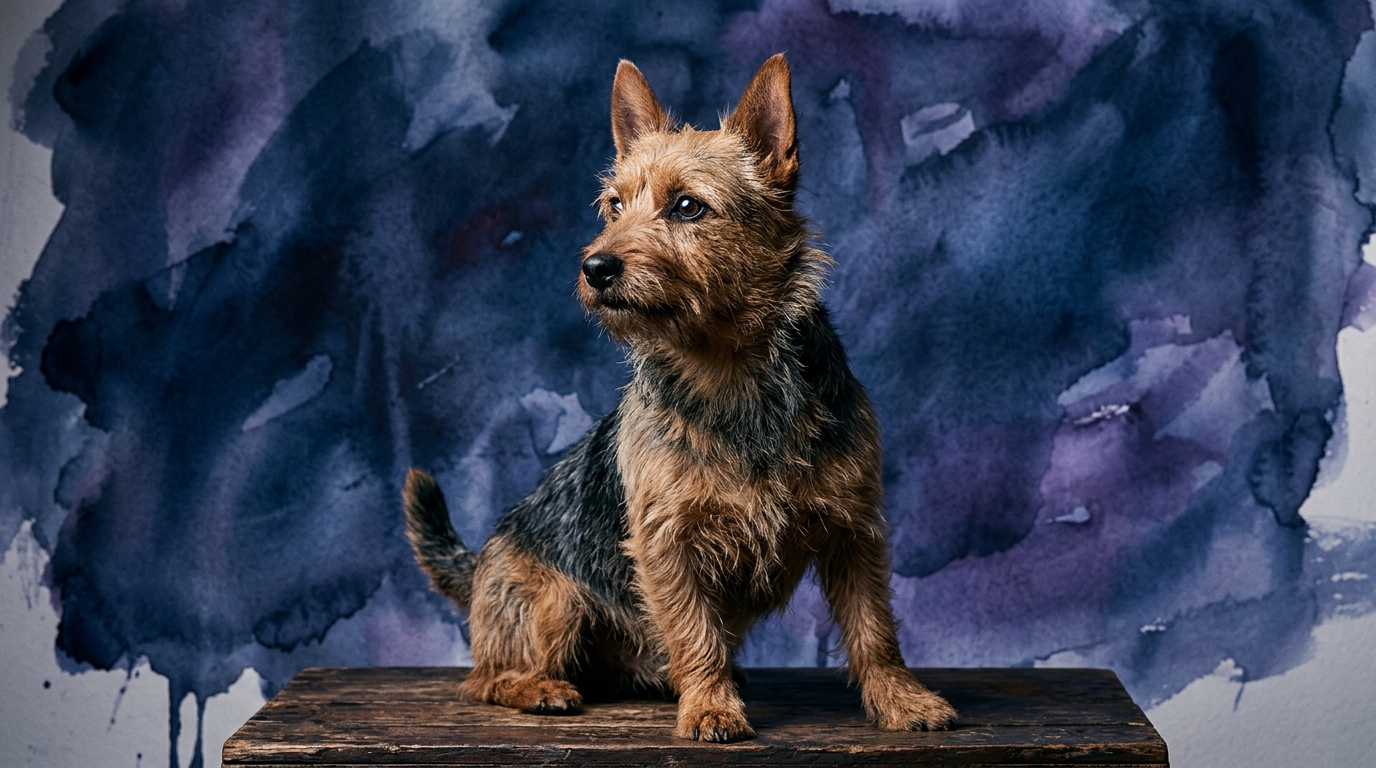
Side-by-side IQ profile
**Pomeranian (Toy Group):** As a breed ranked #23 by Coren for working and obedience intelligence, the Pomeranian’s cognitive profile is well-defined. Their **Problem Solving (4/5)** score indicates a strong aptitude for figuring things out, whether it's manipulating a puzzle toy or devising strategies to get attention. This quick mental processing allows them to adapt to new situations with agility. Their **Training Speed (4/5)** reflects an eagerness for learning, coupled with a desire to please, making them generally quick studies who grasp new commands and routines with relative ease, often excelling in obedience activities. In **Social Intelligence (4/5)**, Poms are adept at reading human cues and understanding household social dynamics, often using this understanding to communicate their needs and desires effectively. Their **Instinctive Drive (3/5)**, while not for traditional working tasks, manifests as an alertness to surroundings and a tendency to bark at perceived intruders, serving as a companion vigilance. Finally, their **Memory (4/5)** is robust, retaining learned behaviors, routines, and specific training sequences over long periods, contributing significantly to their consistent behavior.
**Australian Terrier (Terrier Group):** While not Coren-ranked, the Australian Terrier possesses a distinct cognitive makeup shaped by its working heritage. Their **Problem Solving (3/5)** ability is practical and persistent, particularly when it comes to navigating their environment or pursuing a goal, often reflecting their independent nature. In **Training Speed (3/5)**, while capable of learning, their progress can be influenced by their terrier independence, requiring consistent and engaging methods to maintain focus. Their **Social Intelligence (3/5)** shows they are observant of their human companions, understanding routines and cues, though they may express their awareness with characteristic terrier assertiveness. The Australian Terrier's **Instinctive Drive (3/5)** is a core aspect of their identity, deeply rooted in their history as vermin hunters, manifesting as a keen desire to dig, chase, and explore—a cognitive imperative to engage with their environment. Their **Memory (3/5)** is functional for commands and experiences, though perhaps not as consistently applied as the Pomeranian due to their more self-reliant streak.
Where Pomeranian wins cognitively
The Pomeranian clearly distinguishes itself with higher cognitive scores across four of the five dimensions: problem-solving, training speed, social intelligence, and memory. Their 4/5 in problem-solving suggests a greater flexibility in adapting to novel situations and a quicker capacity to strategize for desired outcomes, whether it's figuring out a new game or navigating a complex environment. This is complemented by their 4/5 in training speed, indicating an eagerness and aptitude for absorbing new commands and behaviors efficiently. Their superior social intelligence (4/5) means they are often more attuned to human emotions and social cues, making them exceptionally responsive and communicative companions. Furthermore, their stronger memory (4/5) ensures that learned lessons and established routines are retained with greater consistency, solidifying their behavioral patterns over time. These combined strengths make the Pomeranian a particularly agile and adaptive learner in a domestic setting, excelling in areas requiring nuanced interaction and rapid learning.
Where Australian Terrier wins cognitively
While the Australian Terrier doesn't boast numerically higher scores in individual categories, its cognitive profile shines uniquely in the application of its instinctive drive (3/5) and practical problem-solving (3/5) for its specific niche. Their ancestral role as vermin hunters has honed a focused, tenacious cognitive style. This breed excels in tasks requiring independent thought and persistence, such as navigating complex outdoor environments or pursuing a scent. Their problem-solving, while perhaps not as broad as the Pomeranian's, is highly effective for specific, goal-oriented tasks, often involving physical engagement and determination. The Australian Terrier's 3/5 in instinctive drive isn't merely an urge; it's a cognitive framework that directs their attention, persistence, and decision-making towards exploration and interaction with their surroundings, often with a bold and self-reliant approach. This makes them adept at tasks requiring resilience and a 'can-do' attitude, even if it means figuring things out on their own terms.
Which is easier to train and why
Based on the IQ scores, the Pomeranian (Training Speed 4/5, Problem Solving 4/5) is generally easier to train than the Australian Terrier (Training Speed 3/5, Problem Solving 3/5). The Pomeranian's quicker grasp of new commands and routines stems from its higher training speed and its desire for social interaction and approval. They often find joy in the training process itself, responding well to positive reinforcement and clear guidance. Their social intelligence also plays a role, as they are more likely to tune into their handler's intentions and adjust their behavior accordingly, making training a more collaborative effort. In contrast, the Australian Terrier, while perfectly capable, often requires a more patient and consistent approach. Their terrier independence and strong instinctive drive mean they might have their own ideas about what's important, potentially making them less inclined to follow commands if something more stimulating captures their attention. Training an Australian Terrier often involves channeling their natural drives into constructive activities, rather than solely relying on their desire to please. Their problem-solving ability, while present, is often directed towards their own goals, which can sometimes conflict with a trainer's agenda, requiring creative solutions from the handler.
Which suits active owners vs relaxed owners
The cognitive profiles of these breeds suggest different suitability for active versus relaxed owners. The Pomeranian, with its moderate instinctive drive (3/5) and high social intelligence (4/5), can adapt well to both moderately active and more relaxed households. They enjoy mental stimulation through training and puzzle toys, and appreciate companionship and lap time. While they possess energy, it's often manageable indoors or with shorter, regular walks. Their cognitive strengths lean towards companionship and interactive play, making them a good fit for owners who enjoy engaging with their pet's mind through games and consistent interaction, without necessarily needing strenuous outdoor activities. Their adaptability allows them to thrive in various home environments, provided their social and mental needs are met.
The Australian Terrier, on the other hand, with its strong instinctive drive (3/5) geared towards exploration and hunting, thrives with more active engagement. Their practical problem-solving and persistence require outlets. Owners who enjoy regular outdoor adventures, interactive games that simulate hunting (like fetch or scent work), and consistent mental challenges will find the Australian Terrier a rewarding companion. A relaxed owner who cannot provide sufficient mental and physical stimulation might find an Australian Terrier inventing its own (potentially destructive) activities, as their cognitive energy needs an outlet. They are better suited for owners who appreciate and can channel a dog's independent, tenacious spirit, providing structured opportunities for them to engage their natural drives.
The Verdict
Choose the Pomeranian if you seek a companion that readily engages in training, thrives on social interaction, and offers consistent responses due to its strong memory and adaptive problem-solving.
Opt for the Australian Terrier if you value a tenacious, independent spirit, enjoy channeling a dog's natural drives into purposeful activities, and are prepared for a companion whose problem-solving is often geared towards exploring its environment.
🧠 Find Your Pet's IQ Score
Our Pet IQ Lab assessment covers 25+ tests across 5 cognitive dimensions — personalized to your breed.
Take the Full IQ Test →Frequently Asked Questions
Do Pomeranians bark excessively due to their instinctive drive?
Pomeranians do have an instinctive drive (3/5) that includes alertness, which can manifest as barking at perceived threats or novelties. Consistent training and early socialization can help manage this vocal tendency, channeling their vigilance appropriately and teaching them when it's appropriate to be vocal.
Is the Australian Terrier's lower training speed a significant hurdle for basic obedience?
The Australian Terrier's training speed (3/5) means they may take longer to master commands compared to a Pomeranian, often requiring more repetition and patience. However, with consistent, positive, and engaging training methods, they are perfectly capable of learning basic obedience and even more advanced tasks, especially when their independent spirit is respected.
How does social intelligence impact interaction with children for both breeds?
The Pomeranian's higher social intelligence (4/5) generally makes them more attuned to family dynamics and cues, potentially adapting more smoothly to respectful children who understand how to interact with a small dog. The Australian Terrier's social intelligence (3/5) means they are observant, but their independent nature may require more supervision and clear boundaries with children to ensure harmonious interactions, teaching both dog and child how to respectfully coexist.