Side-by-Side IQ Profile: Pomeranian vs. Basenji
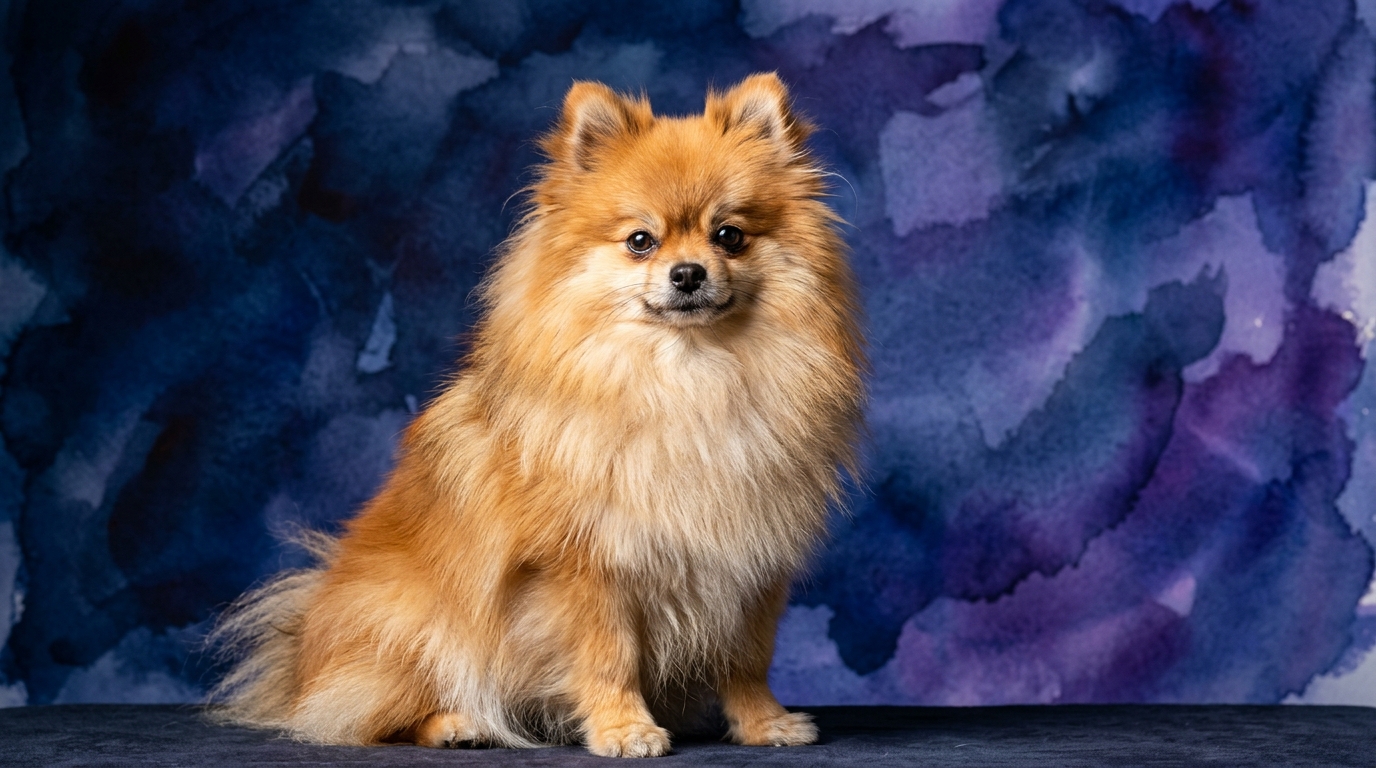
The Pomeranian, a Toy breed with a Coren rank of #23, demonstrates a well-rounded cognitive profile. Their problem-solving ability scores a solid 4/5, indicating a good capacity to navigate novel situations, while their training speed of 4/5 means they grasp new commands and routines with relative ease. A social intelligence rating of 4/5 highlights their attunement to human cues and emotional states, making them perceptive companions. Their instinctive drive is moderate at 3/5, meaning ancient urges are present but not overwhelming, and their memory at 4/5 ensures good retention of learned behaviors and experiences.
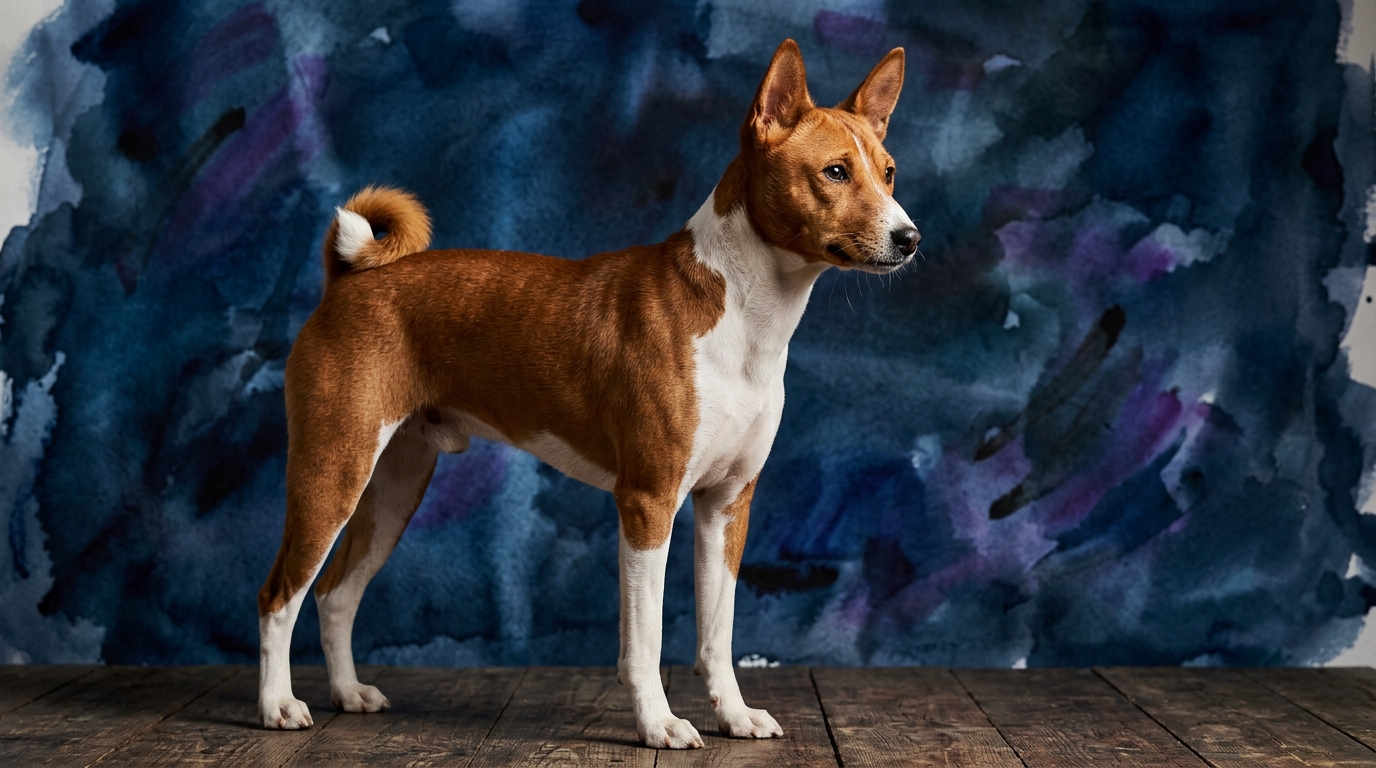
In stark contrast, the Hound breed Basenji, with a Coren rank of #78, presents a unique cognitive blueprint. Their problem-solving ability is an impressive 5/5, showcasing a highly resourceful and independent mind capable of complex thought. However, this contrasts sharply with a training speed of 1/5, reflecting a strong will and a disinclination to perform on command. Social intelligence at 3/5 suggests they are less focused on human direction, while an instinctive drive of 5/5 means they are profoundly motivated by ancient sighthound and hunting instincts. Their memory is strong at 4/5, ensuring they retain information effectively, whether it's a desired behavior or a strategy for mischief.
Where the Pomeranian Wins Cognitively
The Pomeranian truly shines in areas that foster human-canine partnership and biddability. Their training speed of 4/5 is a significant advantage, allowing them to pick up new commands, tricks, and house rules far more rapidly than the Basenji. This quick uptake makes them highly adaptable to various lifestyles and training goals, from basic obedience to more complex canine sports, establishing a strong foundation for cooperative learning.
Furthermore, the Pomeranian's social intelligence, also rated 4/5, allows them to excel in understanding and responding to human emotional states and vocal inflections. This nuanced perception makes them incredibly perceptive companions, often anticipating their owner's needs or moods. Their moderate instinctive drive (3/5) means they are generally less distracted by primal urges, making them more attentive during training and social interactions compared to the Basenji's intense focus on independent pursuits.
Where the Basenji Wins Cognitively
The Basenji’s cognitive prowess lies in its exceptional problem-solving ability, scoring a perfect 5/5. This remarkable capacity allows them to independently assess situations, devise strategies, and execute plans to achieve their goals, whether it’s figuring out how to open a child-proof gate or navigating a complex environment. This isn't about following instructions, but about innate, creative intelligence that enables them to overcome obstacles with impressive ingenuity.
Their extremely high instinctive drive (5/5) also represents a cognitive strength, albeit one that requires careful management. This drive translates into incredible focus and persistence when pursuing an instinctual goal, such as tracking a scent or chasing perceived prey. While challenging for traditional training, this deep-seated motivation fuels an independent spirit and a profound understanding of their natural world, making them incredibly self-sufficient and resourceful creatures. Their memory at 4/5 ensures they learn from these experiences, refining their problem-solving approaches over time.
Which is Easier to Train and Why
Without question, the Pomeranian presents a significantly easier training experience due to its combination of high training speed and social intelligence. Their natural inclination to please their human companions, coupled with their quick grasp of new concepts, means they respond well to positive reinforcement and consistent guidance. A Pomeranian will often look to their owner for direction and approval, making the training process a collaborative effort focused on mutual understanding and shared success.
The Basenji, by contrast, is notoriously challenging to train, largely because of its exceptionally low training speed (1/5) and strong independent nature. While they possess superior problem-solving skills, these are often employed to outsmart their trainers or find ways to do what *they* want, rather than what is commanded. Their high instinctive drive means they are easily distracted by environmental stimuli, and their moderate social intelligence makes them less inclined to seek human approval, demanding immense patience and creativity from their trainers to achieve even basic obedience.
Which Suits Active Owners vs. Relaxed Owners
For owners seeking a more relaxed, yet engaging, companion, the Pomeranian is often the better fit. While they enjoy activity and mental stimulation, their moderate instinctive drive and biddable nature make them content with indoor play, short walks, and cuddle sessions. Their strong social intelligence means they thrive on close human interaction and are excellent companions for those who enjoy a constant, affectionate presence. They adapt well to apartment living and a generally calmer pace of life, provided their cognitive needs are met through interactive toys and consistent, gentle training.
The Basenji, with its intense instinctive drive (5/5) and exceptional problem-solving abilities, demands an active and mentally stimulating lifestyle. These dogs require owners who can channel their boundless energy and independent spirit into constructive outlets, such as sighthound coursing, agility, or extensive daily exercise that engages both their body and mind. A Basenji left without sufficient mental and physical engagement will invent its own "projects," often to the detriment of household items, making them ideal for experienced, active owners who appreciate and can manage a highly independent and resourceful canine partner.
The Verdict
Choose the Pomeranian if you seek a highly trainable, socially perceptive companion eager to participate in shared activities and offer consistent affection.
Opt for the Basenji if you are an experienced, active owner who values an independent, resourceful problem-solver and can provide extensive mental and physical challenges.
🧠 Find Your Pet's IQ Score
Our Pet IQ Lab assessment covers 25+ tests across 5 cognitive dimensions — personalized to your breed.
Take the Full IQ Test →Frequently Asked Questions
Do Basenjis learn quickly despite their low training speed?
Basenjis certainly learn quickly, particularly when it comes to figuring out how to achieve their own goals, thanks to their 5/5 problem-solving ability. However, their low training speed rating refers to their willingness and ease of learning *human-directed* commands, which they often choose to ignore due to their independent nature.
How does social intelligence impact the daily life of a Pomeranian vs a Basenji?
A Pomeranian's high social intelligence means they are more attuned to human emotions and cues, often seeking interaction and offering comfort, making them highly responsive companions. A Basenji's moderate social intelligence suggests they are less focused on human emotional states, preferring to engage on their own terms and pursue independent interests, which can sometimes be perceived as aloofness.
Can a Basenji be a good family dog despite being hard to train?
Yes, a Basenji can be a good family dog for the right family, particularly one that understands and respects their independent nature and high energy needs. While training traditional obedience is challenging, they bond deeply with their families and can be affectionate, but they thrive with consistent, creative mental and physical stimulation rather than strict command performance.