Side-by-Side Cognitive Profiles: The Cosmic Pet IQ Lab Report
At The Cosmic Pet Pet IQ Lab, we analyze canine intelligence across five key dimensions, providing a granular understanding of how different breeds process information and interact with their world. This comparative report delves into the cognitive landscapes of the Pomeranian and the Basset Hound, two breeds with distinct evolutionary paths and behavioral expressions.
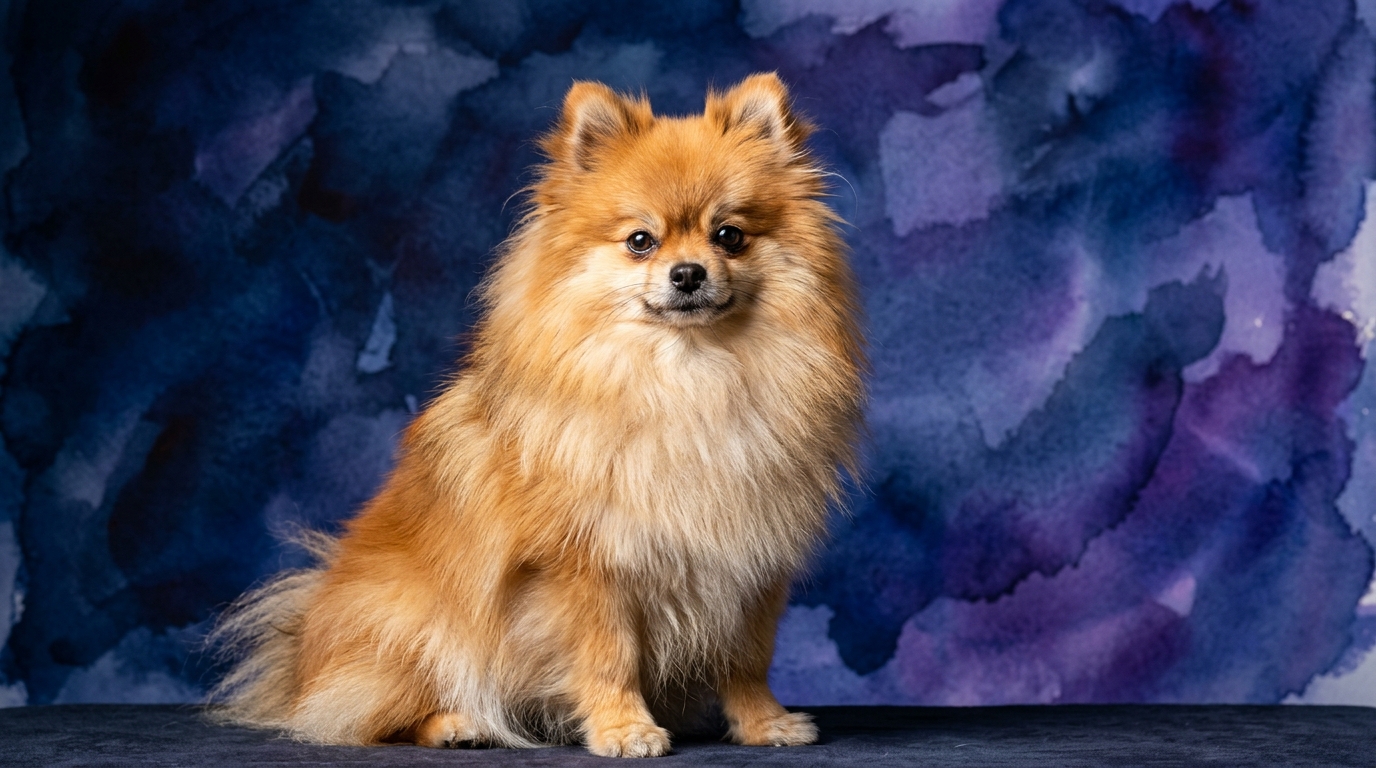
The Pomeranian, a member of the Toy group with a Coren ranking of #23, demonstrates a multifaceted cognitive aptitude. Their Problem Solving score of 4/5 indicates a strong capacity for navigating novel situations and figuring out solutions to environmental challenges. Training Speed, also at 4/5, points to a rapid assimilation of new commands and routines, often eager to engage in learning. Social Intelligence, another 4/5, highlights their keen awareness of human cues and their ability to adapt to complex social dynamics within a household. Their Instinctive Drive sits at 3/5, reflecting some companion-breed alertness without being overwhelmingly driven by primal urges. Finally, their Memory at 4/5 suggests an excellent ability to retain learned behaviors and recall past experiences, making them consistent in their learned responses.
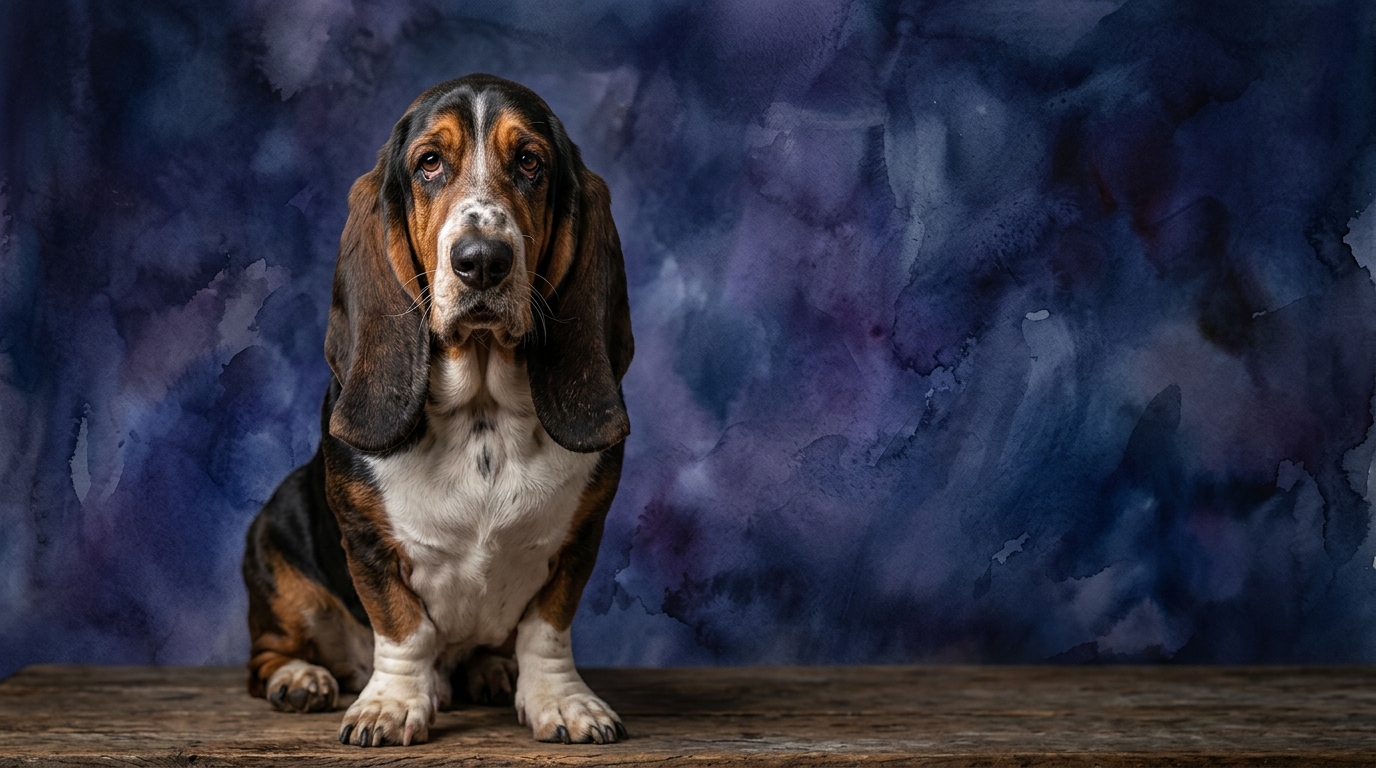
In contrast, the Basset Hound, a member of the Hound group with a Coren ranking of #71, presents a cognitive profile deeply rooted in their specialized purpose. Their Problem Solving score of 3/5 indicates a more deliberate approach to abstract challenges, often relying on their primary sensory input. Training Speed, at 3/5, suggests they require more repetition and specific motivation, sometimes due to their independent nature. Social Intelligence, also 3/5, reflects their amiable disposition and calm interactions, though they might be less overtly reactive to subtle human cues than companion breeds. Their Instinctive Drive, rated 3/5, is profoundly shaped by their powerful olfaction, often overriding other motivations. Their Memory, at 3/5, is particularly strong for scent-related information but might be less robust for abstract obedience tasks.
Where the Pomeranian's Cognition Shines Brighter
The Pomeranian's cognitive strengths are evident across several domains, making them a captivating and responsive companion. Their Problem Solving score of 4/5 means they are often adept at tasks requiring quick thinking and adaptability. For instance, they might quickly figure out how to open a treat puzzle or retrieve a toy from a tricky spot, demonstrating an intrinsic curiosity and a drive to manipulate their environment. This cognitive flexibility allows them to navigate new situations with relative ease, making them well-suited for varied domestic settings.
With a Training Speed and Memory both at 4/5, Pomeranians typically absorb and retain new information with impressive efficiency. This makes them highly receptive to obedience training, trick learning, and even participation in canine sports like agility or freestyle. Their capacity to quickly form associations between commands and actions, coupled with their excellent memory for these learned behaviors, means they can build a wide repertoire of skills. This responsiveness is often fueled by their high Social Intelligence (4/5), as they are keenly attuned to human feedback and thrive on positive reinforcement, eager to engage and please their caregivers.
Their elevated social intelligence also means Pomeranians are often excellent at reading human emotions and intentions. This allows them to form exceptionally strong bonds and act as intuitive companions, sometimes anticipating needs or responding sensitively to changes in household dynamics. Their keen awareness of their surroundings extends to social interactions, enabling them to adapt their behavior to various social contexts, whether greeting new visitors or comforting a distressed family member.
Unpacking the Basset Hound's Unique Cognitive Strengths
While the Basset Hound's scores might appear lower in some general cognitive metrics, their unique intelligence lies in specialization, particularly their profound olfaction. Their Instinctive Drive, rated 3/5, is almost entirely dedicated to their nose. This isn't a limitation but a highly evolved cognitive strength, enabling them to solve complex 'scent puzzles' that would be impossible for most other breeds. Their Problem Solving (3/5) in this context is unparalleled; they can follow faint, aged trails over diverse terrains, demonstrating incredible focus and perseverance in their primary cognitive domain.
The Basset Hound's Social Intelligence (3/5) manifests differently from a Pomeranian's. They are known for their gentle, patient, and amiable disposition. While they may not be as overtly reactive to subtle human cues, they offer a steady, comforting presence. Their social intelligence is expressed through their peaceful coexistence with other pets and children, their calm demeanor, and their unwavering loyalty once a bond is formed. They are not prone to high-strung reactions; instead, they offer a grounded, reassuring companionship that many find deeply appealing.
Their Memory (3/5), while perhaps not as strong for abstract commands, is phenomenal when it comes to scent. A Basset Hound can recall specific scents and associate them with locations or past experiences over long periods, which is vital for their historical role in tracking. This specialized memory allows them to navigate their world through a rich tapestry of smells, creating a detailed mental map that guides their actions and investigations. This highly developed sensory intelligence is a testament to their breed's purpose and a unique form of cognitive brilliance.
The Training Arena: Responsiveness vs. Resolve
When it comes to training, the cognitive profiles of the Pomeranian and Basset Hound lead to distinct experiences for owners. The Pomeranian's high Training Speed (4/5) and Social Intelligence (4/5) make them generally quite receptive to learning. They are often eager to please, motivated by positive reinforcement like praise and treats, and quickly grasp new commands. Their attentiveness to their handler and capacity for rapid learning mean they can master a wide array of obedience cues and tricks with fewer repetitions. Consistent positive reinforcement is key to harnessing their spirited nature and channeling their intelligence effectively, preventing them from developing mischievous habits born of boredom.
The Basset Hound, with a Training Speed of 3/5 and a dominant Instinctive Drive of 3/5, presents a different set of training considerations. They are not unintelligent, but their motivation often lies with their nose. A fascinating scent trail will almost always take precedence over a human command, requiring immense patience and a deep understanding of their specialized nature. Training a Basset Hound often involves incorporating scent work to engage their natural abilities and finding high-value rewards to compete with environmental distractions. Their independent spirit means they may require more repetition and creative methods to maintain focus, but their amiable nature ensures that while they might be stubborn, they are rarely aggressive in their resistance.
Lifestyle Match: Active Engagement vs. Relaxed Companionship
Choosing between a Pomeranian and a Basset Hound often comes down to aligning their cognitive and physical needs with an owner's lifestyle. The Pomeranian, with its higher scores in problem-solving, training speed, social intelligence, and memory, thrives with owners who enjoy active engagement. They are best suited for individuals or families who can provide consistent mental stimulation through training sessions, interactive play, and social outings. Owners who appreciate a dog that is always 'on,' ready to learn a new trick or participate in family activities, will find the Pomeranian a rewarding and highly responsive companion. Their compact size also makes them adaptable to various living situations, provided their cognitive needs are met.
The Basset Hound, on the other hand, is an ideal match for more relaxed owners who appreciate a calm, affectionate presence and understand their unique priorities. While they do require regular, moderate walks to satisfy their powerful sniffing instincts and maintain a healthy weight, they are not high-energy athletes. Owners who value a dog's independent, laid-back demeanor and are patient with their scent-driven explorations will find deep satisfaction in a Basset. They are content with a comfortable spot for napping, the occasional interesting smell to investigate, and a gentle, consistent approach to companionship, making them wonderful partners for those seeking a tranquil and good-natured dog.
The Verdict
If you seek a highly interactive, quick-learning companion eager to participate in various activities and respond keenly to your social cues, a Pomeranian will likely thrive in your home.
Opt for a Basset Hound if you value a tranquil, good-natured companion whose independent spirit and profound scenting abilities bring a unique, calm presence, requiring patience and an appreciation for their specialized drive.
🧠 Find Your Pet's IQ Score
Our Pet IQ Lab assessment covers 25+ tests across 5 cognitive dimensions — personalized to your breed.
Take the Full IQ Test →Frequently Asked Questions
Are Pomeranians good family dogs?
Yes, Pomeranians with their high social intelligence and responsiveness can be wonderful family dogs, especially if socialized early and if children are taught gentle interaction due to their small size. They enjoy being part of family activities and thrive on companionship.
Do Basset Hounds need a lot of exercise?
Basset Hounds require moderate daily exercise, primarily consisting of leisurely walks where they can indulge their powerful sniffing instincts. While not needing intense activity, consistent exercise prevents weight gain and keeps them mentally stimulated through scent exploration.
How do I manage a Basset Hound's strong scent drive?
Managing a Basset Hound's scent drive involves secure fencing, leashed walks in unfenced areas, and redirecting their focus during training with high-value treats. Engaging them in scent games or tracking activities can also provide a positive and enriching outlet for this innate ability.