Side-by-Side Cognitive Profiles: The Cosmic Pet IQ Lab Data
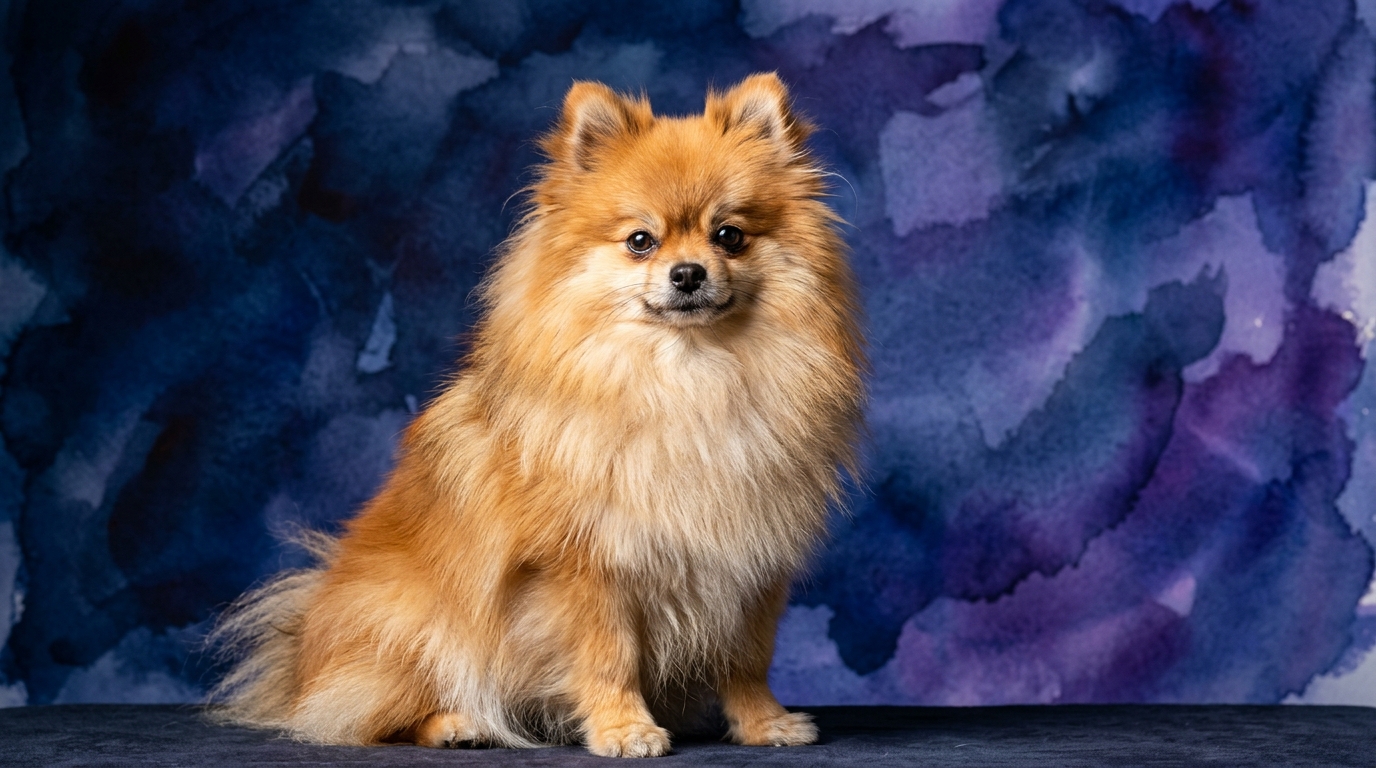
At The Cosmic Pet Pet IQ Lab, we analyze canine intelligence across five critical dimensions, offering a nuanced view beyond traditional metrics. For the Pomeranian, a Toy breed ranking #23 on the Coren scale, its cognitive blueprint highlights adaptability and social engagement. It scores 4/5 in Problem Solving, indicating a capacity for figuring out novel situations, often through observation. Its Training Speed is also 4/5, reflecting a quick grasp of new commands, while Social Intelligence stands at 4/5, demonstrating a strong ability to read human cues. Its Instinctive Drive is moderate at 3/5, and Memory is robust at 4/5, ensuring learned behaviors persist.
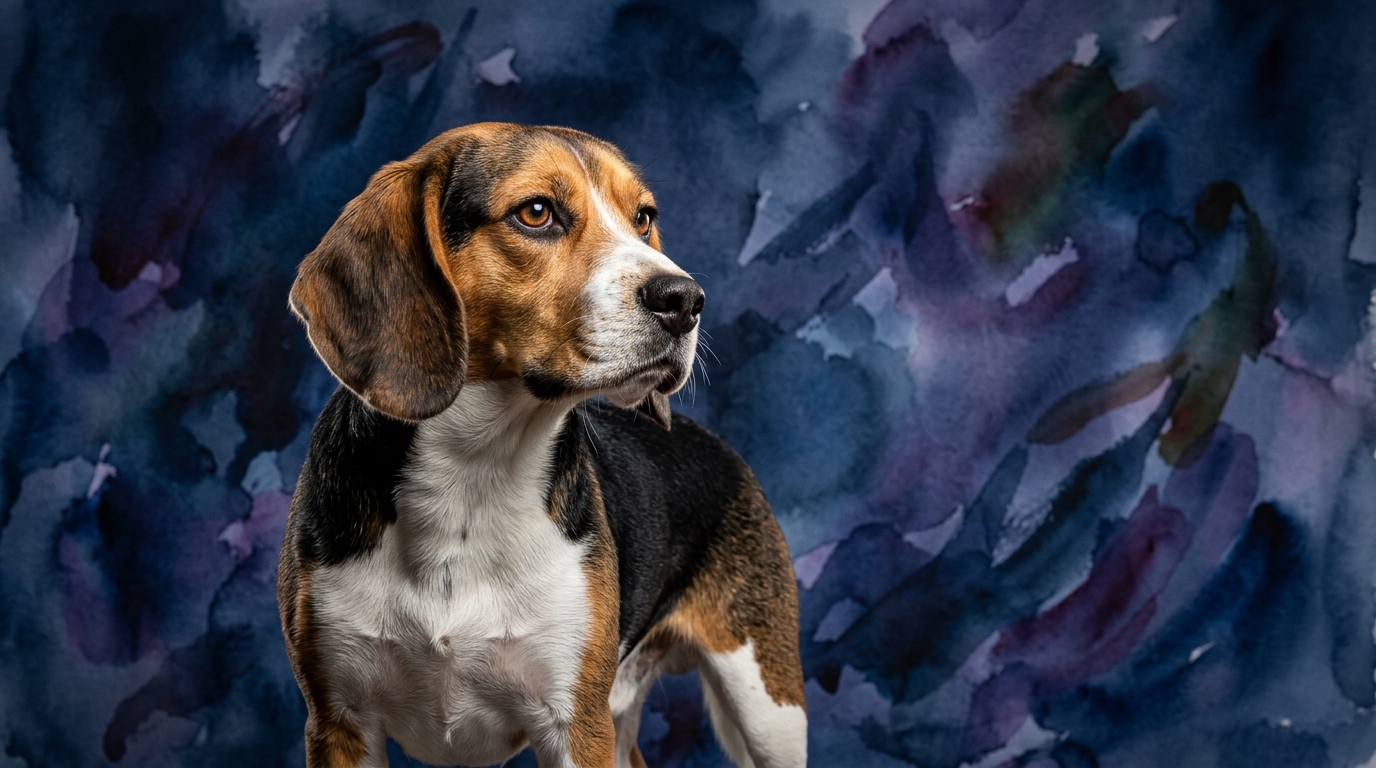
Conversely, the Beagle, a Hound breed with a Coren rank of #72, presents a cognitive profile dominated by its ancestral purpose. Its Problem Solving score matches the Pomeranian's at 4/5, but this is often applied through a specialized lens. Training Speed is notably lower at 2/5, influenced by a formidable 5/5 Instinctive Drive, primarily focused on scent. Social Intelligence is 3/5, indicating sociability but perhaps less nuanced attention to human emotional states compared to some breeds. Like the Pomeranian, its Memory is strong at 4/5, particularly for scent-related information and outcomes.
Where the Pomeranian's Mind Shines Brighter
The Pomeranian's cognitive advantages become apparent in its higher Training Speed and Social Intelligence. With a 4/5 in Training Speed, Pomeranians typically absorb new commands and routines with fewer repetitions than many breeds, making them highly responsive companions. This swift learning curve allows owners to teach a wider repertoire of tricks and obedience cues efficiently, often resulting in a more gratifying and fluid training journey. Their adaptability means they can readily adjust to new rules and expectations within a household.
Furthermore, the Pomeranian's 4/5 Social Intelligence is a significant asset. This enables them to deeply attune to human emotions and intentions, often anticipating an owner's mood or desires. This cognitive strength allows them to navigate complex social interactions within a family, acting as keen observers of household dynamics and effectively communicating their own needs or soliciting attention. Their balanced Problem Solving (4/5), unburdened by an overwhelming singular drive, permits them to apply their mental faculties broadly, from mastering intricate trick sequences to understanding subtle human gestures.
The Beagle's Distinct Cognitive Strengths
The Beagle's defining cognitive strength is rooted in its profound Instinctive Drive, scoring a remarkable 5/5. This isn't merely a physical attribute; it's the core of their problem-solving framework. When confronted with a task, a Beagle's mind instinctively prioritizes scent information, leveraging it to track, locate, and comprehend their environment. Their Problem Solving score of 4/5, while numerically matching the Pomeranian's, is applied through a specialized olfactory lens, excelling at intricate scent-based puzzles and persistent tracking.
Their Memory, also rated 4/5, is particularly potent when intertwined with scent. A Beagle can recall a specific scent trail or the precise location of a hidden item with exceptional accuracy, even after considerable time has passed. This memory extends beyond basic commands to encompass environmental details crucial for their ancestral hunting roles, such as remembering where an interesting smell was last detected or the path an animal took hours ago. While their Training Speed is lower (2/5), this reflects a cognitive prioritization of their innate drives rather than a deficit in capacity; their attention is often captivated by the rich tapestry of olfactory information around them.
Training Dynamics: Pomeranian vs. Beagle Responsiveness
When it comes to training, the Pomeranian's 4/5 Training Speed translates into a generally eager and cooperative student. They readily form associations between commands and actions, and their moderate Instinctive Drive (3/5) means they are less prone to distraction from compelling environmental stimuli like intriguing scents or distant movements. This focused attention allows them to maintain engagement during training sessions, making them a rewarding breed for owners who enjoy teaching new skills. Their strong Social Intelligence further enhances their trainability, as they are often highly motivated by human praise and the desire for connection.
The Beagle's 2/5 Training Speed presents a different set of considerations. Their formidable Instinctive Drive (5/5) means their nose frequently dictates their attention, and once a compelling scent is detected, their cognitive resources are largely dedicated to following that trail. This can make redirecting their focus to human commands quite challenging. Training a Beagle demands significant patience, unwavering consistency, and a profound understanding of their scent-driven nature. Incorporating scent work or integrating their natural drives into training can be highly effective, as standard obedience often requires more repetition and stronger, more consistent motivators compared to a Pomeranian.
Lifestyle Match: Active Owners vs. Relaxed Companions
The Pomeranian, with its moderate Instinctive Drive and balanced cognitive profile, generally thrives with owners seeking an interactive and adaptable companion. While they benefit from regular mental stimulation and short walks, their cognitive needs are often met within a household through play, trick training, and social interaction. Their desire for human engagement and quick learning makes them excellent companions for relaxed owners who enjoy teaching and bonding through focused activities. They are also suitable for active owners who desire a small, portable dog for adventures that do not heavily involve off-leash exploration in scent-rich environments, as they excel in settings where their social intelligence can be fully utilized.
The Beagle, conversely, is a better fit for active owners, particularly those who appreciate and can channel a powerful working drive. Their 5/5 Instinctive Drive means they require consistent outlets for their scenting abilities, translating into a need for regular, engaging walks where they can follow scents, or participation in dog sports like agility, tracking, or nose work. A more relaxed owner who cannot fulfill these intrinsic needs may find a Beagle restless and prone to 'selective deafness' when a compelling scent takes priority. Their cognitive architecture demands environmental richness that appeals to their primary sensory input, making them ideal for individuals who enjoy exploring the outdoors and engaging in structured activities that tap into their natural talents.
The Verdict
Choose a Pomeranian if you prioritize a highly responsive, socially attuned companion who quickly learns commands and thrives on close human interaction within a structured home environment. They are an excellent match for owners who enjoy teaching tricks and appreciate a dog that is consistently attentive.
Opt for a Beagle if you are an active owner prepared to channel a powerful scent drive, valuing a dog with exceptional olfactory problem-solving skills and a robust, independent spirit. They are best suited for lifestyles that offer ample opportunities for exploration and dedicated scent work.
🧠 Find Your Pet's IQ Score
Our Pet IQ Lab assessment covers 25+ tests across 5 cognitive dimensions — personalized to your breed.
Take the Full IQ Test →Frequently Asked Questions
Which breed is better for first-time dog owners?
The Pomeranian, with its higher training speed and social intelligence, often presents a more straightforward learning curve for first-time owners. Their eagerness to please and adaptability make the initial stages of training and bonding less challenging, whereas Beagles require more patience and understanding of their strong instinctive drives.
Do Pomeranians and Beagles get along with other pets?
Pomeranians, with their good social intelligence, generally adapt well to other pets, especially if socialized early. Beagles are typically friendly and pack-oriented, often getting along well with other dogs, but their strong prey drive (Instinctive Drive 5/5) might require careful introductions with smaller, non-canine pets.
How much exercise do these breeds need to stay mentally stimulated?
Pomeranians benefit from daily short walks and indoor play, with mental stimulation coming from training and interactive toys. Beagles require significantly more physical exercise, including long walks where they can follow scent trails, and structured activities like nose work to satisfy their intense instinctive drive and keep their minds engaged.