
Side-by-Side Cognitive Profiles
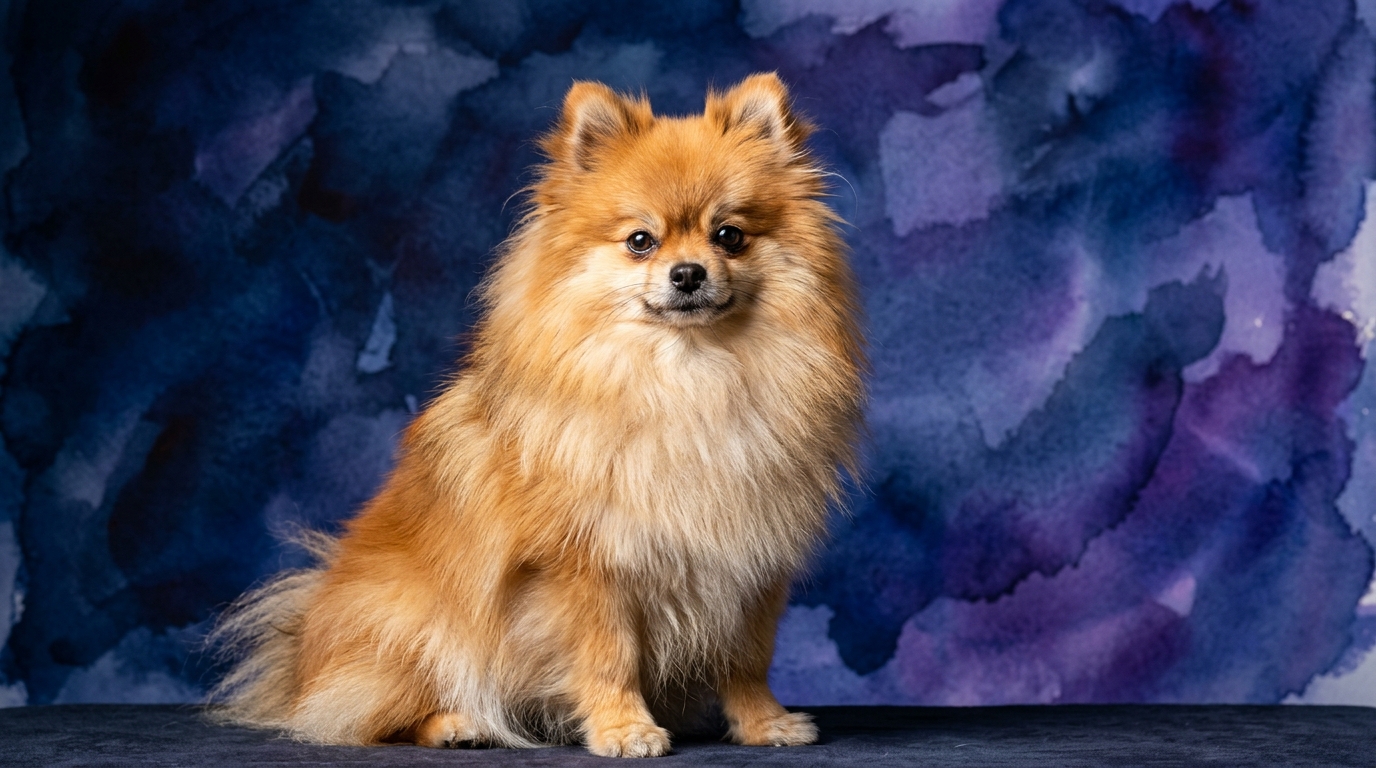
The Cosmic Pet Pet IQ Lab's granular analysis reveals distinct cognitive architectures for the Pomeranian and the Belgian Sheepdog (Groenendael). The Pomeranian, holding Coren rank #23, demonstrates a well-rounded intellect with particular strengths in social dynamics. Its Problem Solving score of 4/5 indicates a capacity for clever improvisation, often figuring out how to manipulate objects or situations to its advantage. Training Speed at 4/5 means they are quick learners for basic commands, responding well to engaging methods. Their Social Intelligence truly shines at 4/5, allowing them to keenly perceive human emotions and adapt their behavior to fit family life, making them excellent at charming their way into hearts. Instinctive Drive, rated 3/5, manifests as alertness and a tendency to vocalize, rather than a strong drive for complex physical work. Memory at 4/5 ensures they retain learned behaviors and routines effectively.
In contrast, the Belgian Sheepdog (Groenendael), with its impressive Coren rank #15, showcases a mind optimized for high-level working tasks. It achieves a perfect 5/5 in Problem Solving, indicating an exceptional capacity to analyze complex scenarios and devise effective strategies, a trait crucial for its herding and protection heritage. Its Training Speed, also 5/5, highlights an extraordinary ability to grasp new commands and concepts with minimal repetition, eager to engage in structured learning. Social Intelligence, at 3/5, suggests a more task-oriented approach to interactions; while loyal, their focus is often on understanding directives rather than nuanced emotional responses. Instinctive Drive, similar to the Pomeranian at 3/5, for the Groenendael translates to a controlled, focused working drive, sufficient for demanding tasks without being overly intense. Finally, a Memory score of 5/5 underscores their outstanding ability to recall intricate sequences, past experiences, and vast repertoires of learned skills, vital for sustained performance in demanding roles.
Where the Pomeranian Wins Cognitively
The Pomeranian truly shines in areas demanding nuanced social understanding and adaptive charm. With a social intelligence score of 4/5, they demonstrate a remarkable ability to interpret human emotions and intentions, often using their perceptive nature to navigate household dynamics and secure affection. This isn't just about being cute; it's a genuine cognitive skill that allows them to adjust their behavior to suit their human companions, making them incredibly intuitive and responsive to subtle cues. Their problem-solving at 4/5, combined with this social acumen, means they can cleverly devise strategies to get attention or access desired objects, often outsmarting their owners with playful ingenuity. This cognitive blend makes them masters of domestic diplomacy and delightful companions.
Where the Belgian Sheepdog (Groenendael) Wins Cognitively
The Belgian Sheepdog (Groenendael) exhibits a distinct cognitive advantage in areas demanding precision, rapid learning, and robust recall. Their perfect 5/5 scores in Problem Solving, Training Speed, and Memory underscore a mind built for complex tasks and consistent execution. A Groenendael doesn't just learn a command; it integrates it into a larger behavioral framework, capable of performing intricate sequences and adapting learned behaviors to novel situations. Their superior problem-solving allows them to analyze environmental challenges and devise effective solutions, whether it’s navigating an agility course or performing search and rescue. This rapid acquisition of skills and exceptional memory retention makes them formidable competitors in obedience, protection work, and various canine sports, where consistent, high-level performance is paramount.
Which is Easier to Train and Why
Determining which breed is 'easier' to train depends heavily on the owner's goals. For complex obedience, advanced commands, and specialized tasks, the Belgian Sheepdog (Groenendael) generally presents a more straightforward training experience. Their 5/5 training speed and memory mean they grasp new concepts with astonishing rapidity and retain them long-term. They possess a strong desire to work alongside their handler, finding deep satisfaction in mental challenges and structured learning, making them highly responsive to consistent, positive reinforcement. However, their lower social intelligence score (3/5) means they may be less forgiving of inconsistent cues or emotional ambiguity, requiring clarity and firm guidance. Conversely, the Pomeranian, with a 4/5 training speed, is also quite trainable for basic obedience and house manners. Their high social intelligence (4/5) allows them to keenly observe and respond to their owner's moods, often leveraging charm. They can be eager to please when motivated, but their independent, sometimes feisty nature, means they may occasionally choose to ignore commands if distractions are present. While they pick up tricks readily, their smaller stature and inherent alertness can sometimes lead to persistent barking or territorial behaviors needing dedicated management. Therefore, Groenendael excels in formal, high-level training due to its cognitive architecture, while the Pomeranian is a delightful student for those seeking a well-mannered companion, though perhaps requiring more patience with their charming stubbornness.
Which Suits Active Owners vs. Relaxed Owners
The choice between a Pomeranian and a Belgian Sheepdog (Groenendael) significantly hinges on an owner's lifestyle. The Groenendael, with its exceptional problem-solving and memory, coupled with a robust physical constitution, thrives with active, engaged owners. These dogs require substantial daily exercise and mental stimulation through training, sports like agility or obedience, or even practical work. Their focused working drive, even at 3/5, combined with their cognitive prowess, means they are happiest when given a 'job' to do. An owner who enjoys long hikes, competitive canine sports, or advanced training will find an unparalleled partner in a Groenendael, as their cognitive and physical needs are intrinsically linked to an active lifestyle. Conversely, the Pomeranian, while spirited and playful, generally suits a more relaxed, yet still attentive, owner. Their instinctive drive (3/5) and problem-solving (4/5) manifest more in playful antics, alert barking, and navigating the home environment than in demanding physical feats. They enjoy short walks, interactive toys, and plenty of lap time. While they benefit immensely from mental enrichment through puzzle toys and short training sessions, their primary need is companionship and being an integral part of family life. They are adaptable to apartment living, provided their social needs are met and vocal tendencies are managed. Therefore, the Groenendael is for the owner seeking a high-performance canine athlete and intellectual partner, while the Pomeranian is for the owner who appreciates a lively, affectionate, and cognitively sharp companion in a smaller package, without the need for intense physical demands.
The Verdict
Choose a Pomeranian if you seek a highly perceptive, charming companion adept at reading your moods and thriving in a more relaxed domestic setting, valuing social connection and clever adaptability over intense work drives.
Opt for a Belgian Sheepdog (Groenendael) if you desire a dedicated, rapid-learning partner for advanced training, canine sports, or demanding tasks, thriving under structured guidance and vigorous mental and physical challenges.
🧠 Find Your Pet's IQ Score
Our Pet IQ Lab assessment covers 25+ tests across 5 cognitive dimensions — personalized to your breed.
Take the Full IQ Test →Frequently Asked Questions
Is a Pomeranian truly capable of advanced training despite its size?
Yes, with a training speed of 4/5 and problem-solving at 4/5, Pomeranians can learn a wide array of tricks and perform well in obedience or even agility at lower levels. Their social intelligence helps them understand cues, but consistency is key to managing their independent streak.
How does the Belgian Sheepdog's 'social intelligence' score of 3/5 impact its family life?
A 3/5 social intelligence means they are loyal and devoted to their family but can be reserved or aloof with strangers, valuing their primary handler's guidance above all. They form deep bonds but may not seek to charm every visitor like some more overtly social breeds.
Both breeds have an instinctive drive of 3/5. How does this differ between them?
For the Pomeranian, this drive often manifests as alertness, vocalization, and a desire to be involved in household activities, rather than a need for strenuous work. For the Groenendael, it's a focused working drive, providing the motivation for tasks like herding or protection without being uncontrollably high-strung, requiring proper channeling.