Side-by-Side Cognitive Profiles
The Cosmic Pet Pet IQ Lab’s comprehensive assessment provides a granular look at how these two distinct breeds process the world around them.
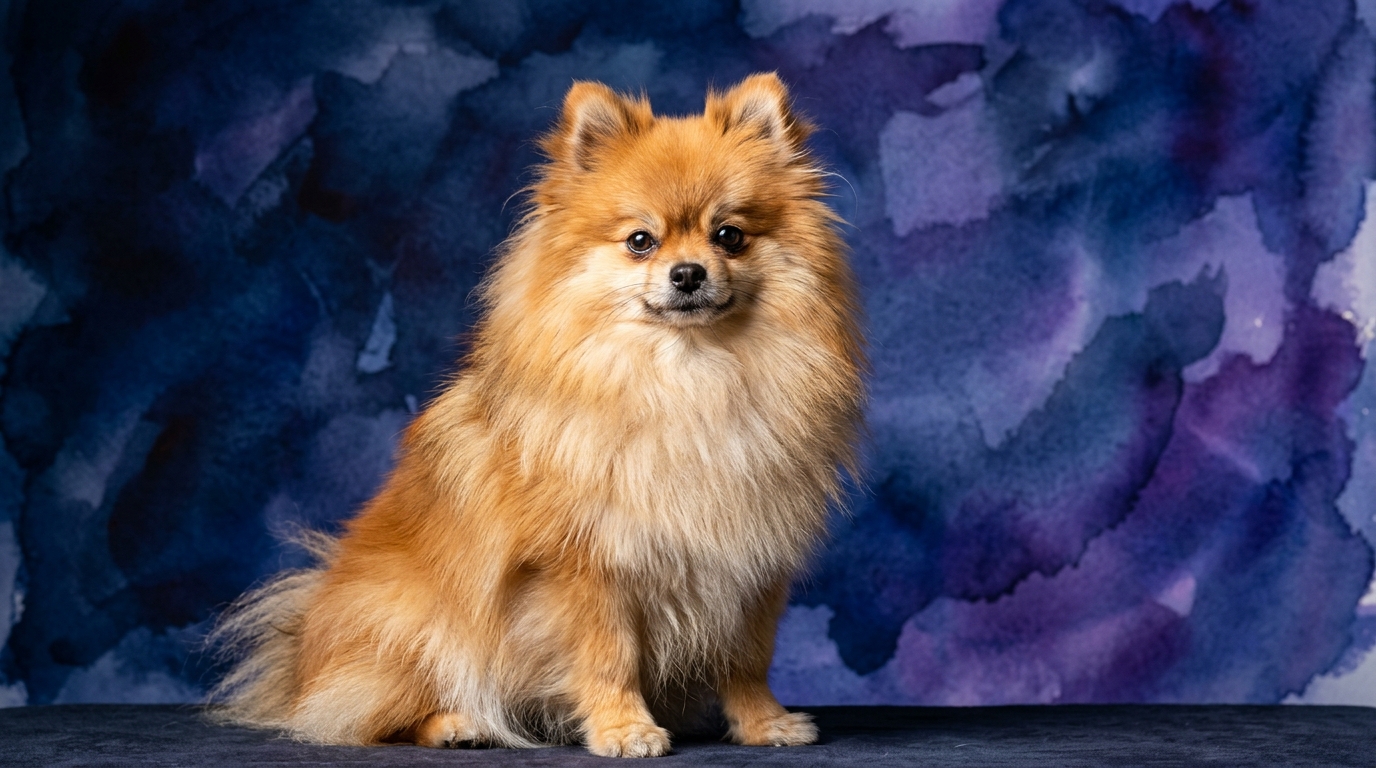
**Pomeranian (Coren Rank #23)**: This spirited Toy group member demonstrates a significant aptitude across several cognitive dimensions. Its Problem Solving score of 4/5 indicates a quick ability to navigate novel situations and figure out solutions, often through trial and error or observation. Training Speed, also at 4/5, suggests a rapid grasp of new commands and routines, making them generally receptive to structured learning. Social Intelligence, scoring 4/5, highlights their adeptness at reading human cues and adapting their behavior accordingly, fostering strong bonds. While their Instinctive Drive is a moderate 3/5, often channeled into alerts or playful pursuits, their Memory at 4/5 ensures they retain learned behaviors and social interactions effectively over time.
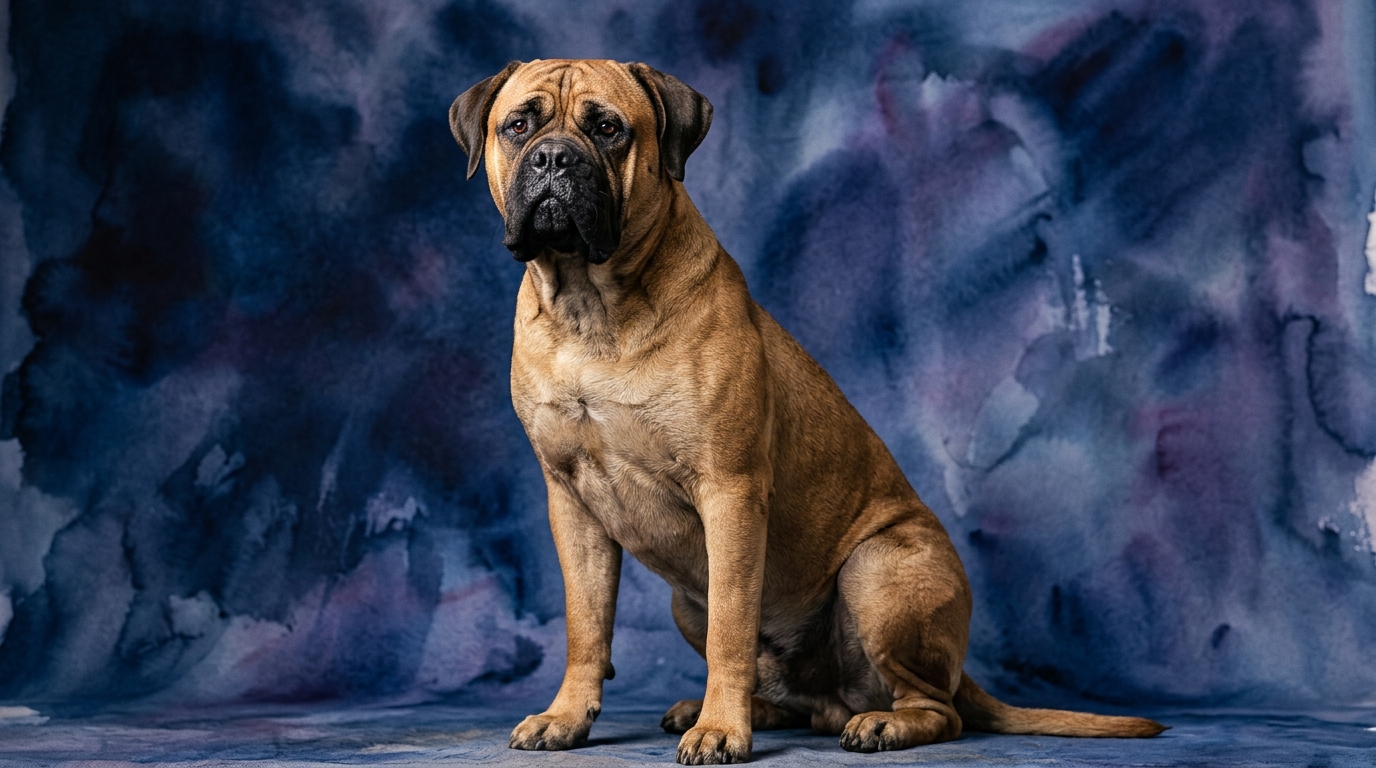
**Bullmastiff (Coren Rank #69)**: Hailing from the Working group, the Bullmastiff exhibits a more measured cognitive pace, reflecting its historical role as a guardian. Its Problem Solving score of 3/5 suggests a deliberate approach to challenges, preferring consistency and established patterns over rapid improvisation. Training Speed, also at 3/5, indicates they learn at a steady rate, requiring patience and clear, consistent instruction to internalize commands. Social Intelligence, scoring 3/5, means they are capable of understanding social dynamics but might be less overtly expressive or quick to adapt than more socially agile breeds, valuing loyalty and a calm demeanor. Their Instinctive Drive, rated 3/5, is primarily focused on protective instincts and territorial awareness. Memory, at 3/5, ensures they remember their training and their social circle, though perhaps with less immediate recall than their smaller counterpart.
Where the Pomeranian Excels Cognitively
The Pomeranian's cognitive profile positions it for clear advantages in several domains. Its superior Problem Solving (4/5 vs 3/5) means it can more readily adapt to new environments or figure out how to access a toy hidden under a blanket, demonstrating quicker conceptual understanding. The higher Training Speed (4/5 vs 3/5) translates directly into a faster uptake of complex tricks or intricate obedience sequences, requiring fewer repetitions to master a new skill. Furthermore, its elevated Social Intelligence (4/5 vs 3/5) allows the Pomeranian to more acutely perceive and respond to subtle shifts in human mood or tone, making them highly attuned companions who can adjust their behavior to suit the social context, often initiating interaction or offering comfort. Their strong Memory (4/5 vs 3/5) also means they retain these learned behaviors and social cues for longer, making refresher training less frequent and reinforcing their adaptability across various situations.
Where the Bullmastiff's Cognition Shines
While the Bullmastiff may not exhibit the same rapid cognitive agility as the Pomeranian, its cognitive strengths are deeply rooted in its purpose-bred nature. Its Instinctive Drive (3/5), while numerically similar, is specifically channeled into a profound sense of protective duty and territorial awareness. This isn't about quick problem-solving in abstract tasks, but rather a focused, steady assessment of its environment for potential threats, a cognitive function where its deliberate pace is an asset. Its Social Intelligence (3/5) manifests as a deep, unwavering loyalty to its family, allowing it to accurately differentiate between welcomed guests and perceived intruders, a critical aspect of its guardian role. The Bullmastiff's cognitive approach is characterized by a calm, consistent vigilance; its memory (3/5) ensures it reliably recalls who belongs and where boundaries lie, making it an exceptionally reliable and discerning protector, rather than a quick-witted trickster. Its problem-solving, though slower, is often thorough and persistent when applied to its core duties.
Training Dynamics: Which is Easier to Train?
Based on The Cosmic Pet Pet IQ Lab scores, the Pomeranian is generally easier to train due to its higher Training Speed (4/5) and Problem Solving (4/5). Pomeranians typically pick up new commands and routines with fewer repetitions, often displaying an eagerness to learn and engage in interactive training sessions. Their ability to quickly grasp concepts means they can move through different training stages more rapidly, from basic obedience to more advanced tricks. For instance, teaching a Pomeranian to “fetch” a specific item or navigate an agility course might involve fewer sessions to achieve proficiency compared to a Bullmastiff.
The Bullmastiff, with a Training Speed of 3/5 and Problem Solving of 3/5, requires a more patient, consistent, and reward-based approach. They are not resistant to learning, but their cognitive processing is more deliberate. A Bullmastiff might need more repetitions to solidify a command, and trainers must ensure clarity and avoid ambiguity. For example, house-training or leash manners might take longer to establish firmly, demanding unwavering consistency from the owner. While the Bullmastiff’s steady nature makes them reliable once a command is learned, the initial acquisition phase is typically more extended than with a Pomeranian. Their inherent independence and guardian instincts mean that early socialization and consistent obedience training are crucial to channel their cognitive abilities effectively.
Cognitive Profiles and Owner Lifestyles
The Pomeranian, with its energetic demeanor and high cognitive engagement scores, generally suits owners who appreciate an active, interactive companion. Their 4/5 in Problem Solving and Social Intelligence means they thrive on mental stimulation, enjoying puzzle toys, learning new tricks, and participating in dog sports like agility or obedience trials. While small, their physical activity needs are moderate, but their cognitive needs are significant; they enjoy being involved in daily activities and benefit from owners who can provide consistent mental challenges and social interaction. An owner who enjoys teaching new commands, engaging in playful problem-solving games, or taking their dog on varied outings would find the Pomeranian a rewarding match.
The Bullmastiff, with its more measured cognitive pace and lower general energy levels, is often better suited for relaxed owners who value a calm, steadfast presence. Their 3/5 scores across most cognitive dimensions suggest they are content with a predictable routine and less demand for constant novelty. While they require regular exercise to maintain physical health, their mental stimulation often revolves around their family and their immediate environment, making them excellent companions for those who enjoy quiet evenings at home or leisurely, consistent walks. Owners who can provide clear, consistent guidance and appreciate a loyal, watchful companion rather than a high-energy participant in complex activities would find the Bullmastiff's cognitive style a perfect fit. Their protective instincts, though not requiring constant “work,” mean they are always subtly aware of their surroundings.
The Verdict
Choose a Pomeranian if you desire a quick-witted, highly adaptable companion eager to learn new things and engage in frequent, varied mental and social activities, thriving on interactive engagement.
Choose a Bullmastiff if you prefer a calm, loyal guardian with a steady, deliberate cognitive approach, valuing consistency and a watchful, protective presence over rapid learning and constant novelty.
🧠 Find Your Pet's IQ Score
Our Pet IQ Lab assessment covers 25+ tests across 5 cognitive dimensions — personalized to your breed.
Take the Full IQ Test →Frequently Asked Questions
Does a higher Coren rank mean a dog is 'smarter' in every way?
The Coren rank primarily reflects a breed's working intelligence and obedience, indicating how quickly they learn and execute commands. It doesn't encompass all facets of canine cognition, such as problem-solving in novel situations or social intelligence, which are distinct components of The Cosmic Pet Pet IQ Lab's expanded profile. A lower Coren rank doesn't imply a lack of valuable cognitive traits, but rather a different style of learning and application.
How does 'Instinctive Drive' differ between these two breeds, even with the same score?
While both breeds score 3/5 in Instinctive Drive, the nature of that drive varies significantly. For the Pomeranian, it often manifests as a strong desire to alert, a zest for play, or a drive to be at the center of attention. For the Bullmastiff, the 3/5 Instinctive Drive is predominantly focused on guarding and protection, rooted in its history as a deterrent, leading to a watchful and territorial demeanor.
Can a Bullmastiff learn complex tasks despite its lower training speed?
Absolutely. While a Bullmastiff might take longer to learn complex tasks compared to a Pomeranian, its steady memory and capacity for learning mean it can master intricate commands and routines with consistent, patient, and clear training. Their cognitive approach is thorough, and once a task is learned, they tend to perform it reliably, often with a deep sense of commitment.