Side-by-Side IQ Profile: Pomeranian vs. Cardigan Welsh Corgi
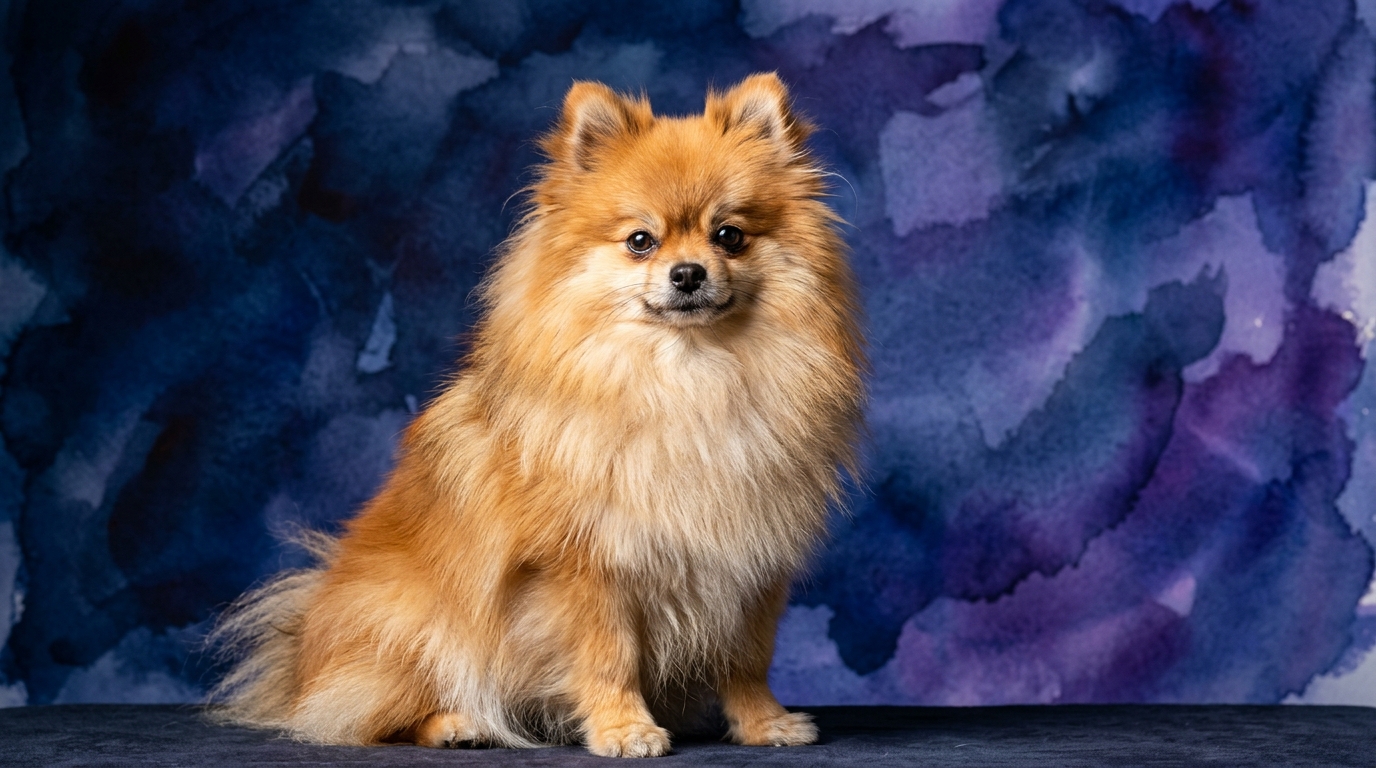
At The Cosmic Pet Pet IQ Lab, we analyze canine intelligence across five key dimensions. For the Pomeranian, a Toy group dog with a Coren rank of #23, its profile shows Problem Solving 4/5, Training Speed 4/5, Social Intelligence 4/5, Instinctive Drive 3/5, and Memory 4/5. Poms approach novel situations with cleverness, finding inventive ways to achieve goals, whether navigating toy puzzles or outsmarting barriers for treats. Their small size doesn't hinder strategic thinking. These compact companions grasp new commands and routines quickly; their eagerness to please and focus on humans make them responsive learners, excelling in obedience and trick training. Pomeranians demonstrate keen understanding of human emotions and social cues, adept at interpreting moods and adjusting behavior, forming strong, perceptive bonds with families. While possessing some ancestral drives like alertness, their inherent instincts are moderate compared to working breeds, geared more towards companionship. Poms also exhibit excellent recall for learned commands, routines, and events, retaining information effectively, making consistent training rewarding.
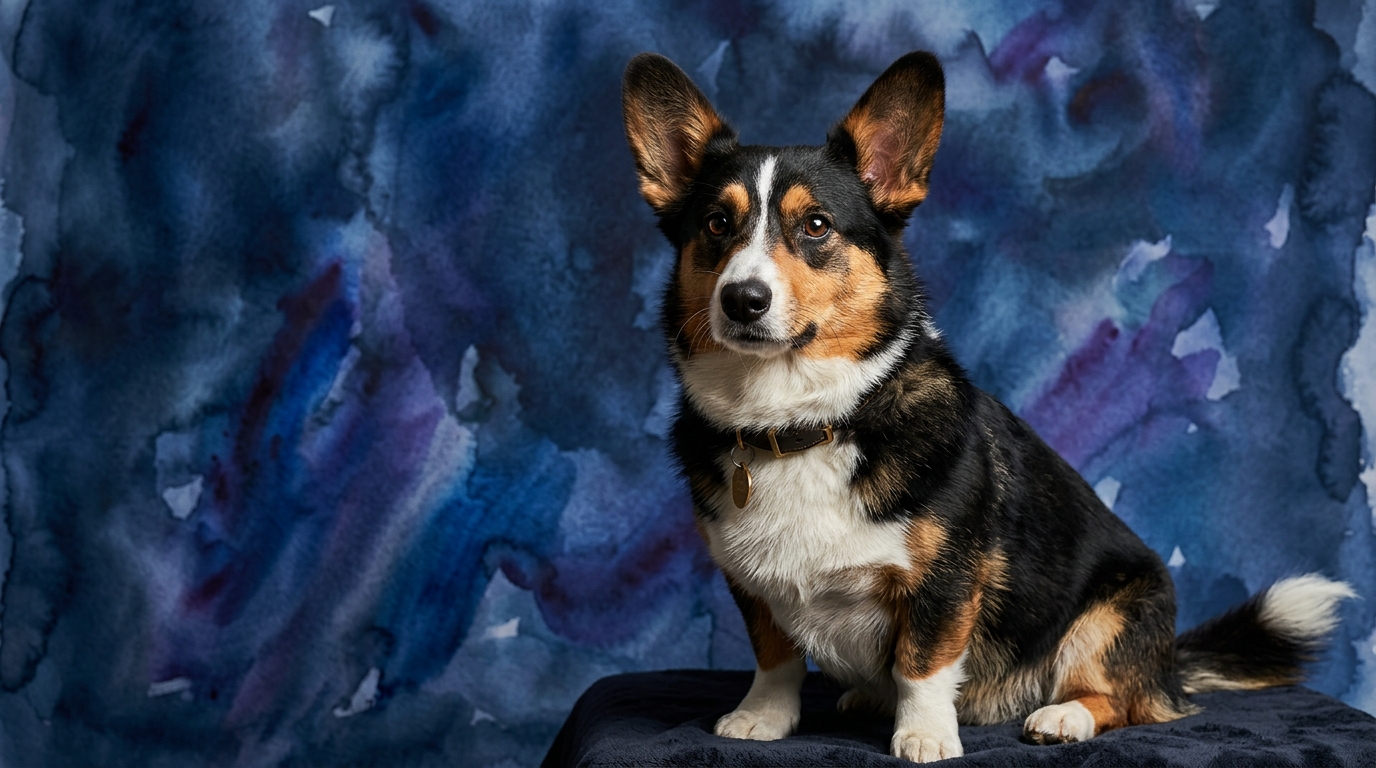
The Cardigan Welsh Corgi, a Herding group dog ranked #26 by Coren, presents a slightly different cognitive fingerprint: Problem Solving 4/5, Training Speed 4/5, Social Intelligence 3/5, Instinctive Drive 3/5, and Memory 4/5. Cardigans are resourceful thinkers, particularly when navigating environmental obstacles or achieving objectives. Their herding background equips them with an adaptive mindset for practical challenges. These sturdy dogs learn new tasks and commands rapidly, showing strong capacity for absorbing information; their focus and desire for structured activities contribute to quick uptake in training. Cardigans possess a solid understanding of their social environment, recognizing hierarchies and responding to human direction, but might be more independent in social interactions than a Pomeranian. The Cardigan's instinctive drive is primarily rooted in its herding heritage, manifesting as a desire to gather, control movement, and be aware of surroundings, though this drive is often manageable in a pet setting. They also demonstrate robust memory for commands, routines, and environmental layouts, supporting training consistency and allowing them to navigate familiar spaces and tasks with confidence.
Where the Pomeranian Wins Cognitively
The Pomeranian edges out the Cardigan Welsh Corgi in social intelligence, scoring 4/5 compared to the Corgi's 3/5. This higher rating suggests a more acute sensitivity to human emotions and social nuances within a household. Poms are often empathetic, quickly picking up on owner's moods or unspoken cues, adapting their behavior to provide comfort or solicit attention. Their smaller size might also contribute to closer observation of human expressions, fostering a deeper, more immediate understanding of their social environment. This cognitive strength makes them exceptionally tuned-in companions, anticipating needs and reacting with perceptiveness, making them highly attuned family members.
Where the Cardigan Welsh Corgi Wins Cognitively
While both breeds share a 4/5 in problem-solving, the Cardigan Welsh Corgi's herding lineage provides a distinct advantage in specific cognitive tasks. Their problem-solving often manifests in practical, environmental navigation and resourcefulness, honed by generations of managing livestock. This means they might excel at figuring out how to open a gate, find a hidden toy in a complex setup, or strategize movement within a larger space more readily than a Pomeranian. Their inherent drive to observe, organize, and influence surroundings translates into a cognitive style that is very goal-oriented and spatially aware, adept at tasks requiring independent thought and persistence in achieving a tangible outcome.
Which is Easier to Train and Why
Both the Pomeranian and Cardigan Welsh Corgi share an impressive 4/5 rating for training speed, indicating neither breed is inherently "harder" to train in terms of grasping concepts. However, the Pomeranian's higher social intelligence (4/5) can translate into a slightly smoother training experience for certain owners. Their strong desire to please and perceptive nature means they are often highly motivated by positive reinforcement and quick to understand expectations in a social context, less likely to exhibit stubbornness rooted in independent working drives. They thrive on close interaction during learning.
The Cardigan, while equally quick to learn, might occasionally display a more independent streak from its herding background. This means while they understand commands, they might sometimes prioritize their own interpretation or display stubbornness when a task doesn't align with intrinsic drives. Consistent, positive reinforcement and clear boundaries are crucial for both, but a Pom's inherent social attunement might make them appear more compliant and eager to cooperate during training sessions, especially with emotional cues, making for a more fluid partnership.
Which Suits Active Owners vs. Relaxed Owners
For active owners, the Cardigan Welsh Corgi often makes an excellent match. Their background as working dogs means they thrive on purpose and physical engagement, enjoying activities like agility, herding trials, long hikes, and engaging puzzle toys. Their sturdy build and stamina allow them to keep pace with an active lifestyle, and their cognitive need for stimulation can be met through structured exercise and mental games; a Cardigan without sufficient activity might become restless or channel its energy into undesirable behaviors. They enjoy having a job to do.
Relaxed owners may find the Pomeranian a more fitting companion. While Poms enjoy walks and playtime, their exercise requirements are generally more moderate. Their social intelligence makes them content with being close to human companions, enjoying lap time, short strolls, and engaging in indoor games. They are adaptable to apartment living and can find sufficient mental stimulation through interactive toys and consistent, less physically demanding, training sessions, aligning well with a less strenuous daily routine. Their primary satisfaction often comes from companionship.
The Verdict
Choose a Pomeranian if you seek a highly socially attuned companion who thrives on close interaction and offers perceptive emotional support with moderate exercise needs.
Opt for a Cardigan Welsh Corgi if you desire a robust, practical problem-solver who enjoys active engagement and structured challenges, aligning with a more energetic household.
🧠 Find Your Pet's IQ Score
Our Pet IQ Lab assessment covers 25+ tests across 5 cognitive dimensions — personalized to your breed.
Take the Full IQ Test →Frequently Asked Questions
Do Pomeranians and Cardigan Corgis perform equally well in obedience competitions?
While both breeds have a 4/5 training speed, the Pomeranian's higher social intelligence might give it an edge in obedience tasks requiring nuanced responses to handler cues. The Cardigan's independent streak, while not hindering learning, might require more consistent motivation to maintain focus during complex routines.
Which breed is better for puzzle toys that require problem-solving?
Both breeds score 4/5 in problem-solving, so both would enjoy and excel at puzzle toys. The Cardigan's practical, environmental problem-solving might make it particularly persistent with physical manipulation puzzles, while the Pom's general cleverness will also shine through with various challenges.
How does social intelligence impact daily life for these breeds?
A Pomeranian's higher social intelligence (4/5) means it's often more sensitive to household dynamics and human emotions, potentially making it a more intuitive comforter or a better 'reader' of situations. The Cardigan's 3/5 indicates solid social awareness, but perhaps with a more independent interpretation of social cues, focusing more on its role within the family structure rather than emotional nuance.