Side-by-Side IQ Profile: Pomeranian vs. Cavalier
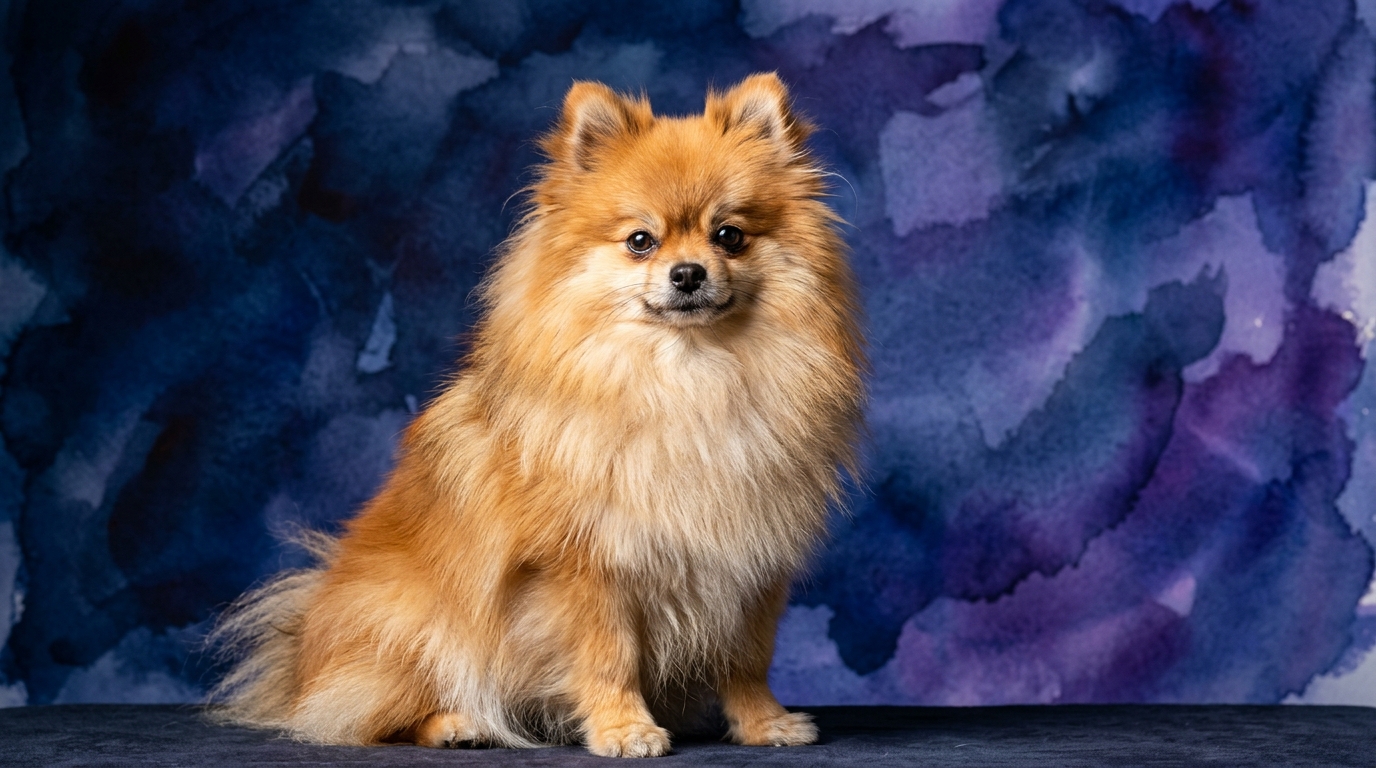
The Pomeranian, a fluffy dynamo often seen with an air of self-importance, ranks commendably at #23 on the Coren intelligence scale, positioning it firmly in the upper-middle tier of canine comprehension. Its cognitive profile from The Cosmic Pet Pet IQ Lab reveals a sharp, engaged mind. Problem Solving is rated 4/5, indicating a notable aptitude for figuring out puzzles, navigating novel situations, and devising strategies to achieve desired outcomes with relative ease. Training Speed also sits at 4/5, suggesting these dogs can grasp new commands and routines quickly, often requiring fewer repetitions to solidify learning and progress to more complex tasks. Social Intelligence, at 4/5, means they are adept at reading human cues and interacting effectively within their social environment, capable of forming strong, responsive bonds. Their Instinctive Drive is 3/5, a moderate score reflecting a balanced level of innate behaviors like chasing small objects or expressing vocal alerts. Memory, a robust 4/5, underscores their impressive ability to retain learned information, past experiences, and a wide array of commands over extended periods.
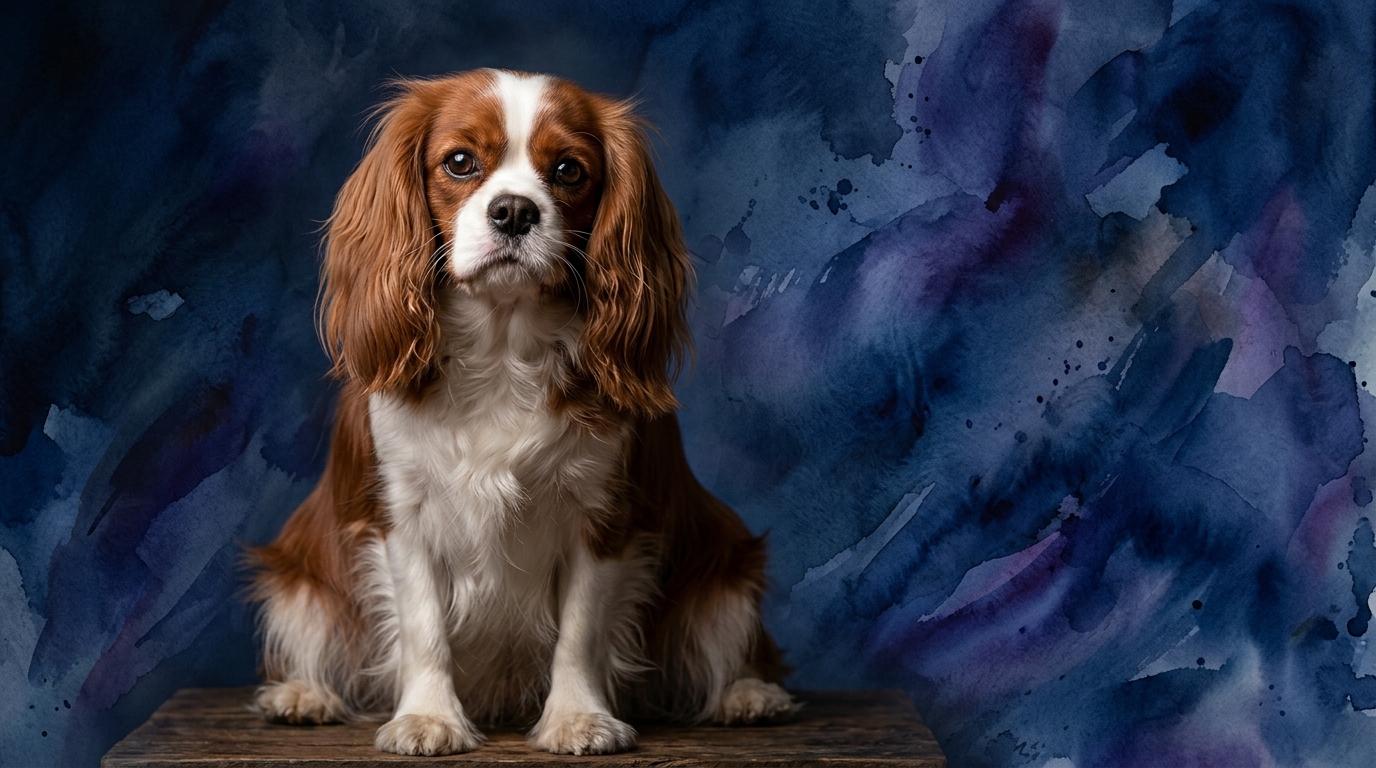
In contrast, the Cavalier King Charles Spaniel, a breed universally celebrated for its gentle and affectionate nature, holds a Coren rank of #44, positioning it in the middle tier of canine intelligence. The Cosmic Pet Pet IQ Lab's assessment paints a picture of a dog whose strengths lie more in deep connection and emotional understanding than in complex abstract reasoning. Its Problem Solving score is 3/5, indicating they can solve straightforward challenges, such as finding a hidden treat, but might take longer or require more guidance for intricate tasks or multi-step puzzles. Training Speed is also 3/5, meaning they are certainly trainable but may need more patience, positive reinforcement, and consistent repetition than some other breeds to fully internalize new behaviors. Where the Cavalier truly shines is in Social Intelligence, earning a perfect 5/5. This reflects an exceptional capacity for understanding and responding to human emotions, body language, and subtle social cues, making them extraordinarily attuned and empathetic companions. Their Instinctive Drive matches the Pomeranian's at 3/5, suggesting a similar moderate level of inherent drives, typically expressed as a desire for companionship rather than intense prey drive. Memory is rated 3/5, indicating a solid but not outstanding capacity for recall of specific events or extensive command sets.
Where the Pomeranian Wins Cognitively
The Pomeranian demonstrates a distinct cognitive edge in areas requiring independent thought, rapid assimilation of information, and the application of learned behaviors. With a Problem Solving score of 4/5, they are more inclined to actively tackle and unravel mental challenges, such as figuring out how to manipulate a complex treat-dispensing toy, navigating an unfamiliar environment, or even devising clever ways to get attention. This isn't just about simple curiosity; it’s about the strategic mental effort employed to achieve a desired outcome. Their 4/5 Training Speed means they are exceptionally quick studies, often mastering new commands, hand signals, or complex sequences in fewer sessions compared to many other breeds. This efficiency in learning makes them particularly rewarding for owners who enjoy teaching intricate tricks, participating in dog sports like obedience or rally, or simply appreciating a dog that picks up household rules with minimal fuss. Furthermore, their robust 4/5 Memory score means once a lesson is learned, it tends to stick, minimizing the need for constant re-teaching and allowing them to build an extensive repertoire of understood commands and behaviors over their lifetime. This combination of faster learning, stronger retention, and proactive problem-solving allows Pomeranians to seem exceptionally sharp and adaptable in their daily interactions, often surprising owners with their cleverness.
Where the Cavalier King Charles Spaniel Wins Cognitively
The Cavalier King Charles Spaniel's cognitive prowess truly excels in the realm of social interaction and emotional attunement, evidenced by its perfect 5/5 Social Intelligence score. This isn't merely about being a friendly dog; it's about a profound, almost intuitive ability to interpret and respond to human emotions, body language, and subtle social cues with remarkable accuracy. A Cavalier might instinctively offer a comforting nudge when an owner is upset, adjust its playful energy based on the mood of the room, or seek closeness when sensing a need for companionship. This exceptional social acumen makes them unparalleled companions, deeply connected to their families and often demonstrating an almost empathic understanding of human feelings. While their Problem Solving and Training Speed scores are moderate, their high social intelligence means they are often highly motivated by positive social reinforcement, praise, and the desire to maintain harmony within their human pack. This strong intrinsic drive for connection and pleasing their people can bridge gaps in other cognitive areas, making them cooperative and responsive within a loving human-canine bond, even if it takes a few more repetitions to learn a new trick. They excel at forming deep, intuitive bonds, often anticipating needs and offering companionship precisely when it's most desired, making them masters of emotional support.
Which is Easier to Train and Why
Based on The Cosmic Pet Pet IQ Lab data, the Pomeranian generally presents as the easier breed to train for a broad range of tasks and commands. Its 4/5 Training Speed score, coupled with a 4/5 Problem Solving ability, indicates that Pomeranians are quicker to pick up new commands, understand the underlying logic of tasks, and generalize learned behaviors to new situations. They tend to require fewer repetitions to solidify a behavior and are often more enthusiastic about engaging in training sessions that involve mental challenges, viewing them as opportunities for engagement rather than mere rote learning. For instance, teaching a Pomeranian a multi-step trick like "fetch your leash from the hook" or "put your toys away in the basket" might progress more rapidly because they can both learn the individual steps quickly and grasp the sequence. In contrast, the Cavalier King Charles Spaniel, with 3/5 scores in both Training Speed and Problem Solving, may require more patience, consistency, and simplified steps during training. While Cavaliers are eager to please due to their high social intelligence, they might take more time to internalize a command or figure out a new puzzle. Their primary motivation often stems from the desire for connection and praise from their owner rather than the intellectual challenge itself. This means that while both breeds are trainable and responsive to positive reinforcement, a Pomeranian is likely to show faster progress in mastering new skills and adapting to complex routines, making the training process feel more efficient and often more stimulating for owners who enjoy active, progressive instruction.
Which Suits Active Owners vs. Relaxed Owners
The distinct cognitive profiles of these two breeds offer clear guidance for owners with differing lifestyles and expectations for canine companionship. An active owner who enjoys engaging their dog in consistent mental and physical challenges, perhaps even participating in dog sports or advanced obedience, would likely find the Pomeranian a more suitable match. Its 4/5 Problem Solving and 4/5 Training Speed mean it thrives on learning new things, participating in agility, rally obedience, or solving interactive puzzles that demand intellectual effort. While its Instinctive Drive is moderate at 3/5, its quick wit and strong memory allow it to channel that drive into productive and engaging activities. Pomeranians often have a spirited, curious zest for life that pairs well with owners who appreciate a dog with an active, engaged mind that seeks out interaction and novelty. For relaxed owners, or those seeking a companion primarily for comfort, gentle interaction, and unwavering affection, the Cavalier King Charles Spaniel is often the ideal choice. Its exceptional 5/5 Social Intelligence means it excels at simply being present, offering emotional support, and forming deep, intuitive bonds without necessarily requiring constant, intensive mental stimulation. While Cavaliers certainly enjoy walks and playtime, their moderate 3/5 Problem Solving and Training Speed mean they don't typically demand an intensive training regimen or complex intellectual tasks to feel fulfilled. Instead, they are content to be close, offering unwavering affection and a calm, comforting presence, making them perfect lap dogs for a quieter household or individuals seeking a deeply connected, empathetic companion.
The Verdict
Choose a Pomeranian if you're an owner who values a quick-witted companion eager to learn new tricks and engage in mentally stimulating activities, thriving on challenges and efficient training.
Opt for a Cavalier King Charles Spaniel if your priority is a deeply affectionate, emotionally intelligent dog that excels at companionship and forms intuitive bonds, offering a calm and comforting presence.
🧠 Find Your Pet's IQ Score
Our Pet IQ Lab assessment covers 25+ tests across 5 cognitive dimensions — personalized to your breed.
Take the Full IQ Test →Frequently Asked Questions
Are Pomeranians good at learning tricks?
Yes, Pomeranians generally excel at learning tricks. Their Problem Solving and Training Speed scores of 4/5 indicate they grasp new concepts quickly and enjoy mental challenges. This makes them adept at mastering a variety of commands and complex behaviors with consistent training.
How does a Cavalier's social intelligence manifest?
A Cavalier King Charles Spaniel's 5/5 Social Intelligence means they are exceptionally attuned to human emotions and social cues. They often provide comfort instinctively, respond empathetically to moods, and form profound, intuitive bonds with their family members, making them highly responsive companions.
Do Pomeranians need a lot of mental stimulation?
Pomeranians, with their 4/5 Problem Solving and Training Speed, benefit significantly from mental stimulation. While they don't have an extremely high instinctive drive, engaging their minds with puzzles, training sessions, and varied experiences keeps them happy and prevents boredom-related behaviors.