Side-by-Side IQ Profile: Pomeranian vs. Chow Chow
The Cosmic Pet Pet IQ Lab employs a five-dimensional framework to assess canine intelligence, offering a nuanced view beyond simple obedience. Let's examine how the Pomeranian and Chow Chow stack up.
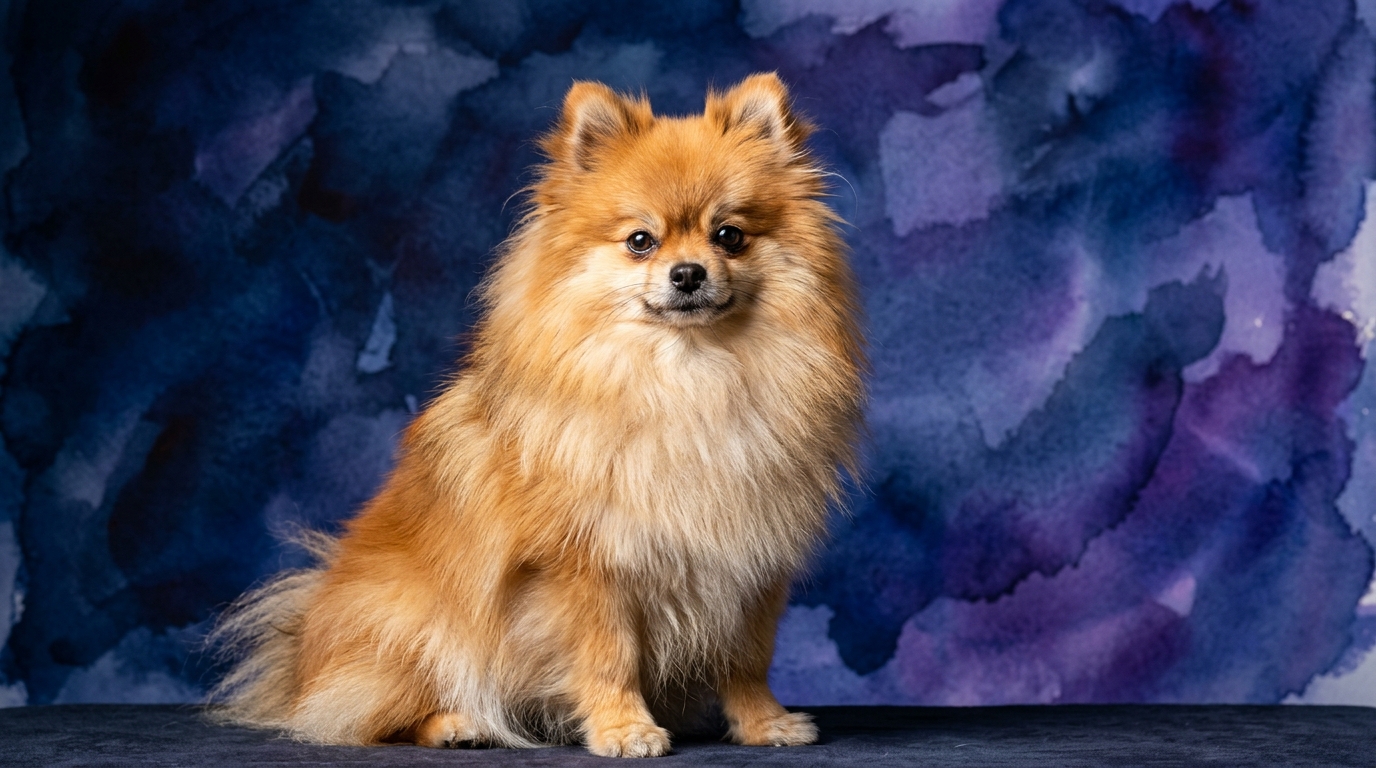
**Pomeranian (Coren Rank #23):** This Toy group member exhibits a vibrant cognitive profile. Their Problem Solving is rated 4/5, indicating a strong capacity for navigating novel situations and figuring out solutions, often demonstrating resourcefulness. Training Speed also scores 4/5, meaning Poms generally pick up new commands and routines with impressive quickness, eager to engage with their human trainers. They show a keen awareness of human emotions and social cues, reflected in their 4/5 Social Intelligence, often adapting their behavior to fit the social context. Their Instinctive Drive is moderate at 3/5, retaining some ancestral alertness without overpowering their companion nature. Finally, their Memory is robust at 4/5, contributing to efficient training and consistent responses.
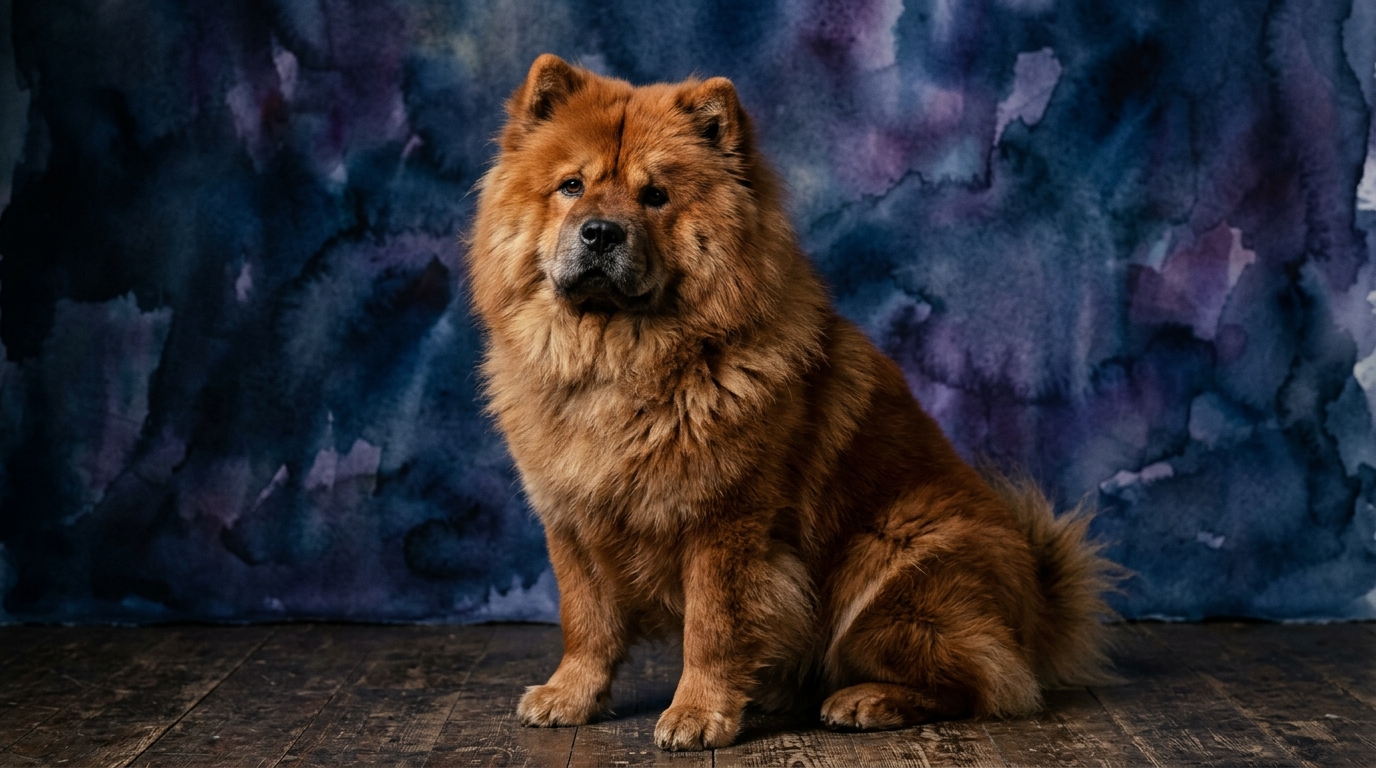
**Chow Chow (Coren Rank #76):** Belonging to the Non-Sporting group, the Chow Chow presents a distinct, more independent cognitive style. Their Problem Solving is 3/5; Chows approach challenges with a deliberate mindset, often preferring established routines over seeking novel solutions. Training Speed is also 3/5, meaning they can learn, but often require more repetition and patience, as their independent streak means they process information and decide to comply at their own pace. Their Social Intelligence scores 3/5; interactions are often reserved, and while they understand their family, they may not be as overtly expressive or adaptable to nuanced social cues as other breeds. Instinctive Drive is 3/5, manifesting as a watchful and somewhat aloof demeanor rather than overt aggression. Their Memory is 3/5; Chows retain information adequately, but recall might be less immediate or consistent compared to breeds with stronger training compliance, especially if the task doesn't align with their perceived self-interest.
Where the Pomeranian Wins Cognitively
The Pomeranian’s cognitive strengths shine particularly in areas requiring quick processing and adaptive social engagement. Their 4/5 rating in Problem Solving means they are often more adept at figuring out puzzles or navigating complex environments independently, demonstrating a capacity for creative solutions. This quick thinking is complemented by their superior Training Speed (4/5), allowing them to grasp new commands and routines with fewer repetitions than many breeds. Furthermore, their high Social Intelligence (4/5) gives them an edge in understanding subtle human cues, making them particularly responsive to emotional shifts and capable of forming deeply empathetic bonds. This combination makes Poms highly adaptable companions who can quickly learn what pleases their owners and adjust their behavior accordingly.
Where the Chow Chow Wins Cognitively
While the Chow Chow’s cognitive profile leans towards independence, their unique strengths lie in areas demanding steady focus and a discerning nature, rather than rapid adaptation. Their consistent 3/5 rating across all cognitive dimensions reflects a measured approach. Where a Pomeranian might quickly react, a Chow Chow processes information with a calm deliberation that can be advantageous in stable, predictable environments. Their moderate instinctive drive, combined with a steady memory (3/5), means they form lasting impressions of their territory and routines. This makes them exceptionally reliable in maintaining boundaries and showing consistent, if reserved, loyalty. Their problem-solving, while not always quick, is often thorough, reflecting a breed that considers situations carefully before acting, which can be a valuable trait for a watchful companion.
Which is Easier to Train and Why
Based on their Pet IQ Lab scores, the Pomeranian is unequivocally easier to train compared to the Chow Chow. The Pomeranian’s 4/5 rating in Training Speed indicates a natural eagerness to learn and a quicker uptake of new commands. They are often motivated by praise and treats, and their 4/5 Social Intelligence means they are attuned to their owner’s desires, making them cooperative pupils. Real behavioral differences underscore this; Poms typically enjoy interactive training sessions and thrive on the mental stimulation, often performing tricks or obedience tasks with enthusiasm.
In contrast, the Chow Chow’s 3/5 Training Speed and 3/5 Social Intelligence point to a more challenging training experience. Chows possess an independent and sometimes stubborn streak, meaning they require more patience and consistency. They are not as inherently driven to please as Pomeranians and may need to be convinced that a command serves their interest or is a non-negotiable expectation. Training a Chow Chow often involves understanding their inherent dignity and strong will, which can translate into a slower, more deliberate learning curve where repetition and clear, firm expectations are paramount. Their training often benefits from a calm, confident handler who respects their independent nature.
Which Suits Active vs. Relaxed Owners
For active owners seeking a dog to engage in varied activities, the Pomeranian is generally a more suitable match. Their higher problem-solving ability (4/5) and quick training speed (4/5) mean they can excel in dog sports like agility, obedience, or even trick training, which require quick thinking and rapid learning. Poms thrive on mental stimulation and enjoy being involved in their owner's daily routines, whether it's a brisk walk, a puzzle toy challenge, or learning new commands. Their social intelligence also makes them adaptable to new people and situations often encountered by active owners.
Conversely, the Chow Chow is better suited for more relaxed owners who appreciate a calm, independent companion. Their moderate scores across all IQ dimensions suggest they are content with a stable routine and less demand for constant mental challenges or high-energy physical activity. While they still require regular exercise, it's typically less intense and more structured, like daily walks. A relaxed owner who values a watchful, dignified presence and is prepared for a dog that won't always seek to please will find the Chow Chow a rewarding companion. They are often described as feline in their independence, preferring to observe rather than constantly participate, making them ideal for a quieter household.
The Verdict
Choose a Pomeranian if you seek an adaptable, eager-to-please companion who thrives on interactive training and social engagement, capable of quickly learning new tasks and responding to subtle cues.
Choose a Chow Chow if you appreciate a dignified, independent companion requiring a patient, consistent approach to training, content with a stable routine and a more reserved social dynamic.
🧠 Find Your Pet's IQ Score
Our Pet IQ Lab assessment covers 25+ tests across 5 cognitive dimensions — personalized to your breed.
Take the Full IQ Test →Frequently Asked Questions
Is a Pomeranian good for first-time dog owners?
Yes, Pomeranians often suit first-time owners due to their eagerness to learn and social intelligence, making basic training and bonding relatively straightforward. Their small size also makes them manageable for apartment living.
Are Chow Chows difficult to train?
Chow Chows can be challenging to train due to their independent nature and deliberate learning pace, requiring significant patience and consistent methods from their owners. They respond best to clear, firm expectations.
Do Pomeranians or Chow Chows need more exercise?
Pomeranians typically require more consistent mental stimulation and moderate physical activity, enjoying varied play and training sessions. Chow Chows need regular, moderate exercise like daily walks but are generally content with a calmer routine and less intense activity.