
Side-by-Side IQ Profile: Pomeranian vs. Clumber Spaniel
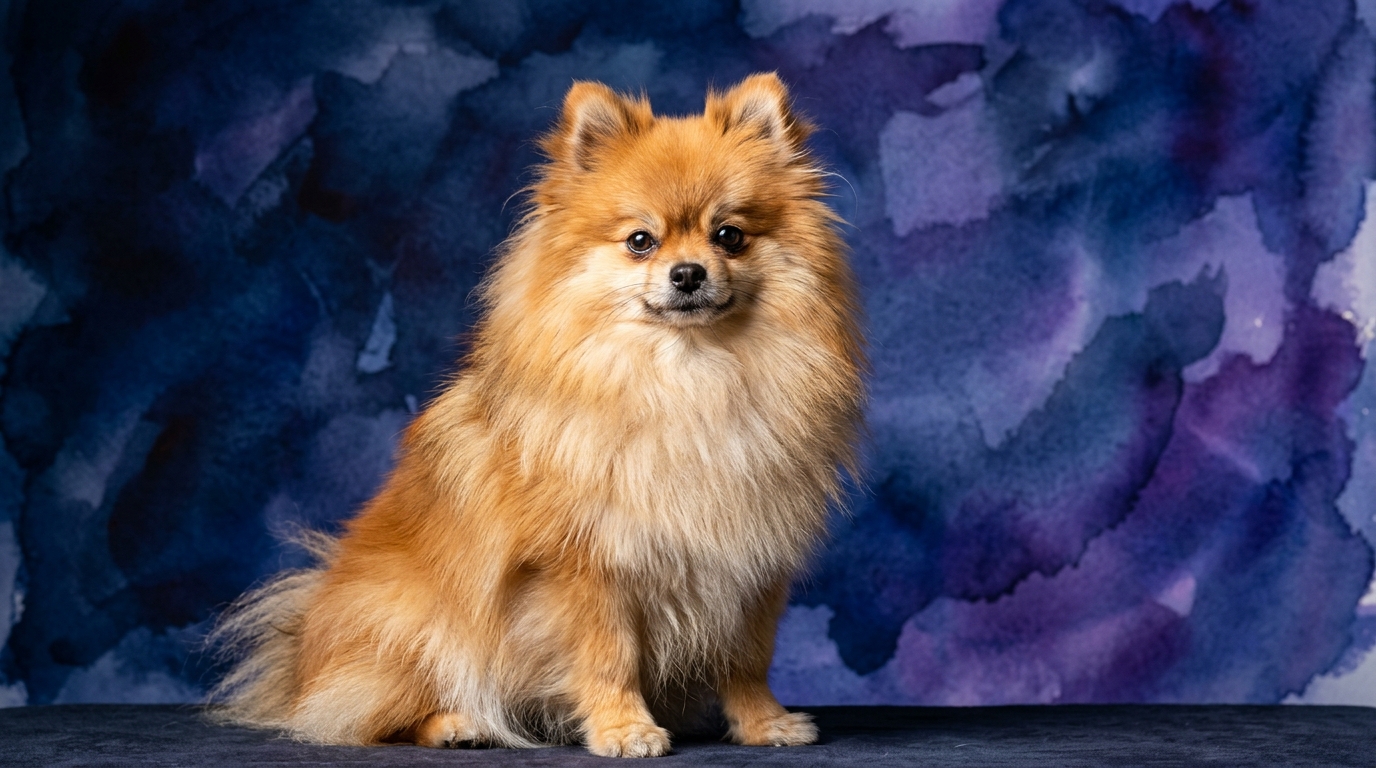
**Pomeranian:** A vibrant Toy breed, the Pomeranian, ranking #23 on the Coren scale, presents a cognitive profile geared for engaging interaction and rapid learning. Their Problem Solving is rated 4/5, indicating a strong capacity to figure out novel situations and manipulate their environment. Training Speed also scores 4/5, suggesting they grasp new commands and routines quickly, often with minimal repetition. Social Intelligence, at 4/5, highlights their adeptness at reading human cues and adapting their behavior accordingly, making them highly responsive companions. Instinctive Drive, at 3/5, is moderate, reflecting a general curiosity without being overly driven by ancestral hunting or herding behaviors. Finally, their Memory is 4/5, allowing them to retain learned behaviors and recall specific events with clarity.
**Clumber Spaniel:** The stately Clumber Spaniel, a Sporting breed, occupies the #55 spot on the Coren scale, showcasing a more deliberate and focused cognitive style. Their Problem Solving is 3/5, indicating a practical, methodical approach to challenges, preferring consistency over rapid innovation. Training Speed is rated 3/5, meaning they learn at a steady pace, requiring patient and consistent instruction to solidify new skills. Social Intelligence, also 3/5, suggests they are attuned to their human companions but might process social cues with less instantaneous reaction than some breeds. Instinctive Drive stands at 3/5, reflecting their strong, persistent drive for scent work and retrieving, fundamental to their sporting heritage. Their Memory, at 3/5, is solid, allowing them to recall training and experiences, though perhaps without the same vividness or speed as the Pomeranian.
Where the Pomeranian Wins Cognitively
The Pomeranian exhibits clear cognitive advantages across several dimensions, making them particularly adept in areas requiring quick thinking and adaptability. Their Problem Solving score of 4/5 means they are more inclined to experiment with solutions, figuring out how to open cabinets or retrieve a hidden treat with a trial-and-error approach that often yields swift results. This contrasts with the Clumber's more measured process. Furthermore, the Pomeranian's 4/5 in Training Speed allows them to absorb complex sequences of commands with fewer repetitions, making trick training or advanced obedience a relatively fast endeavor. Their superior Social Intelligence (4/5) enables them to quickly discern subtle shifts in human mood or intention, often preempting a request or offering comfort precisely when needed. This acute sensitivity fosters a deeply responsive bond. Finally, a Memory score of 4/5 means that once a Pomeranian learns something, it tends to stick, and they are proficient at recalling specific people, places, or routines even after extended periods.
Where the Clumber Spaniel Wins Cognitively
While the Pomeranian excels in areas of rapid cognitive processing, the Clumber Spaniel offers a different, equally valuable set of cognitive strengths rooted in its purpose as a methodical gundog. Its consistent 3/5 across several categories, particularly in Instinctive Drive and Problem Solving, points to a profound focus and tenacity that can be a significant advantage in specific scenarios. The Clumber's 3/5 Instinctive Drive is not about speed but about endurance and single-mindedness in following a scent trail or meticulously quartering a field; this sustained cognitive focus is a winning trait for tasks requiring prolonged concentration without distraction. Their Problem Solving at 3/5, while not about quick innovation, signifies a methodical approach to obstacles, preferring to systematically work through a challenge rather than rush. This means they are less likely to abandon a task out of frustration and will diligently apply learned strategies. In situations demanding unwavering attention and a steady, patient approach to a goal, the Clumber's cognitive profile shines through its calm determination.
Which is Easier to Train and Why
When it comes to ease of training, the Pomeranian generally presents a swifter learning curve than the Clumber Spaniel. The Pomeranian’s Training Speed of 4/5 indicates a natural inclination to pick up new commands and routines with impressive alacrity. They often thrive on mental stimulation and enjoy the challenge of learning, making them highly receptive to positive reinforcement methods. Their quick grasp means owners typically see results faster, which can be very motivating. In contrast, the Clumber Spaniel’s Training Speed of 3/5 suggests a more deliberate learner. They are not difficult to train, but they require greater patience and consistency. Clumbers tend to process information at their own pace, and while they eventually master tasks, they benefit from shorter, more frequent training sessions that allow them time to internalize concepts without feeling rushed. Their behavioral differences often manifest in the Pomeranian's enthusiastic eagerness to please and perform, while the Clumber approaches training with a calm, sometimes stubborn, focus that needs careful guidance.
Which Suits Active Owners vs. Relaxed Owners
The cognitive profiles of these two breeds align with distinct owner lifestyles. The Pomeranian, with its high Problem Solving, Training Speed, and Social Intelligence scores, is an excellent match for active owners who enjoy engaging in regular mental enrichment activities, such as trick training, canine sports like agility, or even advanced obedience. Their alertness and quick wit mean they thrive on varied stimulation and interaction, making them ideal for owners who want a responsive, interactive companion for daily adventures, even if those adventures are confined to indoor games or short, brisk walks. Conversely, the Clumber Spaniel’s more measured cognitive pace and strong, steady Instinctive Drive make it better suited for relaxed owners who appreciate a calm, devoted presence. While they certainly benefit from regular exercise and opportunities for scent work that tap into their natural drives, their temperament is less about frantic activity and more about a steady, companionable presence. They are well-suited for owners who enjoy leisurely strolls, quiet companionship, and a dog that is content with a predictable routine and a less demanding schedule of mental acrobatics.
The Verdict
Choose a Pomeranian if you seek a highly interactive, quick-to-learn companion eager for mental challenges and responsive social engagement. They thrive with owners who enjoy active participation in training and playful problem-solving.
Opt for a Clumber Spaniel if you prefer a calm, steadfast companion with a methodical approach to life, valuing steady devotion over rapid-fire learning. They are ideal for owners who appreciate a relaxed pace and a dog with focused, enduring drive for specific tasks like scent work.
🧠 Find Your Pet's IQ Score
Our Pet IQ Lab assessment covers 25+ tests across 5 cognitive dimensions — personalized to your breed.
Take the Full IQ Test →Frequently Asked Questions
Do Pomeranians get bored easily if not mentally stimulated?
Yes, with their 4/5 Problem Solving and Memory, Pomeranians benefit significantly from consistent mental engagement. Lack of stimulation can lead to boredom, manifesting as unwanted behaviors or excessive barking, so varied activities are crucial for their well-being.
Is the Clumber Spaniel's lower Training Speed a sign of difficulty in learning?
Not difficulty, but rather a preference for a more deliberate learning pace. A Clumber Spaniel's 3/5 Training Speed means they absorb information best with patient, consistent repetition over time, rather than needing rapid-fire instruction.
How does social intelligence differ between these two breeds?
The Pomeranian's 4/5 Social Intelligence indicates a quick interpretation of human cues and a highly responsive interaction style. The Clumber Spaniel's 3/5 suggests they are attentive and devoted but may process social nuances more slowly, leading to a calmer, less reactive social presence.