Side-by-Side Cognitive Profile: Pomeranian vs. Dachshund
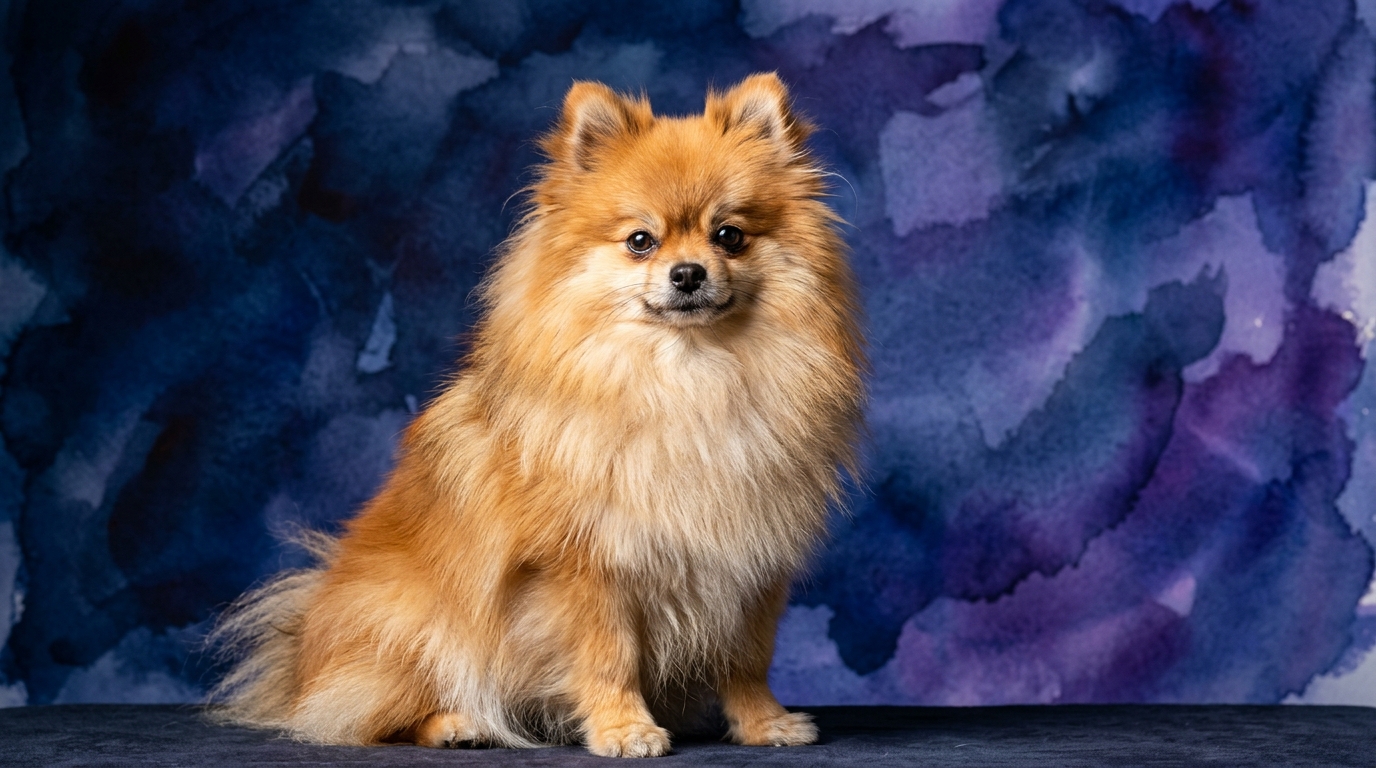
The Pomeranian, a spirited member of the Toy group with a Coren ranking of #23, demonstrates a well-rounded cognitive toolkit. Their Problem Solving score of 4/5 indicates a capacity to figure out novel situations and puzzles, often employing observation and trial-and-error. This breed's Training Speed, also at 4/5, suggests a quick grasp of new commands and routines, eager to please and relatively responsive to instruction. Social Intelligence, rated 4/5, highlights their ability to read human cues and adapt their behavior in social contexts, often forming strong bonds and understanding household dynamics. While their Instinctive Drive sits at 3/5, it's generally expressed in less intense forms compared to working breeds, perhaps a moderate urge to chase or explore. Finally, a Memory score of 4/5 means Pomeranians can retain learned behaviors and recall past experiences with good fidelity, making consistent training efforts quite effective over time.
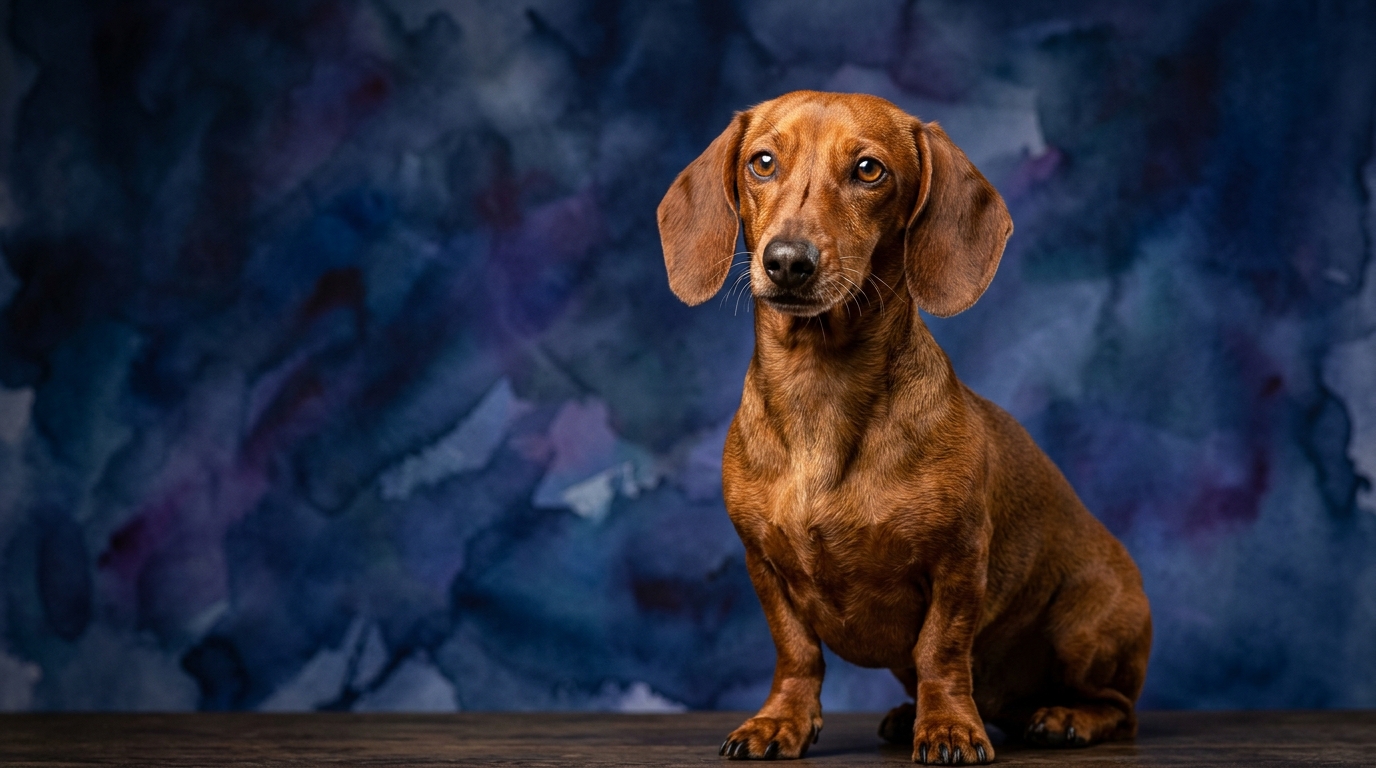
The Dachshund, a distinctive Hound breed ranked #49 on the Coren scale, presents a cognitive profile heavily influenced by its original purpose. Their Problem Solving ability matches the Pomeranian at 4/5, reflecting a resourceful and often independent approach to overcoming obstacles, particularly when motivated by a goal. However, their Training Speed drops to 2/5, indicating a slower and often more challenging process in teaching new commands; this isn't due to a lack of understanding but rather a strong independent streak and preference for self-directed action. Social Intelligence at 3/5 suggests they are capable of social bonding but may not be as overtly people-focused or sensitive to subtle human cues as some other breeds, often exhibiting a more self-assured demeanor. Where the Dachshund truly excels is in Instinctive Drive, scoring a perfect 5/5. This reflects their powerful prey drive, tracking ability, and determination to pursue scents or burrow, traits honed over generations for hunting badger and other small game. Their Memory score of 3/5 is adequate for retaining basic commands and routines, though perhaps not as robust or consistently applied as the Pomeranian's, especially if their instincts pull them in another direction.
Where the Pomeranian Wins Cognitively
The Pomeranian distinctly outshines the Dachshund in areas that prioritize human-canine collaboration and social attunement. Their superior Training Speed (4/5 versus Dachshund's 2/5) means they typically pick up new commands and routines much faster, often with fewer repetitions. This isn't just about speed; it reflects an inherent eagerness to engage with their handlers and a lower threshold for being motivated by praise or treats, making them highly receptive pupils. Furthermore, the Pomeranian's higher Social Intelligence (4/5 versus 3/5) suggests a greater capacity for understanding complex social dynamics within a family unit. They are often more attuned to their owner's moods and intentions, leading to a more harmonious co-existence and a quicker adaptation to household rules and expectations. This social awareness, combined with their strong Memory (4/5), enables them to consistently apply learned behaviors in various contexts, making them generally more predictable and responsive companions in daily life.
Where the Dachshund Wins Cognitively
The Dachshund's cognitive strengths are deeply rooted in its heritage as a tenacious hunter, giving it a clear advantage in areas demanding independent thought and unwavering focus on a task. Their standout score in Instinctive Drive (5/5 versus Pomeranian's 3/5) is a testament to their unparalleled determination and drive to pursue a goal, whether it's tracking a scent, digging, or persistently investigating something intriguing. This isn't just about physical drive; it's a cognitive persistence, a single-mindedness that allows them to overcome obstacles and distractions when their instincts are engaged. While both breeds score 4/5 in Problem Solving, the Dachshund often applies this ability with a unique brand of self-reliance, finding creative solutions to reach their objective even when human direction is absent or ignored. This means they are often exceptionally resourceful in navigating their environment, using their wits to achieve what they desire, a trait that can be both admirable and, at times, challenging for owners.
Which is Easier to Train and Why
From a practical training perspective, the Pomeranian generally presents an easier and more straightforward experience for most owners. Their high Training Speed (4/5) is a direct reflection of their willingness to learn and their desire to please, making them highly responsive to positive reinforcement methods. They tend to form strong associations between commands and actions quickly, and their good Memory (4/5) ensures that these lessons stick. Pomeranians often thrive on interaction and mental stimulation provided by training sessions, viewing them as engaging activities rather than impositions.
Conversely, training a Dachshund, while certainly achievable, typically requires more patience, consistency, and a deeper understanding of their independent nature. Their lower Training Speed (2/5) isn't an indicator of a lack of problem-solving ability, but rather a strong inherent drive to follow their own agenda, particularly when an enticing scent or digging opportunity presents itself. Their powerful Instinctive Drive (5/5) means they can be easily distracted by environmental stimuli that trigger their prey or burrowing instincts, making it difficult to maintain their focus on human-initiated tasks. Effective Dachshund training often involves making the training process exceptionally rewarding and finding ways to integrate their natural drives into acceptable behaviors, rather than trying to suppress them entirely. Their independent streak means they weigh the immediate reward against the effort, and if the reward isn't compelling, they might simply choose not to comply.
Which Suits Active Owners vs. Relaxed Owners
For owners who prefer a more relaxed pace and a companion content with indoor activities and moderate outdoor strolls, the Pomeranian often fits seamlessly. While they certainly benefit from regular exercise and mental engagement, their activity requirements are generally manageable, making them suitable for apartment living or less spacious homes. Their high Social Intelligence and eagerness to please mean they are typically happy to participate in whatever their family is doing, whether it's a quiet evening at home or a short park visit. Their cognitive profile lends itself to being a responsive, adaptable companion who thrives on routine and close interaction, without demanding constant strenuous activity or independent exploration.
The Dachshund, despite its compact size, often requires a more active and engaged owner, particularly one who understands and can channel their strong instinctive drives. Their high Instinctive Drive (5/5) means they possess a deep-seated need for exploration, scent work, and often, digging. While they might enjoy lounging, a Dachshund who doesn't receive adequate mental and physical stimulation to satisfy these drives can become bored and potentially destructive. Owners who enjoy engaging in scent games, earthdog trials, or consistent, varied walks where the dog can explore its environment (safely, on a leash) will find the Dachshund a rewarding partner. Their independent problem-solving nature means they appreciate opportunities to figure things out for themselves, making them a better match for owners who can provide structured outlets for this intellectual curiosity rather than expecting a perpetually passive companion.
The Verdict
Choose a Pomeranian if you prioritize a highly trainable, socially attuned companion who thrives on close interaction and adapts readily to a consistent home environment.
Opt for a Dachshund if you appreciate a tenacious, independent thinker with a powerful instinctive drive, and you are prepared to channel their resourceful nature into engaging activities.
🧠 Find Your Pet's IQ Score
Our Pet IQ Lab assessment covers 25+ tests across 5 cognitive dimensions — personalized to your breed.
Take the Full IQ Test →Frequently Asked Questions
Are Pomeranians good at learning tricks?
Yes, Pomeranians excel at learning tricks due to their high Training Speed (4/5) and strong Memory (4/5). They enjoy the mental stimulation and the positive attention that comes with mastering new commands, making them enthusiastic participants in trick training.
Why are Dachshunds sometimes considered stubborn during training?
Dachshunds can appear stubborn because their low Training Speed (2/5) combined with a very high Instinctive Drive (5/5) means they often prioritize their own innate urges over human commands. This isn't a lack of understanding, but rather a strong independent streak and a need for compelling motivation to comply.
Which breed is better for first-time dog owners regarding intelligence and training?
For first-time dog owners, the Pomeranian is generally a more forgiving choice due to their higher Training Speed and Social Intelligence, making basic obedience and house-training more straightforward. Dachshunds, with their independent nature and strong drives, often benefit from an owner with some prior experience in managing a dog's specific behavioral needs.