Side-by-Side IQ Profile: Pomeranian vs. Dalmatian
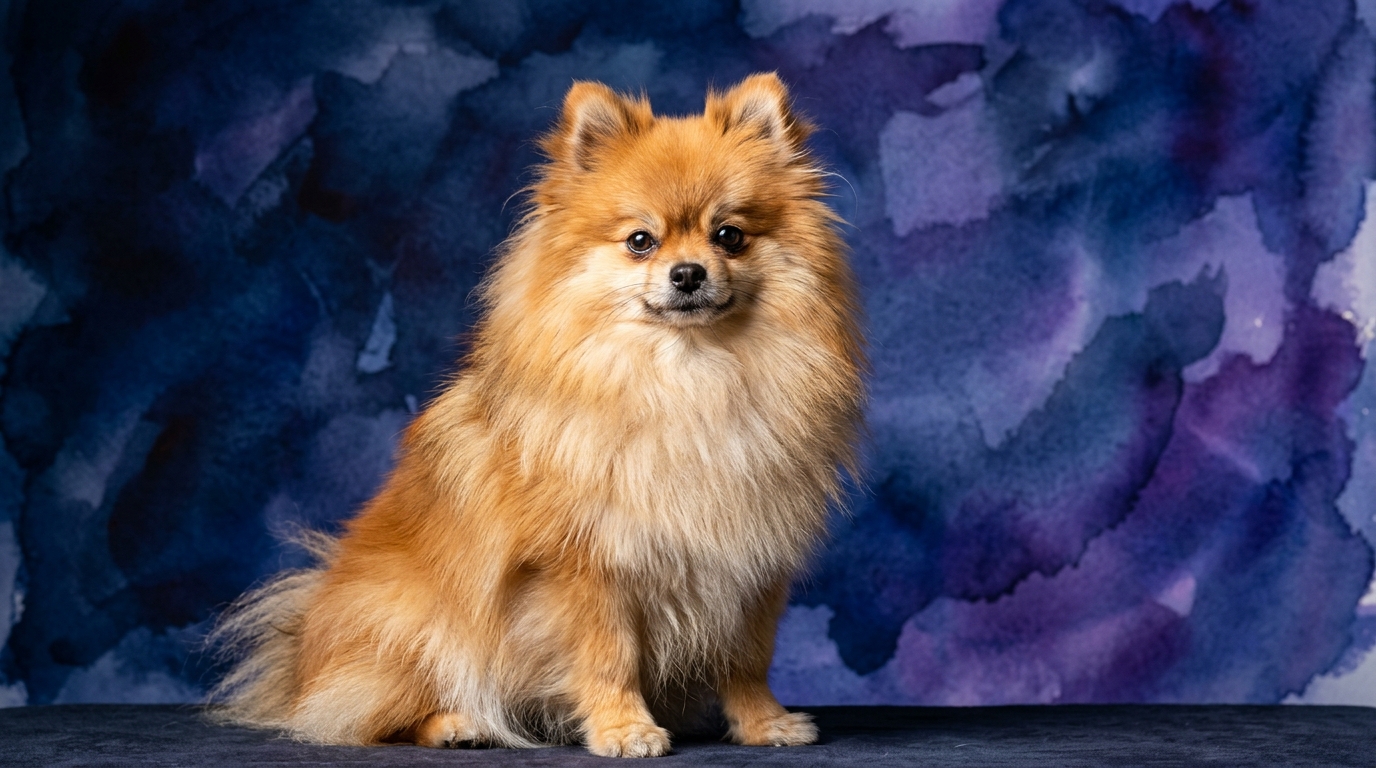
At The Cosmic Pet Pet IQ Lab, we evaluate canine intelligence across five key dimensions to provide a nuanced understanding of each breed's cognitive strengths. The Pomeranian, a Toy group member, holds a Coren rank of #23, suggesting a strong capacity for working and obedience intelligence. Its Problem Solving score of 4/5 indicates a breed that often approaches new situations with cleverness, quickly deciphering environmental puzzles or novel challenges. Training Speed is also high at 4/5, meaning Pomeranians typically absorb and execute new commands with impressive rapidity. Their Social Intelligence, also 4/5, reflects an acute ability to read human emotions and intentions, often forming deep, communicative bonds. Instinctive Drive for the Pomeranian sits at 3/5, suggesting a moderate inherent urge for tasks like tracking or herding, often manifesting in playful, interactive ways. Finally, a Memory score of 4/5 highlights their excellent retention of learned behaviors, routines, and familiar individuals.
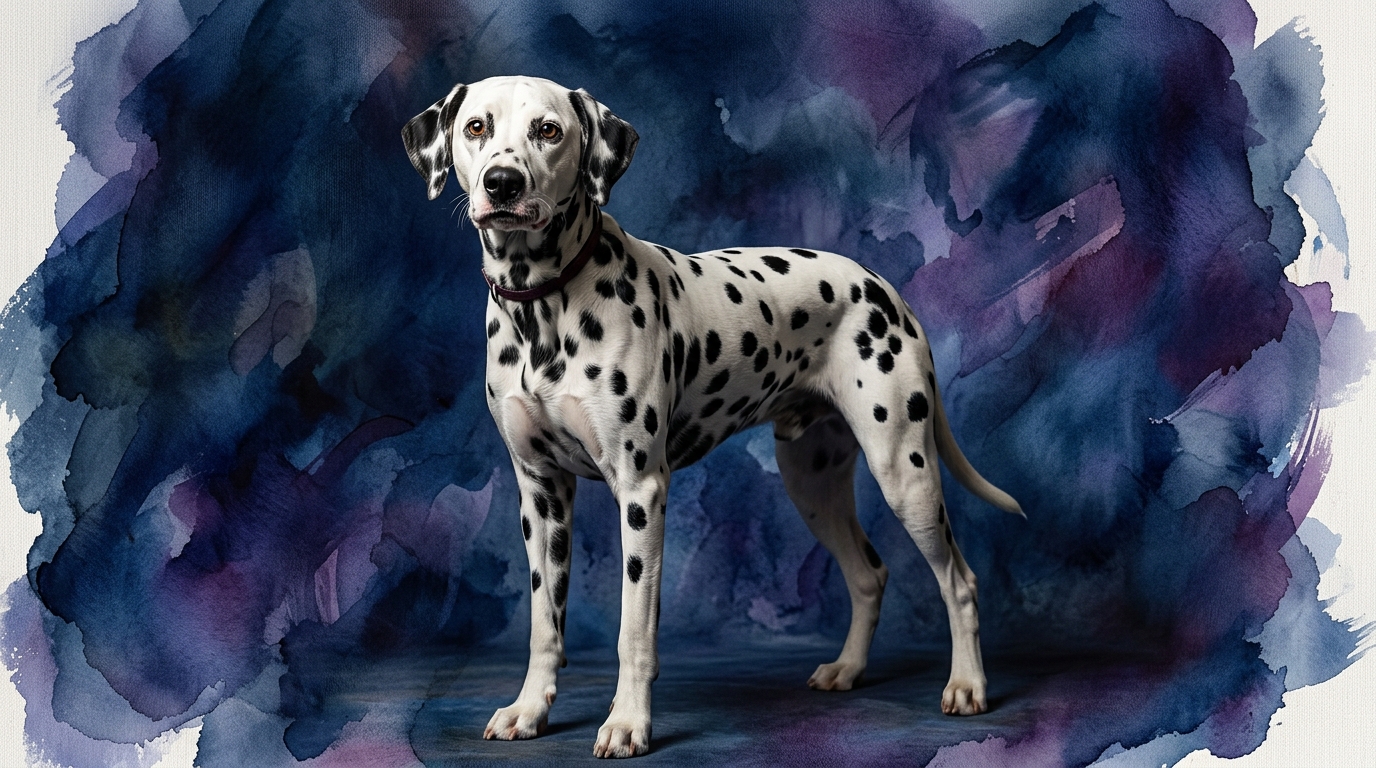
The Dalmatian, categorized in the Non-Sporting group, has a Coren rank of #39, placing it firmly within the average range for working and obedience intelligence. Its Problem Solving score is 3/5, indicating a capable mind that may prefer a more direct, less intricate approach to challenges, often benefiting from clear human guidance. Training Speed is also 3/5; Dalmatians learn steadily but can exhibit an independent streak, necessitating consistent and engaging training methods. Possessing a Social Intelligence score of 4/5, Dalmatians are equally adept at understanding and responding to family dynamics, forming strong attachments, and often displaying sensitivity to their owners' moods. Their Instinctive Drive is notably higher at 4/5, reflecting a powerful inherent urge for endurance, companionship, and guarding, rooted in their historical role as coach dogs. A Memory score of 4/5 indicates a strong ability to recall learned routes, people, and specific experiences, crucial for their historical duties.
Where the Pomeranian Wins Cognitively
The Pomeranian's cognitive edge is most apparent in its superior Problem Solving and Training Speed. With a 4/5 in problem-solving, these small dogs frequently demonstrate a remarkable capacity for analytical thought, quickly assessing novel scenarios and devising effective solutions. This might manifest as rapidly understanding how to open a treat puzzle or navigating complex household obstacles. Their high training speed (4/5) means they grasp new commands and routines with impressive efficiency, often requiring fewer repetitions than many other breeds. This quick uptake is often fueled by an eagerness to engage and please their human companions. Furthermore, their high social intelligence (4/5) contributes to their cognitive wins; they are astute observers of human behavior, often using their understanding of social cues to communicate their needs or desires effectively, sometimes even in manipulative, yet endearing, ways. This ability to 'read the room' and adapt their behavior accordingly is a significant cognitive asset, making them highly responsive companions in varied social settings.
Where the Dalmatian Wins Cognitively
The Dalmatian's cognitive strengths truly shine in areas where endurance, focus, and a strong sense of purpose are paramount, particularly evident in its Instinctive Drive. Scoring 4/5 in this dimension, Dalmatians possess a powerful inherent drive for sustained activity and companionship, historically honed through their role as coach dogs running alongside carriages for miles. This drive translates into an impressive ability to maintain focus on tasks that require stamina, such as long runs or complex agility courses, where their perseverance is a distinct cognitive advantage. While their problem-solving might be more direct (3/5), it is often applied with unwavering determination, especially when motivated by their innate drives. Their strong memory (4/5) complements this, allowing them to retain complex routes, familiar faces, and established routines over long periods, making them reliable companions for consistent activities. This combination of high instinctive drive and robust memory enables them to excel in roles requiring sustained attention and physical engagement, showcasing a different, but equally valuable, form of canine intelligence.
Which is Easier to Train and Why
When considering ease of training, the Pomeranian generally presents a more straightforward experience due to its higher Training Speed (4/5) and innate eagerness to please. These dogs typically absorb new commands quickly and respond well to positive reinforcement, often thriving on the mental engagement that training provides. Their smaller size also makes them more manageable during early training phases. However, their intelligence can sometimes manifest as a tendency to 'test boundaries,' requiring consistent rules. In contrast, the Dalmatian, with a Training Speed of 3/5, requires more patience and a highly consistent approach. Their independence, stemming from their historical roles where self-reliance was key, means they might not always be as immediately compliant or eager to follow commands as a Pomeranian. Their strong instinctive drive (4/5) necessitates that training sessions are engaging and channel this energy constructively, otherwise, boredom can lead to a perceived stubbornness. While capable of learning complex tasks, Dalmatians often benefit from varied training techniques that appeal to their natural predispositions, rather than repetitive drills that might lead to disengagement.
Active Owners vs. Relaxed Owners: A Cognitive Match
The cognitive profiles of these two breeds offer clear guidance for matching them with owner lifestyles. The Pomeranian, despite its moderate instinctive drive (3/5), thrives on mental stimulation and interactive play. Its high problem-solving ability (4/5) and social intelligence (4/5) mean it requires owners who are willing to engage in regular training sessions, puzzle games, and consistent social interaction. While their physical exercise needs are moderate, a Pomeranian will become bored and potentially mischievous without sufficient mental challenges. They are well-suited for owners who enjoy teaching tricks, participating in canine sports like obedience or agility at a recreational level, and value a highly communicative companion, regardless of whether those owners are highly active outdoors or prefer indoor pursuits.
The Dalmatian, conversely, is unequivocally a breed for active owners. Its robust instinctive drive (4/5) for endurance and companionship means it possesses a profound need for significant daily physical exercise and mental engagement. These dogs were bred to run for miles, and their cognitive makeup reflects this need for sustained activity. Owners who enjoy running, hiking, or participating in canine sports like canicross or agility will find the Dalmatian to be an enthusiastic and capable partner. Their strong memory (4/5) and social intelligence (4/5) allow them to form deep bonds and excel in team activities, but their independence (reflected in their 3/5 training speed) means they need owners who are patient and consistent in channeling their abundant energy. A relaxed owner unable to meet these needs will likely find a Dalmatian's cognitive and physical demands overwhelming, potentially leading to destructive behaviors born of boredom.
The Verdict
Choose the Pomeranian if you seek a clever, adaptable companion who thrives on mental engagement and interactive play, suitable for varied living situations where consistent mental stimulation is prioritized.
Opt for the Dalmatian if you are an active individual or family capable of providing extensive physical exercise and consistent, patient training that channels their strong inherent drives for endurance and companionship.
🧠 Find Your Pet's IQ Score
Our Pet IQ Lab assessment covers 25+ tests across 5 cognitive dimensions — personalized to your breed.
Take the Full IQ Test →Frequently Asked Questions
Are Pomeranians truly 'smarter' than Dalmatians based on Coren rank?
Coren's ranking primarily assesses working and obedience intelligence, focusing on command acquisition speed. While Pomeranians rank higher, indicating faster command acquisition, Dalmatians possess different strengths like endurance and focused instinctive drives, which aren't fully captured by that specific metric. Both breeds demonstrate distinct cognitive profiles, with neither being universally 'smarter' than the other.
How does 'instinctive drive' impact a breed's daily behavior?
Instinctive drive refers to a dog's inherent tendencies, like a Dalmatian's historical endurance for running alongside coaches or a Pomeranian's alert nature. A high drive means the dog will naturally seek outlets for these behaviors, impacting their need for specific types of exercise, mental stimulation, and training to channel these instincts productively, otherwise boredom or frustration may arise.
Can a Dalmatian's 'independence' be misinterpreted as a lack of intelligence?
A Dalmatian's independence, often stemming from its historical role requiring self-reliance, can sometimes be mistaken for stubbornness or lower intelligence. In reality, it reflects a different cognitive style; they may process information or respond to commands at their own pace, requiring consistent, engaging training methods rather than rote repetition, which highlights their distinct problem-solving approach.