Side-by-Side IQ Profile
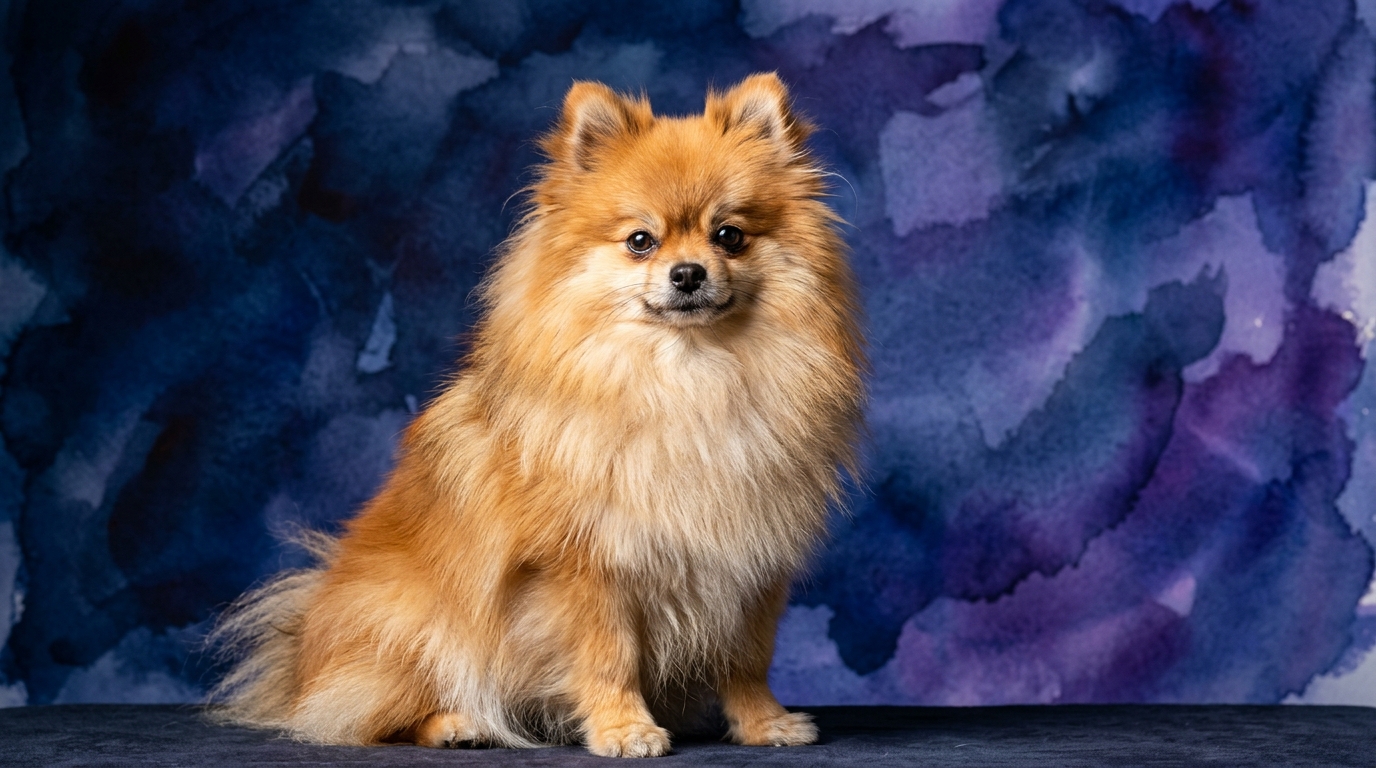
The Cosmic Pet Pet IQ Lab assesses canine intelligence across five key dimensions, providing a nuanced view beyond simple rankings. For the Pomeranian, a Toy breed with a Coren rank of #23, its cognitive scores paint a picture of a clever and highly adaptable companion. Its Problem Solving is rated 4/5, indicating a keen ability to navigate complex environments or figure out how to access desired items, often demonstrating surprising ingenuity for its size, devising creative ways to get attention or manipulate toys. Training Speed also scores 4/5, as Poms tend to grasp new commands and routines quickly, often enjoying the mental stimulation of learning and performing tricks, with their eagerness to please contributing to a rapid learning curve. Social Intelligence is 4/5, reflecting their adeptness at reading human cues and adapting their behavior, forming strong, perceptive bonds with their families and sensing subtle shifts in mood. Instinctive Drive is 3/5; while they retain some terrier-like tendencies for barking or chasing small critters, their primary drive is often companionship and seeking interaction rather than a strong, singular working instinct. Finally, Memory is 4/5, showing excellent recall for learned commands, routines, and specific people or places, contributing significantly to their trainability and adaptability.
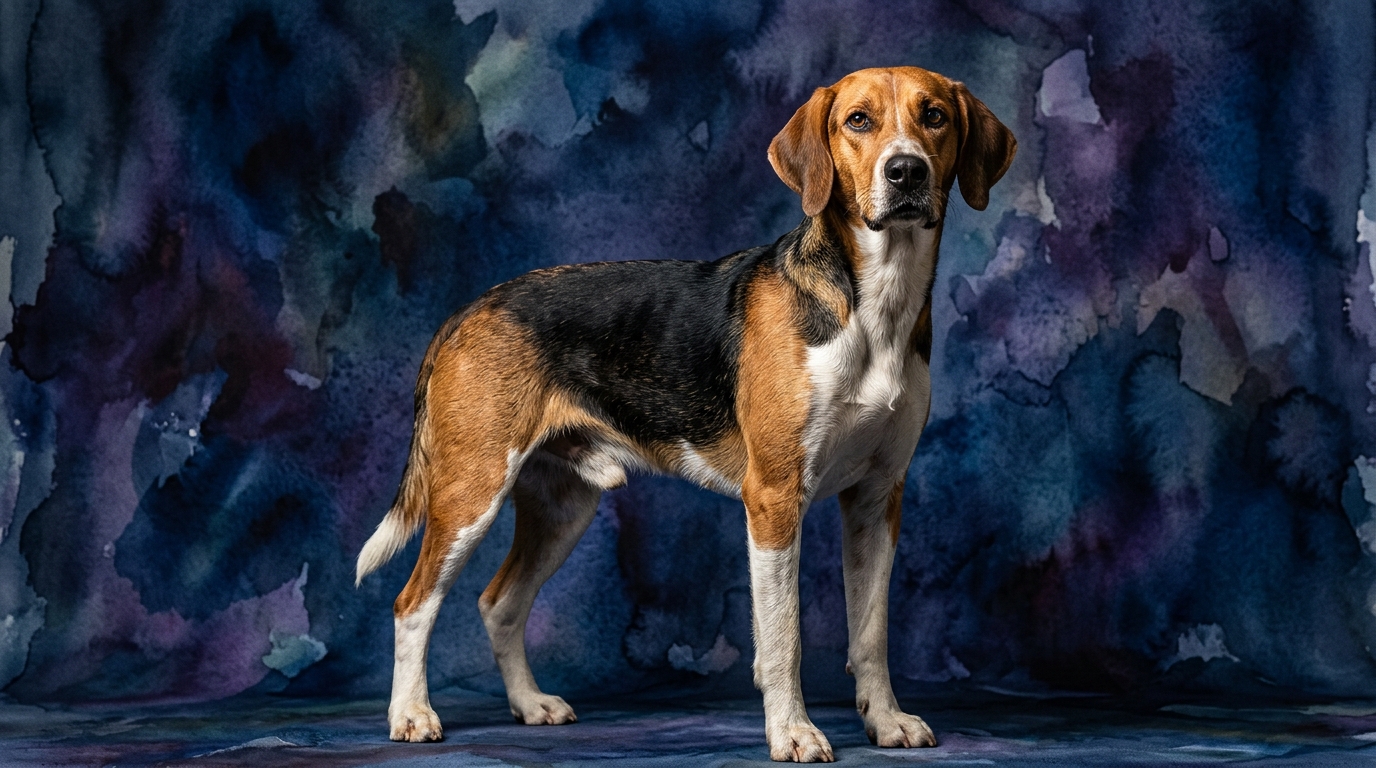
In contrast, the English Foxhound, a Hound breed, is not Coren-ranked, which is typical for breeds whose intelligence is specialized beyond standard obedience tests. Its IQ profile highlights a different kind of cognitive strength. Its Problem Solving is 3/5, but this is profoundly linked to its primary function – tracking scents over varied terrain with remarkable persistence. However, their focus on scent often means they approach human-centric puzzles or abstract tasks with less inherent interest or adaptability compared to companion breeds. Training Speed is 3/5; they can learn commands, but their strong independent nature and single-minded focus on scent trails can make standard obedience training a more deliberate process, requiring immense patience, highly motivating rewards, and consistent repetition. Social Intelligence is 3/5; while generally amiable and good-natured, their social intelligence often manifests within a pack dynamic, meaning interpreting nuanced human social cues might be less immediate than for breeds primarily bred for close companionship. Instinctive Drive is 3/5, but this score is perhaps misleading in its simplicity for a Foxhound; their drive is overwhelmingly focused on scent work and the chase, a powerful, almost singular purpose that defines their being, often overriding other motivations. Memory is 3/5; Foxhounds possess an incredible memory for scent trails and routes, a critical aspect of their hunting heritage, but their memory for arbitrary human commands or routines might be good, though often secondary to their profound olfactory recollections and ingrained hunting patterns.
Where Pomeranian Wins Cognitively
The Pomeranian distinctly outshines the English Foxhound in areas of general problem-solving, quick training acquisition, and nuanced social intelligence. Their 4/5 scores across these dimensions indicate a breed that is often more intrinsically motivated by human interaction and mental engagement beyond a specific working task. Poms are quicker to connect abstract commands to actions and excel at interpreting the subtle shifts in human mood or expectation, making them highly responsive and emotionally attuned companions. Their memory for routines and learned behaviors also contributes to a smoother integration into diverse home environments, as they readily recall what is expected of them in a domestic setting. This adaptability and eagerness to learn from their human counterparts give them a significant edge in navigating typical household cognitive challenges and forming deep, communicative bonds.
Where English Foxhound Wins Cognitively
While the English Foxhound's scores might appear lower in general cognitive metrics, this reflects a highly specialized intelligence rather than a deficit. Its true cognitive prowess lies in its unparalleled instinctive drive and memory for scent, areas where few breeds can compete. A Foxhound's problem-solving is intrinsically linked to its nose; it excels at deciphering complex scent puzzles across miles of varied terrain, requiring immense focus, endurance, and a sophisticated internal mapping system to follow a faint trail to its conclusion. Their memory for specific scent patterns and historical trails is exceptional, allowing them to follow a quarry relentlessly, often ignoring all other stimuli. While less geared towards human-centric puzzles, their ability to independently pursue and resolve a scent trail demonstrates a profound, practical intelligence vital to their heritage, making them master trackers with an almost obsessive dedication to their olfactory work.
Which is Easier to Train and Why
Based on The Cosmic Pet Pet IQ Lab data, the Pomeranian is generally easier to train for standard obedience and household manners. With a training speed of 4/5 and problem-solving at 4/5, Poms typically absorb new commands faster and are more inclined to focus on their human instructor. Their higher social intelligence (4/5) means they are often eager to please and more attuned to human feedback, making positive reinforcement highly effective in shaping their behavior. In contrast, the English Foxhound, with 3/5 in both training speed and problem-solving, presents a different training challenge. Their powerful instinctive drive for scent work often means they are easily distracted by environmental smells, requiring more consistent, patient, and often creative methods to hold their attention. While capable of learning, their independent nature and single-minded focus on tracking can make them appear less compliant in a typical training class setting, demanding an owner who understands and respects their inherent hound nature and is prepared for dedicated, long-term training.
Which Suits Active Owners vs Relaxed Owners
For the relaxed owner seeking a companion who thrives in a less physically demanding environment, the Pomeranian is often a more fitting choice. While they enjoy walks and playtime, their exercise needs are moderate, and they are generally content with indoor activities and cuddling. Their smaller size and adaptability make them excellent apartment dwellers, and their cognitive engagement often comes from interactive toys or short training sessions rather than extensive outdoor adventures. Conversely, the English Foxhound is unequivocally suited for active owners. Their heritage as a hunting dog means they possess immense stamina and a deep need for regular, vigorous exercise, ideally involving open spaces where they can indulge their powerful sense of smell and desire to run. Owners who enjoy long hikes, running, or even canine sports like scent work will find a fulfilling partnership with a Foxhound. A relaxed owner may struggle to meet the breed's substantial physical and mental stimulation requirements, potentially leading to boredom and behavioral challenges.
The Verdict
Opt for a Pomeranian if you seek a highly responsive, socially perceptive companion eager to learn and thrive in a domestic setting with moderate exercise needs.
Select an English Foxhound if you are an active individual or family prepared to meet the demands of a powerful scent hound, offering ample opportunities for expansive exercise and mental engagement through their natural tracking instincts.
🧠 Find Your Pet's IQ Score
Our Pet IQ Lab assessment covers 25+ tests across 5 cognitive dimensions — personalized to your breed.
Take the Full IQ Test →Frequently Asked Questions
Does the Pomeranian's small size affect its problem-solving abilities?
No, the Pomeranian's small stature does not inherently limit its problem-solving; their 4/5 rating reflects their capacity for ingenuity in navigating environments and understanding how to achieve desired outcomes, often surprising owners with their cleverness. Their problem-solving is often applied to their immediate surroundings and social dynamics rather than large-scale physical challenges.
Why is the English Foxhound not Coren-ranked for intelligence?
Stanley Coren's rankings primarily assess obedience and working intelligence, which can be challenging for breeds like the English Foxhound whose specialized intelligence revolves around independent scent tracking rather than immediate human compliance. Their strong instinctive drive often prioritizes following a trail over responding to arbitrary commands in a test setting, making them difficult to evaluate with standard metrics.
Can an English Foxhound be a good family pet despite its strong instincts?
Yes, an English Foxhound can be a loyal and amiable family pet, especially with owners who understand and cater to its significant exercise needs and powerful scent drive. Consistent training, early socialization, and outlets for their natural instincts are crucial to ensure a well-adjusted and happy companion who will thrive in an active home environment.