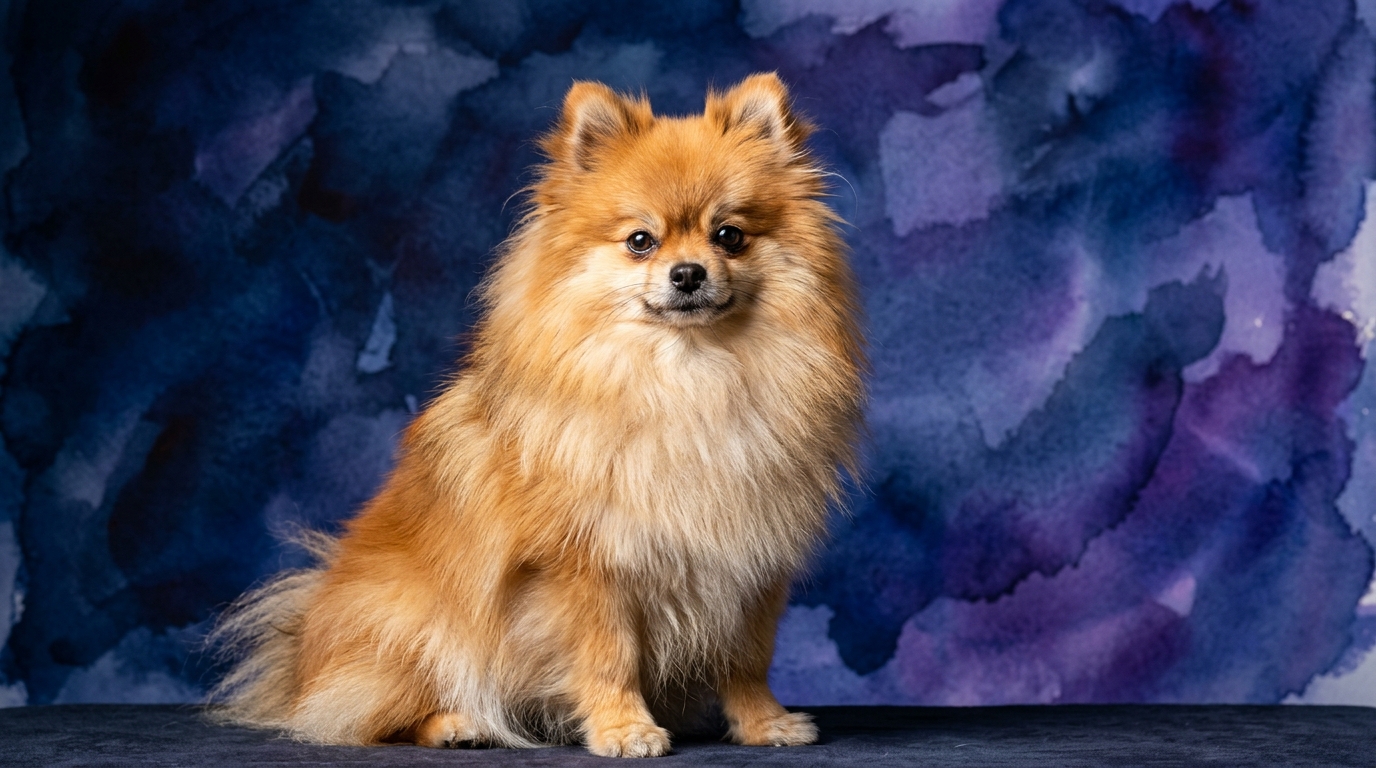
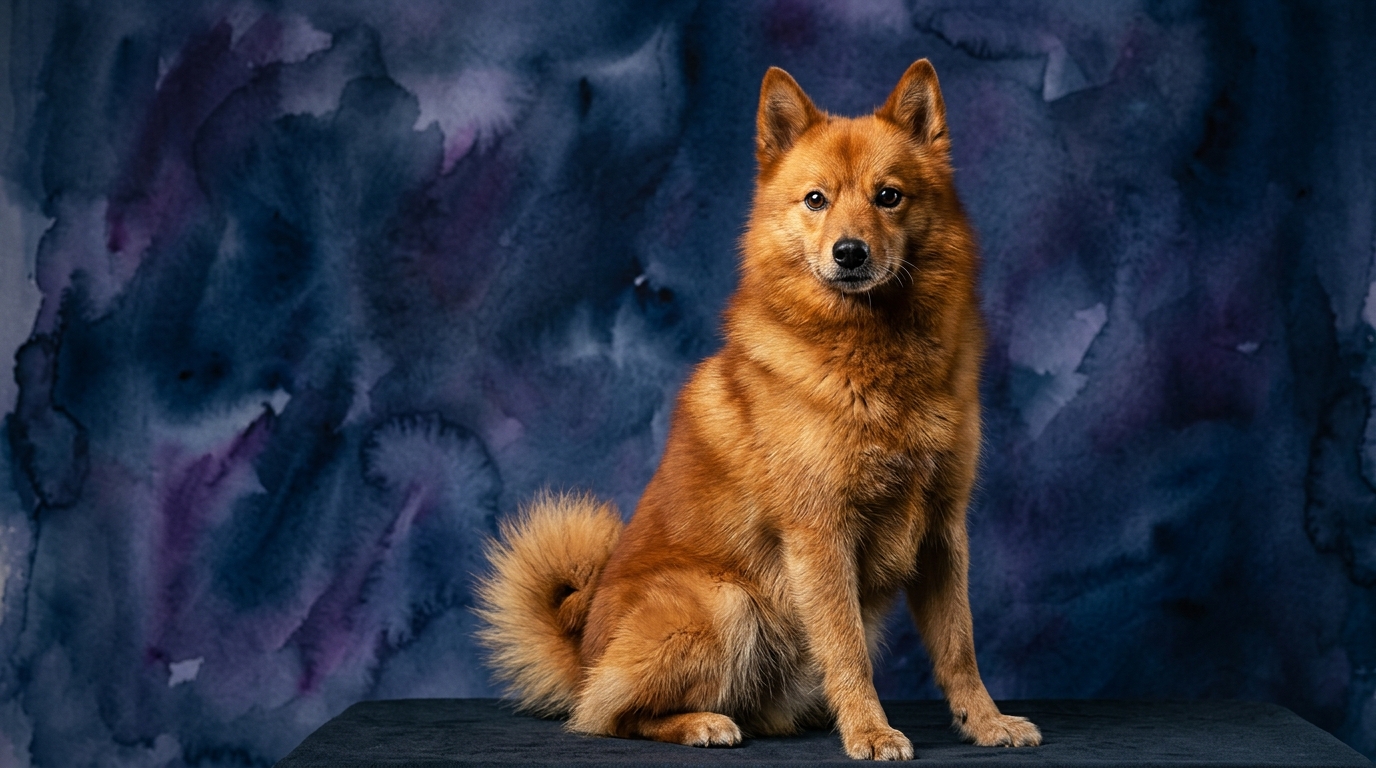
Side-by-Side IQ Profile: Pomeranian vs. Finnish Spitz
The Cosmic Pet Pet IQ Lab employs a multi-faceted approach to evaluate canine intelligence, focusing on five key dimensions: Problem Solving, Training Speed, Social Intelligence, Instinctive Drive, and Memory. Analyzing the Pomeranian and Finnish Spitz through this lens reveals distinct cognitive architectures.
The Pomeranian, a Toy breed ranked #23 by Coren, demonstrates a notably agile mind across several categories. With a Problem Solving score of 4/5, these small dogs often display a surprising knack for navigating complex situations, such as figuring out how to reach a hidden treat or manipulating objects to their advantage. Their capacity to assess and overcome obstacles suggests a flexible thought process, allowing them to adapt quickly to new challenges. Their Training Speed, also 4/5, indicates they typically pick up new commands and routines with impressive alacrity, often requiring fewer repetitions than many other breeds. In Social Intelligence (4/5), Poms excel at interpreting human moods and intentions, often adjusting their behavior to suit the social context, fostering strong bonds. Their Instinctive Drive is rated 3/5, manifesting as alert barking and curiosity, but generally manageable. Finally, their Memory at 4/5 means they recall past lessons, routines, and specific interactions with remarkable clarity, contributing significantly to training retention.
The Finnish Spitz, a Non-Sporting breed not specifically ranked by Coren, presents a different cognitive landscape. Its scores across the board are 3/5, reflecting a steady, focused intelligence rather than broad adaptability. In Problem Solving (3/5), they approach tasks methodically, relying on persistence to figure things out, even if not always swiftly. Their Training Speed (3/5) suggests that learning is a process benefiting from patience and consistent repetition; they prefer to thoroughly process information. Social Intelligence (3/5) for the Finnish Spitz means they are observant and form deep bonds, but often with a degree of independence, valuing a respectful partnership over overt people-pleasing. The Instinctive Drive (3/5) in this breed is profoundly shaped by its ancient role as a barking bird dog, making their characteristic vocalizations a central part of their cognitive makeup. Their Memory (3/5) is solid and enduring, particularly for things relevant to daily routines and ingrained training, ensuring reliable retention once information is committed.
Where the Pomeranian Wins Cognitively
The Pomeranian's cognitive profile demonstrates a clear advantage in several areas crucial for a modern companion dog. With a Problem Solving score of 4/5, they exhibit a greater capacity for flexible thinking and adapting to novel situations, often finding creative solutions to everyday challenges, from navigating household obstacles to figuring out puzzle toys. This adaptability extends directly to their Training Speed (4/5), where their quick uptake of commands and eager participation mean they can master a wide repertoire of tricks and obedience cues more rapidly than the Finnish Spitz. They often seem to anticipate what's expected, making training sessions efficient and enjoyable.
Furthermore, their superior Social Intelligence (4/5) allows them to more intuitively gauge human emotions and social dynamics. This means a Pomeranian is often better at reading subtle cues from their owner, adjusting their behavior to the mood of the household, or understanding complex social interactions within a family. Their ability to form nuanced, responsive interactions makes them particularly adept at seamlessly integrating into diverse social settings. This keen social awareness, combined with their robust Memory (4/5), ensures that once a lesson is learned or a routine established, it sticks, making for a reliably well-behaved and communicative pet in diverse environments and reinforcing positive interactions over time.
Where the Finnish Spitz Wins Cognitively
While the Finnish Spitz may not outscore the Pomeranian in general cognitive flexibility or speed, its unique cognitive strengths lie in the focused and tenacious application of its Instinctive Drive. At 3/5, its drive is numerically equal to the Pomeranian's, but its *expression* is profoundly specialized and central to its identity. This breed's historical role as a barking bird dog has honed a tenacity and single-mindedness in its specific tasks that constitutes a significant cognitive advantage for its purpose. Their Problem Solving, while rated 3/5, is often geared towards independent hunting and alerting, requiring sustained focus and self-reliance rather than constant human directives.
This independence, while sometimes posing training challenges in general obedience, also reflects a cognitive strength in self-sufficiency and perseverance. A Finnish Spitz excels in situations requiring them to work autonomously, using their senses and focused determination to achieve a goal, such as tracking a scent or alerting to environmental changes. Their cognitive 'win' is less about broad adaptability to human whims and more about deep, unwavering dedication to their inherent purpose. This manifests as a focused, observant intelligence attuned to the natural world, allowing them to excel in activities that leverage their natural instincts and patient, methodical approach to challenges.
Which is Easier to Train and Why
Without question, the Pomeranian is generally easier to train than the Finnish Spitz, a difference rooted deeply in their respective cognitive profiles and historical roles. The Pomeranian's Training Speed (4/5) means they typically require fewer repetitions to grasp new concepts, quickly associating commands with actions and rewards. For instance, a Pomeranian is more likely to engage enthusiastically in learning a new trick, quickly understanding the desired outcome and remembering the sequence of actions to earn a reward. This quick uptake is further complemented by their higher Problem Solving (4/5), which allows them to understand the 'why' behind a command more readily, and their superior Social Intelligence (4/5), making them more attuned to human cues and often eager to please.
In contrast, the Finnish Spitz, with a Training Speed of 3/5, learns at a more deliberate pace. Their Problem Solving (3/5) and Social Intelligence (3/5) suggest a more independent approach; they might question the necessity of a command or require more consistent and higher-value motivation. Training a Finnish Spitz often demands more patience, repetition, and a creative approach to keep them engaged. Their strong, specialized Instinctive Drive can also make them less amenable to general obedience training if it conflicts with their natural inclinations, such as their propensity for focused barking at environmental stimuli or independent exploration, requiring dedicated effort to redirect these natural behaviors.
Which Suits Active Owners vs. Relaxed Owners
For owners seeking a more relaxed companion, the Pomeranian often presents a compelling choice. While they enjoy activity and mental stimulation, their exercise needs are generally moderate, making them suitable for apartment living and owners who prefer shorter, less strenuous walks. Their high social intelligence and adaptability mean they are content curling up on the couch or engaging in quiet indoor play, thriving on close companionship. They are generally happy to adjust their energy levels to match their human's pace, making them excellent companions for those with a less rigorous daily schedule who still appreciate an interactive and responsive pet.
Conversely, the Finnish Spitz is better suited for active owners who appreciate a dog with a robust, independent spirit and a pronounced need for consistent engagement. Their background as hunting dogs means they possess significant stamina and require ample opportunities for outdoor activity, exploration, and mental stimulation. They thrive in environments where they can exercise their natural drives, whether through long hikes, scent work, or participation in dog sports like agility or rally. A relaxed owner might find the Finnish Spitz's energetic nature and vocal tendencies overwhelming, as they are likely to seek out their own forms of entertainment if under-exercised, whereas an active owner will find a dedicated and enthusiastic partner for adventures.
The Verdict
Opt for the Pomeranian if you desire a highly responsive, socially intuitive, and quickly trainable companion who thrives on close interaction and adapts readily to a variety of living situations, appreciating their flexible intelligence and eagerness to please.
Select the Finnish Spitz if you are an active individual who values an independent, tenacious, and vocal companion with a focused instinctive drive, and you are prepared to engage consistently with their unique, self-reliant intelligence and energetic nature.
🧠 Find Your Pet's IQ Score
Our Pet IQ Lab assessment covers 25+ tests across 5 cognitive dimensions — personalized to your breed.
Take the Full IQ Test →Frequently Asked Questions
Are Pomeranians good at learning tricks?
Yes, Pomeranians generally excel at learning tricks due to their high training speed and problem-solving abilities. They enjoy mental stimulation and often pick up new behaviors quickly, making them rewarding partners for trick training. Their strong memory helps them retain these learned actions over time, making them a joy to teach.
Does the Finnish Spitz bark a lot?
Yes, the Finnish Spitz is renowned for its vocal nature, particularly its characteristic 'yodel' or bark. This is deeply tied to its instinctive drive as a barking bird dog, where it uses its voice to alert hunters to game. While charming to some, this trait requires understanding, management, and often specific training for owners to moderate.
How do their social intelligence differences manifest in daily life?
A Pomeranian's higher social intelligence means they often more readily pick up on subtle human cues, adapt their behavior to social situations, and seek close companionship, often acting as a shadow. The Finnish Spitz, while observant, tends to be more independent, forming deep but perhaps less overtly expressive bonds, valuing mutual respect and autonomy over constant interaction.