Side-by-Side Cognitive Profiles: The Cosmic Pet Pet IQ Lab Scores
Our Cosmic Pet Pet IQ Lab provides a detailed breakdown of canine intelligence across five key dimensions, allowing us to compare the Pomeranian, a Toy breed, with the robust German Pinscher, a Working breed. Understanding these specific scores helps illuminate their inherent mental aptitudes.
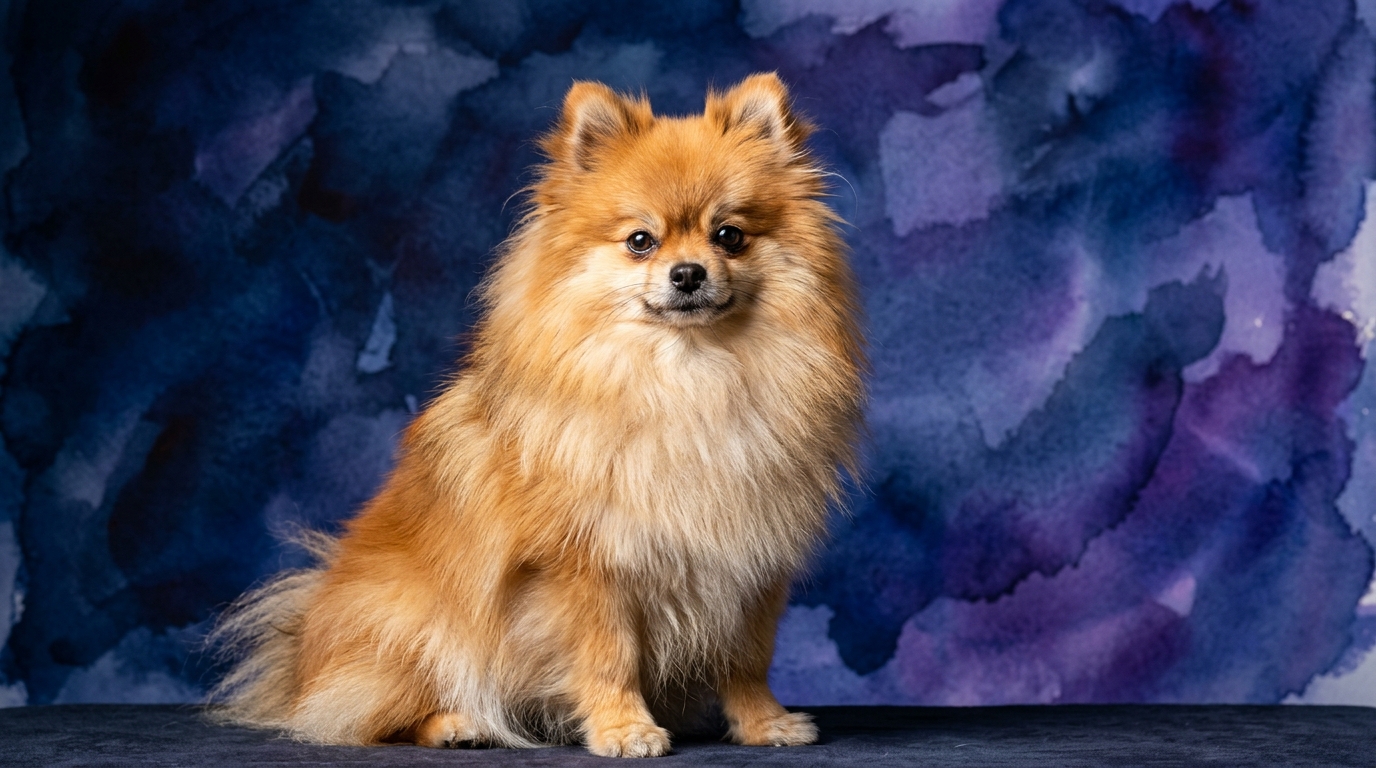
The **Pomeranian**, with a Coren ranking of #23, demonstrates a significant capacity for working intelligence and obedience, placing it in the top tier of breeds for learning and command execution. Its Problem Solving score of 4/5 indicates a keen aptitude for navigating novel situations and understanding complex cues quickly. Training Speed, also at 4/5, highlights their eagerness and rapid grasp of new commands, making them highly receptive students. Social Intelligence at 4/5 means they are often adept at reading human emotions and social dynamics, fostering strong, interactive bonds. Their Instinctive Drive is rated 3/5, suggesting a moderate expression of prey drive and territorial alertness, but not an overwhelming focus on primal urges. Finally, a Memory score of 4/5 affirms their ability to retain learned behaviors and routines effectively over time.
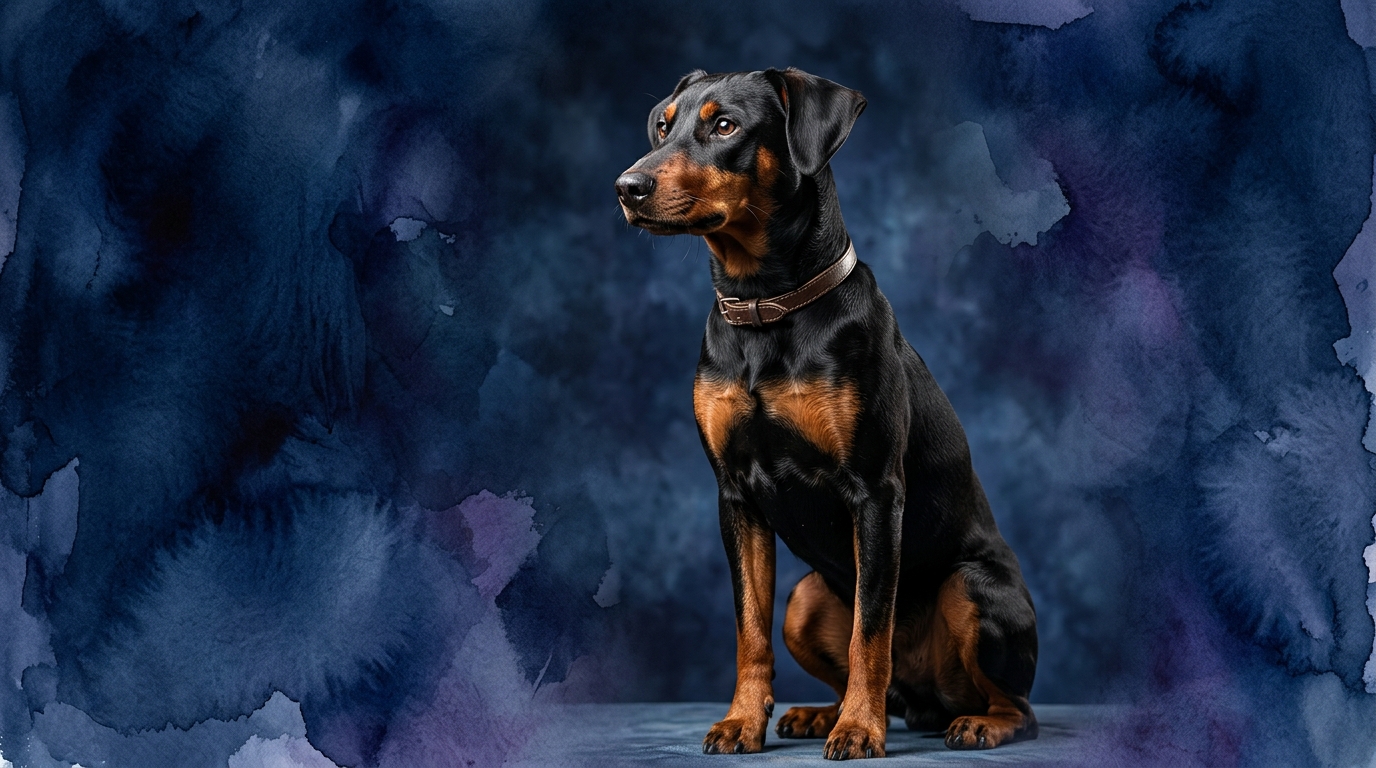
The **German Pinscher**, while not Coren-ranked, presents a distinct cognitive profile rooted in its working heritage. Its Problem Solving at 3/5 reflects a capable but often independent approach to challenges, preferring to figure things out on its own terms. Training Speed, also 3/5, indicates they are certainly trainable, but may require more consistent repetition and motivation due to their self-assured nature. Social Intelligence at 3/5 suggests they are observant of their inner circle but can be more reserved or discerning with strangers, forming deep but selective connections. An Instinctive Drive of 3/5 manifests as a strong prey drive and vigilant guardian instincts, requiring appropriate outlets. Their Memory score of 3/5 means they retain information, though their independent streak might lead to selective recall if not consistently reinforced and valued by the dog.
Where the Pomeranian Shines Cognitively
The Pomeranian's cognitive strengths are evident across multiple dimensions, particularly in its agility of mind and social attunement. With a Problem Solving score of 4/5, these small dogs demonstrate a remarkable capacity to quickly assess and adapt to new situations, often figuring out puzzles or novel environmental challenges with relative ease. This mental flexibility makes them excellent candidates for advanced trick training or canine sports that demand quick thinking.
Their 4/5 Training Speed is a clear advantage, indicating that Pomeranians are generally eager to please and pick up new commands with impressive rapidity. This responsiveness, coupled with their 4/5 Social Intelligence, means they are highly attuned to human cues and emotional states, making the training process a highly interactive and rewarding experience. They often anticipate their owner's wishes and respond enthusiastically. Furthermore, a Memory score of 4/5 ensures that once a lesson is learned, it tends to stick, contributing to their reputation as reliable and consistent companions in well-established routines.
Cognitive Strengths of the German Pinscher
While the German Pinscher's numerical scores might appear slightly lower in some areas compared to the Pomeranian, their cognitive profile reveals a distinct and equally valuable type of intelligence, deeply tied to their working background. Their Problem Solving score of 3/5, for instance, isn't a deficit in capability but rather reflects a determined, often self-directed approach. German Pinschers excel at tasks requiring persistence and independent thought, such as navigating complex environments or figuring out how to achieve a goal that truly interests them, like tracking a scent.
The 3/5 Instinctive Drive in German Pinschers is a significant cognitive asset when channeled appropriately. This manifests as a focused determination in tasks related to their original purpose, such as vigilant protection or rodent control, requiring sustained mental engagement. This innate drive provides a powerful motivational tool for training when the activities align with their natural inclinations. Their memory, while rated 3/5, is robust for tasks they deem important or for routines that are consistently reinforced, allowing them to effectively remember boundaries and learned commands, even if their independent spirit occasionally prompts them to test them.
Trainability: Pomeranian vs. German Pinscher
When considering ease of training, the Pomeranian generally presents a more straightforward path. Their 4/5 Training Speed combined with a 4/5 Social Intelligence means they are often highly cooperative and responsive. They thrive on positive reinforcement and tend to pick up new commands quickly, eager to engage with their human companions. Their smaller size also makes managing their physical energy during training sessions less demanding, allowing for focused mental engagement. They are typically less prone to stubbornness and genuinely enjoy the interactive learning process, making them suitable for owners who appreciate a dog that readily embraces instruction.
The German Pinscher, with its 3/5 Training Speed and 3/5 Social Intelligence, requires a different approach to training. Their independent and self-assured nature means they respond best to consistent, firm, and fair methods from an owner who understands canine behavior. While they are certainly capable of learning, they might require more repetition and motivation, as they often need to be convinced of the value of a command. Their strong will can sometimes translate into 'selective hearing' if the training isn't engaging or if they perceive a task as unnecessary. Early and thorough socialization is crucial for shaping their social intelligence positively, helping them to be well-adjusted and responsive in various environments. An owner must be prepared for a training journey that demands patience, consistency, and a deep understanding of their breed's inherent determination.
Matching Breeds to Lifestyles: Active vs. Relaxed Owners
For owners seeking a companion that can adapt to a more relaxed lifestyle while still enjoying mental stimulation, the Pomeranian is often an excellent fit. Their smaller size means their physical exercise requirements are moderate, satisfied with daily walks and indoor play. However, their high Problem Solving and Memory scores mean they still thrive on mental engagement through puzzle toys, trick training, or engaging games. They can be content with cuddles and indoor activities but will still benefit significantly from daily opportunities to exercise their nimble minds, preventing boredom and potential mischief.
The German Pinscher, conversely, is best suited for active, experienced owners who are prepared to provide substantial physical and mental outlets. Their working heritage and strong independent streak demand consistent structured activities. They thrive in environments where they have a 'job' to do, whether it's participating in dog sports like agility, obedience, or even Schutzhund, or engaging in extensive daily runs and hikes. A relaxed owner might find their energetic nature and independent problem-solving capabilities, which can manifest as destructive behaviors if not properly channeled, challenging to manage. They need an owner who can commit to providing ample exercise, consistent training, and opportunities for their determined intellect to be put to good use.
The Verdict
Choose the Pomeranian if you seek a highly responsive, socially attuned companion eager for interactive training and quick learning, perfect for a household that values a nimble mind in a compact form.
Opt for the German Pinscher if you're an experienced, active owner prepared to channel a determined and independent intellect into structured training and demanding activities, appreciating a dog with a strong will and protective instincts.
🧠 Find Your Pet's IQ Score
Our Pet IQ Lab assessment covers 25+ tests across 5 cognitive dimensions — personalized to your breed.
Take the Full IQ Test →Frequently Asked Questions
Does the Pomeranian's small size limit its cognitive abilities?
Absolutely not. The Pomeranian's Coren ranking of #23 and high scores in Problem Solving and Memory demonstrate that size has no bearing on a dog's capacity for working intelligence and obedience. They exhibit significant mental agility and learn rapidly.
How does a German Pinscher's independence affect its trainability?
A German Pinscher's independence means they require consistent, clear, and engaging training methods. While they are capable learners, their self-assured nature means owners must be patient and persuasive, often needing to convince the dog that the requested task is worthwhile, rather than expecting immediate compliance.
Are these breeds good with children or other pets?
The Pomeranian's 4/5 social intelligence often makes them adaptable to family life, though their small size requires supervision around very young children. The German Pinscher's 3/5 social intelligence means they form strong bonds with their family but can be reserved with strangers; early socialization is crucial for positive interactions with children and other pets, as their strong prey drive needs careful management.