Side-by-Side IQ Profile: Pomeranian vs. Giant Schnauzer
At The Cosmic Pet Pet IQ Lab, we evaluate canine intelligence across five key dimensions, moving beyond simple obedience to understand the true breadth of a dog's cognitive abilities. This framework allows us to dissect the unique mental aptitudes of breeds like the Pomeranian and Giant Schnauzer, offering insights into their inherent strengths.
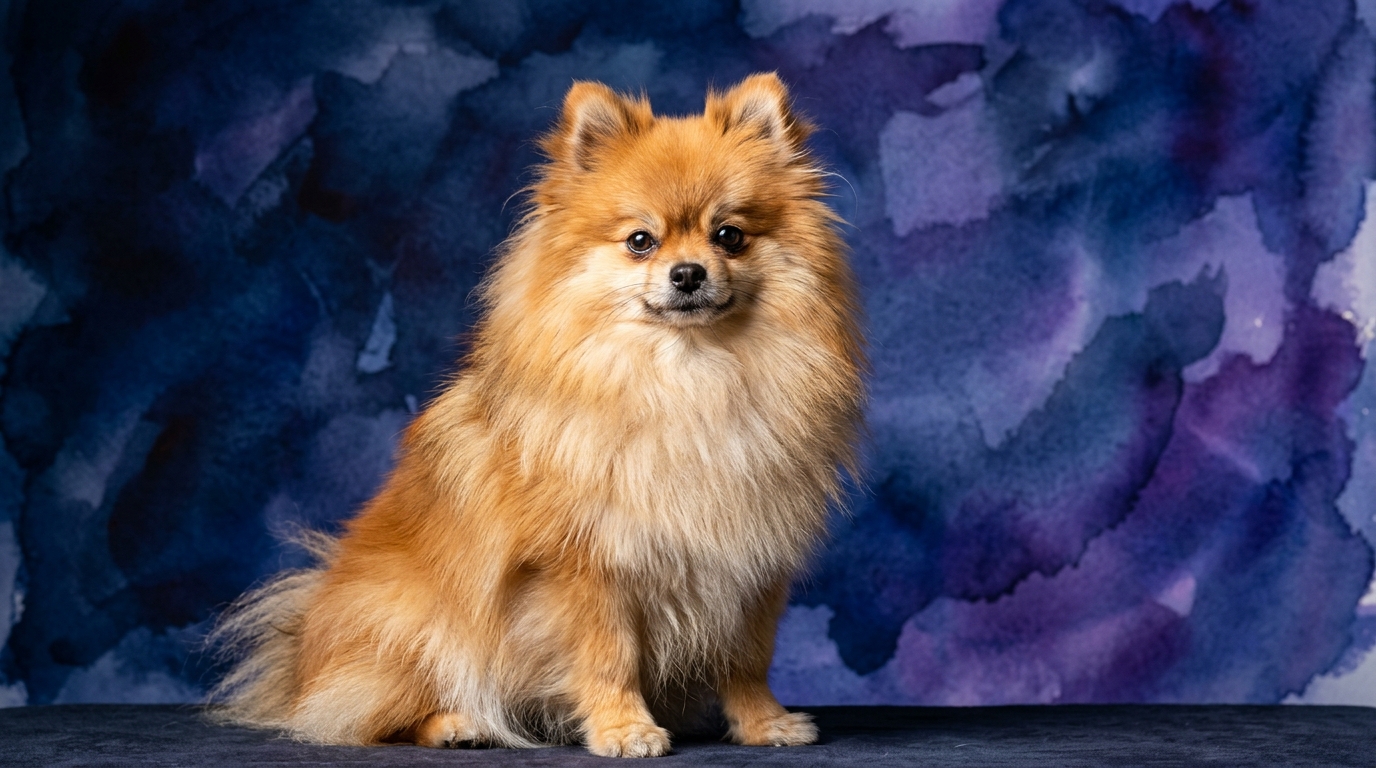
The Pomeranian, ranking #23 on the Coren intelligence scale, presents a vibrant cognitive profile. Their Problem Solving score of 4/5 indicates an agile mind, adept at figuring out puzzles, navigating complex environments, or even subtly manipulating situations to their advantage, often leveraging their small size. With a Training Speed of 4/5, they are quick to grasp new commands and routines, often eager to please and highly responsive to positive reinforcement, maintaining focus through engaging sessions. Their Social Intelligence, a standout at 4/5, reflects a deep attunement to human emotions and social cues, making them excellent at reading body language and adapting their behavior to fit various social contexts, forming strong, perceptive bonds. An Instinctive Drive of 3/5 means they retain natural instincts like alertness and a moderate prey drive for small objects, which is manageable and can be channeled into play. Finally, their Memory score of 4/5 highlights excellent recall for learned commands, routines, and experiences, remembering people and places even after long periods.
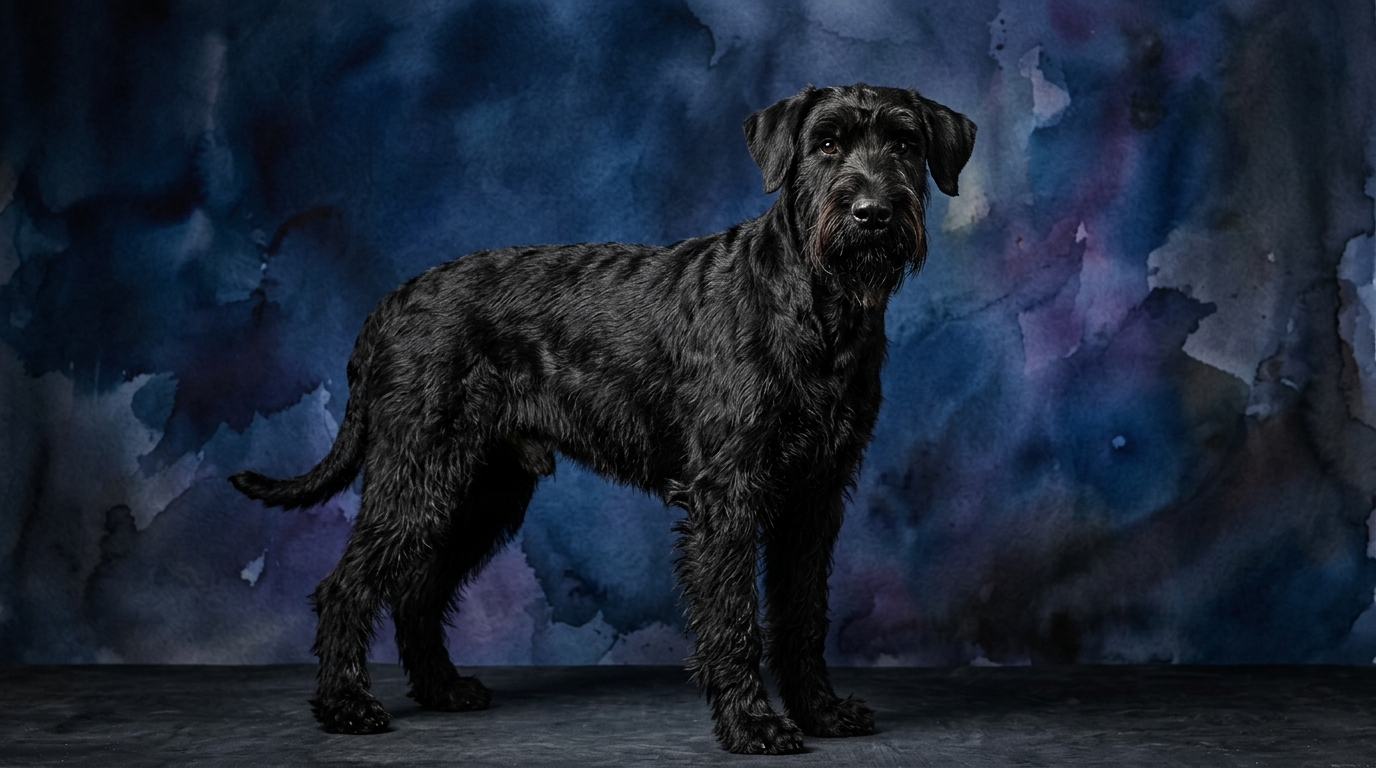
The Giant Schnauzer, with a Coren rank of #28, showcases a powerful and purposeful intellect. Their Problem Solving also scores 4/5, indicating a capability for complex thought, able to analyze situations and devise solutions, particularly in tasks requiring strategy, endurance, and physical engagement. They can be quite resourceful when faced with challenges. A Training Speed of 4/5 means they learn new tasks and commands efficiently, possessing a strong work ethic when properly motivated. They excel with consistent, clear instruction and purpose-driven training. Their Social Intelligence, rated 3/5, suggests that while loyal and protective of their families, their social acumen leans more towards discernment than broad gregariousness. They are perceptive but may be reserved with strangers and require thorough socialization to interpret novel social situations smoothly. An Instinctive Drive of 3/5 is robust in this working breed, manifesting as a desire for purpose, guarding instincts, and a strong protective nature that needs appropriate outlets. Their Memory also scores 4/5, holding onto learned information, commands, and experiences with impressive tenacity, making them reliable partners once trained.
Where the Pomeranian Wins Cognitively
The Pomeranian’s cognitive edge shines brightest in areas of social nuance and adaptability. With a Social Intelligence score of 4/5 compared to the Giant Schnauzer's 3/5, Pomeranians demonstrate a clearer cognitive advantage in navigating complex human social dynamics. They often excel at reading subtle human emotional cues, adapting their behavior with remarkable finesse to different household moods or social gatherings. This makes them particularly adept at being charming companions, understanding instinctively when to offer comfort or when to be a playful distraction. Their slightly higher Coren rank also reflects a broader capacity for adaptive learning in various contexts, often leveraging their size and perceived vulnerability to influence human behavior subtly. Their cognitive strength lies in their ability to integrate seamlessly into human social structures, often preempting needs or reacting appropriately to unspoken signals, a skill that requires acute observational intelligence and flexible response generation.
Where the Giant Schnauzer Wins Cognitively
While both breeds score 4/5 in Problem Solving, the Giant Schnauzer's cognitive strengths manifest uniquely, often intertwined with their working heritage and robust physicality. Their problem-solving excels in scenarios demanding sustained mental effort, strategic planning, and physical execution, such as advanced obedience routines, complex protection work, or intricate scent tracking over varied terrains. They exhibit a superior capacity for understanding multi-step commands and executing them over extended periods, showcasing a mental stamina that perfectly complements their physical endurance. This breed's instinctive drive (3/5), while numerically similar to the Pomeranian's, is channeled into a persistent, unyielding pursuit of tasks, allowing them to methodically work through challenges that require a more robust and less socially-dependent approach. Their cognitive 'win' is thus in the application of their problem-solving to tasks demanding grit, independence, and a formidable presence, where their physical and mental resilience combine for purposeful accomplishment.
Which is Easier to Train and Why
Both the Pomeranian and Giant Schnauzer share an impressive Training Speed score of 4/5, indicating they are both quick studies. However, the *ease* of training can differ significantly based on their other cognitive profiles and behavioral tendencies. The Pomeranian's higher Social Intelligence (4/5) often makes them more eager to please and highly responsive to positive reinforcement, especially when it involves social interaction and praise from their owner. They are often more sensitive to their trainer's moods and cues, which can make early training feel smoother and more intuitive, as they are often intrinsically motivated by connection. Their moderate instinctive drive means fewer strong predispositions to override, allowing for a more straightforward teaching process focused on compliance and companionship.
Conversely, while the Giant Schnauzer also learns quickly, their training requires a more assertive, consistent, and purpose-driven approach. Their 3/5 Social Intelligence suggests they are less swayed by appeasement and more by clear leadership and understanding the *why* behind a command. Their strong working breed instinctive drive, though also 3/5, is geared towards fulfilling a purpose, which means training needs to be engaging, challenging, and provide an outlet for their mental and physical energy. If not properly stimulated, their intelligence can lead to stubbornness or independent decision-making that might be perceived as difficult. Therefore, while both are capable learners, the Pomeranian might be considered 'easier' for novice owners due to their social compliance, whereas the Giant Schnauzer thrives under experienced trainers who can channel their formidable intellect and drive effectively.
Which Suits Active Owners vs. Relaxed Owners
The choice between a Pomeranian and a Giant Schnauzer largely depends on an owner's lifestyle and their capacity to meet a dog's cognitive and physical demands. A Pomeranian, while energetic for its size, generally suits a more relaxed owner or one who enjoys moderate activity. Their exercise needs can often be met with daily walks, indoor play, and engaging mental stimulation through puzzle toys or trick training. Their high social intelligence means they thrive on companionship and flourish in environments where they receive consistent interaction, making them excellent companions for individuals or families who are often home and enjoy a more intimate, conversational pet dynamic. They are adaptable to apartment living, provided their cognitive and social needs are consistently met.
The Giant Schnauzer, on the other hand, is unequivocally suited for highly active owners. Their working breed heritage demands significant daily physical exercise – not just casual walks, but vigorous activity like running, hiking, or structured dog sports. Crucially, their powerful problem-solving and instinctive drive require extensive mental stimulation, including advanced obedience, protection training, agility, or scent work. A relaxed owner who cannot commit to hours of daily engagement, both physical and mental, will likely find a Giant Schnauzer challenging, potentially leading to boredom, destructive behaviors, or an independent streak that's difficult to manage. They thrive with owners who enjoy a partnership in activity and training, viewing their dog as a capable working companion.
The Verdict
Opt for a Pomeranian if you seek a highly socially intelligent, adaptable companion who thrives on close interaction and can flourish with moderate exercise and consistent mental engagement in a home environment.
Select a Giant Schnauzer if you are an experienced, highly active owner committed to providing extensive physical exercise, advanced training, and purpose-driven mental challenges for a powerful, discerning, and protective partner.
🧠 Find Your Pet's IQ Score
Our Pet IQ Lab assessment covers 25+ tests across 5 cognitive dimensions — personalized to your breed.
Take the Full IQ Test →Frequently Asked Questions
Do Pomeranians bark a lot due to their intelligence?
Pomeranians often use barking as a communication tool, reflecting their high social intelligence and alertness. It's not a sign of low intelligence, but rather a vocal expression of their observations, territorial instincts, or desire for attention, which can be managed with consistent training.
Are Giant Schnauzers good with children, given their lower social intelligence score?
Giant Schnauzers can be excellent with children when properly socialized from a young age and raised within the family. Their 3/5 social intelligence means they might be more reserved or discerning, requiring careful introductions and supervision, but their loyalty and protective instincts can make them devoted family guardians.
Does Coren rank directly correlate with ease of training?
While Coren rank is a general indicator of working and obedience intelligence, it doesn't solely determine ease of training. Factors like training speed, social intelligence, and instinctive drive, as highlighted by our IQ scores, offer a more nuanced view, as a dog's willingness and context-specific intelligence play a significant role.