Side-by-Side Cognitive Profiles
Our analysis begins with the detailed IQ profiles for each breed, highlighting their strengths and tendencies across five key dimensions. These scores provide a framework for understanding their inherent cognitive leanings.
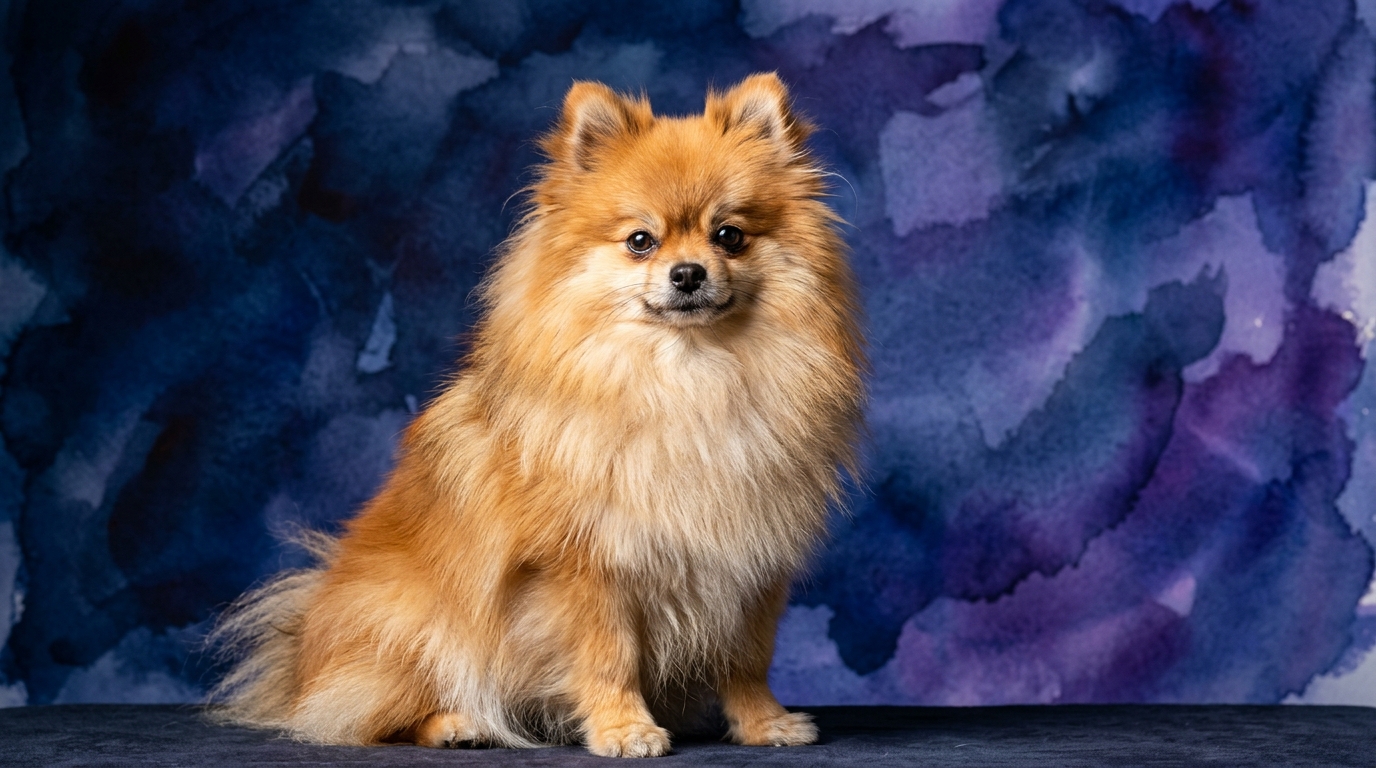
The Pomeranian, ranking #23 on the Coren scale, presents a profile indicating a generally adaptable and quick-witted companion. Their Problem Solving is rated 4/5, showing a good capacity for figuring out novel situations, often employing clever strategies to get what they want or navigate obstacles. Training Speed is also 4/5, meaning they quickly grasp and retain new commands, making them responsive pupils when motivation is high. Social Intelligence at 4/5 suggests Poms exhibit a strong understanding of social dynamics, adept at reading human emotions and intentions, and often using this awareness to their advantage. Their Instinctive Drive is 3/5; while they possess some inherent drives like barking or guarding, these are generally moderate and can be channeled. Finally, Memory is 4/5, indicating a solid recall for routines, commands, and past experiences, allowing them to adapt based on previous encounters.
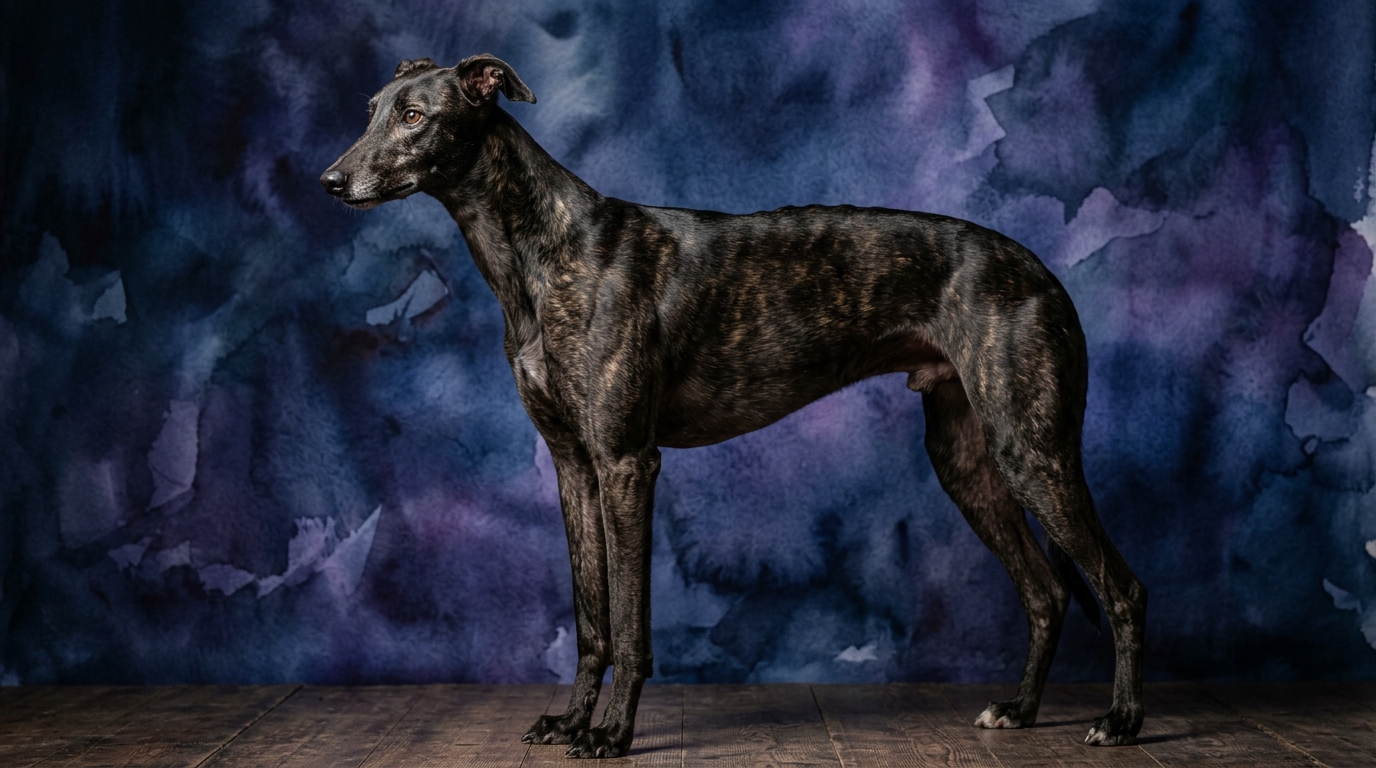
The Greyhound, with a Coren ranking of #46, showcases a different set of cognitive priorities, heavily influenced by their sighthound heritage. Their Problem Solving is 3/5; Greyhounds approach problems with a more direct, often less analytical, style, relying on instinct or learned patterns rather than intricate strategic thinking. Training Speed is 2/5, meaning their learning curve for new commands can be more gradual, requiring consistent, patient repetition. Social Intelligence is 3/5; Greyhounds are generally gentle and sensitive, understanding social cues, but might be less inclined to actively manipulate or engage in complex social strategies. A standout is their Instinctive Drive at 5/5, a powerful prey drive, an overwhelming instinct to chase anything that moves quickly. Memory is 3/5, suggesting a functional memory for established routines and familiar commands, but they might not recall specific past events with the same detail or apply lessons from them as readily in varied contexts.
Where the Pomeranian Shines Cognitively
Pomeranians typically demonstrate a higher aptitude for navigating complex situations, often using observation and trial-and-error to achieve desired outcomes. For instance, they might more readily figure out how to open a child-proof gate or retrieve a toy from an unusual spot that requires a series of actions. Their Problem Solving score of 4/5 reflects this capacity for inventive solutions and persistence.
Their quicker absorption of new commands and concepts gives them a distinct edge in learning various tricks or advanced obedience. With a Training Speed of 4/5, a Pomeranian might master a multi-step routine with fewer repetitions than many other breeds, enthusiastically engaging in the learning process and quickly making the cognitive connections required.
Pomeranians often excel at reading and responding to subtle human cues, adapting their behavior to elicit specific reactions. This keen awareness, reflected in their 4/5 Social Intelligence, allows them to form intricate communication patterns with their owners, understanding household dynamics and learning quickly who responds to certain barks or behaviors, employing these observations to navigate social scenarios and secure attention or comfort.
With a Memory score of 4/5, Poms generally show a more robust recall for past experiences and learned behaviors. This means they are less likely to 'forget' a command they haven't practiced recently or repeat a mistake they've been corrected for, allowing for more cumulative learning over time and a greater ability to anticipate routines.
Where the Greyhound Excels Cognitively
The Greyhound's unparalleled Instinctive Drive, specifically its prey drive, is a profound cognitive strength in its own right, rated 5/5. While sometimes challenging for owners in a domestic setting, this drive represents a highly specialized and deeply ingrained form of intelligence optimized for pursuit and capture. This isn't about complex thought but about swift, decisive, and focused action dictated by ancient programming, allowing them to react with incredible speed and precision to visual stimuli. This powerful, inherent programming means their attention can be instantly captivated by movement, overriding other learned behaviors. It's a specialized form of intelligence, prioritizing survival and pursuit above all else, defining their physical and mental responses in specific situations.
Training Dynamics: Pomeranian vs. Greyhound
Pomeranians generally present as the easier breed to train due to their higher scores in Problem Solving, Training Speed, and Memory. Their eagerness to please, coupled with their capacity to quickly understand what is expected, makes them highly responsive to positive reinforcement. For instance, a Pomeranian is more likely to make the cognitive leap from 'sit' to 'stay' with fewer sessions, and their robust memory means they retain these commands effectively. Their enthusiasm for learning, combined with a desire to please, makes them highly receptive to new commands and routines, often grasping concepts after just a few repetitions, making them ideal for owners interested in trick training or advanced obedience.
Greyhounds, while capable of learning, require a different approach. Their lower Training Speed score (2/5) indicates that new concepts take more repetition to solidify. Their powerful instinctive drive, particularly the prey drive, can also be a significant distraction, making it harder to maintain focus during training sessions, especially in stimulating outdoor environments. While gentle and sensitive, their cognitive process is less about intricate problem-solving for human-centric tasks and more about reacting to their environment, which means training must be highly consistent, patient, and often less reliant on complex sequences. They respond best to clear, calm instruction and positive reinforcement, but their independent nature and lower memory recall for novel commands mean progress can be slower and requires sustained, understanding effort.
Matching Breeds to Lifestyles
Pomeranians are adaptable but often suit owners who enjoy interactive engagement, whether through playful training sessions, short walks, or mentally stimulating games indoors. While they don't require marathon runs, their cognitive needs benefit from consistent mental enrichment and social interaction. They thrive with owners who appreciate their spirited, often bossy, personality and can provide regular opportunities for learning and connection. Their desire to be involved and their quick wit means they enjoy being part of family activities and are often the center of attention, making them a good fit for active, engaging households.
Greyhounds, surprisingly for a racing breed, often suit relaxed owners who appreciate a calm, quiet companion once their daily exercise needs are met. While they possess an explosive burst of speed and absolutely require opportunities for off-leash running in a secure area, they are renowned '45 mph couch potatoes.' They are generally low-energy indoors, preferring to nap and lounge for long periods. Owners who understand their need for a good sprint but also value a serene home environment will find a Greyhound to be a perfect fit. They don't demand constant mental engagement in the same way a Pomeranian might; their cognitive focus is often on comfort, routine, and observing their surroundings with quiet dignity.
The Verdict
If you seek a cognitively agile companion eager for interactive training, social engagement, and a dog that quickly grasps new concepts and remembers them, the spirited Pomeranian is an excellent choice.
If you appreciate a calm, gentle companion with a profound, specialized instinct for speed, and you are willing to accommodate their unique exercise needs while enjoying their quiet, relaxed presence indoors, the elegant Greyhound will be a rewarding partner.
🧠 Find Your Pet's IQ Score
Our Pet IQ Lab assessment covers 25+ tests across 5 cognitive dimensions — personalized to your breed.
Take the Full IQ Test →Frequently Asked Questions
Do Pomeranians require a lot of mental stimulation?
Yes, Pomeranians benefit significantly from regular mental engagement. Their problem-solving abilities and quick learning mean they thrive on puzzles, new tricks, and consistent interaction to prevent boredom and channel their cognitive energy constructively.
Is it difficult to train a Greyhound to ignore prey?
Training a Greyhound to ignore its strong prey drive is one of the most significant challenges for owners. While consistent training and a secure environment are crucial, completely eliminating this deeply ingrained instinct is often unrealistic; management and redirection are key strategies.
How do their social intelligence scores impact their suitability for families?
Both breeds have good social intelligence, but in different ways. Pomeranians might be more outwardly expressive and manipulative in social interactions, while Greyhounds are often more reserved, forming deep, gentle bonds with family members, particularly with children who understand their sensitive nature.