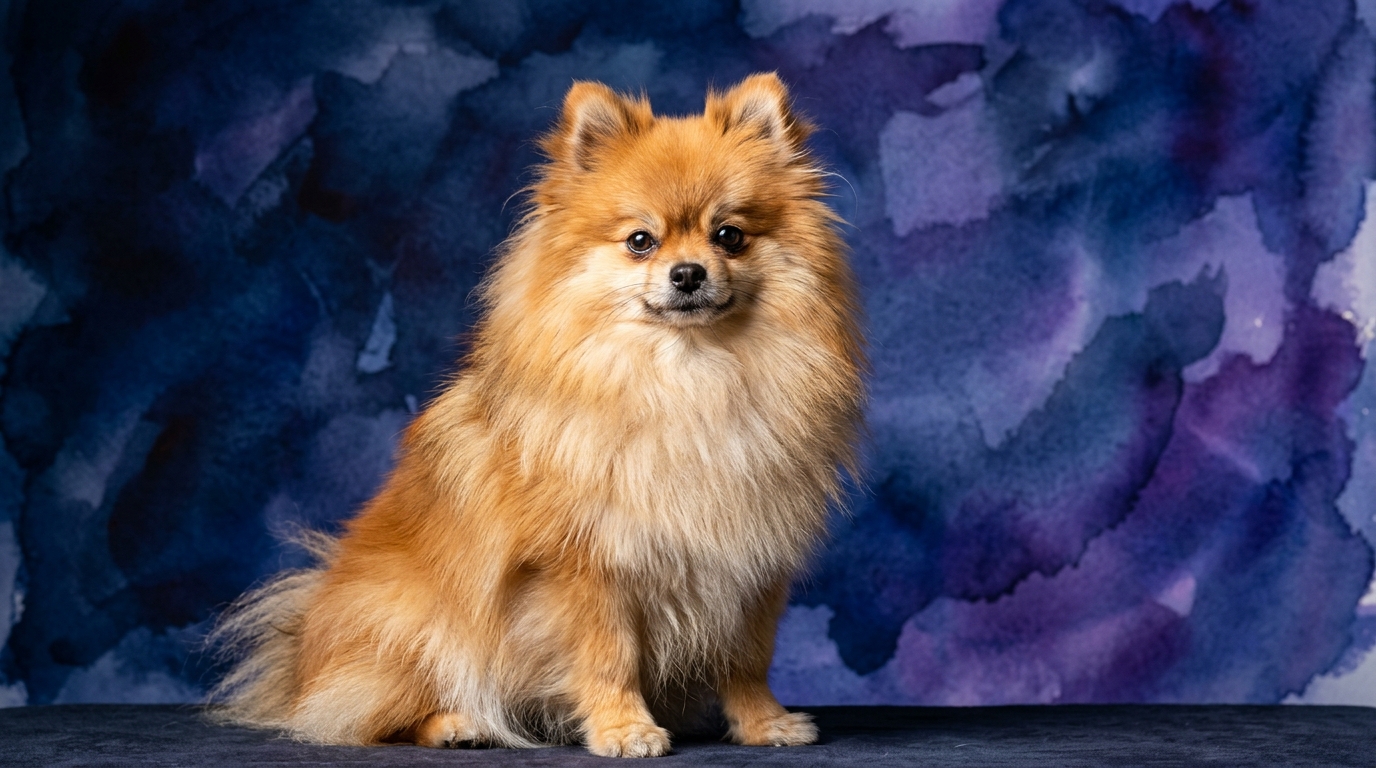
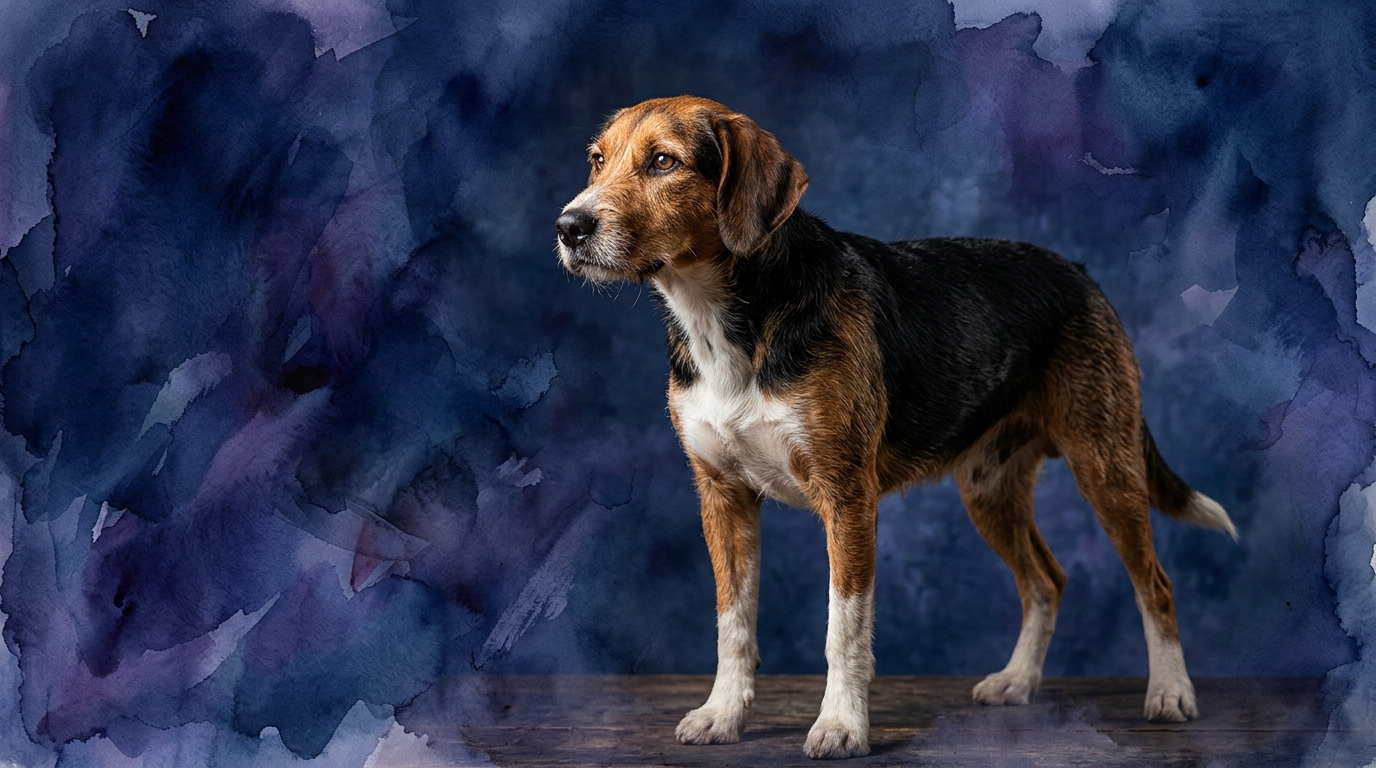
Side-by-Side Cognitive Profiles: Pomeranian vs. Harrier
The Cosmic Pet Pet IQ Lab provides a detailed breakdown of canine cognition across five crucial dimensions, offering a unique lens through which to understand the Pomeranian and Harrier. For the Pomeranian, a Toy breed ranked #23 by Coren, its scores reflect an agile and socially aware companion. Its Problem Solving is rated 4/5, indicating a strong capacity for figuring out novel challenges, often with a clever, non-physical approach. Training Speed also stands at 4/5, showcasing a quick uptake of commands and a general eagerness to learn. Social Intelligence, at 4/5, highlights their adeptness at understanding and responding to human and canine social cues, fostering deep bonds. Instinctive Drive is 3/5, manifesting as alertness and communication rather than intense working tasks. Finally, Memory is 4/5, suggesting excellent retention of routines and learned behaviors.
In contrast, the Harrier, a Hound breed not ranked by Coren, presents a profile more aligned with its historical working role. Its Problem Solving is rated 3/5, typically leaning towards persistent exploration or scent-driven solutions rather than abstract reasoning. Training Speed is 3/5, meaning they are trainable but may require more patience and consistency, often influenced by their strong sensory focus. Social Intelligence is 3/5, indicating competence in group dynamics and clear communication, though perhaps less nuanced in interpreting human emotions compared to companion breeds. Instinctive Drive, also 3/5, is profoundly tied to tracking and pursuit, shaping much of their motivation and focus. Memory is 3/5, functional for routines but potentially overshadowed by compelling external stimuli, especially scents, which can impact immediate recall of learned commands.
Where the Pomeranian Shines Cognitively
The Pomeranian consistently outshines the Harrier in several key cognitive dimensions, primarily due to its specialized development as a companion animal. With a problem-solving score of 4/5 compared to the Harrier's 3/5, Pomeranians demonstrate a quicker aptitude for navigating novel situations and figuring out solutions that don't rely solely on instinct. Their capacity to manipulate objects or strategize for desired outcomes appears more pronounced. This isn't to say Harriers are incapable, but their approach is often more direct or scent-driven, whereas Poms can exhibit a more analytical, albeit small-scale, cunning. Furthermore, the Pomeranian's social intelligence, also rated 4/5 against the Harrier's 3/5, underscores their superior ability to interpret and respond to human emotions and social cues. They are often more attuned to the nuances of household dynamics, readily adjusting their behavior based on subtle shifts in human mood or interaction. This makes them exceptionally responsive companions, capable of forming intricate social bonds and contributing to a harmonious home environment in a way that requires a sophisticated understanding of interpersonal communication. Their memory, rated 4/5, also surpasses the Harrier's 3/5, meaning they typically retain learned information and routines with greater fidelity over time, aiding in consistent behavior and command recall.
Harrier's Unique Cognitive Strengths
While the Pomeranian excels in social and abstract problem-solving, the Harrier's cognitive strengths lie in areas deeply rooted in its heritage as a scent hound, particularly within its instinctive drive. Both breeds share an instinctive drive rating of 3/5, but the *nature* of this drive differs significantly, giving the Harrier a distinct advantage in specific contexts. The Harrier's instinctive drive is a finely tuned instrument for tracking and sustained pursuit, a complex cognitive process involving pattern recognition, scent discrimination, and environmental mapping. This isn't just a simple urge; it’s a sophisticated, goal-oriented behavior that requires immense focus and a unique form of problem-solving centered around following a trail, often over varied and challenging terrain. A Harrier's ability to 'work a line' or differentiate between multiple overlapping scents demonstrates a cognitive specialization that a Pomeranian, bred for companionship, simply doesn't possess to the same degree. While the Pomeranian's instincts might manifest as vigilance or territorial barking, the Harrier's drive is about processing a vast amount of sensory data to achieve a specific, physical objective. This cognitive framework, though not reflected in a higher numerical score for 'instinctive drive' in a general sense, represents a profound and highly developed form of intelligence for its intended purpose, allowing them to excel in tasks requiring sustained olfactory and navigational focus.
Training Dynamics: Responsiveness vs. Independence
When considering ease of training, the Pomeranian generally presents a more straightforward experience for most owners, largely due to its superior scores in training speed (4/5) and social intelligence (4/5). Pomeranians tend to be highly motivated by human interaction and praise, and their quick grasp of new commands means they often learn basic obedience cues within fewer repetitions. Their inherent desire to please their human companions, coupled with their ability to read social cues, makes them receptive students. They are often eager to engage in training sessions, viewing them as opportunities for positive interaction. In contrast, the Harrier, with a training speed of 3/5, may require more patience and consistent effort. Harriers are independent thinkers, and their strong instinctive drive, particularly their focus on scent, can make them easily distracted during training. A compelling smell can often override a command, demanding a trainer's unwavering attention and creative strategies to maintain focus. While trainable, their hound nature means they are less inherently driven to conform purely for human approval and more likely to follow their noses. Therefore, real behavioral differences manifest as a Pomeranian's quicker adoption of polite manners and tricks, whereas a Harrier might be more challenging in recall or off-leash situations due to its predisposition to follow a trail, requiring more intensive and consistent reinforcement tailored to its specific motivations.
Matching Canine Cognition to Lifestyle
The choice between a Pomeranian and a Harrier also hinges significantly on an owner's lifestyle and activity level. Pomeranians, despite their spirited nature and respectable instinctive drive (3/5), are generally better suited for relaxed owners or those with moderate activity levels. Their exercise needs can often be met with indoor play, short walks, and mental stimulation through puzzle toys or training sessions. While they enjoy being active, their small size means they don't demand extensive, high-impact outdoor excursions. They thrive on companionship and are content to be involved in daily household routines, making them excellent companions for apartment dwellers or individuals seeking a less physically demanding canine partner. Conversely, the Harrier, with its deep-seated instinctive drive (3/5) geared towards pursuit and its heritage as a working hound, is undeniably a better fit for active owners. These dogs require substantial daily exercise, including long walks, runs, or opportunities to engage their olfactory senses through scent work or secure off-leash exploration. A Harrier that doesn't receive adequate physical and mental stimulation can become restless or engage in destructive behaviors. They are ideal for individuals who enjoy outdoor activities, hiking, or even participating in dog sports like tracking or agility, where their robust energy and keen nose can be fully utilized. A relaxed owner might find themselves overwhelmed by a Harrier's persistent need for activity.
The Verdict
Choose the Pomeranian if you prioritize a highly responsive companion eager to learn, adept at social cues, and content with moderate activity, fitting seamlessly into a less demanding home environment.
Opt for the Harrier if you are an active individual or family seeking a robust, scent-driven companion who thrives on extensive outdoor activity and enjoys engaging its powerful instincts in structured pursuits.
🧠 Find Your Pet's IQ Score
Our Pet IQ Lab assessment covers 25+ tests across 5 cognitive dimensions — personalized to your breed.
Take the Full IQ Test →Frequently Asked Questions
Do Pomeranians bark a lot due to their intelligence?
Pomeranians, with their 4/5 social intelligence and 3/5 instinctive drive for alertness, are often vocal. Their barking is less about general intelligence and more about their role as vigilant companions, communicating perceived threats or excitement, which is a specific application of their cognitive awareness.
Is a Harrier's 3/5 instinctive drive a disadvantage for a pet owner?
A Harrier's 3/5 instinctive drive, focused on scent and pursuit, isn't inherently a disadvantage but requires specific management. For a pet owner, it means providing ample opportunities for controlled scent work and secure exercise to satisfy this natural urge, preventing it from manifesting as undesirable behaviors like wandering.
Can a Harrier be as affectionate as a Pomeranian despite the intelligence differences?
While Pomeranians rate higher in social intelligence (4/5) for nuanced human interaction, Harriers (3/5) are certainly affectionate within their own communicative style. Their affection might be expressed through robust play or leaning, rather than subtle cues, forming strong bonds with their human 'pack' through consistent companionship.