Side-by-Side IQ Profile: Pomeranian vs. Havanese
Understanding a dog's cognitive strengths across various dimensions provides valuable insight into their potential for learning, adaptability, and companionship. The Cosmic Pet Pet IQ Lab employs a comprehensive framework, assessing five key intelligence dimensions: Problem Solving, Training Speed, Social Intelligence, Instinctive Drive, and Memory. Let's examine how the Pomeranian and Havanese measure up.
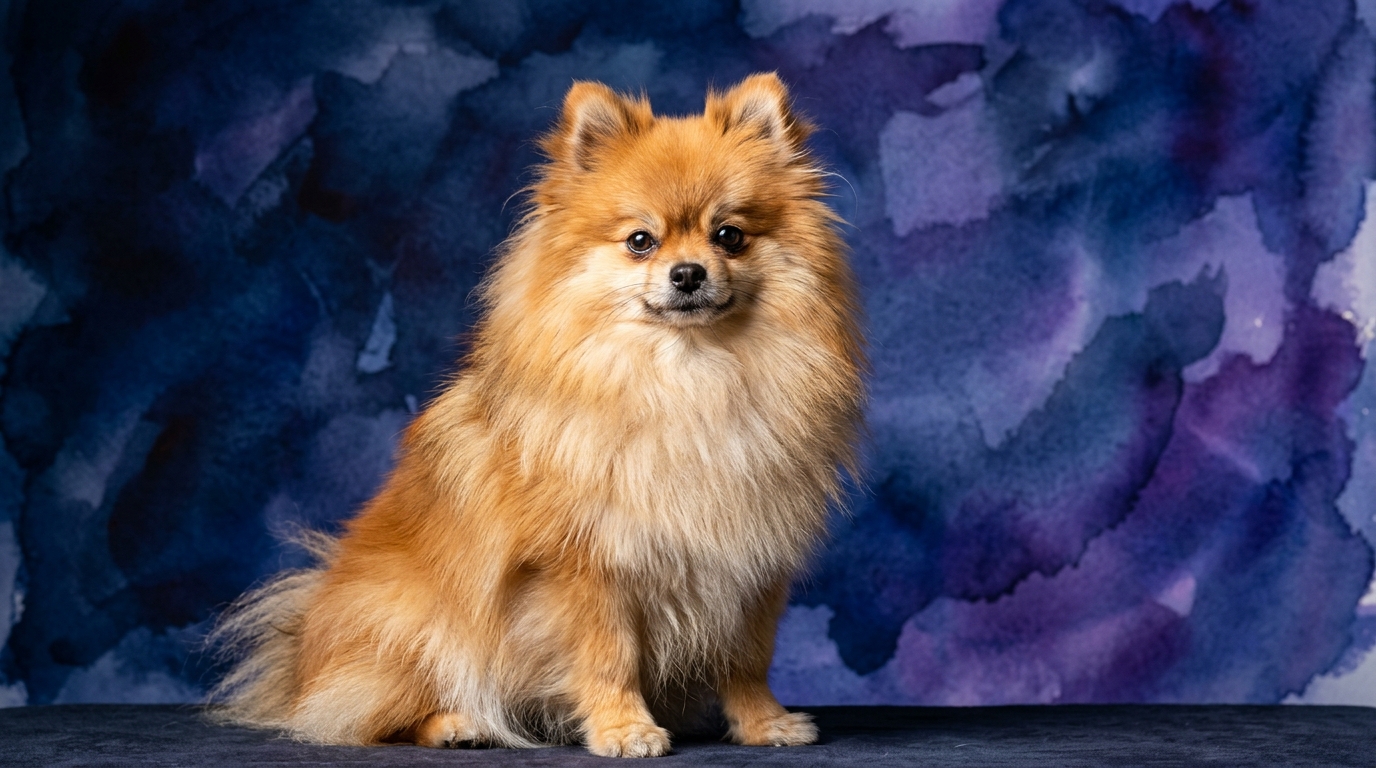
The Pomeranian, a breed ranked #23 by Stanley Coren for working and obedience intelligence, displays a robust cognitive profile. Their Problem Solving score of 4/5 indicates a strong capacity to independently navigate novel challenges and figure out complex situations, often showing ingenuity in achieving their goals. With a Training Speed of 4/5, Pomeranians typically grasp new commands and behaviors quite rapidly, making them receptive students in structured learning environments. Their Social Intelligence, rated at 4/5, means they are generally adept at interpreting human cues and intentions, though they maintain a degree of independent spirit. An Instinctive Drive of 3/5 reflects a moderate inclination towards natural dog behaviors like alert barking or chasing, which can sometimes manifest as a spirited curiosity. Finally, their Memory score of 4/5 suggests excellent retention of learned skills and past experiences, contributing to consistent behavior over time.
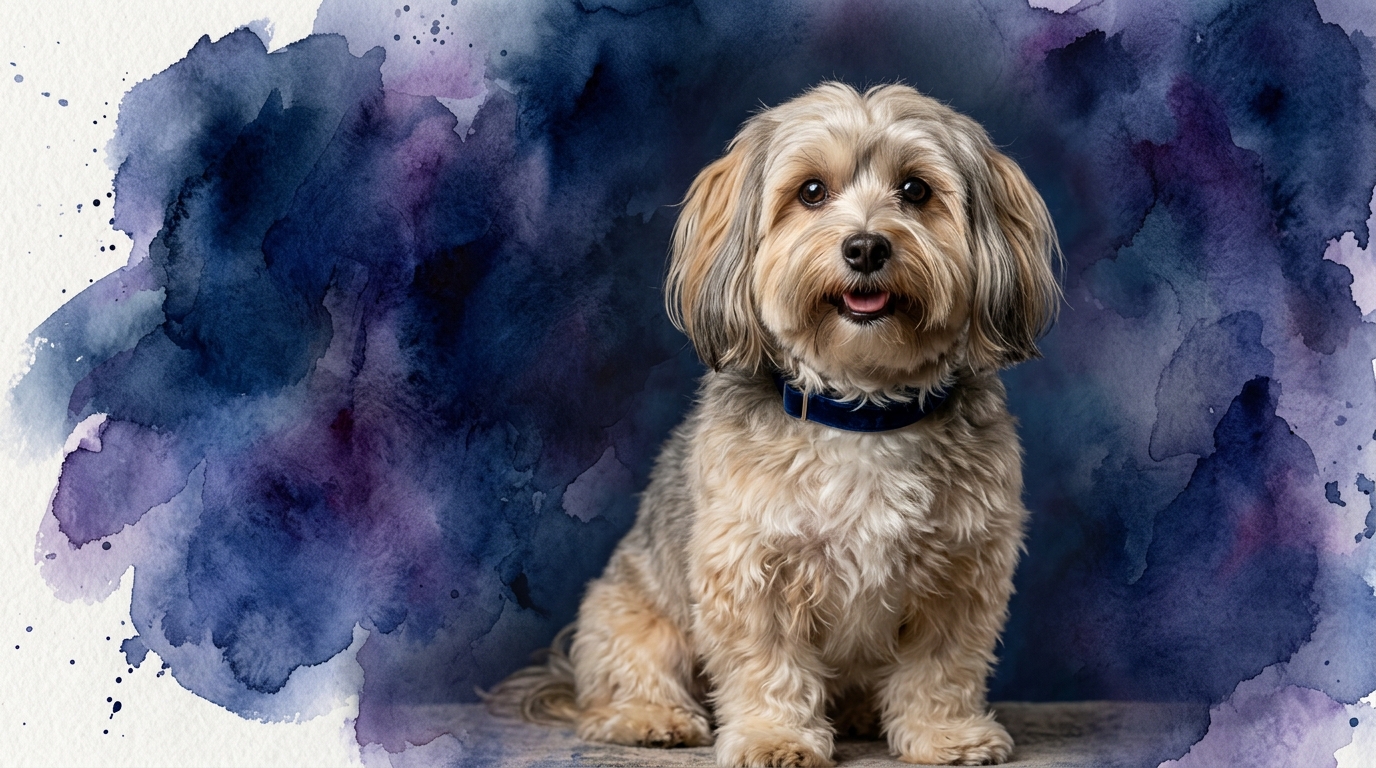
In contrast, the Havanese, while not specifically ranked by Coren, offers a distinct and equally compelling cognitive blueprint centered around companionship. Their Problem Solving ability, at 3/5, indicates they can resolve challenges but might benefit from more guidance or repetition compared to a Pomeranian. The Havanese exhibits a Training Speed of 3/5, meaning they learn at a steady, moderate pace, requiring consistent reinforcement to master new commands. Where the Havanese truly shines is in Social Intelligence, earning a perfect 5/5; this breed possesses an extraordinary capacity for emotional attunement, deeply understanding and responding to human moods and social dynamics. Their Instinctive Drive is lower at 2/5, signifying a reduced inclination towards independent, task-oriented behaviors, preferring instead to focus on human interaction. A Memory score of 3/5 suggests they retain information adequately, though consistent practice helps solidify their learning.
Where the Pomeranian Wins Cognitively
The Pomeranian's cognitive advantages are most apparent in areas demanding independent thought and rapid assimilation of new information. Their superior Problem Solving score of 4/5 means they are often quicker to analyze and overcome obstacles, whether it's figuring out how to access a favorite toy or navigating a new environment. This breed's 4/5 Training Speed allows them to pick up new commands and complex sequences with fewer repetitions, making them highly responsive in structured training sessions. Furthermore, a Memory score of 4/5 ensures that once a lesson is learned, it tends to stick, enabling them to reliably recall a wide repertoire of behaviors and routines over extended periods.
Where the Havanese Wins Cognitively
The Havanese undeniably excels in the realm of social cognition, securing an impressive 5/5 in Social Intelligence. This indicates an unparalleled ability to connect with and understand their human companions on a profound emotional level. Havanese are remarkably adept at reading subtle cues, anticipating moods, and offering comfort or playful engagement precisely when needed, fostering an incredibly deep bond. Their cognitive architecture is geared towards fostering harmonious relationships, making them exceptional emotional support animals and family companions. This strength is further supported by their lower Instinctive Drive (2/5), meaning their focus is less on independent pursuits and more on maintaining close proximity and interaction with their people.
Which is Easier to Train and Why
Determining which breed is 'easier' to train depends significantly on an owner's definition of 'easy' and their training style. The Pomeranian, with its 4/5 Training Speed and 4/5 Problem Solving, often learns commands more quickly and can generalize behaviors to new contexts with relative ease. They thrive on mental challenges and can excel in activities requiring precision and independent thought, such as agility or learning intricate tricks. However, their 3/5 Instinctive Drive means they can sometimes be more opinionated or prone to following their own impulses if not consistently engaged and motivated. An owner must provide varied stimulation to keep a Pomeranian keen on learning.
Conversely, the Havanese, despite lower scores in Training Speed (3/5) and Problem Solving (3/5), often presents as a highly cooperative student due to its extraordinary 5/5 Social Intelligence and low 2/5 Instinctive Drive. While they may take more repetitions to master a new command, their overwhelming desire to please their human and maintain a close connection serves as a powerful motivator. They are less likely to be distracted by independent pursuits and more focused on their handler's cues, making them highly responsive to positive reinforcement and praise. For an owner who values eager compliance and a strong bond over sheer speed of acquisition, the Havanese can feel remarkably straightforward to train, as their primary cognitive driver is pleasing their person.
Which Suits Active Owners vs. Relaxed Owners
The cognitive profiles of these two toy breeds also guide their suitability for different owner lifestyles. Pomeranians, with their higher Problem Solving (4/5) and moderate Instinctive Drive (3/5), thrive with owners who enjoy providing consistent mental stimulation and structured activities. They are excellent candidates for learning complex trick routines, participating in canine sports like rally or obedience, and exploring new environments that challenge their intellect. An active owner who delights in engaging their dog's quick mind and spirited nature will find a Pomeranian a rewarding partner, eager for adventures and learning opportunities.
The Havanese, on the other hand, with its unparalleled Social Intelligence (5/5) and low Instinctive Drive (2/5), is perfectly suited for owners who prioritize companionship, emotional connection, and a more relaxed pace of life. They are content with moderate daily walks and thrive on being an integral part of their family's daily routines, often choosing to simply be near their human. While they enjoy learning, their cognitive strength lies in their ability to offer unwavering emotional support and deep affection. A relaxed owner seeking a devoted, empathetic shadow who cherishes cuddles and shared quiet moments will find the Havanese an ideal match, as their primary 'activity' is being present and connected.
The Verdict
For owners seeking a spirited, quick-witted companion who enjoys learning complex tricks and thrives on mental engagement, and who can appreciate a dog with a bit more independent spark, the Pomeranian is an excellent choice.
Conversely, for individuals or families desiring a deeply empathetic, highly social, and devoted companion who finds immense joy in close human connection and whose training success often stems from their eagerness to please and bond, the Havanese will be an ideal family member.
🧠 Find Your Pet's IQ Score
Our Pet IQ Lab assessment covers 25+ tests across 5 cognitive dimensions — personalized to your breed.
Take the Full IQ Test →Frequently Asked Questions
Does Coren rank influence these IQ scores?
Coren's ranking primarily assesses "working and obedience intelligence," which correlates strongly with training speed and problem-solving. While the Pomeranian's #23 rank aligns with its higher scores in these areas, the Havanese's lack of a specific Coren rank doesn't diminish its unique cognitive strengths, particularly in social intelligence, which Coren's scale doesn't explicitly prioritize.
Are Pomeranians more stubborn than Havanese?
Pomeranians, with their higher instinctive drive and problem-solving ability, can sometimes appear more independent or "stubborn" if they perceive a task as unrewarding or if they'd rather pursue their own interests. Havanese, driven by their strong social intelligence, are generally more eager to please and less likely to resist commands, making them seem more compliant.
Can Havanese learn complex tricks despite lower problem-solving scores?
Absolutely. While their problem-solving score is 3/5, their exceptional social intelligence and eagerness to please make them highly trainable for tricks. They might require more repetition or clearer guidance than a Pomeranian, but their motivation to interact and gain approval from their owner can lead to impressive learning outcomes.