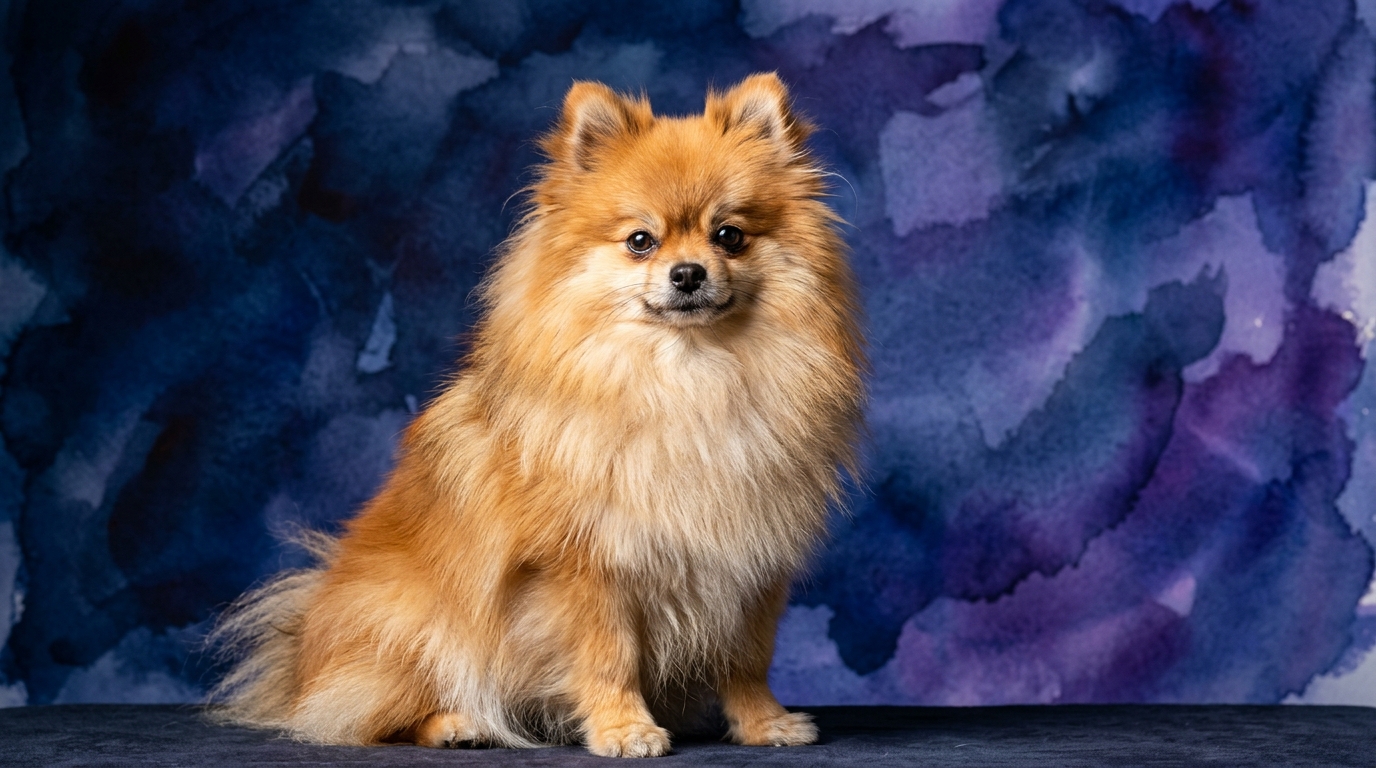
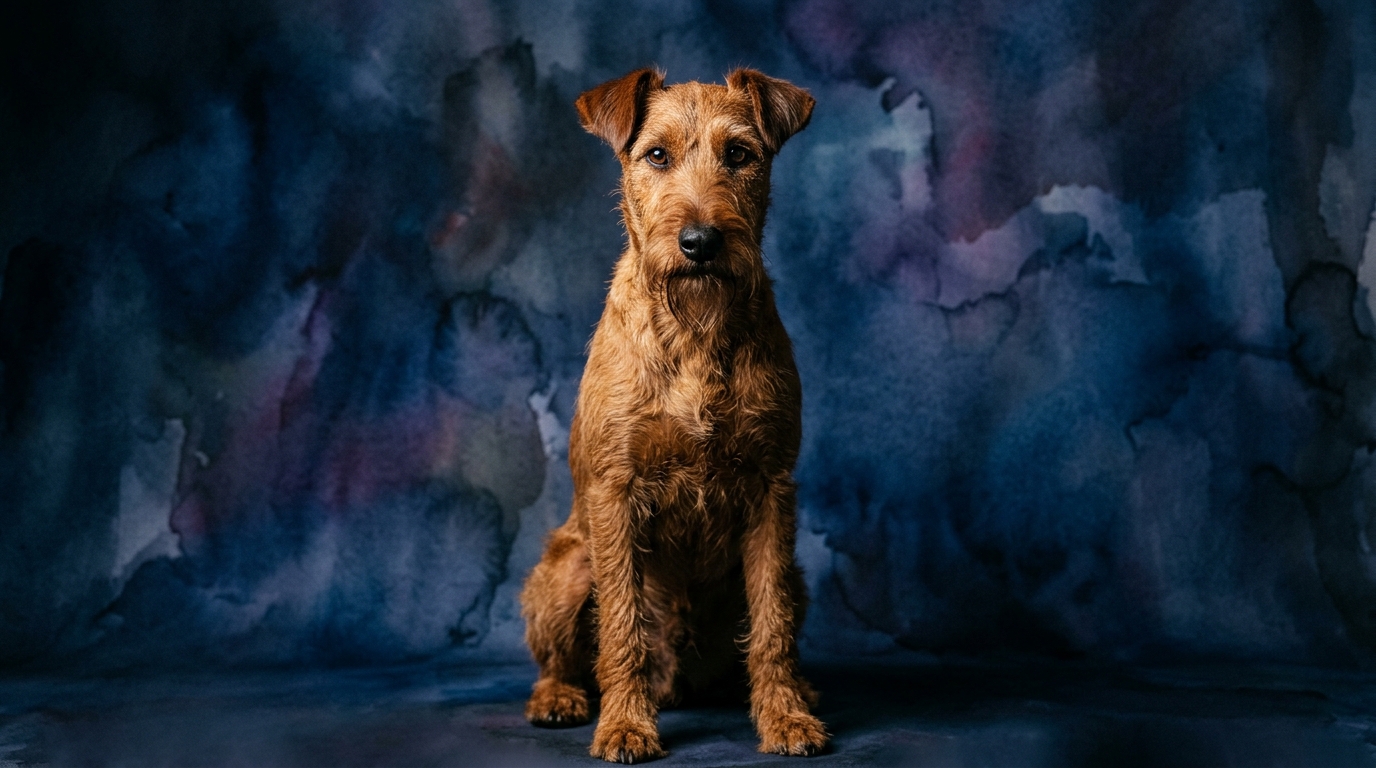
Side-by-Side IQ Profile: Pomeranian vs. Irish Terrier
The Cosmic Pet Pet IQ Lab employs a multi-dimensional approach to assess canine cognition, moving beyond simplistic 'smartness' metrics to evaluate specific aptitudes. For the Pomeranian, a breed ranked #23 by Coren, we observe a strong overall cognitive profile. They score 4/5 in Problem Solving, indicating a nimble mind capable of navigating new challenges and figuring out puzzles with relative ease. Their Training Speed also stands at 4/5, suggesting a quick grasp of new commands and an eagerness to learn. Social Intelligence is rated 4/5, reflecting their adeptness at reading human cues and integrating into family dynamics. Instinctive Drive is a moderate 3/5, manifesting as alertness and a manageable level of prey drive. Finally, their Memory is rated 4/5, signifying a robust ability to retain learned behaviors and routines.
The Irish Terrier, while not Coren-ranked, presents a different, yet equally compelling, cognitive blueprint. Their Problem Solving capability is rated 3/5, characterized by a resourceful and often persistent approach, though perhaps less abstract than the Pomeranian's. Training Speed is also 3/5, indicating they learn steadily but often with a strong independent streak that requires consistent, engaging methods. Social Intelligence scores 3/5; they form deep bonds with their chosen family but can be more discerning or reserved with outsiders, demonstrating a clear understanding of their inner circle. Their Instinctive Drive is 3/5, a score that, in a terrier, translates to a tenacious prey drive, a strong investigative urge, and a determined approach to digging or scent work. Memory is rated 3/5, meaning they retain important information and routines but may require more repetition for complex, less intrinsically motivating tasks.
Where the Pomeranian Wins Cognitively
The Pomeranian's cognitive strengths shine in areas requiring mental agility and a keen understanding of human social structures. Their 4/5 Problem Solving score means they are often quicker to grasp the mechanics of novel toys or to devise clever strategies to obtain a desired treat, often by observing and adapting. This translates into a dog that can quickly learn to navigate household challenges, like figuring out how to open a cabinet or signal their needs effectively.
With a Training Speed of 4/5, Pomeranians typically absorb new commands and multi-step routines rapidly. They tend to relish the interaction that comes with training, often exhibiting a strong desire to engage with their handler and earn praise or rewards. This makes them exceptional candidates for advanced obedience, agility, or trick training, where their quick uptake and retention are significant advantages.
Their 4/5 Social Intelligence allows them to be remarkably attuned to human emotions and intentions. A Pomeranian is often adept at sensing a change in mood and responding appropriately, whether by offering comfort or giving space. This makes them highly adaptable companions, capable of seamlessly integrating into diverse household dynamics and forming strong, empathetic bonds with family members. Their superior Memory (4/5) further enhances this, as they recall specific interactions, routines, and even subtle social cues over extended periods, contributing to their reputation as responsive and perceptive companions.
Where the Irish Terrier Wins Cognitively
While their numerical scores might be lower in some categories, the Irish Terrier's cognitive profile represents a distinct set of strengths, particularly in areas demanding tenacity, resilience, and independent decision-making. Their Problem Solving score of 3/5, coupled with their Instinctive Drive of 3/5, describes a dog that excels at practical, persistent problem-solving. Faced with an obstacle, an Irish Terrier is less likely to seek a clever workaround and more likely to apply unwavering determination, trying multiple physical approaches until the task is complete, whether it's digging under a fence or retrieving a hidden object. This 'never give up' attitude is a significant cognitive asset for specific tasks.
The nature of their Instinctive Drive is a key cognitive advantage for certain lifestyles. While rated 3/5, this drive is geared towards focused pursuit and investigation. This means they possess a remarkable ability to concentrate on a task, like tracking a scent or patrolling a yard, with single-minded intensity. This persistence, combined with their 3/5 Memory, allows them to recall and execute complex hunting or working patterns effectively, even if the initial learning takes more effort. Their independence, a facet of their cognitive makeup, enables them to make decisions and act decisively without constant human direction, a trait historically crucial for a working terrier.
Furthermore, their Social Intelligence (3/5) manifests as a deep, unwavering loyalty to their immediate family, often accompanied by a discerning nature towards strangers. This isn't a deficit but a focused social strategy, indicating a strong 'pack' mentality where their protective instincts and bond are keenly directed towards their inner circle. This selective social intelligence means they are highly perceptive of their family's needs and dynamics, even if they are less universally gregarious than some other breeds.
Which is Easier to Train and Why
When considering ease of training, the Pomeranian generally presents a more straightforward experience for most owners. Their 4/5 Training Speed means they pick up new commands and cues rapidly, often requiring fewer repetitions to solidify a behavior. This is compounded by their 4/5 Social Intelligence, which makes them highly attuned to their handler's intentions, tone of voice, and body language. They tend to be eager to please and respond well to positive reinforcement, quickly forming associations between their actions and desired rewards. Their strong memory (4/5) ensures that once a behavior is learned, it is retained effectively, reducing the need for constant refresher training.
The Irish Terrier, with a Training Speed of 3/5, requires a different approach. While capable of learning, their inherent independence and strong instinctive drive (3/5) mean they are often more self-motivated and less inherently 'eager to please' in the traditional sense. Training an Irish Terrier demands patience, consistency, and a deep understanding of their terrier mindset. Owners must make training engaging and relevant, as a bored Irish Terrier will quickly find more interesting, often self-directed, activities. Their tenacity, while a cognitive strength in problem-solving, can manifest as stubbornness in training if they perceive a command as less compelling than their own agenda. Early and consistent socialization, coupled with firm but fair boundary setting, is crucial to channel their spirited nature effectively.
Which Suits Active Owners vs. Relaxed Owners
The Pomeranian, with its moderate Instinctive Drive (3/5) and compact size, offers significant versatility in suiting different owner lifestyles. While they are energetic and enjoy play, their exercise requirements are generally met with relatively less effort compared to larger, higher-drive breeds. They thrive on mental engagement, enjoying puzzle toys and learning new tricks, which can be provided in smaller spaces. Their high Social Intelligence (4/5) and adaptability make them excellent companions for both active outdoor adventures and more relaxed evenings at home, as long as their cognitive needs for interaction and stimulation are met. They can fit seamlessly into the lives of owners who enjoy a balance of activity and quiet companionship, valuing their presence and mental engagement over extensive physical demands.
Conversely, the Irish Terrier is unequivocally better suited for active, experienced owners. Their robust instinctive drive (3/5), coupled with their persistent problem-solving (3/5) and independent nature, means they demand consistent physical and mental exertion. These dogs thrive with owners who enjoy outdoor activities like hiking, running, or dog sports, and who are prepared to engage in structured play and training that channels their energy and formidable drive. A relaxed owner might find the Irish Terrier's independent spirit, boundless energy, and investigative urges challenging to manage, potentially leading to destructive behaviors or frustration if their cognitive and physical needs are not adequately addressed. They require an owner who understands and appreciates their tenacity and is committed to providing a stimulating environment.
The Verdict
Choose the Pomeranian if you seek a highly adaptable companion eager for mental stimulation, quick to learn new tricks, and adept at fitting seamlessly into diverse household social dynamics. Their strong memory and social intelligence make them excellent candidates for complex obedience or trick training.
Opt for the Irish Terrier if you are an active, experienced owner who appreciates a tenacious, independent spirit and is prepared to channel their robust instinctive drive into engaging outdoor activities and consistent, firm training. They offer a rewarding partnership for those who value resilience and a spirited, self-reliant companion.
🧠 Find Your Pet's IQ Score
Our Pet IQ Lab assessment covers 25+ tests across 5 cognitive dimensions — personalized to your breed.
Take the Full IQ Test →Frequently Asked Questions
Are Pomeranians better at learning new tricks than Irish Terriers?
Yes, generally. With a training speed rating of 4/5 compared to the Irish Terrier's 3/5, Pomeranians typically acquire new tricks and commands more rapidly, often enjoying the process and seeking to please their handlers.
Which breed is more independent, the Pomeranian or the Irish Terrier?
The Irish Terrier exhibits more pronounced independence. While Pomeranians have some self-sufficiency, the Irish Terrier's instinctive drive and traditional working role foster a more self-reliant and determined approach, sometimes leading to a less eager-to-please attitude in training.
Do Pomeranians and Irish Terriers have similar memory capabilities?
Pomeranians generally show a stronger memory, rated 4/5, compared to the Irish Terrier's 3/5. This means Pomeranians are more likely to retain complex routines and commands over longer periods with less refresher training.