Side-by-Side IQ Profile: Poms vs. Lakies
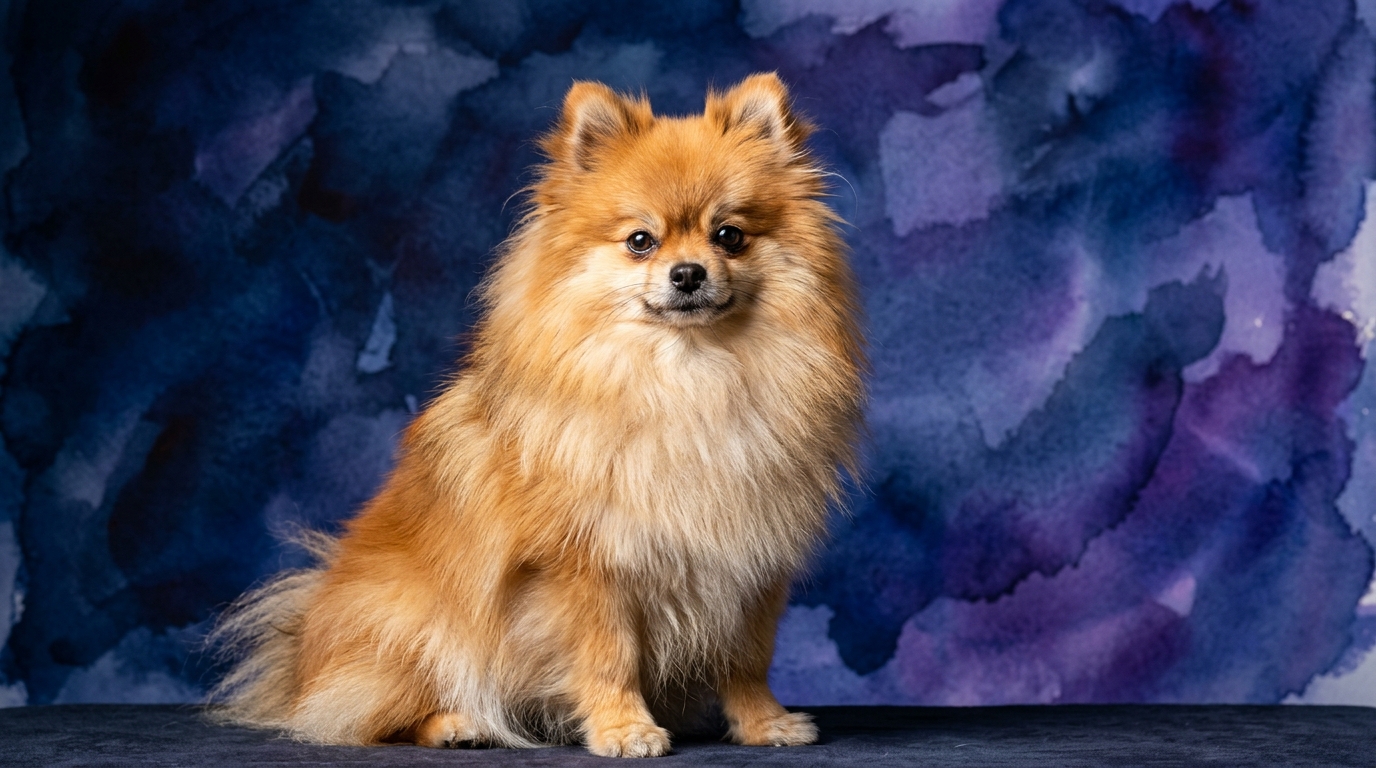
At The Cosmic Pet Pet IQ Lab, we evaluate canine intelligence across five key dimensions, offering a nuanced view beyond traditional rankings. The Pomeranian, a Toy group member, holds a respectable Coren rank of #23, indicating a strong capacity for working and obedience tasks. Its individual scores reveal a keen mind: Problem Solving 4/5, Training Speed 4/5, Social Intelligence 4/5, Instinctive Drive 3/5, and Memory 4/5. This profile suggests a dog adept at understanding complex situations, quick to learn, highly attuned to human interaction, possessing a moderate inherent drive, and capable of retaining information effectively over time.
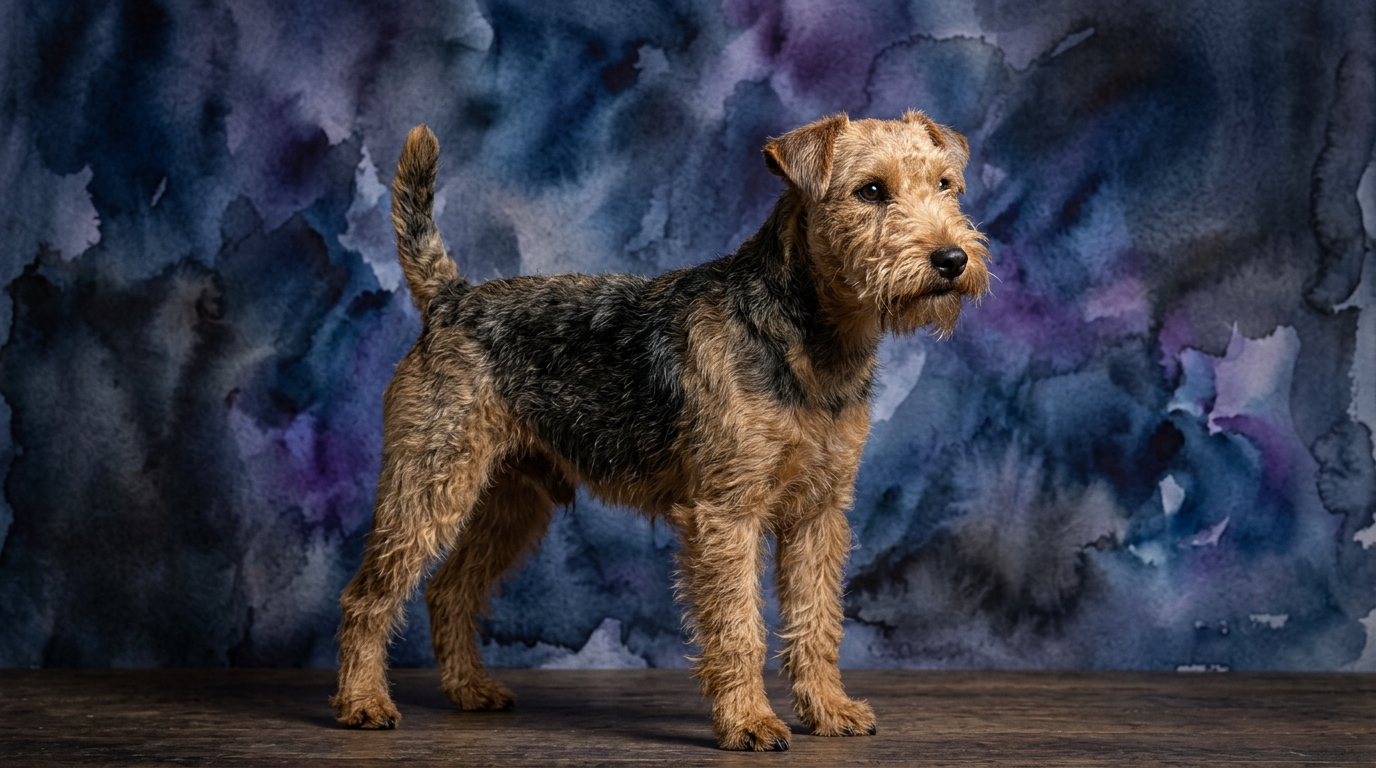
In contrast, the Lakeland Terrier, a member of the Terrier group, is not currently Coren-ranked, which often signifies a different cognitive approach rather than a deficit. Its IQ scores provide insight into its unique mental makeup: Problem Solving 3/5, Training Speed 3/5, Social Intelligence 3/5, Instinctive Drive 3/5, and Memory 3/5. This consistent scoring indicates a dog with a steady capacity for learning and problem-solving, a solid but not exceptional grasp of social cues, and an an instinctive drive that, while rated equally to the Pomeranian, manifests in a distinct, tenacious manner. This breed learns at its own pace and applies its intelligence with a characteristic terrier focus.
Where the Pomeranian Wins Cognitively
The Pomeranian demonstrates a clear cognitive advantage in several key areas, particularly in tasks demanding rapid comprehension and sophisticated social understanding. With a Problem Solving score of 4/5, Pomeranians often excel at figuring out novel challenges, such as navigating complex puzzle toys or understanding multi-step commands, often with less trial-and-error than a Lakeland Terrier. This aptitude allows them to quickly adapt to new routines and environments, making them seem particularly agile in their thinking.
Furthermore, their superior Social Intelligence, also at 4/5, means Pomeranians are exceptionally perceptive of human emotions and intentions. They often form deep, intuitive bonds with their owners, responding to subtle changes in tone or body language, which facilitates a richer communicative experience. This emotional attunement makes them highly responsive companions. Bolstered by a Training Speed of 4/5, they absorb new commands and behaviors with remarkable alacrity, often requiring fewer repetitions to master a task. This faster acquisition is complemented by their 4/5 Memory score, ensuring that once a behavior is learned, it is retained effectively over extended periods, reducing the need for constant refreshers.
Where the Lakeland Terrier Wins Cognitively
While the Lakeland Terrier's scores are consistently at 3/5 across the board, its cognitive strengths lie in the focused application of its inherent traits, particularly its strong Instinctive Drive. This breed was meticulously developed for independent hunting, a role that demands a unique blend of persistence, sensory acumen, and self-reliance. Their Problem Solving, though rated 3/5, is highly effective in real-world scenarios related to their historical purpose, such as tracking scents, navigating challenging terrains, and tenaciously pursuing a goal with unwavering determination. This isn't about abstract puzzles, but rather practical, goal-oriented problem-solving in the field.
The Lakeland's Instinctive Drive, also rated 3/5 (similar to the Pomeranian numerically but different in manifestation), fuels a remarkable resilience and focus. This tenacity means they are less likely to abandon a task once engaged, whether it's digging for a perceived scent or exploring a new area. Their Memory, while 3/5, is robust for environmental details, pathways, and the location of interesting stimuli, allowing them to recall complex routes or specific 'hot spots' for exploration. This breed demonstrates a persistent, independent intelligence, driven by their natural instincts and a strong will to achieve their objectives, often thriving in situations where they can act autonomously and apply their keen senses.
Ease of Training: Pomeranian vs. Lakeland Terrier
When it comes to the practical aspect of training, the Pomeranian generally presents a more straightforward and often quicker learning experience. Their higher Training Speed (4/5) means they tend to grasp new commands and routines with fewer repetitions, making training sessions feel more immediately rewarding and less prone to owner frustration. This is significantly aided by their superior Social Intelligence (4/5), which often translates into an eagerness to please their human companions and a keen responsiveness to positive reinforcement. Pomeranians frequently thrive on cooperative learning, viewing training as an engaging interaction that strengthens their bond with their owner.
In contrast, the Lakeland Terrier, with a Training Speed of 3/5, typically requires a more patient, consistent, and often creative approach. Their strong independent streak, a hallmark of their terrier heritage, means they may not always prioritize human directives over their own compelling instincts, particularly when a fascinating scent or potential 'prey' captures their attention. While perfectly capable of learning, Lakelands often need motivation that taps into their natural drives, such as scent work or agility, and a firm yet fair handler who understands their tenacious nature. Training a Lakeland involves channeling their inherent drive and independence rather than simply commanding it, often making the process a rewarding challenge for a dedicated owner.
Matching Breeds to Lifestyles: Active vs. Relaxed Owners
The distinct cognitive and behavioral profiles of these two breeds make them suitable for very different owner lifestyles. The Pomeranian, despite its often energetic bursts, can adapt remarkably well to more relaxed owners and environments. Their mental stimulation often comes from interactive indoor games, puzzle toys, and learning new tricks within the home. They thrive on close companionship and enjoy being a central part of family life, making them excellent companions for apartment dwellers or individuals who prefer a calmer daily routine with moderate outdoor activity. Their need for cognitive engagement is high, but it doesn't necessarily demand extensive physical output in vast open spaces.
Conversely, the Lakeland Terrier is an ideal match for active, engaged owners who appreciate a dog with robust energy and a working mindset. Their ingrained Instinctive Drive and significant physical stamina demand regular, vigorous exercise and mental challenges that satisfy their terrier instincts for exploration, digging, and chasing. Owners who enjoy hiking, long walks, earthdog trials, or participating in dog sports will find an enthusiastic and capable partner in a Lakeland. Their cognitive needs are best met through activities that allow them to utilize their keen senses, problem-solve independently in dynamic environments, and expend their considerable physical energy, making them less suited for a purely sedentary or indoor-focused lifestyle.
The Verdict
Choose the Pomeranian if you seek a highly companionable, emotionally attuned dog eager to learn new commands quickly and thrive in a home that values indoor engagement and moderate activity. They are a delightful choice for owners who appreciate a responsive, interactive canine partner.
Opt for the Lakeland Terrier if you desire a tenacious, independent canine partner for active outdoor pursuits, one who thrives on consistent training that channels their strong natural instincts and robust energy. They are best for owners ready to engage with their dog's adventurous spirit and working drive.
🧠 Find Your Pet's IQ Score
Our Pet IQ Lab assessment covers 25+ tests across 5 cognitive dimensions — personalized to your breed.
Take the Full IQ Test →Frequently Asked Questions
Do Pomeranians and Lakeland Terriers have different motivations for learning?
Yes, their motivations often differ significantly. Pomeranians, with their higher social intelligence, are frequently motivated by praise, attention, and the desire to please their owners, whereas Lakeland Terriers, driven by their instincts, may respond better to rewards that tap into their natural prey drive or opportunities for independent exploration and scent work.
How does Coren's ranking relate to our IQ scores?
Stanley Coren's ranking primarily assesses 'working and obedience intelligence,' which aligns closely with our 'training speed' and 'memory' dimensions. The Pomeranian's Coren rank of #23 suggests a strong capacity for obedience training and command retention, consistent with its 4/5 scores in those areas, while the Lakeland Terrier's unranked status indicates it might fall outside the top tier for traditional obedience-focused learning, aligning with its 3/5 scores and independent nature.
Which breed is more likely to 'outsmart' its owner?
'Outsmarting' often relates to a dog's ability to solve problems independently or manipulate situations for their benefit. While Pomeranians have higher problem-solving scores, their social intelligence often means they work *with* their owners. Lakeland Terriers, with their independent streak and tenacious drive, might be more inclined to creatively pursue their own agenda, potentially leading to situations where they cleverly achieve their goals despite owner directives, such as finding a way to dig under a fence or escape an enclosure.