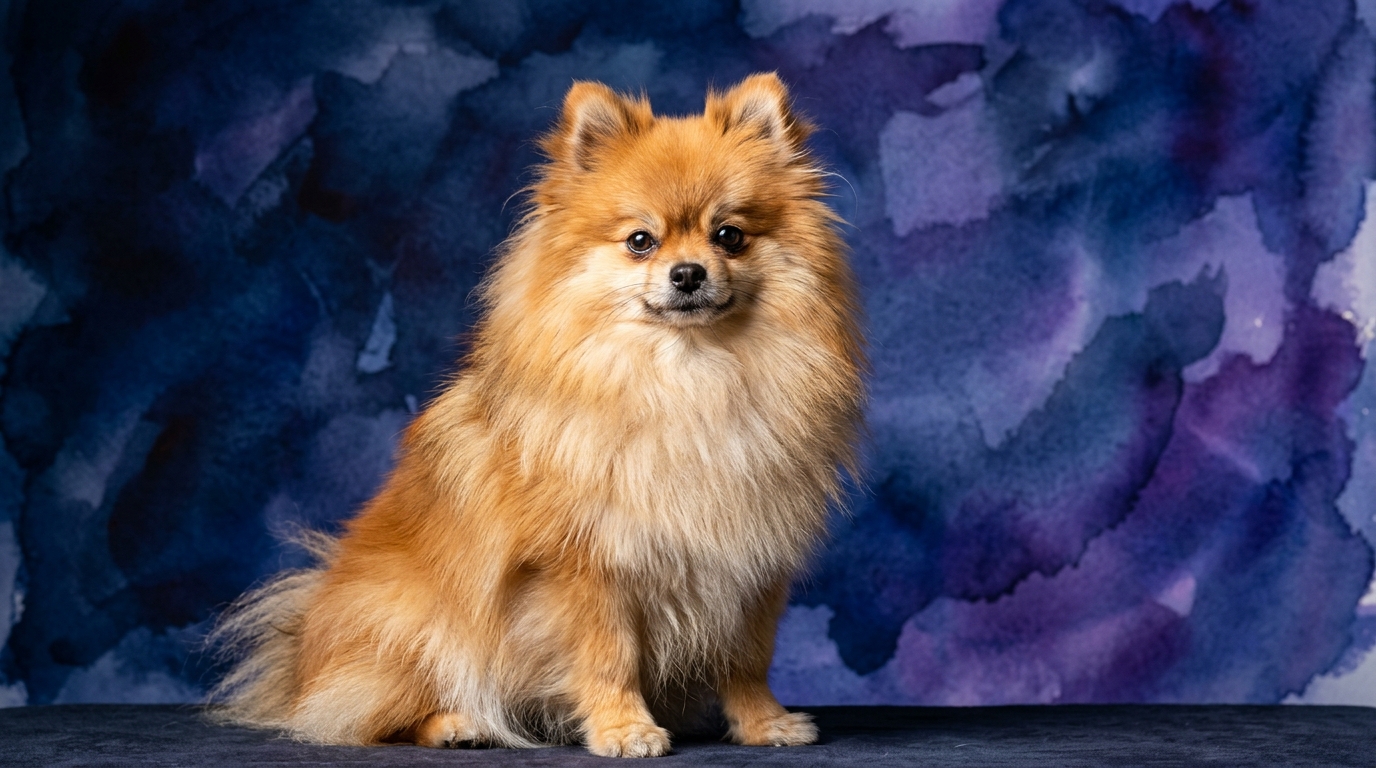
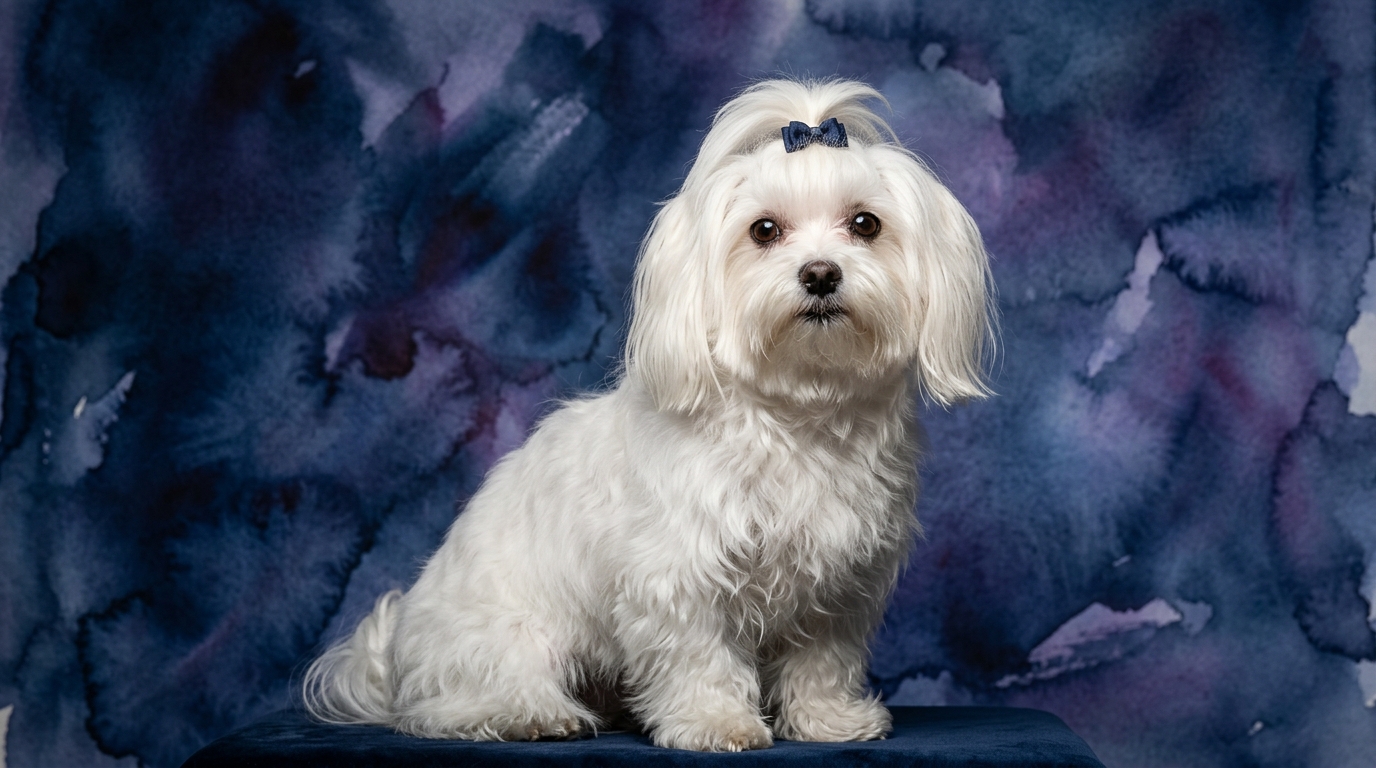
Side-by-Side IQ Profile: Pomeranian vs. Maltese
At The Cosmic Pet Pet IQ Lab, we analyze canine cognition across five crucial dimensions, providing a nuanced understanding of each breed's intellectual landscape. For the Pomeranian, ranked #23 by Coren, and the Maltese, ranked #59, their profiles highlight distinct strengths.
The Pomeranian demonstrates robust cognitive abilities across the board. Its problem-solving score of 4/5 indicates a strong capacity for independent thought and navigating novel situations. A training speed of 4/5 suggests a quick grasp of new commands and routines, often requiring fewer repetitions. Social intelligence at 4/5 points to a good understanding of human cues and interactions, though perhaps with a touch of independent spirit. An instinctive drive of 3/5 reflects a moderate urge for typical dog behaviors like chasing or exploring, while a memory score of 4/5 ensures they retain learned information and experiences effectively.
The Maltese presents a different, yet equally endearing, cognitive profile. Their problem-solving at 3/5 suggests they can learn to overcome obstacles but might prefer guidance over independent strategizing. A training speed of 3/5 means they are trainable, but may require consistent, patient reinforcement. The standout feature is their social intelligence at 5/5, indicating an exceptional ability to bond deeply, read human emotions, and thrive on companionship. An instinctive drive of 2/5 shows a generally lower inclination for activities like hunting or extensive exploration, and their memory at 3/5 means they retain information adequately, though perhaps not with the same precision as a Pomeranian.
Where the Pomeranian Wins Cognitively
The Pomeranian clearly shines in several cognitive domains, indicating a more self-reliant and mentally agile disposition. Their problem-solving score of 4/5 means they are more likely to figure out how to open a treat container or navigate a complex puzzle toy on their own, often displaying ingenuity. This breed’s training speed, also at 4/5, suggests they pick up new commands and tricks with remarkable alacrity, making them a rewarding student for owners who enjoy teaching intricate sequences.
Furthermore, the Pomeranian's memory score of 4/5 ensures that once they learn something, it tends to stick, whether it's a specific route during a walk or a series of commands. This robust memory also contributes to their ability to recall past events and associations, influencing their responses to specific people or places over time. Their instinctive drive of 3/5, while moderate, is higher than the Maltese, meaning they are more inclined to engage in activities that tap into typical canine instincts, such as playful chasing or exploring new scents, making them more receptive to enrichment activities beyond simple companionship.
Where the Maltese Wins Cognitively
The Maltese possesses a distinct cognitive strength that positions them as unparalleled companions: their exceptional social intelligence, scoring a perfect 5/5. This isn't merely about being friendly; it signifies a profound capacity to understand and respond to human emotions, cues, and social dynamics. A Maltese is acutely attuned to their owner's mood, often offering comfort or seeking interaction precisely when it's needed most.
This deep empathy allows them to form incredibly strong, almost intuitive, bonds, making them feel like an extension of the family rather than just a pet. Their world revolves around their human connections, and they thrive on this interaction, often anticipating desires or reacting to subtle shifts in tone or body language. While their problem-solving and training speed scores are moderate, their social acumen means they are highly motivated by pleasing their beloved humans, which can indirectly aid in training when the focus is on strengthening the bond and positive reinforcement. This unique ability to connect on such an intimate level is the Maltese's defining cognitive advantage, making them masters of companionship.
Which is Easier to Train and Why
When considering ease of training, the Pomeranian generally presents a quicker learning curve due to its higher scores in both training speed (4/5) and problem-solving (4/5). This combination means a Pomeranian is not only adept at grasping new commands swiftly but also capable of figuring out what is being asked of them, even with subtle cues. They tend to require fewer repetitions before a behavior becomes ingrained, making the training process feel more efficient and often more engaging for both dog and owner. For instance, a Pomeranian might quickly understand complex multi-step commands or adapt to new training environments with less confusion.
In contrast, the Maltese, with scores of 3/5 for both training speed and problem-solving, will certainly learn, but may require more consistent repetition and a more patient, gentle approach. While their exceptional social intelligence (5/5) means they are highly motivated to please their human, this often translates to a desire for connection rather than a rapid acquisition of complex tasks. A Maltese might be more sensitive to harsh tones and thrives on positive reinforcement that strengthens the bond, whereas a Pomeranian might be more resilient to varied training styles, focusing on the task at hand. Therefore, for owners prioritizing rapid learning and the ability to teach a wide repertoire of tricks, the Pomeranian typically offers a smoother path.
Which Suits Active Owners vs. Relaxed Owners
The cognitive profiles of these two breeds paint a clear picture of which might thrive with active versus relaxed owners. A Pomeranian, with its higher problem-solving (4/5), training speed (4/5), and moderate instinctive drive (3/5), is often better suited for active owners who enjoy engaging their pet in mental and physical challenges. These dogs appreciate structured play, puzzle toys, and learning new skills, making them excellent companions for trick training, agility (even at a miniature scale), or regular walks that involve new sights and smells. Their innate curiosity and capacity for independent thought mean they benefit from an owner who can consistently provide intellectual stimulation, preventing boredom and potential mischief.
Conversely, the Maltese, with its unparalleled social intelligence (5/5) and lower instinctive drive (2/5), is an ideal match for more relaxed owners whose primary desire is close companionship. These dogs are happiest when nestled beside their human, participating in daily routines as an observer, and receiving abundant affection. While they enjoy gentle walks, their need for strenuous activity is minimal compared to their profound need for human presence and emotional connection. An owner who values a devoted, empathetic presence above extensive physical or mental tasks will find the Maltese an incredibly fulfilling companion, thriving in a calm, affectionate home environment.
The Verdict
Choose a Pomeranian if you seek a mentally agile companion eager for training, problem-solving games, and a moderate level of interactive engagement, thriving on an owner's consistent mental stimulation.
Opt for a Maltese if your priority is an exceptionally devoted, empathetic companion who thrives on deep emotional connection and close proximity, providing unparalleled warmth in a relaxed home setting.
🧠 Find Your Pet's IQ Score
Our Pet IQ Lab assessment covers 25+ tests across 5 cognitive dimensions — personalized to your breed.
Take the Full IQ Test →Frequently Asked Questions
Does Coren rank directly correlate with a dog's overall intelligence?
Coren rank primarily assesses "working and obedience intelligence," reflecting how quickly a dog learns and obeys commands. While it's an important metric, it doesn't encompass all facets of canine cognition, such as social intelligence or problem-solving, which are explored separately in the Pet IQ Lab profiles.
Can a Maltese be trained to do tricks despite its lower training speed?
Absolutely. While a Maltese might take more repetitions (3/5 training speed), their exceptional social intelligence (5/5) means they are highly motivated to please their beloved human. Consistent, positive reinforcement and patience will yield excellent results, fostering a strong bond during the learning process.
Do Pomeranians require a lot of exercise due to their cognitive scores?
Pomeranians, despite their robust cognitive scores, are still toy breeds. While they benefit from regular walks and mental stimulation from puzzle toys or training sessions, their exercise needs are moderate and easily met with daily activity rather than intense, prolonged exertion.