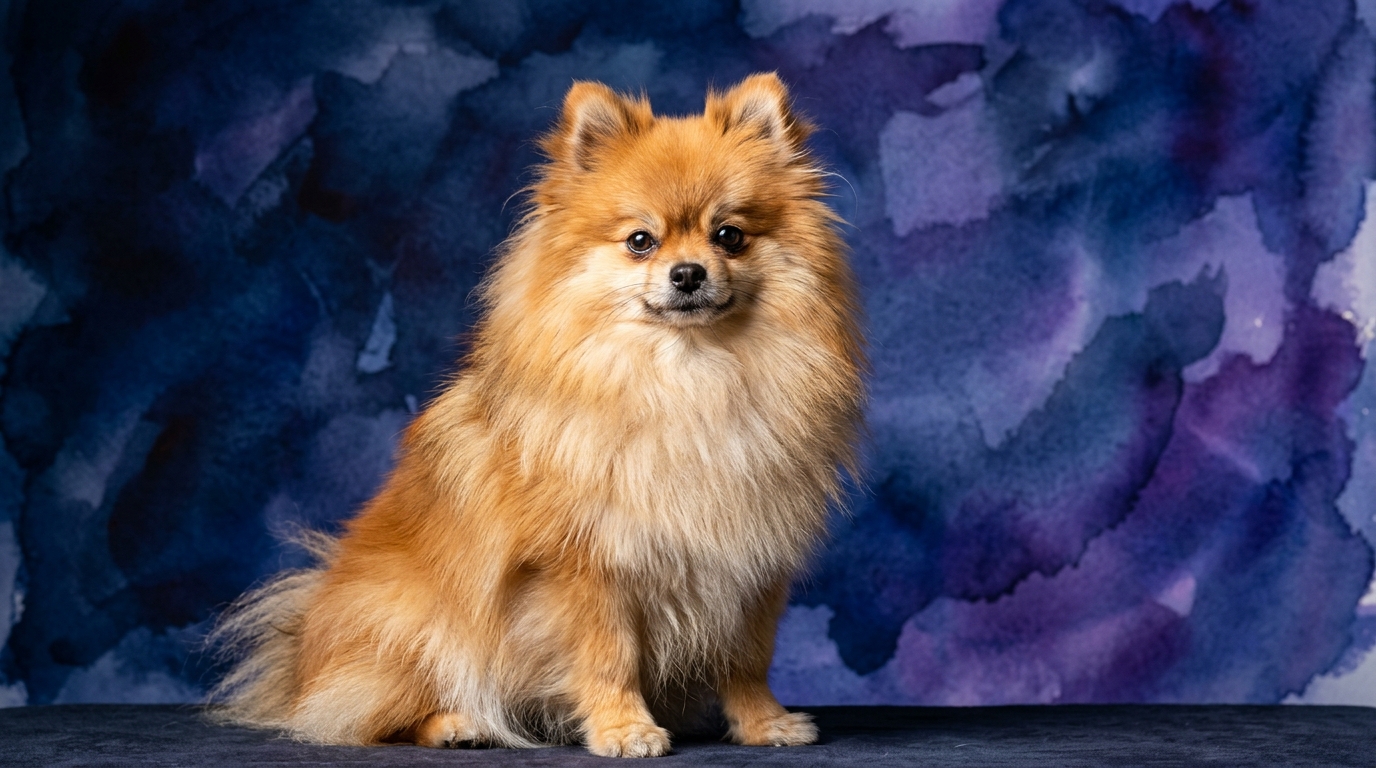
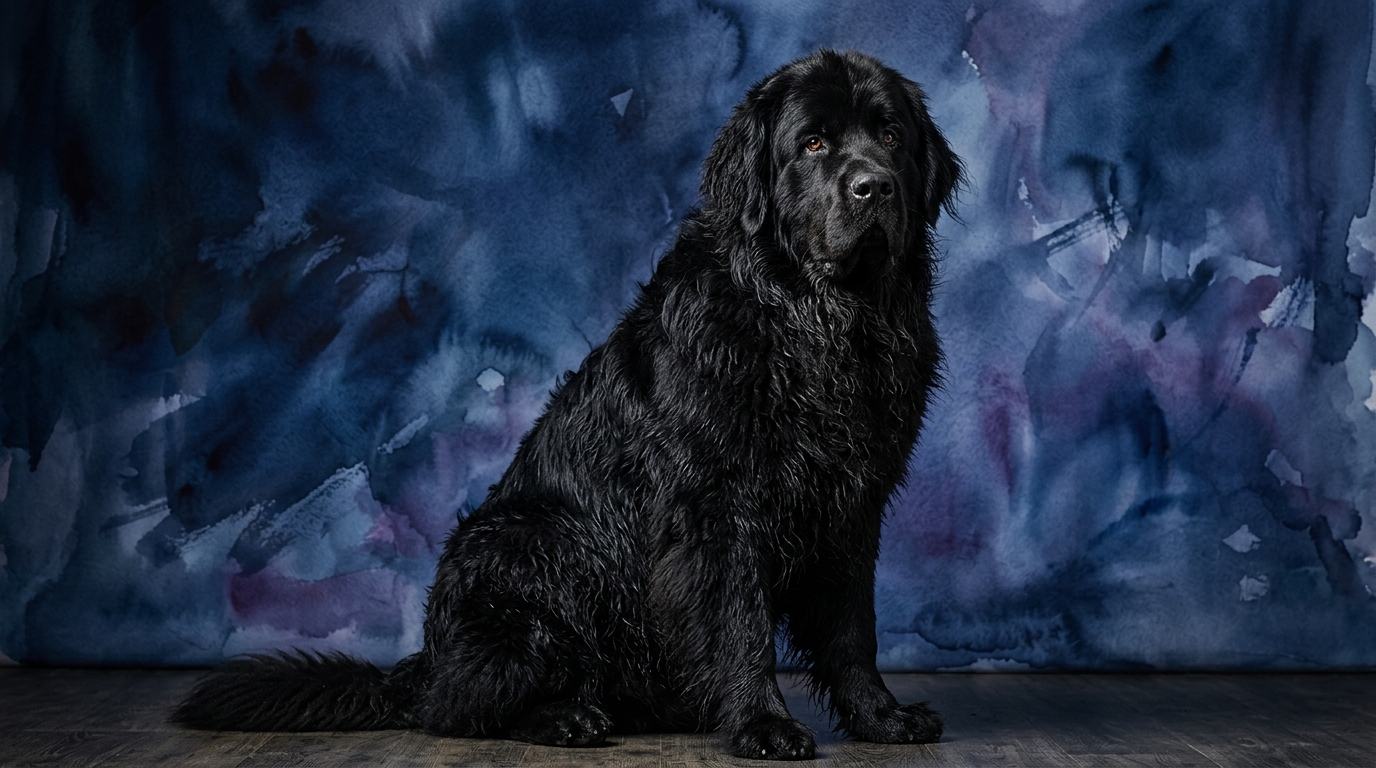
Side-by-Side Cognitive Profile: Pomeranian vs. Newfoundland
The Pet IQ Lab's assessment provides a detailed look into the distinct cognitive landscapes of these two breeds. For the Pomeranian, a Toy group dog, their Coren rank of #23 places them squarely among breeds demonstrating notable working intelligence and obedience. Their Problem Solving is rated 4/5, indicating a strong capacity to figure out complex situations and manipulate their environment. Training Speed is also 4/5, suggesting they pick up new commands with considerable alacrity. Social Intelligence stands at 4/5, reflecting their perceptiveness regarding human cues and household dynamics. Their Instinctive Drive is 3/5, focusing more on alertness and companionship. Finally, their Memory is strong at 4/5, aiding in retention of learned behaviors and routines.
In contrast, the Newfoundland, a Working group dog, holds a Coren rank of #34, still indicating a commendable level of working intelligence. Their Problem Solving is rated 3/5, demonstrating practical competence but perhaps less intricate strategic thinking compared to the Pomeranian. However, their Training Speed matches the Pomeranian's at 4/5, showing an equal capacity for learning. Where the Newfoundland truly shines is in Social Intelligence, earning a perfect 5/5, highlighting an exceptional ability to understand and respond to social cues and emotions. Their Instinctive Drive is also outstanding at 5/5, profoundly manifesting their inherent protective and water rescue traits. Their Memory is robust at 4/5, ensuring consistent recall of training and experiences.
Where the Pomeranian Wins Cognitively
The Pomeranian's cognitive strengths often manifest in their nimble and adaptive approach to their surroundings. Their superior Problem Solving score of 4/5, compared to the Newfoundland's 3/5, underscores their adeptness at navigating challenges that require more intricate thought. Due to their small stature, Pomeranians frequently encounter obstacles that larger dogs might simply step over, prompting them to develop clever strategies for accessing desired items or locations. This might involve pushing objects to create a stepping stool, figuring out how to open a cabinet with a loose handle, or manipulating situations to gain attention or treats. Their quick-wittedness allows them to process information rapidly and devise creative solutions, often surprising owners with their ingenuity.
Furthermore, their strong Social Intelligence (4/5) combined with their observational skills means they are often quick to pick up on household routines and human preferences, using this knowledge to their advantage. They might learn which family member is most likely to share food or respond to a specific plea, demonstrating a nuanced understanding of social dynamics within their home. This capacity for strategic interaction, coupled with their sharp memory, allows them to be highly effective communicators of their needs and desires, often through charming and persistent methods.
Where the Newfoundland Wins Cognitively
The Newfoundland's cognitive prowess is deeply rooted in their profound social understanding and powerful ancestral instincts. Their perfect 5/5 score in Social Intelligence is a testament to their exceptional empathy and ability to connect with humans on a deep emotional level. Newfoundlands are renowned for their capacity to anticipate needs, offer comfort, and respond to subtle shifts in human mood, making them extraordinary therapy and assistance animals. This isn't just about reading body language; it's an innate sensitivity that allows them to form incredibly strong, supportive bonds, often acting as gentle guardians and companions who seem to understand without words. They possess an almost uncanny ability to sense distress and offer a comforting presence, which is a complex cognitive function far beyond simple obedience.
Equally impressive is their 5/5 Instinctive Drive. This isn't merely a physical predisposition but a deeply ingrained cognitive program for protection and rescue, particularly in water. A Newfoundland's brain is wired to assess situations for potential danger, especially involving water, and to act decisively to assist. This drive manifests as an unwavering dedication to their 'flock,' displaying a profound understanding of group safety and well-being. Their problem-solving, though rated 3/5, often manifests in practical, task-oriented ways that align with these instincts, such as figuring out how to safely retrieve an object from water or gently guide a child away from perceived harm. This combination of empathy and purposeful instinct makes them unique in their cognitive contributions.
Training Dynamics: Which is Easier and Why?
Both the Pomeranian and the Newfoundland share an impressive Training Speed rating of 4/5, suggesting both breeds are equally capable of quickly grasping new commands. However, the 'easier' to train often depends on the owner's approach and what specific behaviors are being targeted, as their underlying motivations and physical attributes differ significantly. Pomeranians, with their strong problem-solving and social intelligence, are often eager to engage in training sessions, viewing them as mental stimulation and an opportunity for interaction. They respond well to positive reinforcement and can learn complex trick sequences quickly, thriving on varied and stimulating lessons. Their smaller size makes them physically easier to manage during training, and their quick reactions can make them seem highly responsive.
Newfoundlands, while also quick learners, are often motivated by their deep desire to bond and be useful to their family, leveraging their exceptional social intelligence. Training a Newfoundland often feels like a cooperative effort, where their calm demeanor and steady focus allow them to absorb lessons effectively. However, their sheer size means that consistency and early training are paramount; an untrained Newfoundland, despite its gentle nature, can be physically challenging to handle if not taught appropriate manners. Their strong instinctive drive can be skillfully channeled into specific tasks, such as retrieving or 'rescue' games, which makes training feel purposeful and rewarding for them. While both learn quickly, the Pomeranian might appear 'easier' due to their manageable size and quick, flashy responses, while the Newfoundland's training is often a more deliberate, deeply bonded process that yields a steadfast, reliable companion.
Suitability for Active vs. Relaxed Owners
When considering an active versus relaxed lifestyle, both breeds offer unique considerations. The Pomeranian, despite its small size, is not merely a lap dog; they are bundles of energy and mental agility that thrive on engagement. Owners who enjoy mentally stimulating games, trick training, or even dog sports like agility will find a Pomeranian to be an enthusiastic participant. While their physical exercise needs are moderate—short, brisk walks are usually sufficient—their minds require consistent stimulation to prevent boredom and potential mischievousness. A 'relaxed' owner who appreciates a constant, engaging companion who will alert them to surroundings and engage in interactive play will find a Pomeranian a fulfilling choice, provided mental enrichment is prioritized.
The Newfoundland, conversely, presents a different profile. They are not hyperactive but require consistent, moderate physical activity, with swimming often being a favorite and highly beneficial outlet. Owners who enjoy long, leisurely walks, especially near water, or those interested in activities like carting or water rescue work, will find the Newfoundland a willing and capable partner. For 'relaxed' owners, the Newfoundland's calm and steady demeanor makes them excellent house companions, often content to lounge quietly with their family. However, their size demands a certain level of physical management and ensuring they receive adequate, purposeful outdoor engagement to maintain their physical and mental well-being. They are more 'relaxed' in their daily energy output but require specific forms of activity that align with their natural instincts and robust physique.
The Verdict
Choose a Pomeranian if you seek a mentally nimble, observant, and engaging companion who thrives on interaction, fits well into smaller living spaces, and can be a vigilant small sentinel providing constant companionship and amusement.
Choose a Newfoundland if you value a deeply empathetic, protective, and gentle giant with a profound sense of duty, capable of forming strong bonds and excelling in roles that leverage their natural instincts and calm, steadfast presence, especially if you have access to water.
🧠 Find Your Pet's IQ Score
Our Pet IQ Lab assessment covers 25+ tests across 5 cognitive dimensions — personalized to your breed.
Take the Full IQ Test →Frequently Asked Questions
Are Pomeranians prone to being 'yappy' due to their intelligence?
Pomeranians' high social intelligence and alertness (part of their instinctive drive) often translate into being vocal when sensing changes in their environment or wanting attention. This isn't a sign of low intelligence, but rather their acute perception and communication style, which can be managed with consistent training and redirection from a young age.
How does a Newfoundland's 'instinctive drive' impact its daily life?
A Newfoundland's strong instinctive drive, particularly for water rescue and guardianship, means they often display a natural inclination to watch over their family and may be drawn to water. This drive manifests as a calm, protective demeanor and a readiness to assist, making them excellent family protectors and therapy animals, but also requires appropriate outlets like swimming or structured tasks.
Can both breeds excel in dog sports or advanced obedience?
Absolutely. With their comparable training speed and strong memory, both Pomeranians and Newfoundlands can excel in various dog sports. Pomeranians often shine in agility, obedience, and trick training due to their quickness and desire for mental engagement, while Newfoundlands can excel in water rescue trials, carting, and advanced obedience, leveraging their strength, social intelligence, and steady temperament.