Side-by-Side IQ Profile
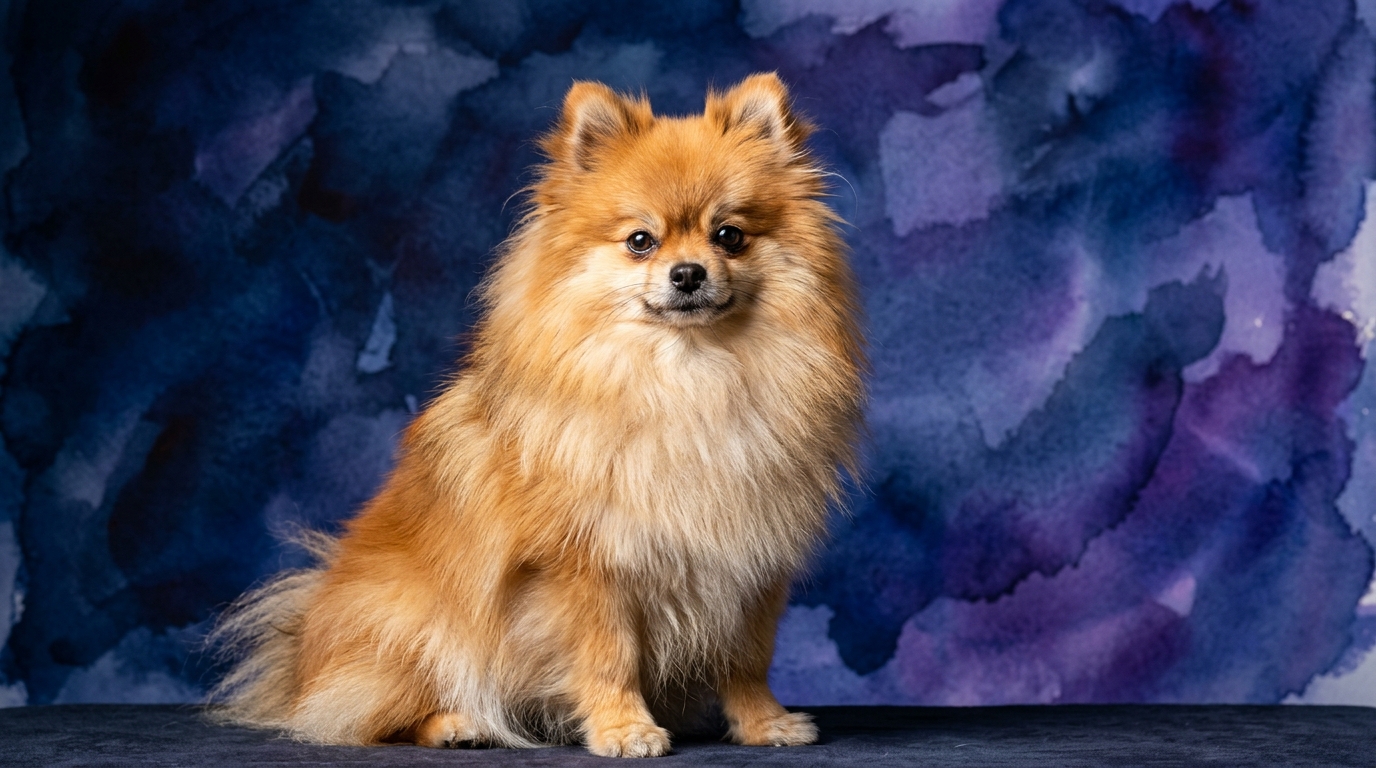
**Pomeranian (Toy, Coren rank #23):** Poms often demonstrate a clever aptitude for navigating complex situations, such as figuring out how to reach a treat placed out of immediate grasp or manipulating their environment to their advantage (Problem Solving 4/5). These compact companions generally pick up new commands and routines quickly, their eagerness to engage contributing to their rapid learning pace (Training Speed 4/5). Pomeranians excel at reading human emotions and intentions, adapting their behavior to elicit desired responses and communicate effectively within a family unit (Social Intelligence 4/5). While not bred for complex working roles, they retain some innate drives like alertness, expressed through watchful behavior (Instinctive Drive 3/5). Poms typically possess a good memory for routines, commands, and even specific people and places, enabling them to retain learned behaviors over extended periods (Memory 4/5).
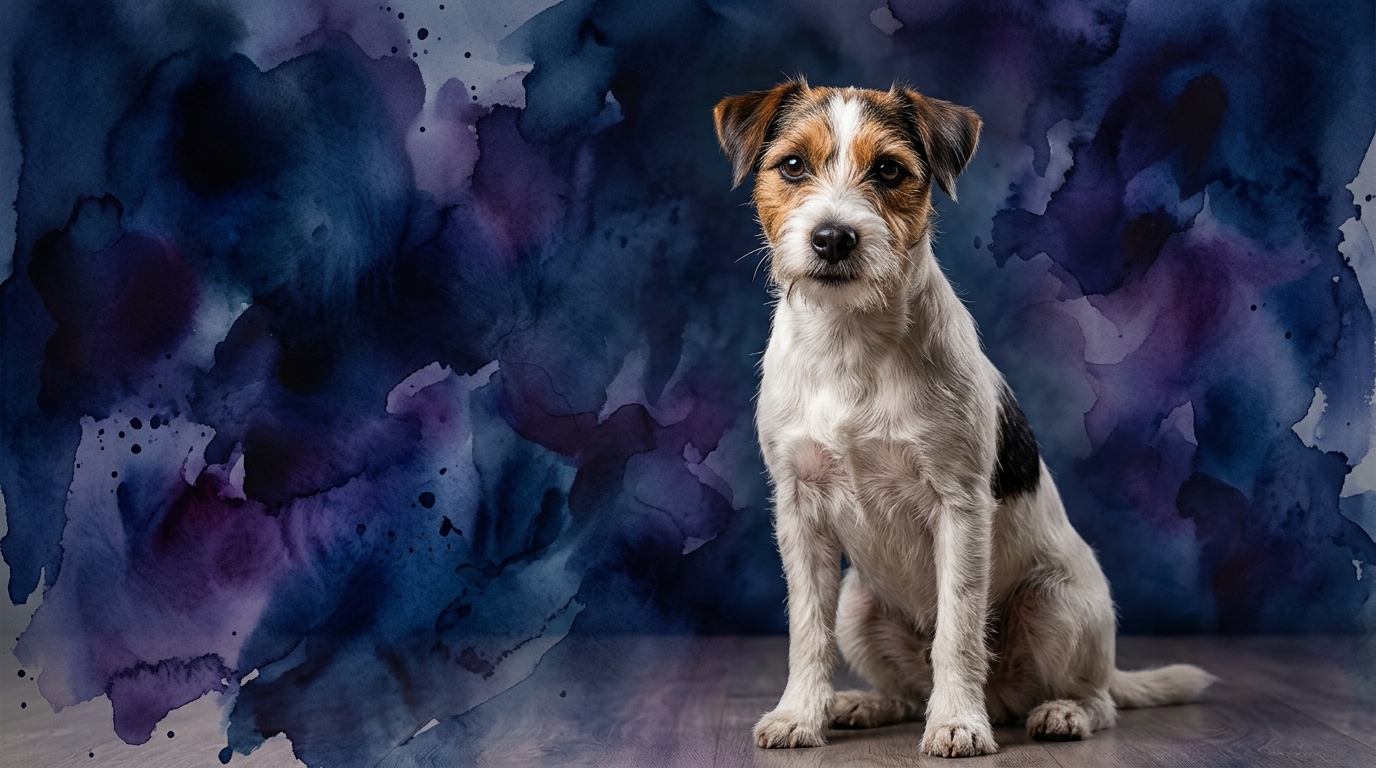
**Parson Russell Terrier (Terrier, Not Coren-ranked):** Parson Russell Terriers exhibit practical problem-solving skills, particularly those related to their prey drive and exploration; they can strategize to access confined spaces or overcome obstacles in pursuit of a scent (Problem Solving 3/5). These terriers can learn commands and tasks effectively, but their independent spirit and strong focus on instincts might require more consistent and engaging training methods to maintain attention (Training Speed 3/5). Parson Russells are capable of forming strong bonds and understanding social cues within their pack, but their independent nature means they might interpret interactions with a degree of self-reliance (Social Intelligence 3/5). Their potent prey drive, digging tendencies, and relentless energy define their Instinctive Drive (3/5), often manifesting as intense, task-oriented focus. They have a functional memory for tasks, routes, and experiences, which supports their adventurous lifestyle and ability to recall hunting strategies or familiar territories (Memory 3/5).
Where Pomeranian Wins Cognitively
The Pomeranian's cognitive profile clearly shines in areas of adaptability and social engagement. With a superior Problem Solving score of 4/5, Poms often demonstrate a nuanced ability to navigate their domestic world, devising creative solutions to everyday challenges, from finding a dropped toy under furniture to strategically "asking" for attention. Their 4/5 Training Speed suggests a quicker uptake of new commands and routines, making them generally more responsive to formal training sessions and behavioral adjustments. This rapid learning is often bolstered by their exceptional 4/5 Social Intelligence; Poms are adept at reading human cues, understanding emotional states, and adjusting their behavior to foster positive interactions, a skill that significantly streamlines communication and reinforces desired actions. Furthermore, their 4/5 Memory allows them to retain a vast repertoire of learned behaviors and routines, ensuring that once a lesson is learned, it tends to stick, contributing to a more predictable and harmonious household experience. These combined strengths paint a picture of a companion animal built for intricate social dynamics and rapid learning within a human-centric environment.
Where Parson Russell Terrier Wins Cognitively
While the Parson Russell Terrier's scores might appear numerically lower or equal to the Pomeranian's in our IQ Lab, their cognitive strengths are uniquely tailored to their tenacious, active nature and historical purpose. The Parson Russell's 3/5 Instinctive Drive, though numerically matched by the Pomeranian, manifests as a profound, unwavering focus on tasks related to hunting and exploration. This translates into a relentless determination to pursue a scent or investigate a burrow, showcasing a cognitive endurance and single-mindedness that is unparalleled for specific, goal-oriented tasks. Their Problem Solving at 3/5, while lower than the Pom's, often involves practical, hands-on solutions to physical obstacles, such as figuring out how to dig under a fence or navigate complex terrain to flush out quarry. This isn't abstract problem-solving, but rather an applied, persistent form of intelligence critical for independent work. Their Social Intelligence at 3/5, while not geared towards constant human appeasement, reflects an independent discernment, allowing them to make decisions autonomously and trust their own judgment, a valuable trait for a dog expected to work independently in the field. The Parson Russell's cognitive makeup, therefore, excels in areas demanding grit, independent action, and a sustained, primal focus on a goal where self-reliance is paramount.
Which is Easier to Train and Why
Based on The Cosmic Pet Pet IQ Lab data, the Pomeranian generally presents as the easier breed to train. Their Training Speed of 4/5, compared to the Parson Russell Terrier's 3/5, indicates a quicker assimilation of commands and a greater willingness to comply. This difference is significantly influenced by their respective Social Intelligence scores (Pom 4/5 vs. PRT 3/5). Pomeranians often thrive on human interaction and approval, making them highly motivated to perform tasks that earn them praise or treats. Their keen ability to read human body language and vocal tones allows them to quickly understand what is expected, leading to fewer repetitions needed during training. In contrast, the Parson Russell Terrier, with its independent spirit and strong instinctive drive, may view training as less about pleasing an owner and more about what benefits them directly or satisfies their innate urges. Their 3/5 Training Speed reflects this need for more consistent, engaging, and often creative approaches to keep their attention. While perfectly capable of learning, their inherent terrier tenacity and occasional stubbornness mean that owners must be prepared for more patience and a commitment to making training a stimulating and rewarding experience, rather than a mere exercise in compliance.
Which Suits Active Owners vs. Relaxed Owners
The cognitive profiles and inherent breed traits strongly delineate which lifestyle each breed aligns with. The Parson Russell Terrier, with its potent 3/5 Instinctive Drive and a cognitive makeup geared towards persistent, physical problem-solving, is unequivocally suited for active owners. These dogs require significant daily physical exercise, mental stimulation through scent work, agility, or engaging games, and opportunities to channel their innate drive. An owner who enjoys hiking, running, or participating in dog sports would find a fulfilling partnership with a Parson Russell, whose cognitive strengths are best showcased when challenged with dynamic activities. Conversely, the Pomeranian, while certainly enjoying walks and playtime, is a better match for relaxed owners. Their superior Social Intelligence (4/5) and Problem Solving (4/5) mean they thrive on mental engagement within the home, enjoying puzzle toys, learning tricks, and participating in family activities. Their 3/5 Instinctive Drive is manageable in an urban or less physically demanding environment, making them content with shorter bursts of activity and ample cuddle time. A relaxed owner who prioritizes companionship, indoor games, and social interaction will find the Pomeranian's cognitive and behavioral traits to be a harmonious fit.
The Verdict
When seeking a companion that excels in rapid learning, social responsiveness, and indoor problem-solving, the Pomeranian is the quintessential choice.
For owners who value an independent, tenacious partner capable of sustained physical and mental engagement in outdoor pursuits, the Parson Russell Terrier stands ready to impress.
🧠 Find Your Pet's IQ Score
Our Pet IQ Lab assessment covers 25+ tests across 5 cognitive dimensions — personalized to your breed.
Take the Full IQ Test →Frequently Asked Questions
Does the Pomeranian's smaller size mean it requires less mental stimulation?
Not at all; the Pomeranian's 4/5 Problem Solving and Social Intelligence scores indicate a significant need for mental engagement, which can be met through puzzle toys, trick training, and interactive play, regardless of its physical stature.
Can a Parson Russell Terrier adapt to apartment living despite its high energy?
While challenging, a Parson Russell Terrier can adapt to apartment living if their owners are committed to providing extensive daily exercise, including long walks, runs, and dedicated mental stimulation sessions to satisfy their 3/5 Instinctive Drive.
How does a breed's Coren rank relate to The Cosmic Pet Pet IQ Lab scores?
Coren's ranking primarily assesses "working and obedience intelligence" (training speed and obedience), whereas The Cosmic Pet Pet IQ Lab provides a more holistic view by breaking down intelligence into five distinct dimensions, offering a nuanced understanding beyond general trainability.