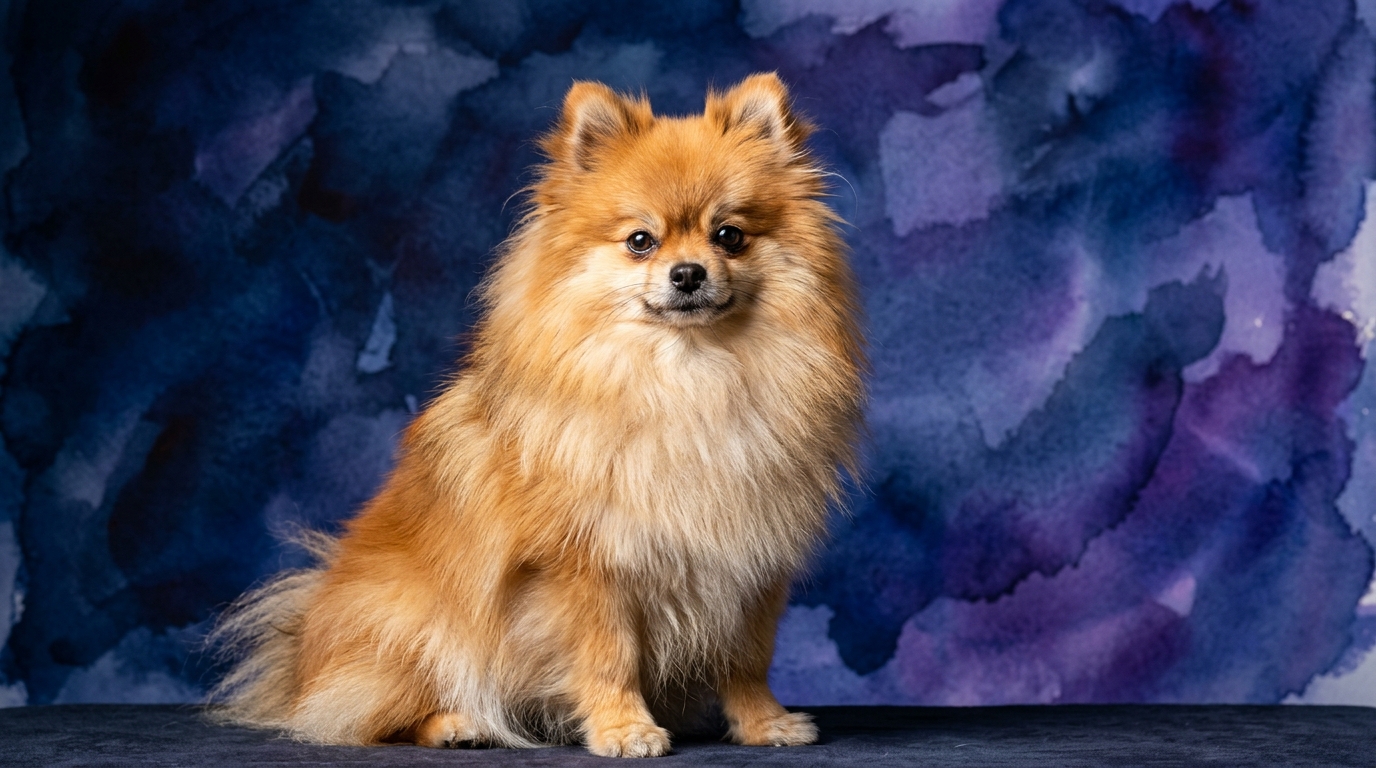
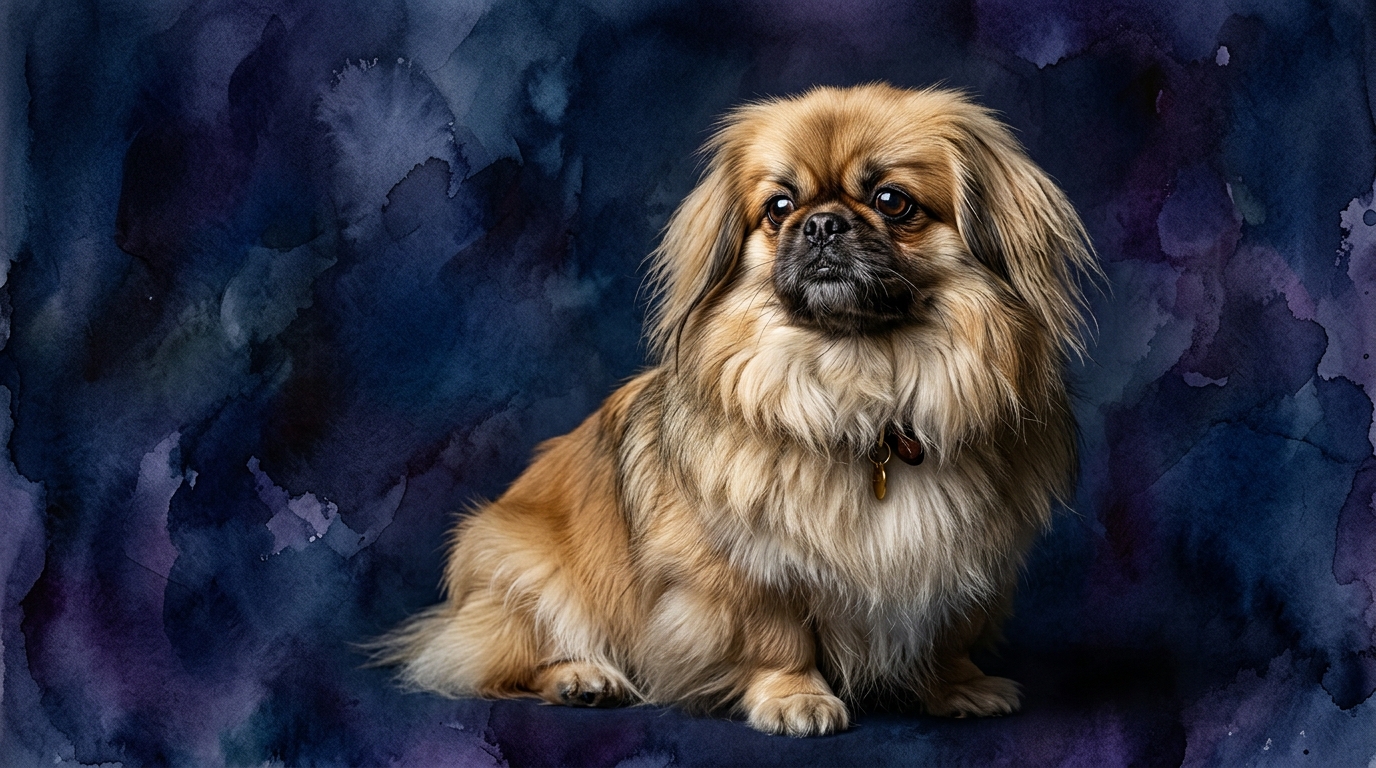
Side-by-Side IQ Profile: Pomeranian vs. Pekingese
The Cosmic Pet Pet IQ Lab employs a five-dimensional assessment to gauge canine cognition, providing a nuanced understanding beyond simple obedience rankings. For the Pomeranian, ranked #23 by Coren, we observe a robust cognitive makeup: Problem Solving 4/5, Training Speed 4/5, Social Intelligence 4/5, Instinctive Drive 3/5, and Memory 4/5. This profile suggests a highly engaged and adaptable mind.
Pomeranians exhibit a strong aptitude for figuring out puzzles or navigating environmental challenges, often using their keen observation to achieve goals like retrieving a hidden toy or opening a cabinet. Their eagerness to engage and quick grasp of commands means they typically learn new tricks and routines with fewer repetitions, making training sessions productive and rewarding. Poms are also adept at reading human cues, anticipating moods, and understanding social dynamics within a household, often using these insights to solicit attention or express needs effectively. While not primarily driven by strong prey or herding instincts, Poms possess a moderate innate curiosity and a tendency towards alertness, reflecting their historical role as companion alarms. They further demonstrate excellent retention of learned behaviors, routines, and even specific people or places over extended periods, contributing to their consistent performance in familiar environments.
In contrast, the Pekingese, with a Coren ranking of #77, presents a different cognitive blueprint: Problem Solving 3/5, Training Speed 3/5, Social Intelligence 3/5, Instinctive Drive 3/5, and Memory 3/5. This breed's scores indicate a more independent and deliberate cognitive style.
Pekingese approach problems with a more measured, sometimes independent, disposition; they can solve tasks but may take more time or require clearer motivation, preferring direct solutions over complex ones. While capable of learning, their training speed is often influenced by their independent streak; they require consistent, patient, and positive reinforcement, as they may not always see immediate value in compliance. Pekingese are observant of their human companions but often interpret social cues through the lens of their own comfort and boundaries, showing affection on their terms rather than constantly seeking interaction. Similar to Pomeranians, their instinctive drives are moderate, primarily revolving around territory awareness and a dignified sense of self-preservation, rather than strong working instincts. They retain information adequately for daily routines and familiar commands, though their recall might not be as spontaneous or consistently applied as breeds with higher memory scores, especially if not regularly reinforced.
Where the Pomeranian Wins Cognitively
Pomeranians demonstrably outperform Pekingese in several key cognitive domains. Their 4/5 rating in Problem Solving highlights a more active and inquisitive approach to their environment. A Pom is more likely to strategically work around an obstacle to reach a desired item, perhaps by nudging a door open or figuring out a simple latch, whereas a Pekingese might wait for assistance or simply lose interest.
In Training Speed, the Pomeranian's 4/5 score signifies a quicker uptake of commands and a greater eagerness to please through learning. This translates into fewer repetitions needed to solidify a new behavior, making them more responsive to early socialization and obedience training. Their superior Memory (4/5) further cements these gains, ensuring that learned behaviors are retained consistently over time, from house training rules to complex trick sequences.
Furthermore, their higher Social Intelligence (4/5) means Pomeranians are often more attuned to human emotional states and social cues, making them highly responsive companions. They frequently anticipate their owner's next move or mood, adapting their behavior to seek interaction or offer comfort, which fosters a strong, communicative bond. This blend of quick learning, solid memory, and social perceptiveness gives Pomeranians a distinct edge in adaptability and interactive engagement.
Where the Pekingese Wins Cognitively
While the Pekingese may not boast the same rapid problem-solving or training speed as the Pomeranian, their cognitive strengths lie in areas that reflect their historical role and independent spirit. Their Instinctive Drive (3/5), though equal to the Pomeranian's, manifests differently, focusing on a strong sense of personal space and a dignified self-reliance. This can be interpreted as a cognitive “win” for owners who appreciate a dog with a robust internal compass, less prone to separation anxiety or constant demand for interaction.
Their more deliberate approach to Problem Solving (3/5) can translate into a thoughtful, rather than impulsive, decision-making process. A Pekingese might not immediately try to “solve” a puzzle toy, but given time and the right motivation, they can figure it out in their own way, often with a calm persistence that avoids frantic trial-and-error. This can lead to a more stable and less demanding presence in the home.
The Pekingese's Social Intelligence (3/5) also presents a unique advantage: they are observant but not overly eager to please, fostering a relationship built on mutual respect rather than constant seeking of approval. This independent social nature means they are often content to simply “be” with their people, providing a calming presence without needing constant mental stimulation or interactive play, which is a significant cognitive benefit for owners seeking a more serene companion. Their moderate memory (3/5) means they retain important information, but their independence means they may choose when to apply it, a trait some owners find endearing.
Which is Easier to Train and Why
Based on their respective IQ profiles, the Pomeranian (Training Speed 4/5) is generally easier to train compared to the Pekingese (Training Speed 3/5). Pomeranians possess a higher eagerness to please and a quicker grasp of new concepts, which means they typically require fewer repetitions to learn commands and establish routines. Their inherent responsiveness and strong memory (4/5) ensure that once a behavior is learned, it is retained consistently. For instance, a Pomeranian is more likely to quickly understand and reliably perform “sit” or “stay” after a few positive reinforcement sessions, often motivated by praise or a small treat.
The Pekingese, conversely, presents a more nuanced training experience. While certainly capable of learning, their independent nature and occasional stubborn streak mean they may not always perceive the immediate benefit of compliance. Their training speed is adequate, but they demand consistency, patience, and highly motivating rewards. A Pekingese might understand “sit” but choose not to perform it if they don’t feel sufficiently incentivized or if they are focused on something else. This isn’t a lack of ability, but rather a difference in motivation and temperament, requiring an owner who understands and respects their dignified, self-reliant character during training sessions.
Which Suits Active Owners vs. Relaxed Owners
For active owners seeking a canine companion for adventures and consistent engagement, the Pomeranian is the more suitable choice. Their higher scores in Problem Solving (4/5), Training Speed (4/5), and Social Intelligence (4/5) indicate a dog that thrives on mental stimulation and enjoys participating in various activities. Pomeranians often excel in dog sports like agility or obedience trials, enjoy regular walks, and are eager to learn new tricks. Their quick minds and attentive nature mean they are ready to engage and adapt to a dynamic lifestyle, making them excellent partners for owners who want an interactive and responsive pet to join them on their outings and mental challenges.
Conversely, the Pekingese is an ideal match for relaxed owners who appreciate a more self-sufficient and serene companion. While they enjoy gentle walks and interaction, their cognitive profile, particularly their more measured approach to problem-solving and training, aligns better with a less demanding daily routine. Pekingese are content to observe from a comfortable perch, offering affection on their own terms. Their independent streak means they do not constantly seek validation or require intense mental exercises to be content. They prefer a calm home environment where they can enjoy quiet companionship, making them perfect for individuals or families who desire a dignified, affectionate, yet undemanding presence that complements a relaxed lifestyle.
The Verdict
Choose the Pomeranian if you seek a highly interactive, quick-to-learn companion eager for training, mental games, and consistent engagement in a dynamic household.
Opt for the Pekingese if you prefer a dignified, independent companion who thrives in a calm environment and offers affection on their own terms, fitting a more relaxed lifestyle.
🧠 Find Your Pet's IQ Score
Our Pet IQ Lab assessment covers 25+ tests across 5 cognitive dimensions — personalized to your breed.
Take the Full IQ Test →Frequently Asked Questions
Are Pomeranians prone to barking due to their cognitive traits?
Pomeranians' high social intelligence and alertness, combined with their moderate instinctive drive (3/5), mean they are often quick to notice changes in their environment. This can manifest as barking to alert their owners, a behavior that can be managed with consistent training due to their high training speed.
How does the Pekingese's independence affect their bond with owners?
The Pekingese's independence and selective social intelligence (3/5) mean they form deep bonds, but often on their own terms. They appreciate companionship without constant neediness, fostering a relationship built on mutual respect and quiet understanding rather than perpetual interaction.
Can a Pekingese still learn complex tricks or commands?
Absolutely. While their training speed (3/5) is not as rapid as a Pomeranian's, Pekingese are capable of learning complex tricks and commands with patience, consistency, and highly motivating rewards. Their success often depends more on the owner's approach and the dog's personal motivation.